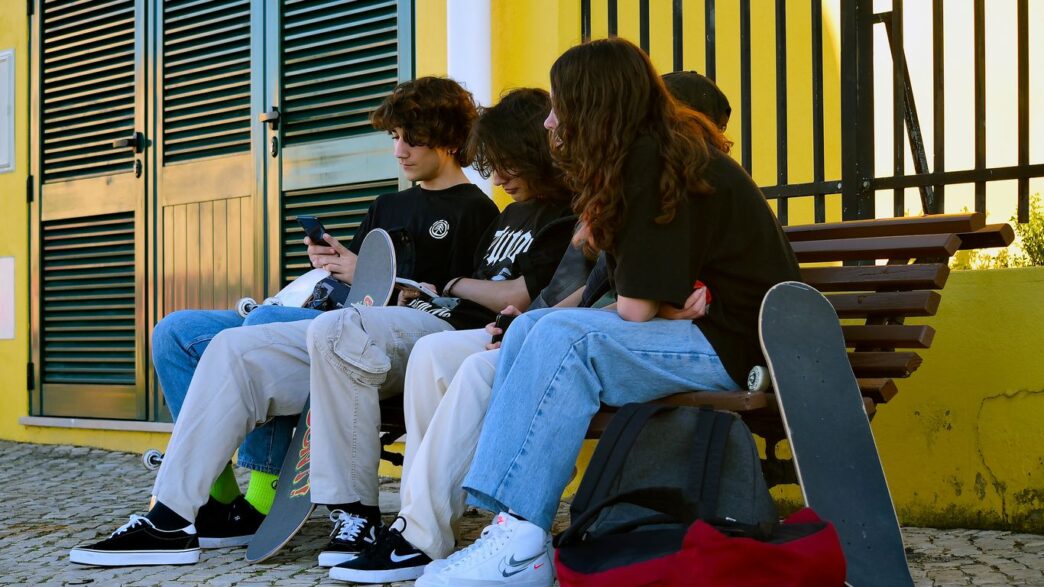
It feels like every year, new brands pop up and try to grab the attention of Gen Z. Some stick around, and some just fade away. But a few are really making a mark, changing how we shop and what we expect from companies. We’re looking ahead to 2026 and picking out some of the top Gen Z brands that are already showing they’ve got what it takes to stay relevant. It’s not just about what’s cool right now; it’s about brands that understand what this generation wants and how they want to get it. Let’s unpack who’s leading the pack.
Key Takeaways
- Skims has found a way to create buzz, sometimes with a bit of controversy, that keeps people talking and buying.
- Burberry is doing a great job of mixing its history with new ideas, making ads that feel more like stories than sales pitches.
- Gap and Moncler are winning by creating ads that don’t feel like typical ads, connecting with people more naturally.
- Rhode’s journey shows that even popular brands can face challenges after initial success.
- MrBeast’s massive lawsuit highlights the complex and sometimes risky side of big influencer deals.
1. Skims
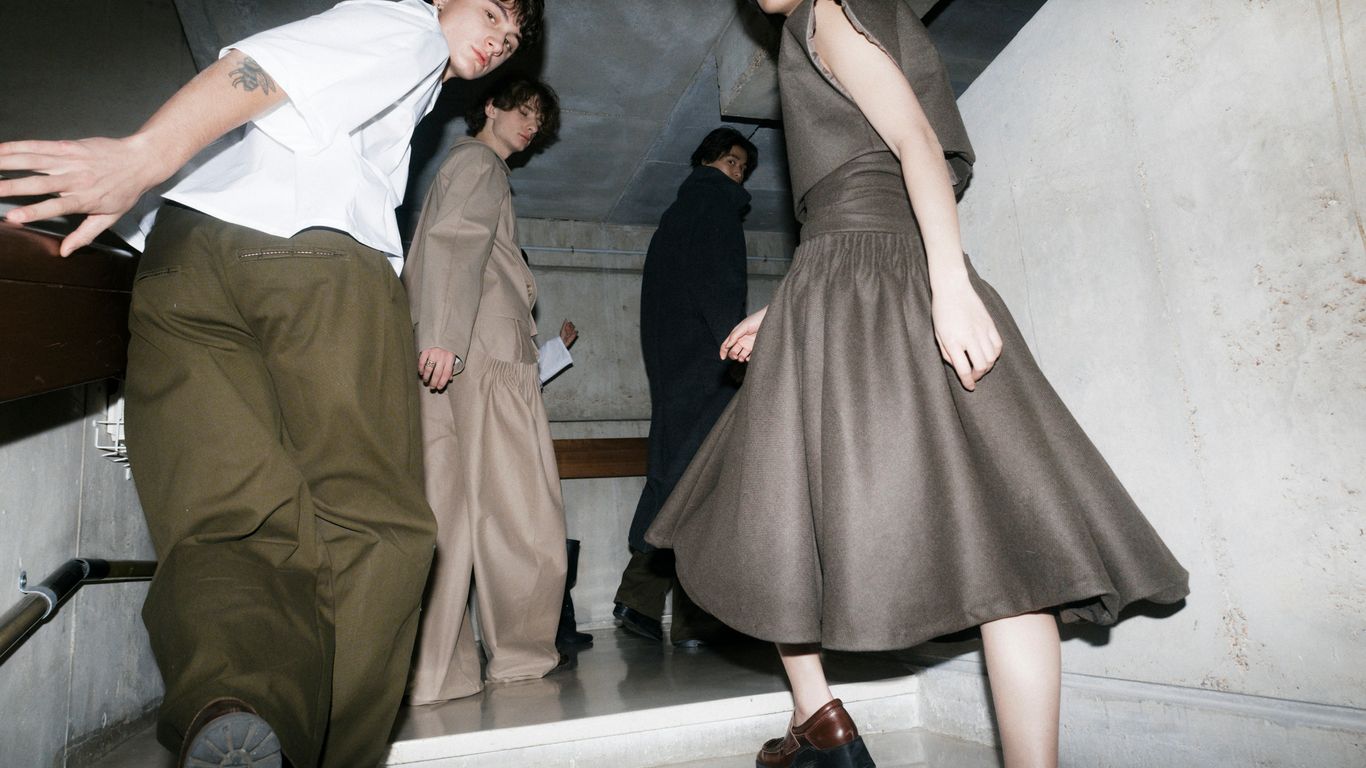
Okay, let’s talk about Skims. You know, Kim Kardashian’s brand? It’s kind of everywhere these days, and honestly, it’s pretty smart. They really nailed this whole idea of comfortable, everyday shapewear and loungewear that actually looks good. It’s not just about sucking you in; it’s about feeling put-together without trying too hard.
What’s interesting is how they’ve managed to create this buzz. They do these limited drops, and people go wild for them. It creates this sense of urgency, like you have to get it now or it’s gone. It’s a bit of a game, really.
Here’s a quick look at what seems to be working for them:
- Inclusive Sizing and Shades: They offer a really wide range of sizes and skin tones, which is a big deal. It means more people can find something that fits them well and looks natural.
- Social Media Savvy: Skims is all over social media, using influencers and creating content that feels relatable, not just like a stiff advertisement.
- Product Focus: While Kim Kardashian is the face, the products themselves seem to be the real stars. They focus on quality and comfort, which keeps people coming back.
The brand’s strategy seems to be about making essentials feel aspirational. It’s not just underwear; it’s a whole vibe. They’ve figured out how to tap into what people want right now: comfort, style, and a bit of that celebrity sparkle, without being too over the top. It’s a tricky balance, but they seem to be pulling it off.
2. Burberry
Burberry’s been doing some interesting things lately, really leaning into its British roots. It feels like they’ve figured out how to blend that classic heritage with what younger folks are into right now. They’re not just slapping their logo on stuff; they’re telling stories. Think about their recent campaigns – they’re using a mix of established and newer talent, and the visuals often have this cool, almost understated vibe that feels very authentic. It’s not in-your-face luxury, which I think is key.
What’s working for them seems to be a focus on content that feels less like an advertisement and more like a piece of art or a short film. They’re building these content pillars that really highlight British culture and craftsmanship, but in a way that’s accessible and engaging. It’s a smart move because it creates a deeper connection than just selling a product. They’re basically saying, ‘This is who we are, and if you like it, great.’
Here’s a look at some of their recent strategies:
- Heritage Storytelling: Reimagining iconic British themes through modern lenses.
- Digital Engagement: Utilizing social media platforms for authentic, less polished content.
- Collaborations: Partnering with artists and creators who align with their brand ethos.
- Product Drops: Creating buzz with limited releases that drive demand and exclusivity.
3. Gap
It feels like Gap has been around forever, right? But they’re actually making some pretty smart moves lately, especially when it comes to connecting with younger shoppers. You know, the ones who grew up with TikTok and expect brands to be more than just clothes on a rack.
Gap’s been focusing on what made them popular in the first place: good, solid basics. Think denim, hoodies, t-shirts – the stuff everyone needs. They’re not trying to be super trendy or complicated. Instead, they’re leaning into their heritage and making sure those core items are high quality and accessible. It’s a strategy that seems to be working, bringing back some of the older fans while also catching the eye of Gen Z who appreciate that kind of straightforward approach.
Here’s a quick look at how they’re doing it:
- Refining the Core: They’ve cut down on the number of different products, making it easier to find what you’re looking for. It’s all about that classic Gap style that people recognize and trust.
- Digital Presence: They’re getting better at showing up where Gen Z hangs out online, making sure their clothes look good in social media feeds and are easy to buy.
- Collaborations: Sometimes they team up with other brands or designers for limited collections, which creates buzz and brings in new customers.
It’s not about reinventing the wheel, but more about making sure the wheel they have is well-made and rolling smoothly. They’re proving that sometimes, going back to basics is the most modern thing a brand can do.
4. Moncler
Moncler has really figured out how to stay relevant, especially with younger crowds, without losing that high-end feel. It’s not just about the puffer jackets anymore, though those are still iconic. They’ve managed to make their brand feel both aspirational and, dare I say, accessible through smart collaborations and a strong digital game. It’s like they’re constantly reinventing themselves while sticking to their roots.
What’s interesting is how they’re blending traditional luxury with a more modern approach. They’re not afraid to experiment, which is probably why they’re doing so well. Think about their partnerships – they’ve teamed up with designers and artists who bring a fresh perspective, making Moncler feel less like a stuffy old brand and more like a cultural force. This strategy is a big part of their growth, showing how a heritage brand can adapt.
Here’s a quick look at what seems to be working for them:
- Creative Collaborations: They partner with people who have a distinct style, bringing new energy to the brand.
- Digital Presence: They’re active online, engaging with customers in ways that feel authentic, not just like a sales pitch.
- Product Innovation: While keeping their core items, they’re also introducing new styles and pieces that appeal to current trends.
- Storytelling: They’re good at telling the story behind their products and brand, making people feel connected.
Moncler’s ability to connect with Gen Z while maintaining its luxury status is a masterclass in modern brand building. It shows that you don’t have to sacrifice heritage for relevance. They’re proving that with the right mix of creativity and strategy, a brand can thrive across different generations. It’s a smart way to build long-term brand loyalty that goes beyond just selling clothes.
5. Rhode
Hailey Bieber’s Rhode skincare line has had a bit of a bumpy ride since it launched. While it started with a lot of buzz, some folks are saying it’s hit a bit of a slump. It’s interesting because the brand really leaned into that clean, minimalist aesthetic that’s super popular, especially with younger crowds. They focused on simple, effective ingredients, which is smart.
But here’s the thing: the market for skincare is absolutely packed. Everyone and their dog seems to be launching a brand these days. For Rhode to really stand out and keep growing, they’ve got to do more than just look pretty on the shelf. They need to keep finding ways to connect with people on a deeper level, beyond just the product itself.
Here’s what Rhode has been trying to do:
- Focus on core products: They started with a few key items like a peptide glazing fluid and a barrier restore cream, and they’ve stuck to that. It’s not overwhelming.
- Leverage Hailey’s influence: Obviously, Hailey Bieber herself is the biggest draw. Her social media presence is a huge part of how they get the word out.
- Keep the price point accessible: Compared to some other celebrity brands, Rhode is pretty reasonably priced, which helps a lot of people try it.
It feels like the next step for them is figuring out how to keep that momentum going. Maybe it’s about new product drops that really surprise people, or finding unique ways to build a community around the brand. It’s a tough game, but they’ve got a solid foundation to build on.
6. Walmart
Okay, so Walmart. It might not be the first place you think of when you hear ‘fashion,’ but honestly, they’ve been making some serious moves. It’s easy to dismiss them as just a giant discount store, but they’re quietly becoming a pretty big deal in the apparel world, especially for younger shoppers looking for decent stuff without breaking the bank.
They’ve been doing this thing where they’re trying to clean up their act, sort of like a ‘SKU diet’ they call it, which basically means getting rid of a bunch of their less popular items to make room for better stuff. Plus, they’re using tech like RFID tags to keep track of inventory better. It sounds boring, but it helps them make sure they have what people actually want to buy. They even have design teams in New York now, which is kind of wild to think about for Walmart.
Walmart’s big play is making fashion accessible and, dare I say, even a little bit cool for everyone. They’re not trying to be Gucci or anything, but they’re figuring out how to offer trendy pieces that don’t cost a fortune. It’s all about that sweet spot between affordability and style.
Here’s a quick look at what they’re focusing on:
- Streamlining Inventory: Cutting down on too many choices to focus on what sells.
- Tech Upgrades: Using things like RFID to know exactly what they have and where it is.
- Design Input: Bringing in fashion-savvy people to help pick out and create clothes.
- Online and In-Store Blend: Making it easy to shop however you like, whether that’s on your phone or walking through the aisles.
It’s a massive undertaking, and they’re spending a lot of money to make it happen. The question is, can they actually pull off becoming a fashion destination? Gen Z is definitely paying attention, and if Walmart can keep up the momentum, they might just surprise us all.
7. TikTok
Okay, let’s talk about TikTok. It’s hard to ignore this platform, right? It’s not just a place for dance challenges anymore; it’s become a massive engine for trends, culture, and, yes, brands. For Gen Z, it’s practically a second home. They spend a significant chunk of their day scrolling through it, way more than older folks do. This constant engagement means TikTok is where a lot of what’s cool, or about to be cool, actually starts.
Think about how things pop up on TikTok and then suddenly everyone’s talking about them. It’s a wild mix of user-generated content, influencer marketing, and brands trying to keep up. Brands that get it are making videos that feel like they belong on the platform, not like a stiff advertisement. They’re using trends, sounds, and even the platform’s editing style to connect.
Here’s a quick look at why it’s so important:
- Discovery Hub: Users find new products, styles, and even entire brands just by scrolling.
- Trend Incubator: What goes viral here often dictates what becomes popular everywhere else.
- Community Builder: Brands can create spaces for fans to interact and feel like part of something.
- Direct Sales Channel: Features like TikTok Shop are making it easier for people to buy things right then and there.
It’s a fast-paced environment, and brands need to be quick and authentic to make a splash. Trying to force a sale or be something you’re not just doesn’t work here. It’s all about being part of the conversation. If you’re looking to understand how Gen Z shops and discovers, you really need to pay attention to what’s happening on TikTok.
8. MrBeast
When you think about brands that really get Gen Z, Jimmy Donaldson, better known as MrBeast, has to be on the list. He’s not just a YouTuber; he’s built an entire empire around massive giveaways, insane challenges, and a surprisingly effective business model. It’s wild to think that someone who started by making videos about Minecraft and counting to 100,000 is now a major player in the brand space.
His approach is all about scale and spectacle. Think giving away private islands or a million dollars just for people to subscribe. This kind of generosity, while seemingly over-the-top, taps into a desire for something bigger and more exciting than typical advertising. It’s entertainment first, brand second, which is a formula that really works with younger audiences who are tired of being sold to directly.
MrBeast has also shown a knack for expanding beyond just YouTube. He’s got Feastables, his chocolate bar company, and MrBeast Burger, which operates through ghost kitchens. These ventures aren’t just side projects; they’re built on the same principles of high-impact, shareable experiences. The success of these businesses shows that his influence isn’t limited to views and likes; he can translate that into actual consumer products.
Of course, it’s not all smooth sailing. There was that big lawsuit recently, which just goes to show that even the biggest names face challenges. It’s a reminder that building a brand, especially at this speed and scale, comes with its own set of problems. But the way he handles these things, and the way his audience generally reacts, speaks volumes about the loyalty he’s cultivated. It’s a masterclass in building a loyal following that goes beyond just viral moments. He’s essentially turned his personality and generosity into a brand that feels incredibly authentic to his fans, even as it grows into a massive business.
Looking Ahead: What’s Next for Gen Z Brands?
So, we’ve talked a lot about what makes Gen Z tick and how brands are trying to keep up. It’s clear these young consumers aren’t just following trends; they’re setting them, and they expect brands to be real with them. They want connection, they want to be part of things, and honestly, they want brands to be a bit more like them. The brands that are really winning are the ones that get this – they’re not just selling stuff, they’re building communities. As we look towards 2026 and beyond, it’s going to be all about authenticity, smart tech that actually helps, and brands that aren’t afraid to be a little different. It’s a wild ride, but for brands that listen and adapt, the future looks pretty interesting.
Frequently Asked Questions
What makes these brands stand out to Gen Z?
These brands are popular with Gen Z because they get what this generation wants. They often use social media in cool ways, create products that feel unique or exclusive, and sometimes even let customers help design things. It’s about feeling connected and part of something, not just buying stuff.
How does social media play a role for these brands?
Social media is super important! Platforms like TikTok are where Gen Z discovers new trends and brands. Brands that do well create fun, shareable content that feels real and not just like a sales pitch. They might even use influencers that Gen Z trusts.
Are these brands only online, or do they have physical stores?
It’s a mix. Many of these brands started online but are now also opening physical stores or pop-up shops. They want to offer different ways to shop, whether it’s scrolling on your phone or trying something on in person. The key is making it easy and fun no matter how you shop.
What does ‘shaping 2026’ mean for these brands?
It means these brands are setting the trends and showing other companies how to connect with younger shoppers. They’re using new technology and creative ideas that will likely become more common in the next few years. They’re basically showing the future of how people will shop and what they’ll want from brands.
Why is Walmart on this list with fashion brands?
Walmart is included because it’s making a big effort to improve its fashion offerings and appeal to younger shoppers. They’re changing how they design, sell, and even use technology for their clothes, showing that even big, older companies can adapt and become trendy.
What’s the deal with MrBeast and brands?
MrBeast is a huge online personality who’s also building his own brands. He’s known for doing massive giveaways and challenges, which gets a lot of attention. Brands often partner with him because his audience is huge and very engaged, making it a powerful way to reach young people.