TechCrunch Disrupt 2025 is just around the corner, and it looks like it’s going to be a big one. Forget the usual tech conference buzzwords for a minute. This year, the focus seems to be shifting towards actual problems and sensible solutions, which is a nice change of pace. We’re seeing big names talking about AI, but also a lot of companies showing off practical tech that could actually make a difference. It feels like we might be moving beyond just the hype cycle and getting back to building things that work.
Key Takeaways
- The main stage at Disrupt 2025 will feature talks from tech leaders like Microsoft’s CTO Kevin Scott and Alphabet’s Astro Teller, alongside insights from venture capital firm Sequoia.
- Expect discussions on the real-world applications and challenges of Artificial Intelligence, moving beyond theoretical concepts to practical impacts on industries and culture.
- Several companies are presenting solutions to tangible problems, including supply chain logistics with Glīd and advancements in biotech with Nephrogen, highlighting a focus on practical innovation.
- The future of transport and connectivity will be explored, with showcases like Slate Auto’s electric truck debut and conversations around the gig economy and decentralized computing via Solana.
- San Francisco’s role in the tech ecosystem and investor perspectives on building and reinventing companies in an AI-focused world will be a significant theme throughout Disrupt 2025.
Disrupt 2025: The Main Stage Unveiled
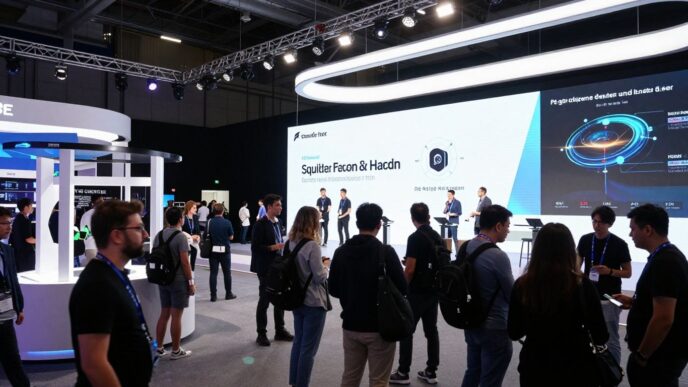
The main stage at Disrupt 2025 is where the big conversations happen, the ones that really shape what’s next in the tech world. It’s not just about flashy presentations; it’s where you get the unfiltered take from the people actually building and funding the future.
Keynote Insights from Tech Titans
This year, we’ve got some serious heavyweights lined up. Expect straight talk from industry leaders like Microsoft’s CTO Kevin Scott and Alphabet’s moonshot chief Astro Teller. They’ll be sharing their views on where technology is heading, and more importantly, what it means for all of us. We’ll also hear from Netflix CTO Elizabeth Stone, who’ll likely offer a unique perspective on content and technology.
Startup Battlefield 200: The Next Unicorns
This is always a highlight. The Startup Battlefield 200 is where promising early-stage companies get their shot at a significant prize and, more importantly, the attention of investors and the wider tech community. It’s a chance to see innovation in its rawest form, with founders pitching solutions to real-world problems. Last year’s winner, Glīd, a logistics company, really showed that practical solutions can still win big, proving it’s not all about the AI hype.
Venture Capital’s Crystal Ball with Sequoia
What’s happening with investment money? That’s the million-dollar question, isn’t it? Roelof Botha from Sequoia Capital is on the main stage to give us his take on the venture capital landscape. With so much uncertainty around AI and the broader economy, hearing from one of the most influential VCs in the business will be incredibly insightful. He’ll be discussing where the smart money is going and what trends investors are watching closely.
The energy at Disrupt is always a mix of genuine excitement and a healthy dose of skepticism. This year, that feeling is amplified. While AI is everywhere, there’s a growing undercurrent of questioning whether all the buzz translates into real, sustainable progress or just another bubble.
Here’s a look at some of the key themes you can expect:
- AI’s Real-World Application: Beyond the buzzwords, how are companies actually using AI to solve problems?
- Sustainable Innovation: What does it mean for tech to be truly sustainable, both environmentally and economically?
- The Human Element: In an increasingly automated world, what role does human ingenuity and connection play?
- Economic Realities: How do the current economic pressures affect startup growth and investment strategies?
Navigating the AI Revolution at Disrupt 2025
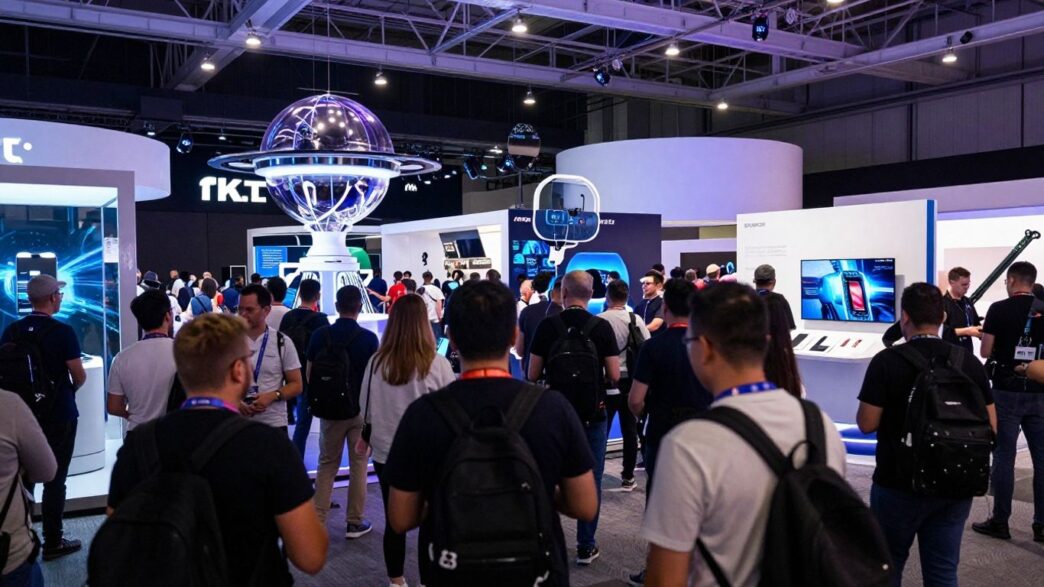
It feels like everywhere you look, there’s talk of artificial intelligence. At Disrupt 2025, it was impossible to miss. Booths were plastered with ‘AI-powered’ claims, and conversations buzzed with the latest advancements. But beneath the surface, there was a real sense of questioning, too. Investors admitted they weren’t entirely sure where this AI wave was truly heading, and founders confessed that slapping ‘AI’ onto a product felt more like a trend than genuine innovation sometimes.
Microsoft’s Vision for Artificial Intelligence
Microsoft’s CTO, Kevin Scott, took to the stage to share his thoughts on where AI is going. It wasn’t just about the flashy new tools, but more about how these technologies can be integrated into everyday work and life. The focus seemed to be on practical applications, moving beyond the initial hype to what actually works and can be built upon. It’s about making AI a tool that helps people, rather than just a concept.
The Realities of Autonomous Vehicle Technology
Autonomous vehicles have been promised for years, and Waymo’s co-CEO, Tekedra Mawakana, offered a candid look at the actual progress. She spoke about the challenges of scaling self-driving technology, touching on rider safety, public trust, and the complex regulations involved. It’s clear that while the technology is advancing, getting it safely onto our streets is a slow and careful process. The question isn’t ‘if’ autonomous vehicles will be accepted, but ‘when’ and under what safety standards.
AI’s Impact on Creativity and Pop Culture
While many sessions focused on business applications, the impact of AI on creative fields and popular culture was also a hot topic. Discussions touched on how AI tools are changing the way artists create, how content is produced, and even how we consume entertainment. It’s a rapidly evolving area, and the long-term effects are still unfolding, raising questions about originality and the future of human creativity in a world increasingly populated by intelligent machines. The Disrupt Summit Series always brings these forward-thinking discussions to the forefront.
The tech industry is at a crossroads. While AI promises incredible advancements, there’s a growing awareness that true progress means building technology that serves people, not just optimizes them. The focus is shifting from pure technological advancement to considering the human element and the societal impact of these powerful new tools.
Beyond the Hype: Practical Innovation Takes Centre Stage
It feels like everywhere you look, there’s talk of AI. And sure, some of it is genuinely exciting. But at Disrupt 2025, there was a noticeable shift. The buzz wasn’t just about the next big AI model; it was about companies tackling real-world problems with smart, practical solutions. It was refreshing, honestly.
Solving Real Problems: Glīd’s Supply Chain Solution
Glīd took home the top prize, and it wasn’t for a flashy app. Their GliderM is a hybrid-electric vehicle designed to move shipping containers straight from ships to trains. No forklifts, no extra trucks. It sounds simple, maybe even a bit dull, but it addresses a massive inefficiency in global shipping that costs billions. This is the kind of innovation that quietly makes a huge difference.
Biotech Breakthroughs: Nephrogen’s Gene-Editing Approach
Nephrogen is another example of practical progress. They’re using AI, not as the main event, but as a tool to develop better ways to deliver gene-editing medicines. Their focus is on kidney cells, and their system is apparently a hundred times more efficient than current methods. The founder, who has a personal connection to kidney disease, plans to be part of the clinical trials. That’s commitment.
Sustainable Materials and Space Industry Fintech
It wasn’t all just about medicine and logistics, though. We saw companies like MacroCycle Technologies, which is working on making recycled plastic as cheap as new plastic using clever chemistry. Then there was Charter Space, essentially building a financial technology company for the space industry, making it easier to insure spacecraft. These aren’t the kinds of things that usually grab headlines, but they’re important steps forward.
The conversations I overheard in the corridors and coffee queues were just as telling. People were admitting that the pressure to slap "AI-powered" onto everything felt a bit much. There was a quiet acknowledgement that maybe we’ve been chasing shiny objects a bit too much, and it’s time to get back to basics: solving actual problems for actual people.
It’s a good reminder that not every breakthrough needs to be a world-changing, AI-driven revolution. Sometimes, the most impactful innovations are the ones that just make things work better, more efficiently, and more sustainably. And that’s exactly what we saw taking centre stage at Disrupt this year.
The Future of Mobility and Connectivity
This year’s Disrupt conference really hammered home how much things are changing in how we get around and stay connected. It’s not just about faster cars or better internet anymore; it’s about how these things actually work for people and the planet.
Slate Auto’s Electric Truck Debut
Slate Auto rolled out their new electric truck, and it’s got people talking. They’re aiming to make heavy-duty transport cleaner, which is a big deal for logistics. The focus seems to be on practical improvements that can actually be adopted by businesses, not just flashy prototypes. This shift towards real-world application is a key theme emerging from the event. It’s about making the switch to electric feasible for companies that rely on these vehicles day in and day out.
Gig Economy Challenges and Driver Empowerment
There was a lot of discussion about the gig economy, particularly concerning drivers. While some platforms are pushing ahead with automation and algorithmic management, there’s a growing pushback from drivers themselves. They’re asking for better pay, more transparency, and a fairer deal overall. It feels like we’re at a point where the industry has to decide if it’s going to keep squeezing workers or find a more sustainable model. Companies like GigU are showing that it’s possible to build platforms that work better for the people actually doing the driving, rather than just extracting value.
Decentralised Computing with Solana
Solana was also a big name, talking about decentralised computing. The idea is to move away from relying on a few big companies for all our data and processing power. This could have huge implications for everything from online security to how we build applications. It’s about spreading the load and giving more control back to users and developers. The potential for more resilient and open digital infrastructure is pretty exciting.
The conversations at Disrupt this year highlighted a growing awareness that technological progress isn’t just about building the next big thing. It’s about considering the human element and ensuring that innovation serves people, not the other way around. The future of mobility and connectivity hinges on this balance.
Here’s a quick look at some of the key areas discussed:
- Electric Vehicles: Moving beyond passenger cars to commercial transport, focusing on practical adoption.
- Driver Welfare: Addressing the challenges faced by gig economy workers and exploring fairer models.
- Decentralisation: Shifting computing power to reduce reliance on central authorities and improve security.
It’s clear that the future of how we move and connect is complex, with both exciting possibilities and significant challenges to overcome. Staying informed about these developments is key to understanding the evolving landscape of global mobility.
Reimagining San Francisco and the Tech Ecosystem
San Francisco, the city that practically invented the tech boom, has been through a bit of a rough patch lately. After some tricky years, there’s a real push to bring back that old spark. Mayor Daniel Lurie has been talking a lot about how the city can be a better place for startups to grow, especially with all the AI stuff happening. It’s not just about big ideas anymore; it’s about making things work for people.
Mayor Lurie’s Vision for Startup Growth
Mayor Lurie seems keen to mend fences between City Hall and the tech world. He’s been outlining plans to revitalise the city centre and make it easier for new companies to set up shop. The idea is to remind everyone why San Francisco became a tech hub in the first place – not just for the hype, but for solving actual problems. He’s talking about creating an environment where innovation can thrive, which is good news for anyone looking to build something new.
The Spirit of Innovation: Lessons from Past Winners
Looking back at companies that have done well at Disrupt, like Dropbox or Cloudflare, you see a pattern. They didn’t try to change the world overnight. Instead, they focused on making specific things work much better. This down-to-earth approach is what the Mayor seems to be championing. It’s about practical solutions, not just grand pronouncements. The Startup Battlefield competition itself highlights this, with founders pitching real products, not just concepts.
Building in the City by the Bay
There’s a sense that the tech industry needs to remember its roots. It’s easy to get caught up in the latest trends, especially with AI everywhere you look. But the real magic happens when people connect and share ideas, often in the informal spaces between official sessions. The sheer number of startups exhibiting and the networking opportunities at Disrupt show that the desire for genuine connection is still strong. It’s about more than just the technology; it’s about the community and the shared drive to create something meaningful. The future of tech in San Francisco might depend less on the next big AI breakthrough and more on remembering that human ingenuity and practical problem-solving are what truly matter.
The conversations happening away from the main stages are often the most telling. You hear investors admitting they’re not entirely sure where AI is heading, and founders feeling pressure to add ‘AI-powered’ to everything, even when it doesn’t quite fit. It’s a sign that maybe we’re all looking for a bit more substance.
Here’s a look at some of the companies that embody this practical spirit:
- Glīd: Tackling the unglamorous but vital task of making supply chains more efficient.
- Nephrogen: Using gene-editing technology to address real health challenges.
- GigU: Providing tools for gig economy drivers to improve their earnings and decision-making.
These examples show that innovation isn’t just about the flashiest new tech; it’s about making a tangible difference in people’s lives and businesses.
Investor Perspectives and Startup Reinvention
It’s easy to get swept up in the latest tech trends, especially when they promise to change everything. But what are the people with the money actually looking at? This year’s Disrupt conference offered a peek behind the curtain, showing that while AI is certainly a big topic, it’s not the only game in town. Investors are thinking about how to build companies that last, not just chase the next big thing.
We heard from some big names who’ve seen it all. Elad Gil, who’s backed companies like Airbnb and Stripe, talked about what it takes to build something enduring in this fast-paced, AI-focused world. He’s not just looking for the flashiest idea; he’s interested in solid foundations and long-term vision. The real test for any startup is its ability to adapt and reinvent itself, especially when the market shifts.
Then there was Kevin Rose, a familiar face from the early days of Digg, who’s now a prominent investor. He shared his thoughts on reinvention, a topic he knows well, having navigated his own career path through different tech eras. It’s a reminder that even successful founders need to keep evolving.
Brynn Putnam also made a return to the Disrupt stage. After her success with Mirror, she’s now focused on her new venture, Board. Her journey highlights the cycle of building, selling, and then starting anew. It’s a testament to the entrepreneurial spirit that drives so much of the innovation we see.
Here’s a look at some of the key themes that emerged from these conversations:
- Focus on Real Problems: While AI is a tool, the most compelling pitches were for companies solving tangible issues, like Glīd with supply chain logistics or Nephrogen with gene-editing delivery. These aren’t just theoretical applications; they address practical needs.
- Sustainability and Efficiency: There’s a growing awareness of the environmental and economic costs of some technologies. Innovations that promote efficiency and reduce waste, like MacroCycle’s work with recycled plastics, are gaining traction.
- The Long Game: Investors like Gil and Rose are looking beyond short-term gains. They’re interested in companies with strong business models, clear paths to profitability, and the resilience to weather market fluctuations. This is especially relevant when considering innovation trends set to shape 2025.
The pressure to label everything as ‘AI-powered’ can sometimes overshadow genuine innovation. The most successful ventures often integrate technology thoughtfully, using it as a tool to solve a problem rather than as the problem itself. This pragmatic approach is what investors are increasingly seeking.
It’s clear that while the tech landscape is always changing, the core principles of building a successful business remain. It’s about identifying a need, creating a smart solution, and having the grit to adapt and grow over time. The conversations at Disrupt 2025 reinforced that the future belongs to those who can build, scale, and reinvent.
So, What’s Next?
Right, so Disrupt 2025 has wrapped up, and it feels like we’ve seen a bit of everything. There was definitely a lot of talk about AI, as you’d expect, but it wasn’t just the usual buzz. It was interesting to hear people quietly admitting they weren’t entirely sure where it’s all heading, and that the pressure to slap ‘AI-powered’ on everything might be a bit much. We also heard from folks like the GigU team, who are focused on solving real problems for actual people, which felt like a breath of fresh air. It makes you wonder if the real innovation isn’t always on the main stage, but in those side conversations, or in companies like Glīd, just getting a tough job done efficiently. Maybe the next big thing isn’t about reinventing the wheel, but about making the wheels we already have turn a bit better for everyone. It’s a thought to chew on as we head out of the conference halls.
Frequently Asked Questions
What is Disrupt 2025 all about?
Disrupt 2025 is a big tech event where new companies show off their ideas. It’s a place for founders to meet investors, learn about new tech like AI, and see who will win the Startup Battlefield competition for a big prize.
Who are the main speakers at Disrupt 2025?
You can expect to hear from big names in tech, like the CTO of Microsoft, leaders from Alphabet’s ‘X’ division, and people from companies like Netflix. They’ll talk about what’s next in AI, technology, and business.
What kind of startups will be at Disrupt 2025?
There will be 200 startups showing their work. Some are focused on solving real-world problems, like making shipping easier or developing new medicines. Others are exploring new areas like electric trucks and space industry finance.
Will there be talks about Artificial Intelligence (AI)?
Yes, AI is a huge topic at Disrupt 2025. You’ll hear about how AI is changing jobs, creativity, and even pop culture. Companies like Microsoft will share their ideas on where AI is heading.
What’s the deal with self-driving cars at the event?
The event will discuss the real situation with self-driving cars. Experts will talk about the challenges of making them safe and trusted for everyone, not just the exciting ideas you might read about.
Why is San Francisco important for tech, according to the event?
The mayor of San Francisco will be there to talk about why the city is still a great place for new tech companies to start and grow. They’ll discuss how the city is working to support innovation and bring back its tech spirit.