
Everyday Electronics Enhanced By Nanotechnology
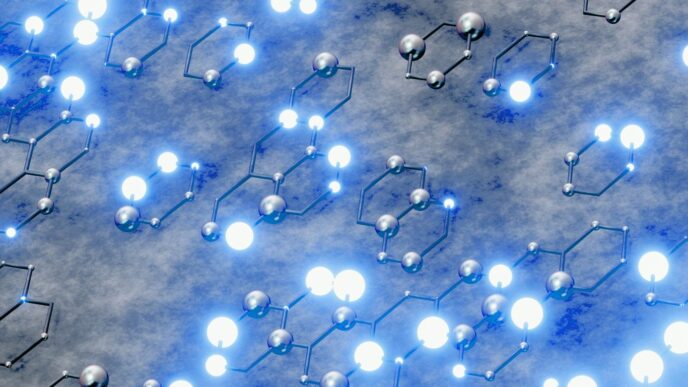
You know how your phone seems to get faster and hold more stuff every year? A lot of that magic comes down to tiny, tiny engineering. We’re talking about nanotechnology, which is basically working with materials at the atomic and molecular level. It’s not just some futuristic idea; it’s already inside the gadgets you use every single day.
Smaller, Faster Computer Chips
Remember when computers took up entire rooms? Now, they fit in our pockets. This incredible shrinking act is largely thanks to nanotechnology. The "brains" of our devices, the computer chips, are made of transistors. For years, engineers have been making these transistors smaller and smaller. We’re now at a point where transistors are measured in nanometers – that’s billionths of a meter! This miniaturization means we can pack way more processing power into the same space, or even less.
Think about it: IBM announced a chip in 2021 that was just two nanometers in size. This tiny thing could hold about 50 billion transistors, which is a mind-boggling number. More transistors mean your device can do more calculations at once, making everything from loading apps to playing games much smoother and quicker. It’s like fitting a whole library into a single grain of sand.
Next-Generation Transistors
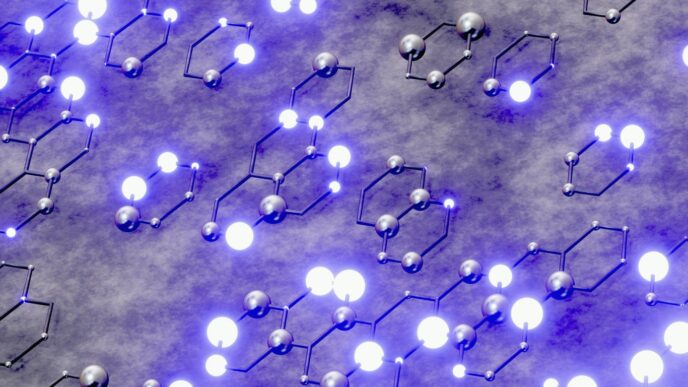
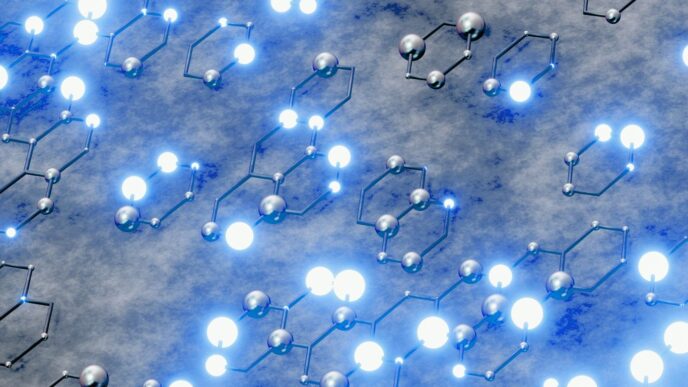
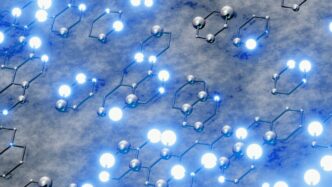
While making existing transistors smaller is one thing, nanotechnology is also paving the way for entirely new types of transistors. Traditional silicon transistors are hitting their limits. Scientists are exploring new materials and designs, like using carbon nanotubes or materials like graphene. These new designs can be even smaller and more efficient than current ones. Some experimental transistors use clever arrangements of wires just a few nanometers wide, where electricity "jumps" across tiny gaps. This could lead to chips that are not only smaller but also use less power, meaning your battery lasts longer.
Advanced Display Technologies
Nanotechnology also plays a role in the screens you look at. For instance, some advanced display technologies use nanoparticles to create brighter, more vibrant colors. In inkjet printing, for example, special nanoparticles are used in the ink and paper coatings. These tiny particles help the ink dry faster, improve print quality, and make the paper itself feel thicker and look shinier. So, that crisp photo you printed? Nanoparticles might have helped make it happen.
Nanotechnology In Personal Care And Apparel
You know, it’s pretty wild how tiny science is making a big difference in the stuff we use every day, especially when it comes to looking good and staying fresh. Think about your sunscreen or that favorite jacket that just seems to shrug off spills. A lot of that is thanks to nanotechnology, working its magic on a scale you can’t even see.
Superior Sunscreen Protection
That sunscreen you slather on before heading out? It probably contains tiny particles of zinc oxide or titanium dioxide. These aren’t just random additions; they’re nanoparticles specifically engineered to block UV rays. Because they’re so small, they spread out evenly on your skin without leaving that thick, white cast we used to get. This means you get serious sun protection that feels light and looks clear. It’s a simple change, but it makes a huge difference in preventing sunburn and long-term skin damage.
Odor-Resistant And Water-Repellent Clothing
Ever notice how some workout clothes seem to stay fresh longer, even after a tough session? Or how water just beads up and rolls off your rain jacket? That’s nanotechnology at work. Tiny particles, like silica, are woven into or sprayed onto fabrics. These create surfaces that repel water, making clothes water-resistant. For the odor part, silver nanoparticles are often used. They have natural germ-killing abilities, which means they can stop the bacteria that cause smells from growing. This not only keeps you smelling better but also means you can wash your clothes less often, saving water and energy.
Antimicrobial Textiles
Beyond just fighting odor, nanotechnology is also making fabrics more hygienic. Think about hospital linens, athletic wear, or even everyday socks. By incorporating materials like silver or copper nanoparticles, textiles can actively fight off a wider range of microbes. These nanoparticles can disrupt the cells of bacteria and fungi, preventing them from multiplying. This is especially useful in places where cleanliness is super important or for items that are worn close to the skin for extended periods. It’s a way to build protection right into the fabric itself, offering an extra layer of defense against germs.
Revolutionizing Medicine With Nanoscale Innovations
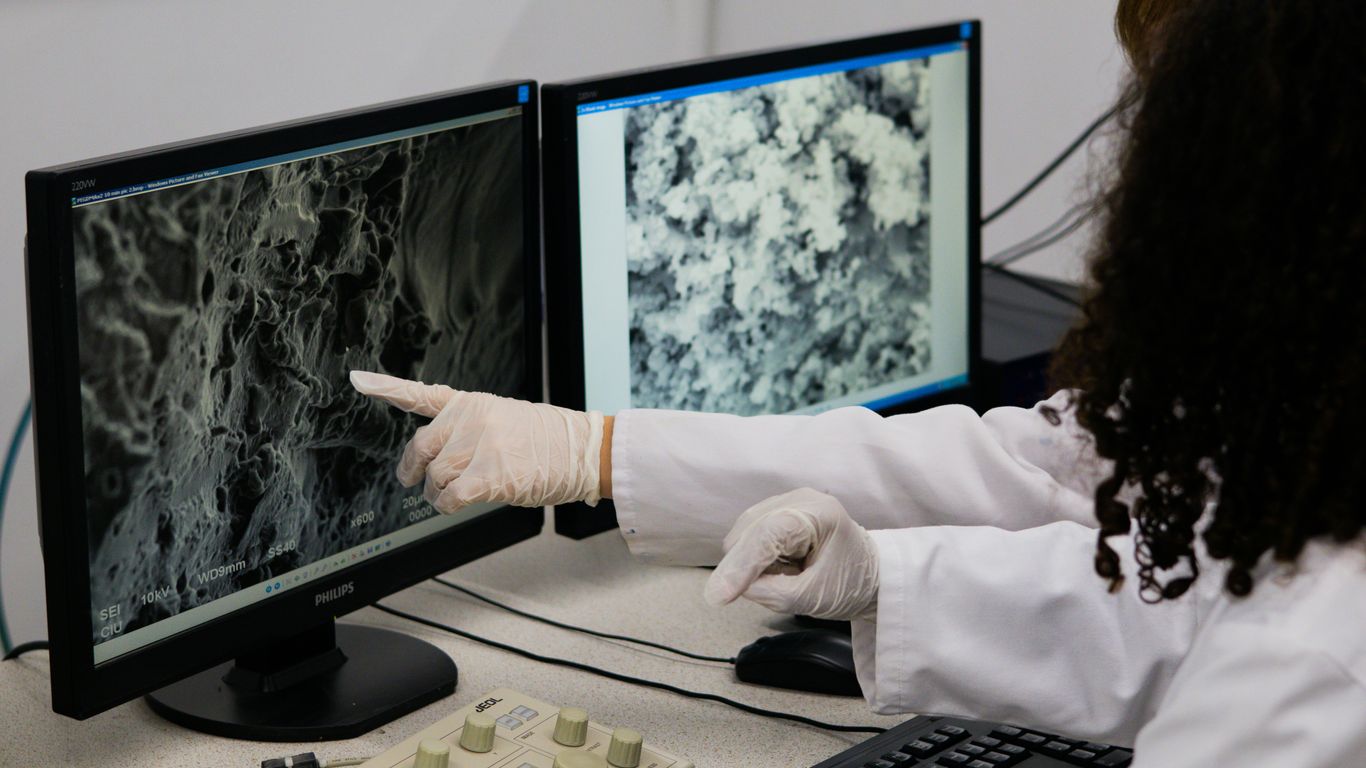
It’s pretty wild to think about how tiny things can make such a huge difference, especially when it comes to our health. Nanotechnology is basically science working at the atomic and molecular level, and it’s changing how we treat diseases and keep ourselves healthy.
Targeted Drug Delivery Systems
Imagine taking medicine that only goes exactly where it needs to, like a tiny guided missile for your body. That’s what nanotechnology is starting to do with drug delivery. Tiny particles, often called nanoparticles, can be loaded with medication. These nanoparticles can be designed to find specific cells, like cancer cells, and release the drug right there. This means the medicine can work more effectively on the bad stuff while leaving healthy cells alone. It’s a big step up from traditional methods where drugs spread throughout the body, sometimes causing unwanted side effects.
- Nanoparticles can be coated to avoid detection by the immune system. This helps them travel further in the body before doing their job.
- They can be engineered to respond to specific triggers. This could be a change in the body’s chemistry near a tumor or even external signals like light or sound waves.
- This approach aims to increase the amount of drug that actually reaches the target site. This could mean lower doses are needed overall.
Enhanced Diagnostic Tools
Spotting diseases early is always the best way to fight them, and nanotech is making diagnostics much sharper. Tiny sensors and imaging agents are being developed that can detect disease markers at much lower concentrations than before. This means doctors can potentially catch problems much sooner, sometimes even before symptoms show up. Think of it like having a super-powered magnifying glass for your body’s internal workings.
Advanced Wound Healing
When you get a cut or a burn, how it heals is super important. Nanotechnology is stepping in here too. For example, materials infused with silver nanoparticles have shown strong antimicrobial properties. When used in bandages or wound dressings, they can help fight off infections and speed up the healing process. It’s like giving your body’s natural repair system a high-tech boost to get things back to normal faster and with less chance of complications.
Nanotechnology’s Impact On Home And Furnishings
You might not realize it, but the stuff in your house is probably getting a little help from nanotechnology. It’s not just about making things smaller; it’s about making them work better, last longer, and even clean themselves. Pretty neat, right?
Durable And Pest-Resistant Furniture
Think about your wooden furniture. Ever worry about termites or mold? Nanoparticles, like nano-silver, copper, and zinc, can be added to wood finishes or coatings. These tiny particles act like natural defenders, producing compounds that keep pests and fungi away. It’s like giving your furniture a shield against common household invaders. Plus, a finish with titanium dioxide can help repel dust and other grime, meaning less dusting for you.
Self-Cleaning Surfaces
Nobody enjoys scrubbing. Nanotechnology is making that chore a lot less frequent. Surfaces treated with materials like titanium dioxide can actually break down dirt and grime when exposed to sunlight. It’s a bit like the "lotus effect" you see in nature, where water beads up and rolls off, taking dirt with it. This means countertops, windows, and even outdoor furniture can stay cleaner with minimal effort. Imagine your shower doors staying clearer or your kitchen backsplash looking fresh without constant wiping.
Enhanced Material Properties
Beyond just cleaning and pest control, nanotechnology is improving the very fabric of our homes. For instance, special aerogels made from cellulose nanofibers are being developed. These are incredibly light but also super strong and can even act as fire retardants. By building these nano-barriers into building materials, we could make homes safer by blocking oxygen and preventing the release of toxic fumes during a fire. This could seriously change how we build and what materials we use, making everything from walls to insulation more robust and safer.
Innovations In Sports And Recreation
When you think about sports, you probably don’t immediately picture tiny molecules or atoms. But believe it or not, nanotechnology is making a big splash in the world of athletics, helping athletes perform better and making gear last longer. It’s all about using materials at a super small scale to get some pretty big advantages.
High-Performance Sports Equipment
Ever wonder why your tennis racket feels so light yet powerful, or why your bike seems to glide effortlessly? Nanomaterials are often the secret ingredient. Carbon nanotubes, for example, are incredibly strong and light. They’re being woven into things like tennis racket frames to make them stiffer and give players more control and power. For cyclists, these same nanotubes can make bike frames lighter without sacrificing strength, meaning you can go faster and further. Even tennis balls are getting a nano-boost; tiny clay particles inside them help keep the air in, so they maintain their bounce for longer.
Here’s a quick look at how different nanomaterials are changing sports gear:
- Carbon Nanotubes: Used in rackets, clubs, and bike frames for increased strength, stiffness, and reduced weight.
- Silica Nanoparticles: Can improve the durability and wear resistance of various sports equipment components.
- Nanoclays: Incorporated into tennis balls to better retain air pressure, leading to a more consistent bounce.
Durable Adhesives For Gear
Beyond the main equipment, nanotechnology is also improving the smaller stuff that holds it all together. Think about the glue used in your running shoes or the bindings on your skis. Nanoparticles can be added to adhesives to make them much stronger and more resistant to breaking down, even under extreme conditions. This means your gear is less likely to fall apart when you’re pushing your limits. This focus on durability means fewer repairs and replacements, saving athletes money and reducing waste. It’s a small change at the molecular level that makes a big difference in how reliable your equipment is, game after game, run after run.
Sustainable Solutions Through Nanotechnology
It’s pretty wild to think about how much our planet is struggling, right? Climate change, pollution, just basic resource management – it all feels like a huge mess. But here’s where things get interesting: nanotechnology is quietly stepping in, offering some genuinely clever ways to make our world a bit more sustainable. It’s not just about fancy gadgets; it’s about making things work better, last longer, and use fewer resources.
More Efficient Solar Panels
Remember when solar panels were these bulky, expensive things that barely made a dent in your electricity bill? Well, nanotechnology is changing that game. By using nanoscale materials, manufacturers can create solar cells that are way better at soaking up sunlight and turning it into electricity. This means we can get more power from the same amount of space, and the panels themselves can become cheaper to make. Imagine solar power becoming so affordable and efficient that it’s the go-to energy source for everyone, not just a niche option. Some researchers are even looking at ways to integrate these super-efficient solar materials into everyday items, like clothing or even your laptop case, so you can generate power on the go.
Advanced Water Purification
Clean water is something we often take for granted, but for a lot of people, it’s a serious challenge. Nanotechnology offers some really neat solutions here. Tiny nanomaterials can be used in filters to catch even the smallest contaminants, making water much safer to drink. They can also be used to speed up chemical processes that clean water, often in a way that uses less energy and is less complicated than older methods. Think about it: instead of massive, energy-guzzling plants, we could have smaller, more localized systems that provide clean water using these advanced nanoscale filters. It’s a big deal for communities that struggle with water scarcity or contamination.
Energy Harvesting Nanogenerators
This one sounds like something out of science fiction, but it’s real. Nanogenerators are devices that can actually capture small amounts of energy from everyday movements and vibrations. We’re talking about things like the vibrations from traffic, the movement of wind, or even just the subtle shifts in temperature around us. These tiny generators can convert that wasted energy into usable electricity. While they might not power your whole house just yet, they’re perfect for low-power devices, sensors, or even medical implants that need a constant, tiny power source. It’s a way to turn the background noise of our world into useful energy, reducing our reliance on traditional power sources for smaller applications.
The Tiny Tech That’s Everywhere
So, it turns out that the world of the super small, nanotechnology, isn’t just for scientists in labs anymore. It’s quietly woven into so many things we use every single day, from the clothes we wear to the electronics we can’t live without. It’s pretty wild to think that these tiny, atom-level changes are making our stuff work better, last longer, and even keep us healthier. As this field keeps growing, we’re only going to see even more of these little wonders popping up in our lives, changing how we do things without us even realizing it. It’s a good reminder that sometimes, the biggest impacts come from the smallest places.