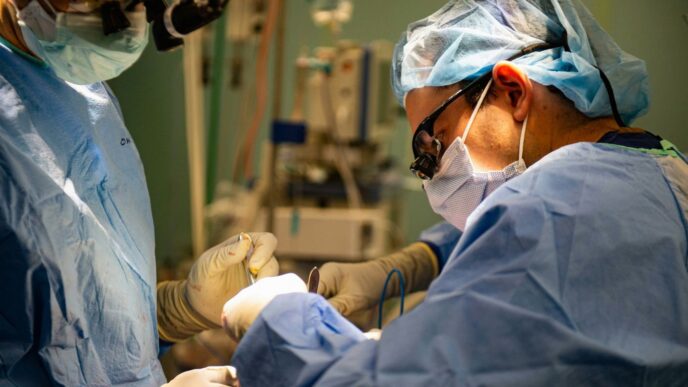
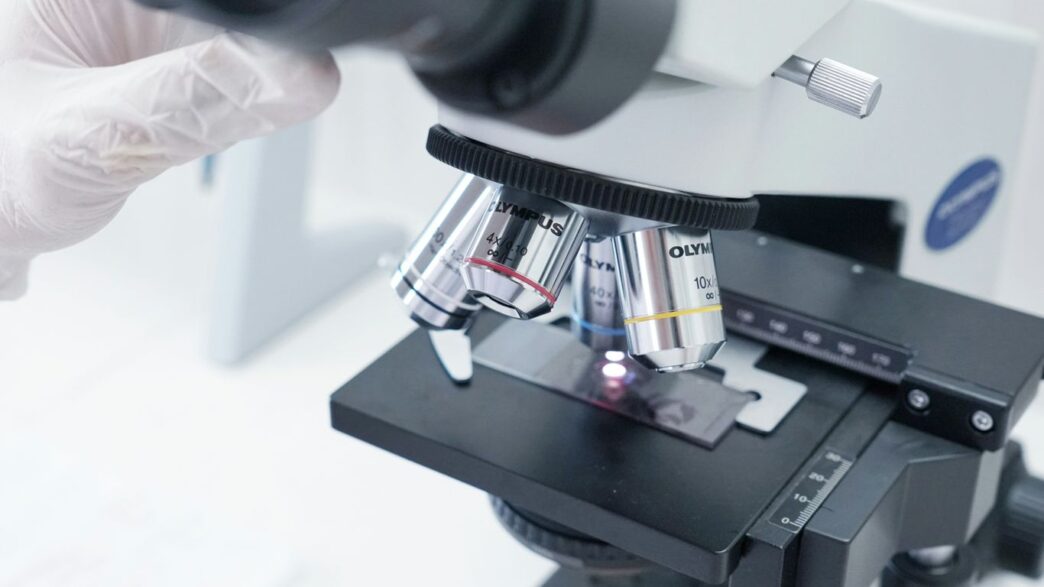
Biotech today is moving at lightning speed, seriously. It feels like every week there’s something new that changes how we think about health, farming, or even the environment. We’re seeing computers get smarter and help find medicines faster, and scientists are getting really good at tweaking genes to fix problems. It’s not just about new drugs anymore; it’s about totally new ways of making things and understanding our bodies. Let’s check out what’s happening right now in the world of biotech.
Key Takeaways
- AI is speeding up how we find new medicines, making the whole process quicker and cheaper.
- Gene editing tools like CRISPR are starting to be used to fix genetic diseases, offering real hope for patients.
- We’re engineering living things, like bacteria or plants, for all sorts of uses, from making medicine to helping the environment.
- New technologies like biosensors and 3D bioprinting are changing how we monitor health and create tissues for research or even transplants.
- Biotech is stepping up to tackle big global issues, like climate change and making agriculture more sustainable.
Revolutionary Advancements in Biotech Today
Biotechnology is really changing things, and fast. It feels like every week there’s something new that could help us live better or tackle big problems. We’re seeing some seriously cool stuff happening right now that’s setting the stage for what’s next.
AI-Powered Drug Discovery Accelerates Therapeutic Identification
Figuring out new medicines used to take ages and cost a fortune. Now, artificial intelligence is stepping in to speed things up. AI can sift through massive amounts of data way faster than any human team, spotting patterns that might lead to a new drug. It helps predict if a potential medicine will work and can cut down on the time and money spent in the early stages. This means we could see treatments for tough diseases like cancer or Alzheimer’s much sooner.
CRISPR-Based Therapies Target Genetic Diseases
CRISPR, that gene-editing tool, is still a big deal. It’s not just about understanding genes anymore; it’s about fixing them. Scientists are developing therapies using CRISPR to directly address genetic disorders. Think about conditions like sickle cell anemia or certain muscular dystrophies – these are now targets for gene therapy. Newer versions of CRISPR are even more precise, which could mean fewer unwanted changes and a wider range of diseases we can potentially treat.
Synthetic Biology Engineering Organisms for Diverse Applications
Synthetic biology is like giving nature a toolkit to build new things. We’re talking about engineering living organisms to do specific jobs. In farming, this could mean creating crops that can handle tougher weather or resist pests better. In medicine, scientists are designing bacteria to deliver drugs right where they’re needed in the body, like directly to a tumor. It’s a way to program life for practical purposes.
The ability to precisely edit genes and engineer organisms opens up possibilities that were once science fiction. This field is moving quickly, with new applications emerging regularly that could impact everything from our food supply to how we treat diseases.
The Evolving Landscape of Biotech Innovation
mRNA Technology Expansion Beyond Vaccines
Remember when mRNA technology was mostly just about COVID-19 vaccines? Well, that was just the beginning. Scientists are now figuring out how to use this amazing tool for all sorts of other health issues. Think cancer treatments, rare genetic disorders, and even autoimmune diseases. It’s like they found a new way to give our bodies instructions to fight off problems, and they’re exploring every possibility.
- Personalized Cancer Vaccines: Tailoring mRNA to target specific mutations in a patient’s tumor. This could make treatments much more effective.
- Gene Therapy Applications: Using mRNA to deliver instructions for making missing or faulty proteins, which is a big deal for genetic conditions.
- Infectious Disease Prevention: Developing vaccines for diseases beyond the usual suspects, like the flu or HIV.
This technology is really changing how we think about treating diseases, moving towards more targeted and individualized approaches.
Biomanufacturing Efficiency and Sustainability
Making biotech products, especially complex medicines, used to be a really slow and expensive process. But things are changing fast. Companies are finding smarter ways to produce these vital treatments, making them more available and, importantly, doing it in a way that’s kinder to the planet. This means using less energy, creating less waste, and finding more sustainable sources for materials.
The push for greener biomanufacturing isn’t just about environmental responsibility; it’s becoming a competitive advantage. Companies that can produce therapies more efficiently and sustainably are better positioned to meet growing global demand and navigate an increasingly resource-conscious market.
Organoids and Lab-Grown Tissues for Research and Transplantation
Imagine growing tiny, working versions of organs in a lab. That’s what organoids are! These little models are fantastic for studying diseases and testing new drugs without needing to use animals. They give scientists a much clearer picture of how things work. And the really exciting part? We’re getting closer to growing actual tissues, and maybe even whole organs, that could one day be used for transplants. This could solve the huge shortage of donor organs and save countless lives.
- Disease Modeling: Studying how diseases develop and progress in a controlled, human-like environment.
- Drug Screening: Testing the safety and effectiveness of new medications on realistic tissue models.
- Regenerative Medicine: Developing new ways to repair or replace damaged tissues in the body.
Biotech’s Role in Addressing Global Challenges
Microbiome Research Uncovers Health and Disease Links
It turns out we’re not just human; we’re ecosystems. Our bodies are home to trillions of microbes, collectively known as the microbiome, and scientists are finding out just how much they influence our health. Think of it like a bustling city inside you, where different communities of bacteria, fungi, and viruses play vital roles. Researchers are increasingly linking the state of this internal ecosystem to everything from our digestion and immune system to even our mood and mental well-being. It’s a whole new way of looking at health, moving beyond just treating symptoms to understanding the root causes that might be hidden in our gut. This has opened the door for new kinds of treatments, like probiotics and other microbiome-based therapies, which aim to rebalance this internal world for better health outcomes. It’s pretty wild to think that something so small can have such a big impact.
Biotechnology Solutions for Climate Change Mitigation
When we talk about climate change, it can feel overwhelming, right? But biotech is stepping up with some clever ideas. One area is looking at ways to capture carbon dioxide, that pesky greenhouse gas. Some research involves engineering algae, those tiny aquatic organisms, to be super-efficient at soaking up CO2 from the atmosphere. Imagine vast farms of these algae, acting like natural sponges for carbon. Then there’s the agricultural side. Traditional farming can have a significant environmental footprint, but biotech is developing things like bio-based fertilizers. These aim to provide plants with the nutrients they need without the harsh chemicals and pollution associated with conventional methods. It’s about finding smarter, greener ways to do things.
Sustainable Agriculture Through Bioengineered Crops
Farming is a big deal for feeding the world, but it also faces big challenges, especially with a changing climate. Biotechnology is offering some interesting solutions here. We’re seeing crops being developed that can better withstand tough conditions – think drought-resistant plants that can grow with less water, or crops that can handle salty soils. This is huge for regions struggling with water scarcity or land degradation. Beyond just survival, bioengineering is also looking at making crops more nutritious. This could mean developing staple foods that are richer in essential vitamins and minerals, helping to combat malnutrition in vulnerable populations. The goal is to grow more food, more reliably, and with less impact on the planet.
The intersection of biology and technology is providing novel approaches to tackle some of the most pressing global issues. From understanding the intricate workings of our own bodies to developing sustainable practices for the planet, biotech is proving to be a powerful tool for positive change.
Cutting-Edge Technologies Shaping Biotech Today
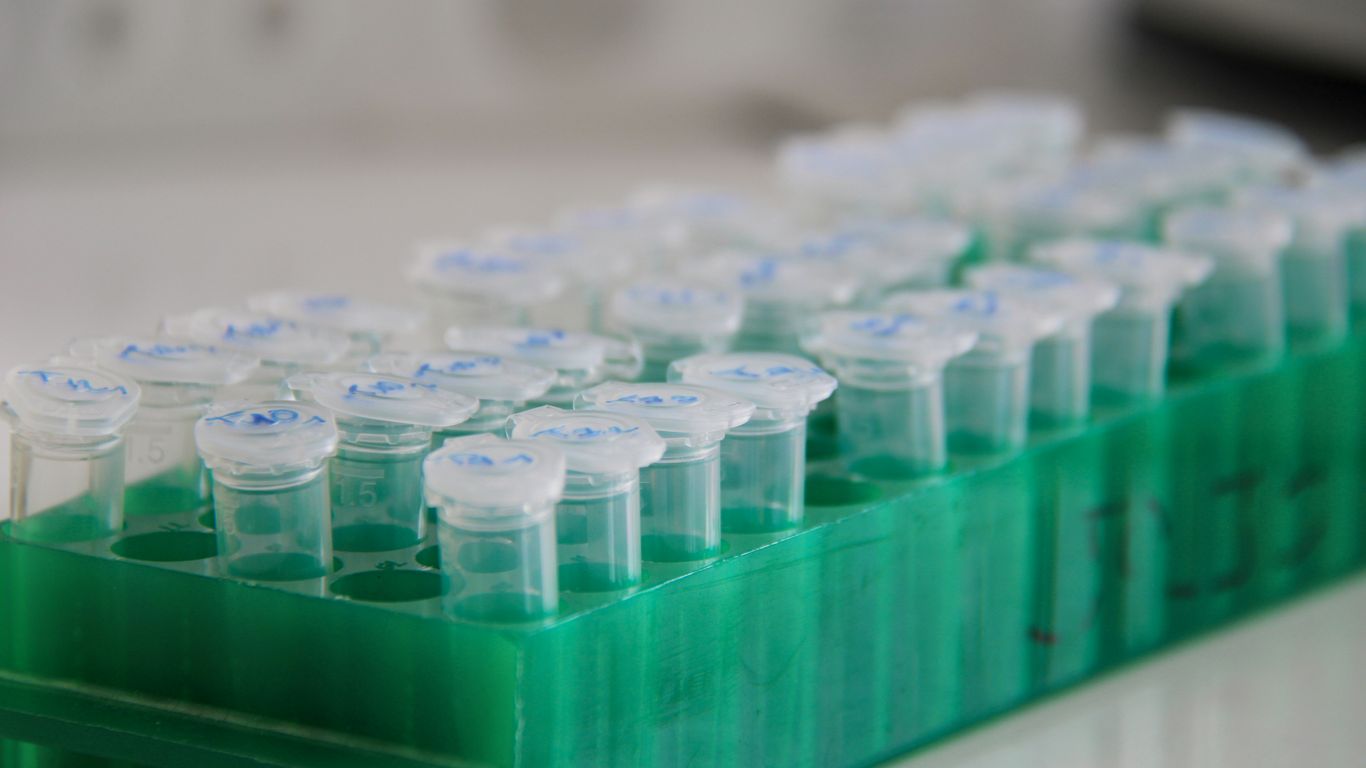
Biosensors Revolutionize Health Monitoring
We’re seeing some really neat tech emerge that lets us keep tabs on our health in ways we couldn’t before. Biosensors are a big part of this. Think of them as tiny detectors that can pick up on different signals from our bodies, like heart rate, breathing patterns, or even body temperature. They’re getting so good that they can alert doctors way before a patient might even feel sick. For example, there’s a special vest that monitors fluid levels in the lungs of people with heart failure. If things get serious, it sends an alert straight to the hospital. This kind of early warning system could really make a difference.
3-D Bioprinting Creates Tissues and Organs
Remember when 3-D printing first came out and seemed like magic? Well, now we’re taking that idea and using living cells to print actual human body parts. We’re talking about things like skin, cartilage, and even heart valves that can be used in medicine. The really exciting part is the potential to print entire organs, like hearts or livers, using a patient’s own cells. This could be a game-changer for transplants and also for medical research, giving scientists realistic samples to study.
Gene Editing for Hereditary Disease Treatment
Gene editing, especially with tools like CRISPR, is another area that’s moving fast. It used to be a huge deal just to map out the human genome, but now we’re getting much better at actually changing it. Companies are working on using gene editing to fix the root causes of inherited diseases. The goal is to correct faulty genes that lead to conditions like sickle cell anemia or muscular dystrophy. There’s even talk of using these techniques to screen for genetic problems before a baby is even born.
The rapid advancements in gene editing offer a new horizon for treating diseases that were once considered incurable. While the potential is immense, careful consideration of ethical implications remains a key part of this evolving field.
The Convergence of Technologies in Biotech
AI and Quantum Computing Drive Biotech Progress
It feels like every week there’s a new headline about artificial intelligence doing something amazing, and biotech is no exception. AI is really changing the game when it comes to figuring out new drugs and treatments. Instead of years of trial and error, AI can sift through massive amounts of data to spot patterns we’d never see. This speeds things up a lot. We’re also starting to hear about quantum computing, which sounds like science fiction, but it could be a huge deal for complex biological problems. Think about simulating how molecules interact – quantum computers might be able to do that way faster than anything we have now. It’s like giving researchers super-powered tools.
Virtual and Augmented Reality in Medical Applications
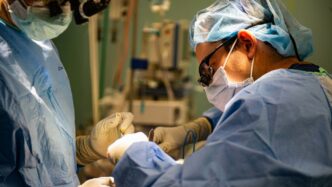
Remember when VR was just for games? Well, it’s showing up in medicine too. Surgeons can practice complex operations in a virtual space before they even touch a patient. This is a big deal for training and reducing mistakes. Augmented reality (AR) is also pretty neat. Imagine a surgeon looking at a patient and seeing a 3D model of their organs overlaid on their body through special glasses. It gives them a clearer picture of what’s going on inside. This tech is still growing, but it’s already making a difference in how we train medical professionals and even how some procedures are done.
Bioconvergence: Merging Biology, Engineering, and Computing
This is where things get really interesting. Bioconvergence is basically the idea of bringing together biology, engineering, and computer science. It’s not just one thing; it’s a whole new way of thinking. We’re seeing it in action with things like "organ-on-a-chip" technology, which uses tiny engineered systems to mimic how human organs work. This helps us test drugs and understand diseases better without needing as many animal tests. It also means we can create new materials, design better ways to capture carbon from the air, and even grow food in labs. It’s a mashup of different fields creating totally new possibilities.
The way biology, engineering, and computing are coming together is creating entirely new ways to solve problems. It’s not just about making things faster; it’s about making entirely new things possible that we couldn’t even imagine a few years ago. This merging of disciplines is what’s really pushing the boundaries in biotech right now.
Here’s a quick look at how these fields are combining:
- Drug Discovery: AI analyzes data to find potential drug candidates.
- Medical Training: VR/AR allows for realistic surgical simulations.
- Disease Modeling: Organ-on-a-chip systems use engineering and biology to mimic human organs.
- Materials Science: Biological processes are engineered to create sustainable materials.
Manufacturing and Accessibility in Modern Biotech
Centralized and Decentralized Manufacturing Models
The way we make biotech medicines is changing, and it’s a big deal for getting treatments to people. For a long time, most drugs, especially the common ones, were made in huge, centralized factories. Think of it like a big assembly line for pills or standard injections. This works well when you need tons of the same thing, like for popular medications that lots of people use. We’ve seen this really ramp up with drugs for things like diabetes, where demand is just massive. Companies are investing billions just to keep up with making enough of these.
But then there’s a whole other side to this. For newer, more specialized treatments, like those made from a patient’s own cells or very custom medicines, making them in a giant factory doesn’t make sense. That’s where decentralized manufacturing comes in. This means setting up smaller production sites, sometimes even close to where patients get treated. It’s all about being able to make smaller batches, quickly and efficiently, when and where they’re needed. This flexibility is key for things like gene therapies or personalized cancer treatments.
- Centralized Manufacturing: Best for high-volume, standard drugs. Think large-scale production lines.
- Decentralized Manufacturing: Ideal for personalized or rapid-response therapies. Smaller, more flexible sites.
- Modular Facilities: These are like building blocks that can be added or moved to adjust production capacity.
- Point-of-Care Production: The idea of making treatments right at the hospital or clinic.
The push for different manufacturing approaches isn’t just about making more drugs; it’s about making the right drugs, accessible to the right people, at the right time. This shift is directly tied to the complexity and personalization of modern biotech.
The Shift Towards Allogeneic Therapies
Another big change is the move towards "allogeneic" therapies. Before, many advanced treatments, especially cell therapies, were "autologous." That means they were made specifically from a patient’s own cells. This is great because it’s a perfect match, but it’s also incredibly slow and expensive. You have to collect cells, process them, and then give them back to the same patient. It’s like a custom suit made just for one person.
Allogeneic therapies, on the other hand, are "off-the-shelf." They are made from healthy donor cells and can be used for many different patients. This is a game-changer for accessibility. Imagine being able to get a life-saving treatment without the months-long wait for it to be custom-made. This approach dramatically speeds up treatment delivery and can lower costs because you’re not doing a unique process for every single person. It’s more like buying a suit off the rack that fits many people well.
Small Batch Production for Specialized Treatments
When we talk about specialized treatments, we’re often talking about therapies that target very specific conditions or even individual patients. These aren’t drugs that millions will take. Instead, they might be for a rare genetic disorder or a particular type of cancer. Making these in massive quantities would be wasteful and impractical.
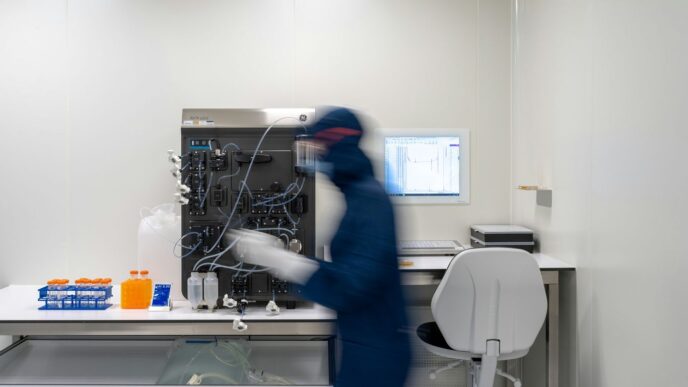
This is where small batch production shines. It’s about having the technology and processes in place to create these highly specific treatments in smaller, controlled runs. This could involve advanced bioreactors that can be easily reconfigured or sophisticated quality control systems that can handle varied product lines. It allows biotech companies to develop and offer these niche therapies without the huge upfront investment and risk associated with traditional mass production. It means that even rare conditions can potentially have effective treatments developed for them, making biotech more inclusive.
Looking Ahead
So, what does all this mean for the future? It’s pretty clear that biotech isn’t just about fancy labs and complicated science anymore. We’re seeing real-world applications popping up everywhere, from helping us understand our own bodies better with things like microbiome research, to tackling big problems like climate change. Technologies like AI and gene editing are moving super fast, and while that’s exciting, it also means we’ll need to keep talking about the ethical side of things. It feels like we’re on the edge of some major changes, and it’ll be interesting to see how these innovations continue to shape our lives and the world around us.