So, Block, you know, the company that used to be Square, bought Afterpay. It was a huge deal, like $29 billion. Now they’re really pushing this idea of a ‘super app,’ which is basically one place for everything digital. They’ve already started putting Afterpay’s ‘buy now, pay later’ stuff into their own seller products. It feels like a big move to get more people using their services, both shoppers and businesses. The whole digital payment world is changing fast, and this block afterpay acquisition is a major part of that story.
Key Takeaways
- Block’s purchase of Afterpay is a big step towards creating a single digital hub for users, often called a ‘super app’.
- Merchants using Block’s services can now offer ‘buy now, pay later’ options, which could help them sell more.
- Cash App is becoming more central, letting users manage installment payments and other financial tasks all in one place.
- The combination of Block and Afterpay aims to connect their existing customer groups, potentially lowering costs for acquiring new users.
- This move puts Block in a more competitive spot against other big payment companies and signals more changes in the buy now, pay later market.
Block Acquires Afterpay, Igniting Super App Ambitions
Strategic Integration of Buy Now, Pay Later
Block’s $29 billion purchase of Afterpay marks a big step toward creating a digital finance hub for everyday users. Adding Buy Now, Pay Later (BNPL) right into Block’s platform means both sellers and buyers get new ways to manage purchases and payments. Instead of treating credit as something separate, BNPL becomes just another checkout choice, no different from paying with a debit card or cash.
Here’s what the integration brings to the table:
- Block’s entire merchant network can now instantly offer Afterpay at checkout.
- Millions of people who already use Block’s Cash App are exposed to BNPL for the first time.
- Afterpay’s users can get access to the rest of Block’s features, rolling more financial activity under one roof.
This move fits into the trend of BNPL firms embedding themselves in larger financial ecosystems, as seen with other partnerships like BNPL fintech joining super apps.
Bridging Consumer and Merchant Ecosystems
Block has always tried to build bridges between buyers and sellers — first with simple card readers, then through Cash App. With Afterpay, Block ties its consumer-facing tech directly to its merchant services. This is not just about payments:
- Sellers gain access to a wider pool of shoppers ready to buy.
- Consumers get more flexible buying options, removing barriers for bigger purchases.
- Block gathers more data about spending habits across both groups, sharpening its product strategy.
Consider this quick breakdown:
| Ecosystem | Approximate U.S. Users |
|---|---|
| Cash App | 70 million |
| Afterpay | 8 million |
Now, there’s far more overlap, making the whole system stickier for everyone involved.
Accelerating Block’s Super App Vision
The real prize for Block is to become a sort of super app, a central digital doorway for how people spend, save, and send money. With this merger:
- Every Cash App user can now use Afterpay without jumping between apps.
- Merchants get better reasons to stick with Block — it’s not just about payments anymore, it’s about fueling more sales.
- Block stands out against companies like PayPal, which are racing to bundle as many services as possible into one place.
Block’s super app ambitions mean that a single platform could handle payments, loans, shopping, investing, and even crypto — all under one login. As interest in these kinds of all-in-one apps grows in the U.S., Block isn’t just following the trend — it’s trying to set the pace.
Afterpay Integration Enhances Block’s Merchant Services
New BNPL Product for Sellers
So, Block went and bought Afterpay, right? And one of the first things they did was roll out a new "buy now, pay later" option for all the businesses that use their Square services. This isn’t just some small tweak; it’s a pretty big deal for merchants. Basically, if you’re a seller using Square, you can now let your customers pay in installments directly at the checkout. This move is all about giving sellers more tools to make sales happen. It’s like adding a helpful assistant right there at the cash register, making it easier for people to buy things they might otherwise put off.
Driving Point-of-Sale Conversions
Think about it: someone’s looking at an item, maybe it’s a bit pricey, and they’re on the fence. If you can offer them a way to split the cost into smaller, manageable payments, they’re much more likely to go ahead and buy it. That’s exactly what this new Afterpay feature does. It helps turn those hesitant shoppers into actual buyers. We’re talking about a real boost to sales, especially for those bigger ticket items. It’s a smart way to keep customers from walking away.
Expanding Merchant Value Proposition
Before this, Square was already pretty good at helping businesses with payments, managing their sales, and even things like payroll. But adding Afterpay really rounds out their package. Now, businesses aren’t just getting a payment processor; they’re getting a way to offer flexible payment options that customers actually want. This makes Block, through its Square brand, a more complete partner for businesses of all sizes. It’s not just about processing transactions anymore; it’s about helping merchants grow their business by meeting customer needs head-on.
Cash App Evolves into a Digital Gateway
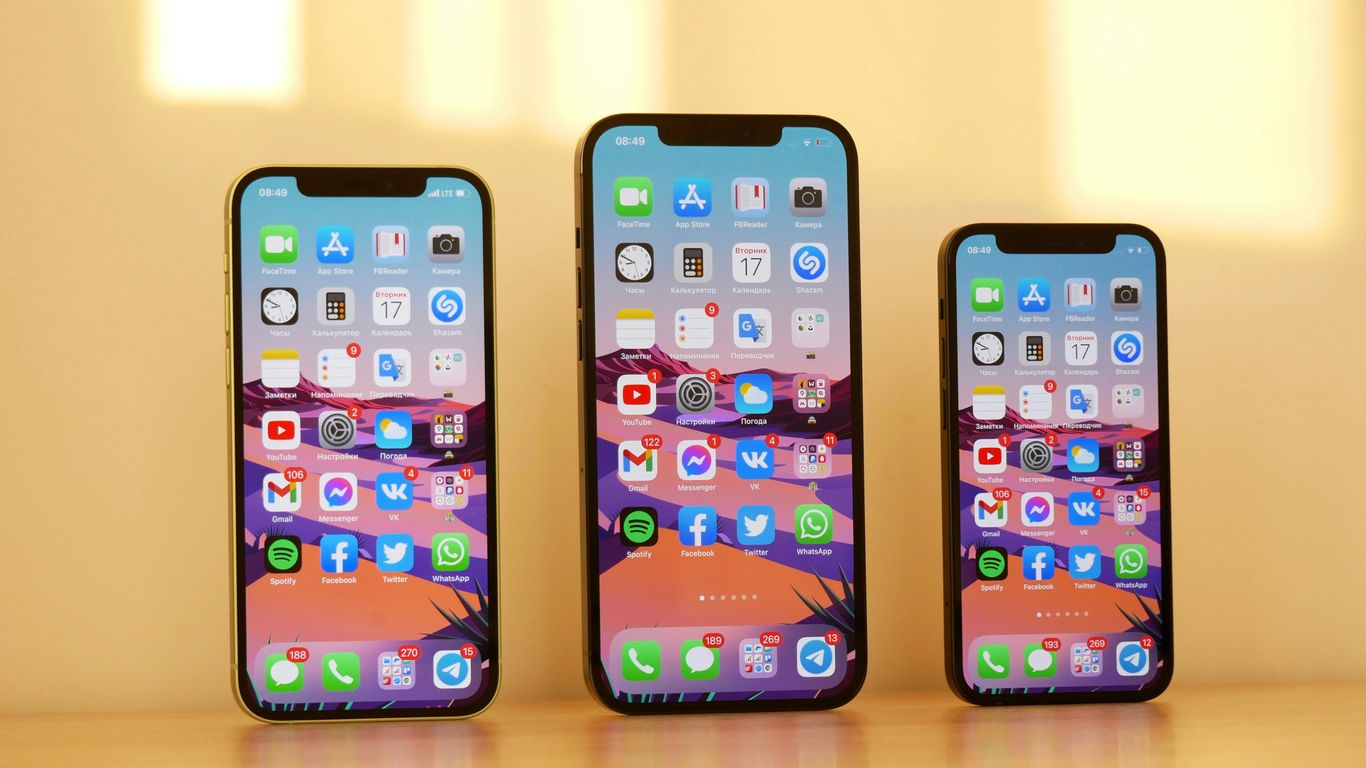
Think of Cash App not just as a way to send money to friends anymore. It’s really becoming the main door for a whole bunch of financial stuff. Block is pushing hard for this ‘super app’ idea, and Cash App is the key. You can already do a lot in there: pay people, buy stocks, get into crypto, and now, thanks to Afterpay, you can even manage payments you want to spread out over time. It’s like having your own personal finance hub right in your pocket.
Consolidating Financial Activities
Before, you might have had a bunch of different apps for different things. Maybe one for banking, another for investing, and yet another for paying bills. Cash App is changing that. It’s bringing all these different financial activities under one roof. This makes managing your money way simpler. You don’t have to jump between apps anymore.
- Direct Deposit: Get your paycheck straight into Cash App.
- Investing: Buy stocks and Bitcoin without leaving the app.
- Payments: Send and receive money instantly.
- BNPL Management: Keep track of your Afterpay purchases and payments.
Seamless Installment Payment Management
This is where Afterpay really shines within the Cash App. If you’ve bought something using Afterpay, you can now see and manage those installment payments right inside Cash App. No more separate logins or trying to remember due dates. It’s all there, making it easier to stay on top of your payments and avoid late fees. This integration makes buying things on credit feel much more organized.
Cross-Selling Opportunities within the Ecosystem
When you have all these services in one place, it opens up cool opportunities. For example, if you’re managing your Afterpay payments, Cash App might show you other ways to save money or invest. Or, if you’re buying stocks, it could remind you about a new feature for managing your budget. Block can now connect its different services in smart ways, benefiting both the user and the company by keeping people engaged within their ecosystem.
The Dual Ecosystem Advantage for Block and Afterpay
So, Block buying Afterpay? It’s not just about adding another payment option. It’s about creating this really neat, connected system where both sides – the shoppers and the businesses – get something extra. Think of it like this: Block already has its Square side for businesses and the Cash App side for people. Now, Afterpay fits right in the middle, making things smoother for everyone.
Leveraging Existing User Bases
This is where things get interesting. Block has this huge group of people using Cash App, like 70 million active users. Suddenly, all those people can now use Afterpay’s buy now, pay later service. That’s a massive built-in audience for Afterpay, right? And on the flip side, Afterpay has its own crowd, about 8 million customers in the US. For Block, getting those 8 million people to try out Cash App is way easier now. They don’t have to spend a ton of money trying to find new customers because they’re already there, just on a different platform. It’s like finding a shortcut to more users for both sides.
Reducing Customer Acquisition Costs
Because you’re not starting from scratch to get new users, the cost to bring them into your system drops a lot. When Block can offer Afterpay to its Cash App users, or get Afterpay users onto Cash App, they’re not paying big marketing bills for each new person. It’s a much more efficient way to grow. This means Block can spend its money on making the products better instead of just trying to get people to sign up.
Creating a Connected Commerce Experience
What Block is really building here is a way for shopping and paying to feel like one continuous thing. Imagine you’re shopping online, and you see a great deal. You can use Afterpay to pay for it in installments, and manage all that right within your Cash App. Then, maybe you use your Cash App card to buy something else later. It all ties together. This makes it easier for shoppers because they don’t have to jump between different apps or services. For businesses using Square, it means more people might buy things because the payment is flexible, and those sales can be tracked more easily within the Block system. It’s about making the whole process of buying and selling feel less like a chore and more like a natural flow.
Competitive Landscape in Digital Payments
Digital payments aren’t what they used to be—today there’s a real fight to win both sides of the checkout counter.
Block’s Position Against PayPal
Block and PayPal are neck and neck in the super app race. Both firms are building everything-under-one-digital-roof for consumers and merchants. Block made its big move by bringing Afterpay into its world and launching BNPL features for merchants in big markets like the US and Australia (faster payments service sector). PayPal isn’t far behind; its own super app has rolled out payments, savings, and loyalty perks to hook users. Here’s how they stack up:
| Company | Main Consumer App | BNPL Solution | Merchant Hardware | Recent Focus |
|---|---|---|---|---|
| Block | Cash App | Afterpay | Square POS | AI-driven cost structure |
| PayPal | PayPal App | PayPal BNPL | Zettle | Loyalty & savings |
The Rise of Super App Competitors
It’s not just Block and PayPal racing for the top spot. Legacy banks are struggling to keep users, while new players take swings at the market. Here’s what’s making waves now:
- Challenger banks and startups roll out finance, shopping, and even crypto in one app
- Traditional banks lose ground as users want faster, more flexible options
- New product launches—like Cash App’s ability to handle everything from stocks to direct deposits—set expectations higher every year
BNPL Market Dynamics
Buy now, pay later took off faster than anyone could predict. Nearly 20% of US adults rolled with a BNPL option in the last year, and about 70% say they’ll use it again. Afterpay, Affirm, Klarna, and PayPal are the leading names, but Block’s acquisition of Afterpay puts it squarely in the mix. A few BNPL shifts to watch:
- Merchant value goes way up if they can offer point-of-sale installments
- Customer loyalty is tightening, since BNPL experiences are often tied to digital wallets
- Market growth is steady, but so is regulatory attention—credit risk and user data are hot topics
For Block, the two-ecosystem model (Cash App + Square/Afterpay) is a rare win in a field where rivals tend to pick just one side. But, as everyone moves toward super apps, the competition isn’t going to slow down.
Future Growth and Monetization of Afterpay
Unlocking Untapped Gross Merchandise Volume
So, Block bought Afterpay, right? Now, the big question is how they plan to make even more money from it. One major area is something called Gross Merchandise Volume, or GMV. Think of GMV as the total value of all the stuff people buy using Afterpay. Block figures they can get a lot more people to use Afterpay for their purchases, especially by putting it right in front of Cash App users. It’s like having a whole new set of shoppers ready to go. The idea is to turn those existing Afterpay users into frequent buyers within the Block ecosystem and get Cash App users to try Afterpay for bigger purchases. They’re aiming to make it super easy to use, so more transactions just happen.
International Expansion Opportunities
Block isn’t just thinking about the US market. Afterpay already has a presence in a few other countries, like Australia and the UK. Block sees this as a chance to really push Afterpay into new places where it’s not as well-known yet. They can use their existing setup in those regions to help Afterpay grow. It’s not just about adding more users; it’s about making Afterpay a go-to payment option everywhere Block operates. They’re looking at places where people are starting to get into buy now, pay later, and want to be the first one there.
Synergies within the Block Ecosystem
This is where it all ties together. Block is building this big network, kind of like a digital town square, with Cash App for people and Square for businesses. Afterpay is the bridge connecting them. By having Afterpay, Block can offer businesses a way to get more sales because customers can pay over time. At the same time, Cash App users get another payment option. It’s all about making the whole system work better for everyone. Think about it:
- More ways to pay: Afterpay adds a flexible payment choice for consumers.
- More customers for sellers: Businesses can attract shoppers who prefer installment payments.
- Data sharing: Block can learn more about buying habits across its different apps, which helps them offer better services and ads.
- Reduced costs: Instead of spending a ton on finding new customers, Block can just point users from one app to another. It’s a much cheaper way to grow.
What’s Next?
So, Block buying Afterpay really shakes things up in the world of digital payments. It’s not just about offering another way to pay anymore; it’s about building a whole connected experience for people. Think of it like trying to get everything you need done online, all from one spot. With Block now having Afterpay’s buy now, pay later service, they’re making a big move towards that goal. We’re seeing a lot of people already using these payment options, and it looks like that’s only going to grow. It’ll be interesting to watch how this plays out, especially with other big players like PayPal also pushing for their own versions of this all-in-one digital hub. This acquisition definitely feels like a sign of bigger changes to come in how we handle our money online.
Frequently Asked Questions
What is Block and why did it buy Afterpay?
Block, which used to be called Square, is a company that helps people and businesses send and receive money. Block bought Afterpay to add ‘buy now, pay later’ (BNPL) services to its products. This means shoppers can buy things now and pay for them later, which makes shopping easier and helps Block become a bigger player in digital payments.
How does Afterpay work with Block’s other products?
Afterpay is now part of Block’s system, so sellers who use Block can let customers pay in smaller amounts over time. This helps businesses get more sales and gives customers more choices when they check out. It also connects people who use Cash App with stores that use Square, making it easier for everyone to use Block’s services.
What is a super app and how is Block trying to make one?
A super app is an app that lets you do lots of things in one place, like pay for stuff, send money, shop, and even buy stocks or Bitcoin. Block wants its Cash App to become a super app, so people can handle all their money needs in one spot. By adding Afterpay, Block gives users even more ways to shop and pay.
How does Block’s Cash App benefit from the Afterpay deal?
Cash App users can now use Afterpay’s BNPL service to split their payments into smaller parts. This makes it easier to buy things without paying everything at once. Plus, Cash App can now offer more services to its users, which keeps people coming back to use the app for all their money needs.
Who are Block’s main competitors in digital payments?
Block competes with companies like PayPal, Affirm, Klarna, and Zip. These companies also let people pay for things online and sometimes offer BNPL services. Block stands out because it connects both shoppers and sellers, while some other companies only focus on one group.
What are the future plans for Block and Afterpay?
Block plans to keep growing by making Afterpay available in more countries and adding new features. They also want to use technology like artificial intelligence to make their services better and cheaper to run. By bringing everything together, Block hopes to make shopping and paying easier for everyone.