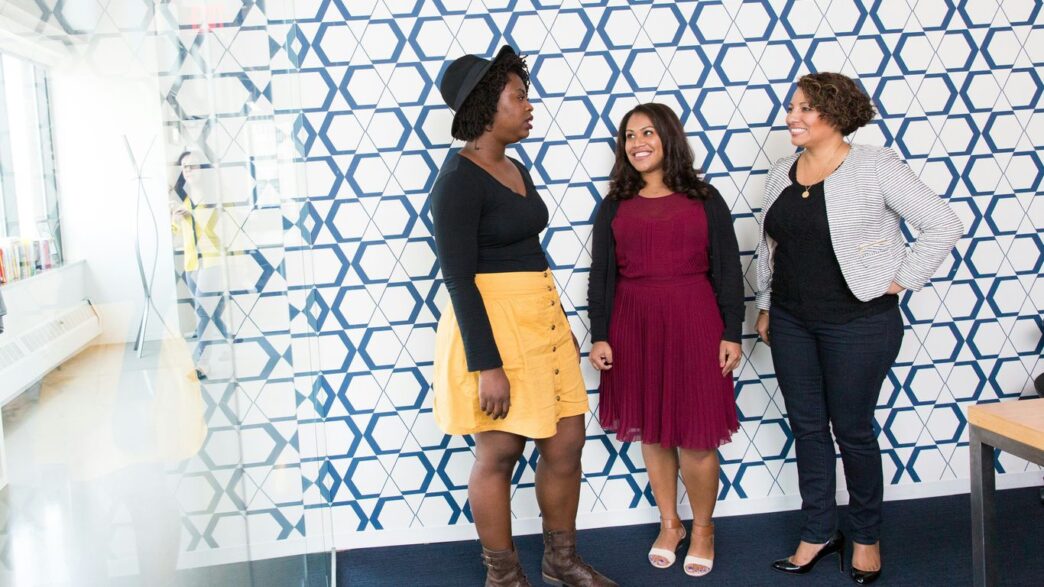
It’s pretty wild how much things are changing in the tech world, right? For a long time, it felt like the same old faces were calling the shots, especially when it came to who got funding. But lately, there’s been a real shift, with more women stepping up and making waves in venture capital. This isn’t just about fairness; it’s about recognizing talent and building a stronger industry for everyone. Let’s look at how women venture capitalists are breaking down doors and what it means for the future.
Key Takeaways
- Women venture capitalists face unique hurdles, including outdated stereotypes and limited access to established networks, which can impact funding decisions.
- Pioneering women in venture capital are paving the way, sharing their success stories, and building more inclusive systems for future generations.
- The current AI boom presents new opportunities for women founders and venture capitalists, but it also carries the risk of embedding existing biases into future technology if women are not involved in shaping it.
- Support systems like networks, accelerators, and specific funding initiatives are vital for empowering women entrepreneurs and helping them overcome barriers.
- Policy changes, increased data transparency, and a growing recognition of the economic benefits of diversity are helping to shift the landscape towards more equitable investment practices for venture capitalists women.
Navigating Bias: Challenges for Women Venture Capitalists
It’s tough out there for women trying to get funding, and honestly, it’s been this way for a while. Even with all the talk about change, the numbers haven’t moved much. Last year, women founders only snagged about 2% of all venture capital money. That’s pretty wild when you think about it.
The Lingering Shadow of Gender Stereotypes
So, what’s the deal? A lot of it comes down to old-school thinking. Investors, historically, tend to back people who remind them of themselves. This often means men investing in other men, especially those from similar backgrounds or schools. It’s like a club, and it’s hard for women to get an invitation.
- Women are often described differently: Think ‘cautious’ or ’emotional’ instead of ‘ambitious’ or ‘driven’.
- Questions get personal: Female founders frequently get asked more about their family or personal commitments compared to their male counterparts.
- Doubt about skills: There’s a tendency to question women’s technical abilities and leadership potential more often.
Unequal Access to Networks and Mentorship
Getting a foot in the door often relies on who you know. Men have traditionally had access to established networks, like those from elite universities or old boys’ clubs. For women, especially immigrant women, these informal channels are often closed off. They might not have mentors who can introduce them to the right people or explain how the whole VC game works. It’s not about capability; it’s about who you can reach.
Bias in Pitch Meetings and Funding Decisions
This is where things can get really frustrating. During pitch meetings, women get interrupted way more often. They also face more skepticism about their ideas and plans. Sometimes, the bias is pretty blatant. One founder was even told directly that if she had a white male CEO, she’d get the check. It’s not just about the money; it’s about being seen and heard fairly. This unequal access means women miss out on not just capital, but also ownership and the chance to shape future technologies.
Pioneering Women in Venture Capital
Trailblazers Inspiring Future Generations
It wasn’t always easy for women to break into the venture capital world. For a long time, the industry was pretty much a boys’ club, and getting funding often meant knowing the right people, who were usually men. Many women founders found themselves having to explain their background and their business idea from scratch, which is a tough way to start. But things are changing, and we’re seeing more women not just getting funding, but also becoming the ones who give the funding.
Think about it: historically, investors tended to back people who reminded them of themselves. This meant men often invested in other men, especially those from similar educational backgrounds. Women, on the other hand, were often left out of these informal networks. It’s like trying to get into a party without an invitation – you’re just not on the list.
Success Stories in Tech and Beyond
We’re starting to see some really impressive women making waves. These aren’t just small wins; we’re talking about companies that are growing fast and making a real impact. For example, there are women leading biotech firms and creating AI tools that are getting serious attention and funding. It’s not just about getting a check; it’s about having a seat at the table and shaping what comes next.
Here are a few examples of women who have built significant companies:
- Kiran Mazumdar-Shaw: She built Biocon, a major biotechnology company, from the ground up in India.
- Falguni Nayar: She founded Nykaa, a beauty and personal care company that became a unicorn, showing that success can come from unexpected places.
- Assel Tuleubayeva and Aizada Marat: These women co-founded Alma, a legal AI tool that has successfully raised significant funding, proving the power of tech innovation led by women.
These stories are important because they show what’s possible. They prove that capability isn’t tied to gender, and that diverse leadership can lead to great outcomes.
Foundations for a More Inclusive Ecosystem
So, how do we get more of these success stories? It’s about building better support systems. Groups are popping up specifically to help women founders connect with mentors and investors. They’re creating accelerators and programs designed to give women the leg up they might not get through traditional channels. The goal is to make sure that talent, not just connections, determines who gets funded.
It’s also about changing the way investors think. When women founders get asked more questions about risk and less about their vision, it shows a bias. We need investors to see the potential and not get stuck on outdated stereotypes. By highlighting successful women and creating pathways for others, we’re laying the groundwork for a venture capital landscape that truly reflects the diverse talent out there.
The AI Boom and Opportunities for Women

AI Startups: A New Frontier for Female Founders
The current surge in artificial intelligence is creating a whole new landscape for startups, and it’s a space where women are starting to make real inroads. Think about it: AI is touching everything from how we work to how we manage our health, and who better to build these future tools than a diverse group of people? We’re seeing more women stepping up to lead AI companies, which is fantastic. It’s a chance to build things from the ground up, and hopefully, do it more equitably this time around.
The Risk of Hard-Coding Bias into Future Tech
But here’s the tricky part. If the people building AI aren’t diverse, we risk baking today’s biases right into the technology that will shape our future. Imagine AI systems that unintentionally favor certain groups or make decisions based on flawed data. It’s a real concern. When women are excluded from this wave of innovation, they miss out not just on funding, but on the chance to influence the very infrastructure of tomorrow. This means technologies that will run our work, healthcare, and finances could be built without a full spectrum of perspectives.
Ensuring Women Shape Tomorrow’s Infrastructure
So, what can we do? For starters, we need to make sure women have a seat at the table. This means:
- Better access to networks: Many women, especially immigrant founders, don’t have the same informal connections that can lead to introductions and funding. Groups and accelerators specifically for women can help bridge this gap.
- Challenging stereotypes in pitch meetings: Women often face more questions about risk and personal commitments, and are interrupted more often. Investors need to be aware of this and actively work against it.
- More women in venture capital: When VC firms have more women partners, they’re more likely to invest in women-led startups. It’s about seeing people who understand and relate to the founders.
Recent successes, like women-led biotech and legal AI companies raising significant funds, show it’s possible. But we need more of these stories and more intentional efforts to support women founders in this rapidly evolving AI space.
Building Bridges: Support Systems for Women Entrepreneurs
It’s tough out there for anyone trying to get a business off the ground, but for women, there have historically been extra hurdles. Think about it: limited access to money, fewer connections, and sometimes, just plain old doubt from others. But things are changing, and a big part of that is the rise of support systems designed specifically to help women entrepreneurs succeed.
The Role of Networks and Accelerators
These programs are like a secret weapon. They’re not just about giving you a place to work; they’re about connecting you with people who get it. You meet other women founders, share war stories, and learn from each other’s wins and losses. Accelerators often provide a bit of seed money, mentorship from experienced folks, and a structured plan to get your business moving faster. It’s a way to skip some of the early stumbles and get straight to growing.
Funding Initiatives for Women-Led Ventures
This is a big one. For years, women struggled to get loans or investment. Now, there are funds popping up that are specifically looking to back women-owned businesses. Some are run by venture capitalists who see the untapped potential, while others are government-backed or non-profit initiatives. It’s about making sure good ideas don’t get passed over just because the founder is a woman.
Here’s a look at how some funding has been directed:
| Funding Source | Focus Area |
|---|---|
| Women’s Entrepreneurship Fund | General business growth and expansion |
| Female Founders Fund | Early-stage tech startups |
| Angel Investor Networks | Seed funding and mentorship |
| Government Grants | Specific industries or social impact |
Educational Resources and Skill Development
Knowing your stuff is half the battle. There’s a lot more available now for women who want to sharpen their business skills. Online courses, workshops, and even university programs are offering training in everything from financial planning to marketing. The goal is to equip women with the knowledge and confidence they need to not only start a business but to run it like a pro. This includes learning how to pitch effectively, manage finances, and understand market trends. It’s about building a solid foundation so that when opportunities arise, women entrepreneurs are ready to seize them.
Shifting the Landscape: Policy and Progress
It’s pretty clear that things are starting to change, and a lot of that has to do with new rules and a better understanding of what works. For a long time, getting money for a startup, especially for women, felt like trying to climb a greased pole. Investors often stuck with what they knew, which usually meant backing people who looked and acted like them – mostly men. This created a cycle where women founders had a harder time getting their foot in the door.
But now, we’re seeing some real movement. Take California, for instance. They’ve put in place a law that makes venture capital firms report information about the companies they invest in. This kind of transparency is a big deal. It puts a spotlight on who is getting funded and who isn’t, pushing firms to think more broadly.
Legislative Changes Driving Transparency
These new regulations are more than just paperwork. They’re designed to shake things up.
- Mandatory Reporting: Laws requiring firms to share data on their investments, including the demographics of founders, are becoming more common.
- Accountability Measures: Some policies are starting to tie reporting to potential incentives or penalties, encouraging firms to actively seek out diverse founders.
- Standardized Metrics: Efforts are underway to create clearer ways to measure diversity and inclusion within the venture capital world, making it easier to track progress.
The Growing Influence of Women-Owned Businesses
It’s not just about policy from the top down; women are building businesses that are hard to ignore. When women-led companies start showing strong results, it naturally draws attention and capital. Think about it: if a company is performing well, investors want to be a part of that success, regardless of who’s leading it. This track record is becoming a powerful argument for why diversity in funding is just good business.
Data-Driven Insights for Equitable Investment
We’re also getting smarter about how we invest. Instead of relying on gut feelings or old habits, there’s a growing push to use actual data. This means looking at which investment strategies actually lead to good returns, and whether those strategies are inclusive.
Here’s a look at how things are shaping up:
| Metric | Past Trend (Approx.) | Current Trend (Approx.) |
|---|---|---|
| Women Founders Receiving VC | < 5% | 7-10% |
| Female Partners in VC Firms | < 10% | 15-20% |
| Funding for Women-Led Startups | Low | Growing |
This shift towards data helps identify biases that might have been hidden before. By seeing the numbers, it becomes harder to ignore the patterns of who gets funded and who doesn’t. It’s about making sure that talent and good ideas get the support they deserve, no matter who they come from.
The Future of Venture Capital: Embracing Diversity

The venture capital world is slowly but surely changing. It’s not just about who you know anymore, though that still matters a lot. We’re seeing a real push towards making things more open, and honestly, it’s about time. The old ways, where investors mostly backed people who looked just like them, are starting to feel pretty outdated. This shift isn’t just about fairness; it’s about smart business. When you bring more diverse voices and ideas into the room, you get better outcomes. Think about it: if everyone in the room has the same background, they’re likely to have the same blind spots. That’s a missed opportunity for innovation.
Unlocking Potential Through Inclusive Funding
We’ve seen some pretty stark numbers that show how much money women-led companies are missing out on. Mixed-gender founding teams get a decent chunk of funding, but all-female teams often get left behind. Yet, studies show that companies founded by women actually bring in more money per dollar invested. It’s a bit baffling, right? Part of the problem is that women founders often face more questions about risk and potential losses compared to their male counterparts. They also get interrupted way more during pitches. It’s like they have to prove themselves twice as hard. We need to see more investment firms actively seeking out and supporting women-led startups, not just as a nice-to-have, but as a core strategy. This means looking beyond traditional networks and really digging into what makes a business strong, regardless of who’s at the helm. It’s about recognizing talent and potential wherever it exists. For example, groups like Sisters are working to build networks for founders from underrepresented regions, helping them connect with investors they might otherwise never meet.
The Economic Imperative of Gender Equality
Let’s be real, gender equality in venture capital isn’t just a social issue; it’s an economic one. When we exclude half the population from significant investment opportunities, we’re leaving a huge amount of potential on the table. This is especially true in fast-moving fields like AI. If women aren’t involved in shaping these new technologies, we risk building future systems that carry today’s biases. That’s a pretty scary thought. We need more women in decision-making roles within VC firms to help spot and fund innovative ideas from diverse founders. It’s not just about getting checks; it’s about having a say in how technology develops and impacts our lives. The data is pretty clear: diverse teams tend to perform better. So, why wouldn’t investors want to tap into that? It’s a matter of good business sense to embrace diversity.
Cultivating a New Generation of Venture Capitalists Women
So, how do we get there? It starts with creating more pathways for women to enter and succeed in venture capital. This means mentorship programs, better access to networks, and actively recruiting women into VC roles. We also need to see more educational resources that help aspiring female investors build their skills and confidence. Think about organizations like Girls Who Code and Black Girls CODE, which are inspiring young women to get into tech early on. We need similar initiatives focused on the investment side. It’s about building a pipeline of talent. We also need to push for more transparency in funding decisions. When firms have to report their diversity metrics, it can create a positive pressure to invest more equitably. Ultimately, the goal is to create an ecosystem where talent and great ideas are the primary drivers of investment, not gender or background. It’s about building a future where everyone has a fair shot at getting their ideas funded and making a real impact.
Looking Ahead
So, what does all this mean for the future? It’s pretty clear that women are making serious waves in venture capital and tech. We’ve seen how far things have come, with more women leading startups and getting the funding they need. But let’s be real, there are still hurdles to jump. The goal is to get to a point where talent is the only thing that matters, not who you are or where you come from. Seeing more women in VC means more diverse ideas get a shot, and that’s good for everyone. It’s not just about fairness; it’s about building better tech for all of us. The progress is happening, and it’s exciting to think about what comes next.
Frequently Asked Questions
Why is it harder for women to get money for their tech ideas?
It’s harder because sometimes investors have old-fashioned ideas about who can be a good tech leader. They might not know as many women in the tech world, and sometimes women don’t get the same chances to meet important people who can help them get money. Also, in meetings, women might be asked more questions about what could go wrong, while men are asked more about how successful they could be.
What are some examples of successful women in tech?
There are many inspiring women! For example, Reshma Saujani started ‘Girls Who Code’ to help more girls learn about tech. Safra Catz is the CEO of Oracle, a huge tech company. Kimberly Bryant founded ‘Black Girls CODE’ to make sure everyone gets a chance in technology. These women show that success is possible and encourage others.
How is Artificial Intelligence (AI) changing things for women in tech?
AI is creating new chances for women. More women are starting companies that use AI. However, it’s important that women are involved in creating AI so that the technology doesn’t end up with the same unfair ideas that exist today. Women need to help build the future of AI so it’s fair for everyone.
What kind of help is available for women who want to start tech companies?
There are groups and programs designed to help women entrepreneurs. These include networks that connect women with each other and with experienced people, special programs that help startups grow (called accelerators), and funds that specifically give money to companies led by women. There are also resources to help women learn the skills they need.
Are there laws or policies that are helping women in venture capital?
Yes, some places are making changes. For example, a new law in California asks venture capital firms to share information about the types of companies they invest in. This might encourage them to invest in more companies led by women and other underrepresented groups. The goal is to make the investment process more open and fair.
What does the future look like for women in venture capital and tech?
The future is looking brighter. More people are realizing that having different kinds of people in charge of investments and tech companies leads to better ideas and more success. By supporting women and making sure everyone has a fair chance, the whole tech industry can become stronger and more innovative. We need to keep encouraging new generations of women to lead the way.