SpaceX Starship Advances
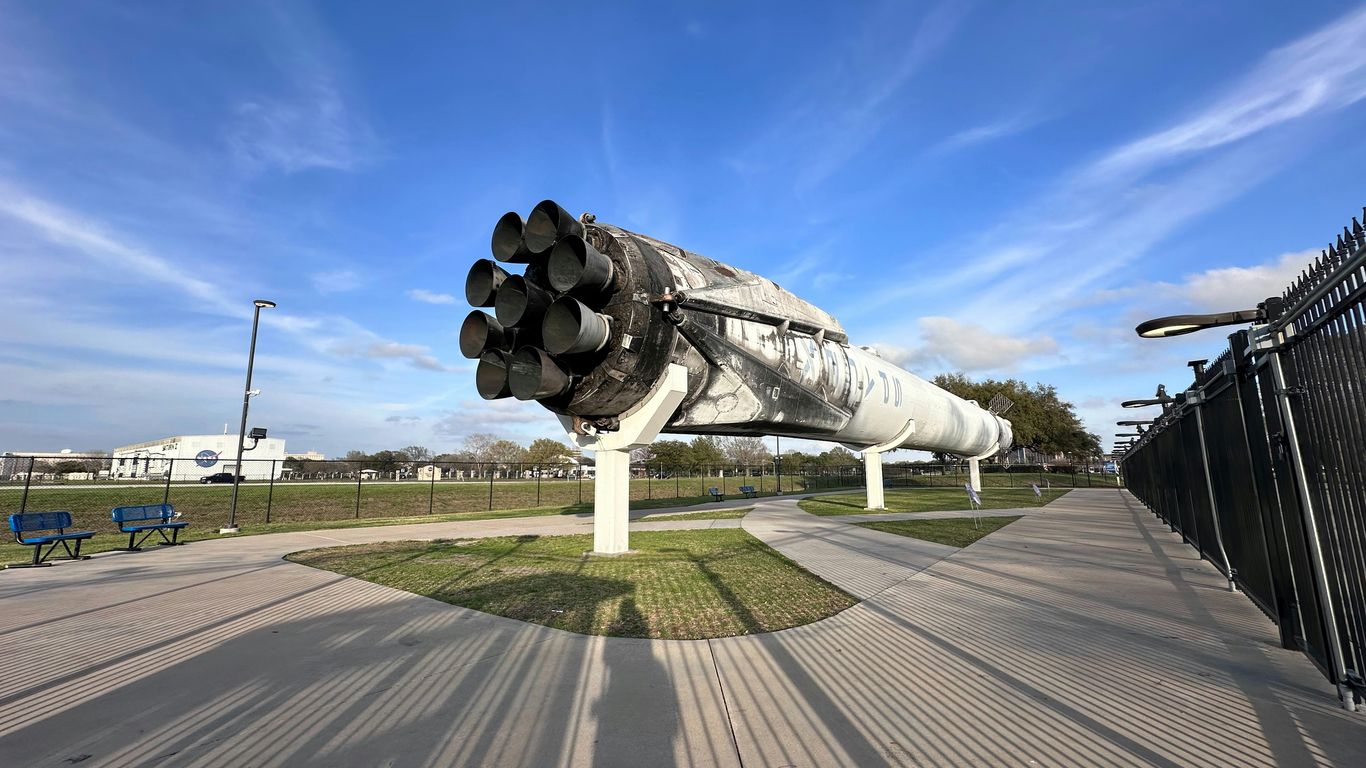
Big news on the Starship front! SpaceX has gotten the green light to use Launch Complex 37 at Cape Canaveral Space Force Station in Florida for its massive Starship rocket. This is a pretty significant step, meaning they can now prepare this site for future launches of their next-generation spacecraft. It’s all part of getting Starship ready for its ambitious goals, which include sending people and cargo to the Moon and eventually Mars.
Meanwhile, Blue Origin isn’t standing still. They’re reportedly working on their own "Super Heavy" rocket, aiming to go head-to-head with Starship. Details are still a bit fuzzy, but the word is they’re beefing up their New Glenn rocket with upgrades to its engines, structure, and overall performance. The goal is to increase how much it can carry and how often it can launch, making it a serious contender in the heavy-lift rocket game.
Here’s a quick look at what these advancements mean:
- Increased Launch Capacity: Both SpaceX and Blue Origin are pushing the boundaries of how much payload can be sent into orbit.
- Competition Driving Innovation: The race between these companies is pushing new technologies and faster development cycles.
- Future Missions: These powerful rockets are key to NASA’s Artemis program and future deep-space exploration.
It’s an exciting time for spaceflight, with these two giants really stepping up their game.
NASA’s Exploration Initiatives
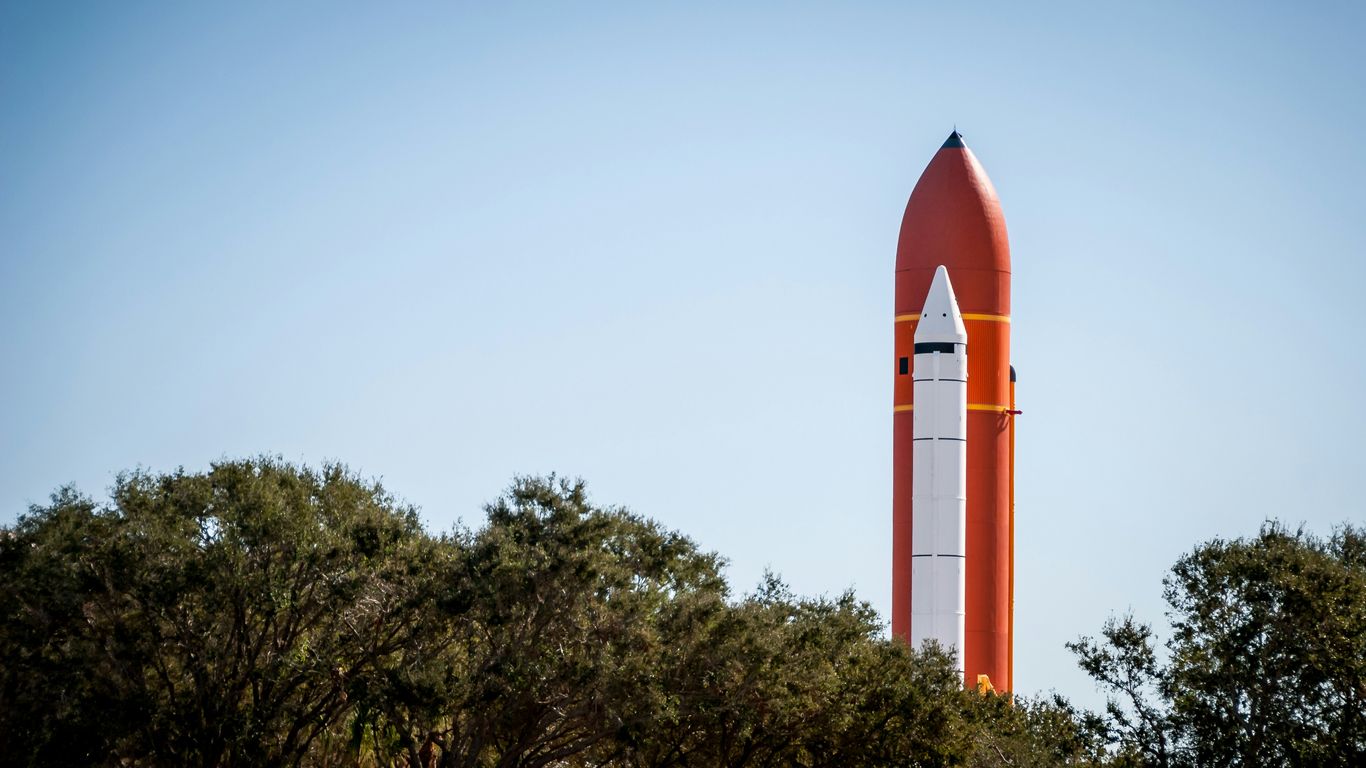
NASA’s been busy lately, pushing the boundaries of what we know about space. It’s not just about rockets and astronauts anymore; it’s about understanding our place in the universe and how we can get there.
Senate Hearing for NASA Chief Nomination
There was a big Senate hearing recently for Jared Isaacman’s nomination to lead NASA. This is a pretty important step, you know? The person in charge of NASA really sets the direction for all their missions and research. Isaacman, being a billionaire tech guy and a veteran of spaceflight himself, brings a unique perspective. The Senate’s job is to figure out if he’s the right person for the job, and it sounds like they’re taking their time with it. It’s a big responsibility, guiding the future of space exploration for the country.
Asteroid Bennu Samples Reveal Life’s Building Blocks
So, remember those samples NASA brought back from asteroid Bennu? Turns out, they’re pretty exciting. Scientists are digging through the dirt, and they’ve found some of the basic ingredients for life. We’re talking about things like carbon and water, which are pretty much everywhere life as we know it exists. It’s not like finding little green men, obviously, but it does tell us that these fundamental components are common out there in space. This really helps us understand how life might have started, not just on Earth, but potentially on other planets too.
NASA Missions Capture Interstellar Comet Images
NASA’s missions have managed to snap some pictures of an interstellar comet, specifically 3I/ATLAS. This comet isn’t from our solar system; it came from somewhere else entirely. Getting a good look at it is a big deal because it gives us a peek at what other star systems are like. The images were captured by orbiters and even a rover on Mars, which is pretty wild when you think about it. These observations could give us new details about objects from beyond our cosmic neighborhood. It’s like getting a postcard from another part of the galaxy.
Celestial Discoveries and Phenomena
Super-Puff Exoplanet Losing Atmosphere Observed
Astronomers have spotted a distant world that’s literally shedding its atmosphere into space. This ‘super-puff’ exoplanet, observed by the James Webb Space Telescope, is creating a massive cloud of helium gas that drifts away from it. It’s like watching a planet deflate in real-time, way before the planet itself even gets there. This observation gives us a unique look at how planetary atmospheres can escape, especially for these lighter, puffier types of planets.
Northern Lights Visible Across Multiple States
Get ready to look up! The aurora borealis, usually a treat for those in far northern latitudes, has been visible in a surprising number of places. A fast solar wind combined with an incoming coronal mass ejection has been buffeting Earth’s magnetic field. This means that if you’re in places like Alaska or even down to New York, you might have had a chance to see the Northern Lights. It’s a pretty wild display when the sun’s activity reaches us.
Tentative Exomoon Signal Detected
Could we have finally found the first exomoon? A big team of researchers has been looking into new ways to spot these elusive moons orbiting planets outside our solar system. They’ve been investigating a specific signal that might point to an exomoon. While it’s still tentative, this work could lead to better methods for finding exomoons, something scientists have been trying to confirm for a while now. It’s exciting to think about what else might be out there orbiting other planets.
Lunar and Martian Exploration News
Lunar Greenhouse Planned for Artemis III Mission
Getting plants to grow on the Moon is a big deal for future space missions. It’s not just about having fresh salads for astronauts, though that’s a nice perk. Plants can help recycle air and water, which is super important when you’re far from Earth. They can also help process waste and even give astronauts something green to look at, which might help with morale on long trips. NASA is planning to have the first lunar greenhouse up and running during the Artemis III mission, scheduled for 2027. This is a major step towards humans being able to live and work on other worlds for extended periods.
Mars Exhibits Static Electricity in Dust Devils
Scientists have now seen electric sparks on Mars. For a long time, people thought dust devils on Mars might create static electricity, kind of like the little shocks you get when you touch a doorknob. Well, it turns out they were right! The Perseverance rover’s microphone picked up the sounds and signals of these sparks happening inside Martian dust devils. This discovery is pretty interesting because it could help explain why methane seems to disappear so quickly from the Martian atmosphere. It also brings up some safety points to think about for when humans eventually land on Mars.
Hong Kong Mission to Monitor Lunar Meteoroid Impacts
In 2028, Hong Kong is sending up its first satellite specifically designed to orbit the Moon. But this mission isn’t about looking for rocks or water. Its main job will be to watch the Moon get hit by meteoroids. These space rocks slam into the lunar surface all the time at really high speeds. As countries like China plan to build bases on the Moon, understanding this constant bombardment is becoming really important for keeping future astronauts safe. It’s like setting up a weather station, but for space rocks hitting the Moon.
Innovations in Space Technology
New Radiation-Proof Method for Space Solar Panels
Space is tough on electronics, especially solar panels. The constant bombardment of radiation out there can really wear them down, shortening their lifespan and making them less effective. But scientists are working on new ways to make these powerhouses tougher. A recent study looked into new methods to improve both how long space solar cells last and how well they perform, even when facing harsh space weather. This could be a big deal as more companies and space agencies push further into the cosmos.
The Case for an Antimatter Manhattan Project
Chemical rockets have gotten us pretty far, like to the Moon and back. But if we ever want to travel to other stars, we’re going to need something way more powerful. Think about it: even a super-heavy rocket like Starship, while amazing for trips around our solar system, can’t get us to nearby stars at a significant fraction of light speed. To go that far, we need energy sources far beyond what burning fuel can provide. Physics points to antimatter as a potential answer, but harnessing it is a monumental challenge. Some are even talking about a "Manhattan Project" for antimatter, suggesting a massive, coordinated effort to figure out how to produce and use it for deep space travel.
AI Revolutionizes Galaxy Simulation
Figuring out how galaxies form and evolve is incredibly complex. It involves massive amounts of data and intricate physics. Now, artificial intelligence is stepping in to help. AI is making galaxy simulations much faster and more detailed than ever before. This allows scientists to explore different cosmic scenarios and understand the universe’s history in new ways. It’s like having a super-powered assistant that can crunch numbers and spot patterns we might miss, speeding up our understanding of the cosmos.
Understanding Our Solar System
Our solar system is a busy place, and scientists are still figuring out all sorts of things about it. For instance, did you know that beneath the icy crusts of some of Saturn’s smaller moons, like Mimas and Miranda, the oceans might actually boil? It sounds wild, but a new study suggests this isn’t due to heat, but rather a drop in pressure when ice melts from below. This could change how we think about where life might exist out there.
Speaking of moons, Hong Kong is planning a mission for 2028. It’s not about looking for minerals, though. This lunar orbiter will be watching the Moon get hit by meteoroids constantly. With China building a research station there, knowing about this constant bombardment is pretty important for astronaut safety.
And then there’s comet 3I/ATLAS. This is the third known object from outside our solar system that we’ve spotted. Astronomers have been working hard to track its path, and they’ve gotten a lot better at predicting where it’s going, partly by using data from a spacecraft orbiting Mars. It’s pretty cool how different missions can help each other out.
Here’s a quick look at some other interesting points:
- Hayabusa2 Mission to Asteroid Ryugu: This mission has been gathering samples from the asteroid Ryugu. Scientists are analyzing these samples to learn more about the early solar system and the materials that might have helped life start.
- Near-Earth Asteroid Catalog Reaches 40,000: The number of known asteroids that come close to Earth has hit a big milestone. Keeping track of these is important for planetary defense.
- Strange Physics Beneath Icy Moons Explored: As mentioned, the conditions under the ice on moons like Europa and Enceladus are still a big mystery. New research is trying to explain some of the weird geological features we see, which could hint at conditions suitable for life.
What’s Next?
So, that’s a quick look at what’s been happening out there in space. From rockets getting the green light to launch and new leaders stepping up for NASA, it’s been a busy time. We’re even finding sugars in asteroid samples and seeing baby stars being born! It really makes you think about how much is still out there to discover. Things are moving fast, and it feels like we’re on the edge of some pretty big moments in space exploration. It’s exciting to see what the next year or so will bring.