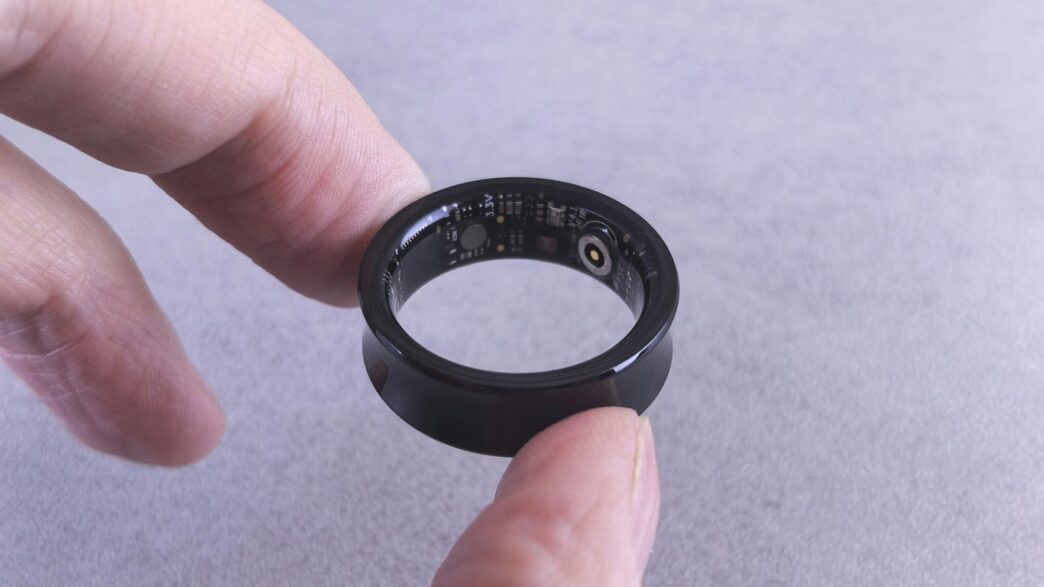
So, you’re wondering if that sleek little Oura Ring can actually tell you your blood pressure, right? It’s a common question. Many of us are looking for easier ways to keep tabs on our health, and wearables seem like the obvious answer. But when it comes to something as important as blood pressure, accuracy is key. Let’s break down what the Oura Ring can and can’t do in this area, and what it means for tracking your heart health.
Key Takeaways
- While many smart rings track things like heart rate and sleep well, directly measuring blood pressure is still tricky and accuracy can vary a lot.
- For the best chance at accurate readings, look for rings with really good sensors, like the PPG type, that can pick up subtle changes.
- The Oura Ring is more about giving you a big picture of your health, looking at sleep, activity, and heart rate trends, rather than just one specific number like blood pressure.
- If you’re really concerned about your blood pressure, don’t rely solely on a ring. It’s always best to check with a doctor who can give you a proper medical reading and advice.
- The Oura Ring is a tool for general wellness and spotting trends, not a replacement for medical equipment or professional medical advice, especially for conditions like hypertension.
Understanding Blood Pressure Measurement Technology
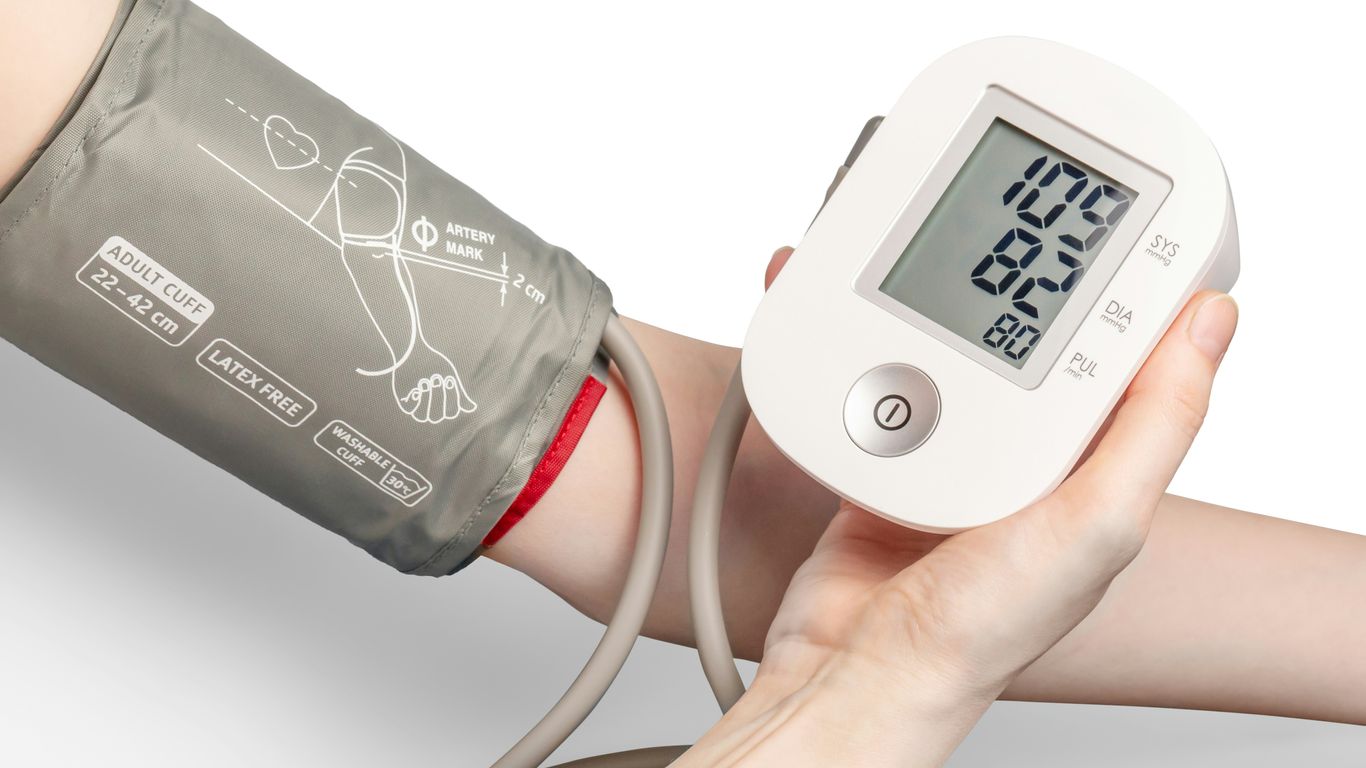
The Role of PPG Sensors in Health Tracking
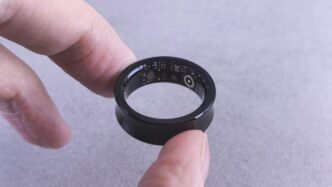
Most smart rings, including the Oura Ring, use a technology called Photoplethysmography, or PPG, to keep tabs on your health. Think of it like this: the ring has tiny lights that shine into your skin. These lights measure the changes in how much light gets absorbed, which tells us about blood flow. It’s pretty neat because this same tech is really good at tracking your heart rate and even your blood oxygen levels. These are super important signals for understanding your overall cardiovascular health. It’s a non-invasive way to get a lot of data, 24/7, right from your finger.
Challenges in Deriving Blood Pressure from PPG Data
Now, here’s where it gets a bit tricky. While PPG is great for heart rate, figuring out blood pressure from those light readings isn’t straightforward. It’s not like a blood pressure cuff that directly squeezes your arm. Instead, it relies on complex computer programs, or algorithms, to guess what your blood pressure might be based on the blood flow patterns it sees. This means the accuracy can really depend on a few things:
- Movement: If you’re moving around a lot, it can mess with the readings.
- Ring Fit: How snugly the ring fits on your finger makes a big difference. Too loose, and it won’t get good signals. Too tight, and it might affect blood flow itself.
- Skin Temperature: Your body temperature can also play a role in how the sensors work.
Because of these factors, readings from PPG sensors are often more like an educated guess or a trend indicator rather than a precise, medical-grade measurement you’d get at the doctor’s office.
Accuracy Limitations of Smart Ring Readings
So, can a smart ring give you an exact blood pressure number? Probably not, at least not yet. The technology is still evolving, and while devices like the Oura Ring are getting better, they aren’t designed to replace your doctor’s blood pressure monitor. The readings you get are best used for spotting patterns over time. For example, you might notice that after a stressful day or a big meal, your Oura Ring shows a different trend. This trend data can be really useful for understanding how your lifestyle affects your body, but it’s not a substitute for clinical measurements. If you’re concerned about your blood pressure, it’s always best to use a validated medical device and talk to your healthcare provider.
Oura Ring’s Approach to Cardiovascular Health
While the Oura Ring isn’t designed to give you a direct blood pressure reading, it takes a different route to help you understand your heart health. Instead of focusing on a single number, Oura looks at the bigger picture, gathering data 24/7 to paint a more complete picture of your well-being. This focus on trends and overall health metrics is where Oura really shines.
Oura’s Blood Pressure Profile Study
Oura has conducted studies, like their Blood Pressure Profile study, to explore how their ring’s data might correlate with blood pressure. They use the information gathered from the ring’s sensors, particularly heart rate and heart rate variability (HRV), to see if patterns emerge that could hint at changes in blood pressure. It’s not about giving you a specific mmHg number, but rather identifying potential trends that might be worth discussing with a doctor. Think of it as an early warning system, not a diagnostic tool.
Focus on Holistic Health Metrics
Oura’s strength lies in its ability to track a wide range of metrics that influence cardiovascular health. This includes:
- Sleep Quality: How well you rest directly impacts your heart. Oura tracks your sleep stages and duration.
- Resting Heart Rate (RHR): A lower RHR often indicates better cardiovascular fitness. Oura monitors this overnight.
- Heart Rate Variability (HRV): This measures the variation in time between heartbeats and is a good indicator of your body’s stress and recovery levels.
- Body Temperature: Small changes can signal underlying issues.
By looking at these together, Oura helps you see how your lifestyle choices affect your body’s overall cardiovascular state.
Beyond Single Readings: Trend Analysis
Instead of relying on a single, potentially inaccurate, blood pressure reading from a smart ring, Oura emphasizes tracking trends over time. The Oura app shows you how your metrics change day by day and week by week. This allows you to:
- Establish Your Baseline: Understand what’s normal for you.
- Spot Deviations: Notice when your RHR or HRV is consistently higher or lower than usual.
- Connect the Dots: See how a poor night’s sleep or a particularly stressful day might affect your heart rate metrics the next day.
This trend analysis provides a more nuanced and actionable understanding of your cardiovascular health than a one-off measurement.
Evaluating Smart Ring Accuracy
So, how good are these smart rings at actually measuring things like blood pressure? It’s a question a lot of people are asking, and honestly, the answer isn’t super straightforward. While these gadgets are getting pretty slick at tracking heart rate and sleep, getting a precise blood pressure reading is a whole different ballgame. It’s like trying to judge the weather by just looking at one cloud – you might get a hint, but it’s not the whole picture.
The Evolving Landscape of Wearable Technology
Wearable tech is moving fast, no doubt about it. We’ve gone from basic pedometers to devices that can monitor a bunch of different health signals 24/7. Rings, in particular, are becoming really popular because they’re so discreet. You can wear them all day and night without them getting in the way, which is great for continuous data collection. However, the technology to accurately measure blood pressure using just a ring is still pretty new and is constantly being improved. It’s not quite at the level of the cuff you use at the doctor’s office, but things are definitely heading in that direction.
Importance of High-Precision Sensors
At the heart of any good wearable is its sensor. For things like blood pressure, you need really sensitive and accurate sensors. Most rings use something called PPG (photoplethysmography) sensors. These shine a light into your skin and measure how it bounces back, which tells them about blood flow. While PPG is pretty good for heart rate and blood oxygen, using it to figure out blood pressure is tricky. It’s affected by a lot of things:
- Movement: If you’re moving around, the readings can get skewed.
- Fit: How snugly the ring fits on your finger makes a big difference.
- Skin Temperature: Even your body temperature can play a role.
Because of these factors, readings from smart rings are often more like educated guesses or trend indicators rather than exact medical measurements. It’s best to think of them as tools to see patterns over time, not as a replacement for a proper blood pressure cuff.
When to Consult a Medical Professional
This is super important. Even the most advanced smart ring isn’t a substitute for professional medical advice. If you’re concerned about your blood pressure or any other health metric, you should always talk to your doctor. These rings can give you data, and that data can be really useful for starting conversations with your healthcare provider. For example, if you notice a consistent upward trend in your blood pressure readings on the ring, that’s a great talking point for your next doctor’s visit. They can then use that information, along with other tests, to get a clear picture of your health. Don’t try to self-diagnose or change your medication based solely on what your ring tells you. It’s a tool to help you and your doctor work together.
Key Features of the Oura Ring
The Oura Ring packs a lot of tech into a small package, aiming to give you a good look at your overall health. It’s not just about one number; it’s about putting different pieces of information together.
Comprehensive 24/7 Health Monitoring
This ring is designed to be worn all the time, day and night. It’s constantly collecting data from your body using its sensors. Think of it as a quiet observer keeping tabs on your heart rate, body temperature, and how much you move. This continuous tracking is what helps build a detailed picture of your daily patterns. It monitors things like your resting heart rate, heart rate variability (which is a good sign of how your body is handling stress), and even subtle changes in your skin temperature. All this information is gathered without you having to do anything extra, which is pretty neat.
Activity and Sleep Tracking Capabilities
When it comes to activity, the Oura Ring uses a 3D accelerometer to figure out what you’re doing. It can tell if you’re walking, running, or just sitting around. It’s pretty good at counting steps and understanding the intensity of your movements. During workouts, it pays extra attention to your heart rate, giving you a separate look at how your exercise sessions affect your body. But where it really shines is sleep tracking. It breaks down your sleep into different stages – light, deep, and REM – and gives you a Sleep Score each morning. This score is based on how long you spent in each stage, plus your heart rate and variability during sleep.
Smart Insights and Personalized Guidance
Collecting data is one thing, but making sense of it is another. The Oura app takes all the information the ring gathers and turns it into easy-to-understand scores and insights. You’ll get a daily Readiness Score, which suggests how prepared your body is for the day’s challenges, and a Sleep Score. The app also offers personalized tips based on your data. For example, if your sleep score is consistently low, it might suggest adjusting your bedtime routine. If your Readiness Score is low, it might recommend taking it easy that day. It’s like having a little health coach on your finger, helping you connect your daily habits to how you feel.
Interpreting Your Oura Ring Data
So, you’ve got your Oura Ring, and it’s been collecting all sorts of information about you. It can feel a bit like looking at a foreign language at first, with all the scores and graphs. But don’t worry, it’s not as complicated as it seems. The key is to look at the trends over time, not just a single number on any given day.
Establishing Your Personal Baseline
Think of your baseline as your personal normal. The Oura Ring needs a little time to get to know you. It’s recommended to wear the ring for at least two weeks to establish a solid baseline for your unique body metrics. During this period, the ring learns your typical heart rate, sleep patterns, and activity levels. This initial phase is super important because what’s ‘normal’ for one person might be quite different for another. Trying to make sense of the data before this baseline is set can lead to confusion. It’s like trying to judge a book by its first few pages – you’re missing the full story.
Understanding Readiness and Sleep Scores
Oura gives you a few main scores to look at. The Sleep Score tells you how well you rested, breaking down your sleep stages and quality. A good night’s sleep means your body is better prepared to handle the day. Then there’s the Readiness Score. This score takes your Sleep Score, your recent activity levels, and your body’s recovery signals (like resting heart rate and temperature trends) to give you a number out of 100. This score is your guide for how much you can push yourself physically and mentally on any given day.
Here’s a general idea of what those Readiness Scores mean:
- 70-84: This is a good range. It means your body is doing okay, and you’re generally prepared for daily activities.
- 85+: You’re in great shape! Your body has recovered well, and you’re likely ready for more demanding tasks or workouts.
- Below 70: This score suggests your body needs more recovery. It might be a good time to ease up on intense activities and focus on rest or lighter movement like stretching or a gentle walk.
Leveraging Data for Lifestyle Adjustments
Once you’ve got your baseline and you’re familiar with the scores, you can start using this information to make smart choices. If your Readiness Score is consistently low, maybe it’s time to look at your sleep habits or stress levels. Are you getting enough rest? Are your workouts too intense for your current recovery? Conversely, if your Readiness is often high, you might be able to push yourself a bit more. The Oura Ring isn’t just about collecting data; it’s about giving you insights to help you feel and perform your best. It’s a tool to help you find that balance between activity and rest, tailored just for you.
Oura Ring’s Limitations and Considerations
Okay, so while the Oura Ring is pretty neat for keeping tabs on your sleep and activity, it’s not exactly a medical device, and that’s a big thing to remember. It’s designed to give you a general idea of your health trends, not to diagnose or treat anything. Think of it more like a really smart fitness tracker that happens to be a ring.
Not a Medical Device Disclaimer
This is probably the most important point. The Oura Ring is not a substitute for professional medical advice, diagnosis, or treatment. If you’re worried about your blood pressure, or any other health issue for that matter, you absolutely need to talk to a doctor. The data it collects, like heart rate and temperature, can be interesting, but it’s not meant to replace what a doctor would get from, say, a proper blood pressure cuff or an EKG. The company itself is pretty clear about this, and it’s wise to take that disclaimer seriously. Relying solely on a wearable for critical health decisions could lead to problems down the line.
Comfort and Fit for Accurate Readings
Getting accurate data from any wearable really depends on how well it fits. The Oura Ring is no different. It’s designed to be worn on your index or middle finger, and it needs to be snug – not uncomfortably tight, but definitely not loose. If it slides around, especially during workouts or even just throughout the day, the sensors might not be making good contact with your skin. This can mess with the readings, making them less reliable. Oura does send out sizing kits, which is a good idea, because finding that perfect fit can make a difference in the quality of the data you get. Some people find it more comfortable on their ring finger, but that might affect accuracy, so it’s a bit of a trade-off.
Workout Tracking Nuances
While the Oura Ring can track your workouts, it’s not always the best tool for super intense or dynamic activities. For example, if you’re doing something with a lot of wrist movement, like boxing or even some types of weightlifting, the ring might get knocked around, or the motion could interfere with the sensor readings. It’s generally better at tracking steady-state activities like running or cycling. Also, if you’re someone who sweats a lot, you’ll want to make sure the ring is clean and fits well to avoid any skin irritation or data issues. It’s great for understanding your overall activity levels and recovery, but for detailed, real-time workout stats during high-impact sports, you might need to look at other devices designed specifically for that.
Wrapping Up: Oura Ring and Blood Pressure
So, can the Oura Ring tell you your blood pressure? The short answer is no, not directly or with medical-grade accuracy. While Oura is doing some interesting research in its labs to potentially help users spot hypertension risks down the line, the current ring focuses on other important health markers like sleep, heart rate, and body temperature. These are all great for understanding your overall wellness, but if you need to track your blood pressure precisely, you’ll still need a dedicated cuff. Think of Oura as a fantastic tool for getting a broad picture of your health, but for specific medical readings, it’s best to stick with what your doctor recommends.