
So, 2026 is just around the corner, and things are changing fast, right? New tech pops up, people want different things, and the way we do business keeps shifting. It can feel a bit overwhelming trying to keep up, but honestly, it’s also a huge opportunity. If you’re thinking about starting something new or giving your current business a boost, focusing on what people actually need and want is the way to go. We’ve looked at what’s trending and put together some ideas for high demand services that could really take off. Think about what problems people are trying to solve these days – that’s where the real opportunities lie.
Key Takeaways
- Focus on services that solve current problems, like health and sustainability.
- Technology, especially AI, is opening up new ways to offer personalized services.
- Businesses that help others go green or operate more efficiently are in a good spot.
- Customer experience is super important; make it easy and pleasant for people.
- Being adaptable and offering flexible solutions will help businesses succeed.
1. AI-Powered Personalized Wellness Platforms
It feels like everyone’s talking about wellness these days, right? And it’s not just about hitting the gym or eating salads anymore. We’re seeing a big shift towards tech that really gets you. That’s where AI-powered personalized wellness platforms come in. Think of an app that doesn’t just give you generic advice, but actually learns your habits, your stress levels (maybe from your smartwatch), and even your sleep patterns to suggest what you need, right when you need it.
These platforms are designed to be your personal health coach, available 24/7. They can help with everything from managing stress and improving sleep to suggesting workouts or meal ideas that fit your specific goals and preferences. It’s like having a health expert in your pocket, but way more affordable and accessible.
Here’s what makes them stand out:
- Tailored Plans: AI analyzes your data to create unique wellness routines, not just one-size-fits-all programs.
- Real-time Adjustments: If your stress levels spike, the platform might suggest a quick meditation or a short walk, adapting on the fly.
- Holistic Approach: They often combine mental health support, physical activity, and nutritional guidance for a complete picture of well-being.
- Predictive Insights: Over time, the AI can spot patterns and potential issues before they become big problems, like burnout or poor sleep habits.
This isn’t just a fad; with more people working remotely and dealing with daily pressures, having personalized support for mental and physical health is becoming less of a luxury and more of a necessity. Businesses are also looking into these platforms to support their employees, making it a solid opportunity for entrepreneurs.
2. Sustainable Home Retrofit Coordination Services
Lots of homeowners are thinking about making their places more energy-efficient these days. It’s not just about saving a bit on the heating bill, though that’s nice. It’s also about doing our part for the planet, you know? But honestly, figuring out where to start with all the upgrades – like insulation, new windows, or maybe a heat pump – can be a real headache. That’s where a service that coordinates all of this comes in.
These coordination services act as the central point person for homeowners looking to make their houses greener. They handle the messy bits, like getting quotes from different contractors, making sure permits are in order, and even helping you find out about any government rebates or incentives you might qualify for. It takes a lot of the stress out of the process.
Here’s a breakdown of what these services typically manage:
- Initial Assessment: Evaluating the home’s current energy use and identifying the best retrofit options.
- Contractor Management: Finding and vetting qualified installers for tasks like insulation, window replacement, or HVAC upgrades.
- Incentive Navigation: Helping homeowners apply for grants, tax credits, and rebates to lower the overall cost.
- Project Oversight: Ensuring the work is done correctly and on schedule.
Think of it like a project manager for your home’s eco-makeover. With the growing focus on climate action and reducing our carbon footprint, services that simplify these complex home improvements are really going to be in demand. It’s a smart way to help people make their homes better for the environment and often, for their wallets too, through long-term energy savings.
3. Virtual Support Services
In today’s fast-paced business world, keeping up with everything can feel like a juggling act. That’s where virtual support services really shine. Think about it: instead of hiring a full-time receptionist or administrative assistant, you can tap into a pool of skilled professionals who work remotely. This isn’t just about saving money, though that’s a big plus. It’s about getting specialized help exactly when you need it, without the overhead of a permanent employee.
Businesses are increasingly turning to virtual support to handle tasks like answering phones, managing emails, scheduling appointments, and even basic bookkeeping. This allows owners and their core teams to focus on the big picture stuff, like growing the business or developing new products, instead of getting bogged down in daily operations. It’s a smart way to stay lean and agile.
Here are some common virtual support services you might consider:
- Virtual Receptionists: They answer your calls, take messages, and can even handle basic customer inquiries, making sure no potential client gets missed.
- Administrative Assistants: These pros can manage your calendar, book travel, handle correspondence, and organize documents, keeping your day-to-day running smoothly.
- Customer Service Representatives: For businesses with a lot of customer interaction, virtual reps can handle support tickets, chat inquiries, and follow-ups.
- Bookkeeping and Billing Services: Outsourcing these tasks can save a lot of headaches and ensure your finances are in order.
As we move further into 2026, the demand for these flexible, cost-effective solutions is only going to grow. It’s a practical way for businesses of all sizes to maintain high levels of service and efficiency without breaking the bank.
4. Local SEO and Online Credibility Services
Think about the last time you needed a plumber or a good place to eat nearby. Chances are, you pulled out your phone and did a quick search, right? That’s exactly what most people do. In 2026, making sure your business shows up when people search locally is more important than ever. It’s not just about being online; it’s about being found by the right people at the right time.
Customers today expect businesses to be easily discoverable and trustworthy. A strong online presence, especially on local search results, builds that trust. This means having accurate business information everywhere – your address, phone number, and hours should all match up. It also means managing online reviews and making sure your website looks professional and is easy to use.
Here’s what goes into building that local online trust:
- Consistent Business Information: Your Name, Address, and Phone number (NAP) should be identical across all online directories and your website. Inconsistencies can confuse search engines and potential customers.
- Online Reviews Management: Encourage happy customers to leave reviews on platforms like Google, Yelp, and industry-specific sites. Respond to all reviews, both positive and negative, professionally and promptly.
- Local Website Optimization: Ensure your website is mobile-friendly, loads quickly, and clearly states what services you offer and where you serve clients. Using location-specific keywords helps too.
- Google Business Profile (GBP) Optimization: This is huge. Keep your GBP listing updated with photos, services, hours, and posts. It’s often the first thing people see when searching locally.
Businesses that focus on these areas don’t just appear in search results; they build a reputation for reliability. This leads to more foot traffic, more calls, and ultimately, more business. It’s about making it simple for local customers to find and choose you over the competition.
5. Customer Experience Solutions
In today’s world, how a business treats its customers is a really big deal. People expect things to be quick, friendly, and easy. Nobody wants to wait on hold forever or get an automated message when they call. Making customers happy is no longer just a nice-to-have; it’s a core part of a successful business strategy.
Think about it: when you need a service or product, what’s the first thing you look for? Often, it’s how easy it is to get information and how well you’re treated. Businesses that get this right are the ones that keep customers coming back.
Here’s what good customer experience looks like in 2026:
- Fast Responses: Whether it’s a phone call, email, or social media message, customers want answers quickly. This means having systems in place to handle inquiries promptly.
- Personalized Interactions: People like to feel like they’re more than just a number. Using customer data to tailor interactions makes a big difference.
- Consistent Support: Customers should get the same level of good service no matter how they contact you or who they speak with.
- Easy Problem Solving: When things go wrong, customers want a simple and effective way to get their issues resolved without a lot of hassle.
Many businesses are turning to virtual receptionists and support teams to manage these interactions. It’s a smart way to make sure every customer feels heard and valued, without needing a huge in-house team. This approach helps build trust and loyalty, which are super important for long-term success.
6. Eco-Friendly Agri-Tech for Urban Farming
Cities are getting greener, and not just with parks. There’s a growing movement to grow food right where people live, and that’s where eco-friendly agri-tech for urban farming comes in. Think about it: fresh produce, grown locally, with a much smaller footprint. This isn’t just a trend; it’s becoming a necessity for sustainable cities.
We’re seeing a lot of cool tech making this possible. Vertical farms, for instance, stack crops indoors, using less space and water. Many of these setups use smart sensors to keep an eye on things like soil moisture and light, automatically adjusting to give plants exactly what they need. This means you can grow a lot of food, year-round, even in a small urban space. It’s a smart way to get nutrient-rich food to people without the long transport distances.
Here’s what makes this sector so promising:
- Reduced Environmental Impact: Less water usage, fewer pesticides, and significantly lower transportation emissions compared to traditional farming.
- Increased Food Security: Local food production means a more reliable supply, especially important in densely populated areas.
- Economic Opportunities: Creates jobs in technology, farming, and distribution within cities, supporting local economies.
- Educational Value: Urban farms can serve as learning centers, teaching communities about food production and healthy eating.
Businesses in this space can focus on a few different things. You could develop and sell compact vertical farming kits for homes or apartments. Or, you might create larger systems for restaurants or community centers. Another angle is providing the tech itself – the sensors, the automated watering systems, or the specialized LED lighting that plants need to thrive indoors. The market for these kinds of innovations is really taking off, especially as people look for ways to eat healthier and support more sustainable practices. It’s a chance to be part of a food revolution, right in your own city. You can find out more about the AgTech innovations shaping agriculture at AgTech innovations.
Starting out might involve some investment in prototypes and technology, but the potential for direct sales through online stores or business-to-business deals with restaurants is substantial. It’s a growing field with a lot of room for new ideas.
7. Virtual Reality Fitness and Therapy Studios
Okay, so imagine this: you strap on a headset, and suddenly you’re not in your living room anymore. You’re climbing Mount Everest, or maybe you’re in a serene forest doing yoga. That’s the idea behind virtual reality fitness and therapy studios. It’s a pretty cool way to shake up your workout routine or even get some mental health support.
These studios are tapping into the growing demand for immersive experiences that offer both physical and mental benefits. Think about it, instead of just staring at a gym wall, you’re actually in the environment. Studies are showing that VR can actually reduce fatigue, which is a big deal when you’re pushing yourself. Plus, it’s not just about the physical stuff. VR is also being used for therapy, helping people with things like anxiety or PTSD in a controlled, virtual setting. It’s like a whole new world of wellness.
Here’s a quick look at what makes these studios tick:
- Immersive Workouts: From high-intensity interval training in simulated outer space to guided meditation sessions on a virtual beach, the possibilities are endless.
- Therapeutic Applications: VR can create safe spaces for exposure therapy, pain management, and even cognitive rehabilitation.
- Hybrid Models: Many studios are looking at offering both in-person sessions and at-home VR experiences, making it super accessible.
Getting started might involve some upfront costs for the VR equipment and setting up a physical space, but the potential for high margins through memberships and session fees is definitely there. It’s a growing area, and with people looking for new ways to stay healthy and manage stress, these studios are really hitting a sweet spot. It’s a fascinating blend of tech and well-being, and it feels like it’s only going to get bigger. We’re seeing a real shift towards these kinds of integrated approaches to personal health emerging health trends.
8. Circular Economy E-Commerce for Fashion Resale
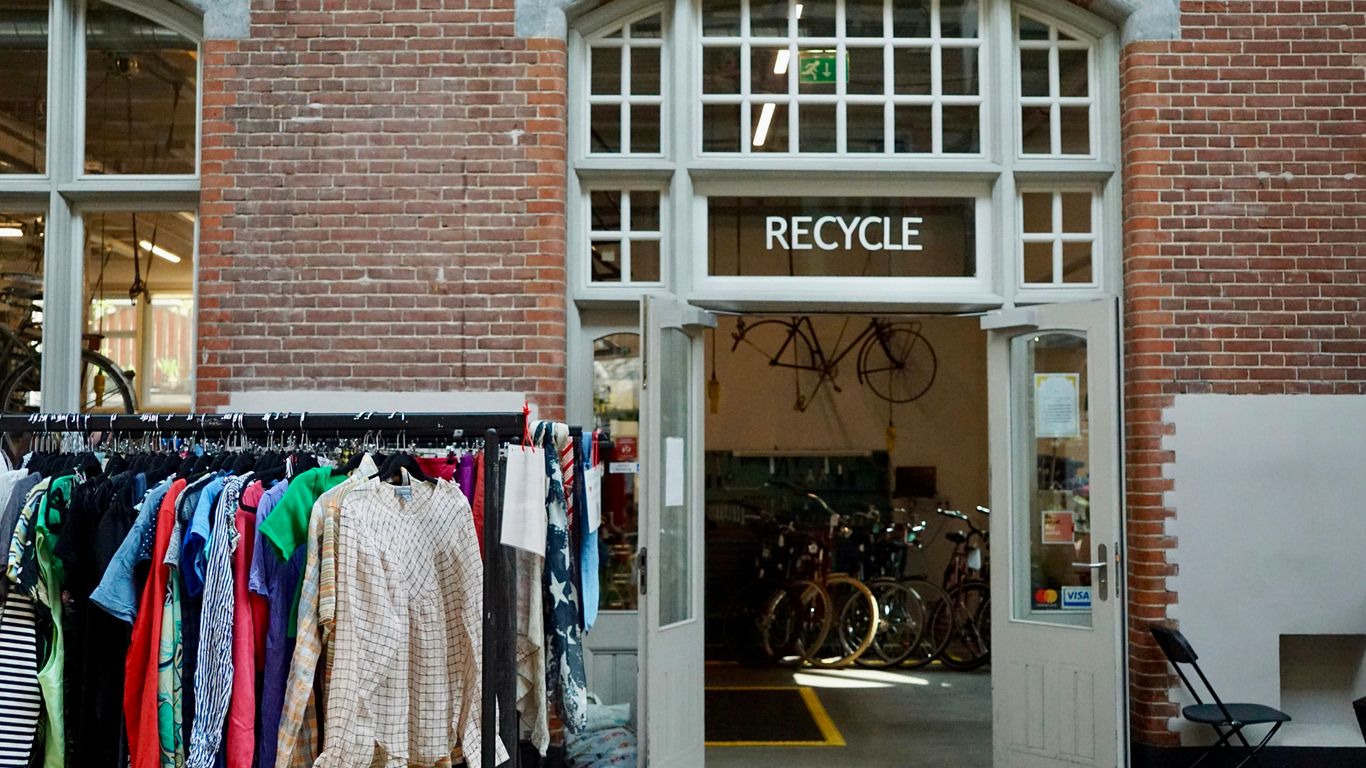
The fashion industry has a bit of a waste problem, right? Well, there’s a growing movement to fix that, and it’s all about giving clothes a second life. Think of it as a smart way to shop and sell pre-loved items, keeping them out of landfills and giving consumers what they want. This is where circular economy e-commerce for fashion resale really shines.
People are getting more aware of their environmental footprint, and that’s driving a big shift. By 2026, it’s predicted that a huge chunk of shoppers will be looking for secondhand fashion. It’s not just a niche thing anymore; it’s becoming mainstream. This trend is fueled by a desire for unique pieces, better prices, and a more sustainable way to update your wardrobe.
Here’s why this business model is set to take off:
- Growing Consumer Demand: More people are actively seeking out used clothing, driven by both budget and environmental concerns.
- Sustainability Focus: With increasing pressure on brands to be more eco-friendly, resale platforms offer a clear solution.
- Unique Finds: Shoppers can discover one-of-a-kind items that aren’t available in regular stores.
- Cost-Effectiveness: Both buyers and sellers can benefit financially from the resale market.
Setting up an online platform for this doesn’t have to cost a fortune. You can start with a relatively low investment, focusing on building a user-friendly site or app. Think about features like good search filters, clear photos, and secure payment options. You might also consider integrating services that help with authentication or even minor repairs to add extra value. It’s about creating a trusted space for people to buy and sell fashion responsibly. As more consumers look for ways to shop sustainably, platforms that facilitate fashion resale are perfectly positioned for success.
9. Telehealth for Preventive Senior Care
Okay, so let’s talk about taking care of our older folks. With more people living longer, the need for good healthcare is just going up and up. We’re seeing a lot of job openings in healthcare, and it’s clear that we need smarter ways to help seniors stay healthy, especially before they get really sick.
This is where telehealth for preventive senior care comes in. Think about services that use things like AI chatbots to remind people to take their medicine or to check if they might be at risk of falling. These systems can even connect with sensors in their homes. The goal is to catch potential problems early, keeping seniors independent and out of the hospital. It’s about proactive health, not just reacting when something goes wrong.
Here’s a quick look at what this could involve:
- Medication Management: Automated reminders and checks to make sure prescriptions are taken correctly.
- Fall Risk Assessment: Using simple questions or even home sensors to spot potential hazards.
- Regular Check-ins: Virtual visits to monitor general well-being and address concerns before they become serious.
- Connection to Services: Helping seniors access other needed care, like physical therapy or specialist appointments, without leaving home.
This kind of service is really needed. It makes healthcare more accessible, especially for seniors who might have trouble getting around. Plus, it can help ease the strain on hospitals and clinics by keeping people healthier at home. It’s a win-win, really.
10. Green Logistics and Last-Mile Delivery Networks
The way goods get from the warehouse to your doorstep is changing, and fast. With online shopping booming, the pressure is on to deliver things quicker, but doing it without trashing the planet is becoming a big deal. This is where green logistics and smarter last-mile delivery come in. Think electric vans zipping around, optimized routes that cut down on miles driven, and maybe even drones for smaller packages.
The goal is to make deliveries efficient and environmentally friendly at the same time. It’s not just about speed anymore; it’s about sustainability. Businesses are looking at ways to reduce their carbon footprint, and the final leg of delivery, the ‘last mile,’ is a huge part of that. It’s often the most expensive and polluting part of the whole process.
Here’s what’s making this sector take off:
- Electric Vehicles (EVs): More companies are switching their delivery fleets to electric. This cuts down on tailpipe emissions significantly. Battery tech is getting better, and charging infrastructure is growing, making EVs a more practical choice.
- Route Optimization Software: Using smart tech to plan the best routes means fewer miles driven, less fuel used (or electricity charged), and faster deliveries. AI is playing a big role here, figuring out the most efficient paths in real-time.
- Micro-Fulfillment Centers: These are smaller warehouses located closer to customers, often in urban areas. They help shorten delivery distances and speed up order processing, making the whole operation greener and quicker.
- Consolidated Deliveries: Instead of multiple trucks making individual drops, services are looking at ways to combine deliveries for a neighborhood or even share resources between different companies. This reduces the number of vehicles on the road.
This area is seeing a lot of investment because consumers are demanding it, and regulations are pushing for it. Companies that can figure out how to deliver goods reliably and sustainably will have a real advantage. It’s a complex puzzle, but solving it means better business and a healthier planet. You can find more information on how businesses are achieving sustainable last-mile delivery by 2026.
Wrapping It Up
So, as we look ahead to 2026, it’s pretty clear that staying put isn’t really an option for businesses. The world is changing fast, and what worked yesterday might not cut it tomorrow. We’ve talked about a bunch of different areas, from making homes greener to using tech for our health and even selling stuff online. The main thing is to be ready to adapt. Thinking about what people need and how technology can help meet those needs is key. Don’t just jump on the first shiny new thing, though. Do your homework, figure out what makes sense for you and your customers, and be prepared to adjust as you go. The businesses that will really do well are the ones that are smart about it and willing to change.