
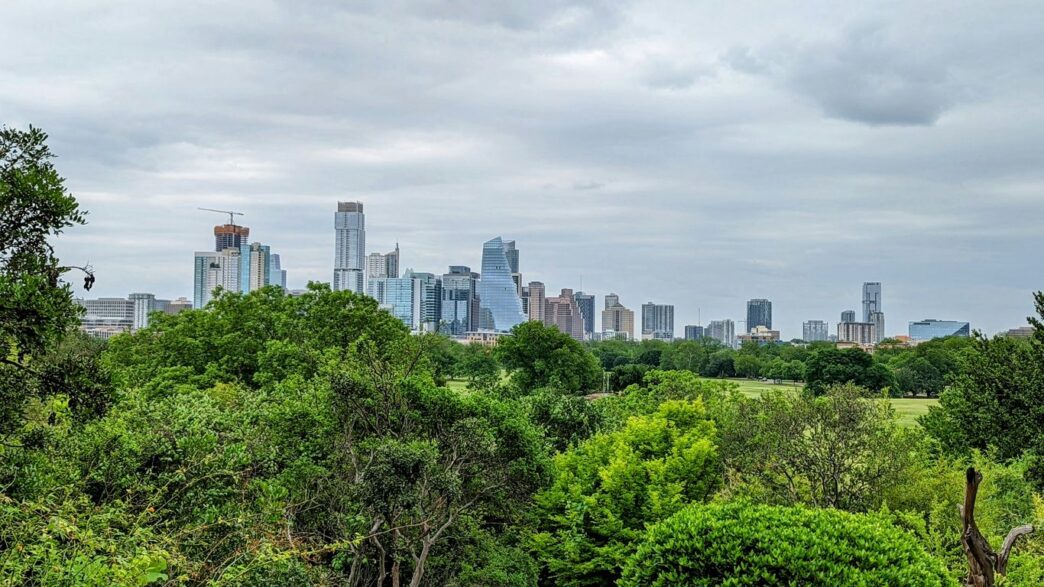
Austin’s Commitment to a Greener Future

Austin isn’t just talking about being green; the city is actively working towards it, and it’s pretty inspiring to see. It’s not just about big, flashy projects either. A lot of the real progress is happening at the community level, with folks of all ages getting involved.
Youth Shaping Climate Policy
It’s easy to think that young people are just worried about their own futures, and sure, that’s part of it. But here in Austin, the younger generation is stepping up in a big way to influence how our city handles climate change. They’re not just protesting; they’re actively participating in creating the plans. For instance, the Austin Youth Climate Equity Council has been holding important meetings, bringing together students from all over Central Texas. Their input is directly helping shape the city’s big climate action plan. It’s a clear sign that city leaders are listening and value what the youth have to say about their future.
Equity and Community Voices
When we talk about climate action, it’s super important that everyone’s voice is heard, especially those who are often left out. Austin is making an effort to make sure that climate solutions don’t just benefit a few, but help everyone, particularly communities that have historically faced more challenges. This means looking at how things like rising temperatures or more extreme weather affect different neighborhoods and making sure the solutions are fair and reach everyone who needs them. It’s about building a greener future that’s also a more just future for all Austinites.
Sustainable Initiatives in Action
Austin has a bunch of ongoing projects that show its commitment to sustainability. Take energy, for example. Many buildings are getting upgrades to use less power, and there’s a big push for solar energy. On the water front, conservation is key, with efforts to reduce usage and promote smart landscaping. And when it comes to waste, the city is serious about recycling and is even expanding composting programs. These aren’t just ideas; they’re real steps being taken every day to make Austin a more sustainable place to live.
Empowering the Next Generation of Environmental Leaders
Advocacy and Self-Empowerment
Young people today are really stepping up when it comes to climate issues. It’s not just about talking; it’s about doing. Many feel that knowing how to speak up for yourself is a super important skill, and getting involved in environmental work helps build that. Some students mentioned feeling like they don’t know enough to share their thoughts, but others pointed out that we all know how climate change affects us personally, and that’s a great starting point for making changes. This generation understands that their voices matter and are actively seeking ways to make them heard.
Prioritizing Social Equity in Climate Action
It’s not just about the planet; it’s about people too. A big focus for young leaders is making sure that climate action helps everyone, especially those in lower-income areas who often feel the impacts the most. They want policies that fix the unfairness that climate change can create. It’s about making sure that as we work towards a greener future, we’re also building a more just society for all.
The Role of Local Government in Climate Literacy
Cities have a big part to play in getting young people ready to be environmental leaders. One idea is to start teaching about nature and our responsibility to protect it really early on, like in elementary school. Creating spaces where kids can learn about these things consistently is key. When local governments listen to and involve young people in planning, like with climate action plans, it shows they value these voices and are serious about building a sustainable future together. It’s about making sure everyone, especially the next generation, understands the challenges and feels ready to be part of the solution.
Community Action and Sustainable Practices
Austin isn’t just talking about sustainability; we’re actively putting it into practice across our neighborhoods. It’s about making smart choices every day that add up to a big difference for our planet and our community. From how we power our homes to how we manage our waste, these actions are key to building a healthier city for everyone.
Energy Efficiency and Solar Power
Making our homes and buildings use less energy is a huge win. Think about it: less energy used means fewer emissions. Many folks in Austin are already upgrading to things like LED lights and better insulation. Plus, solar power is really taking off here. We’ve got a growing number of solar panels on rooftops all over the city, soaking up the sun and turning it into clean electricity. It’s a fantastic way to cut down on our reliance on fossil fuels and lower those energy bills too.
- LED lighting: Uses significantly less electricity than old incandescent bulbs.
- Improved insulation: Keeps homes cooler in the summer and warmer in the winter, reducing the need for heating and cooling.
- Solar panel installations: Generating clean energy directly from sunlight.
Water Conservation Efforts
Water is precious, especially here in Texas. Austin has been working hard to use water more wisely. This means things like installing low-flow fixtures in homes and businesses, which might seem small, but they really add up. We’re also seeing more landscaping that uses native plants that don’t need a lot of water. These efforts not only save water but also help keep our local ecosystems healthy.
- Low-flow fixtures: Toilets, showerheads, and faucets that use less water per use.
- Drought-resistant landscaping: Using native plants that are adapted to our climate and require minimal irrigation.
- Resident education: Spreading awareness about water-saving habits at home.
Waste Reduction and Recycling Programs
Dealing with trash is a big challenge, but Austin is stepping up. We’ve got robust recycling programs in place, making it easier for everyone to sort their waste. Beyond just recycling, there’s a growing focus on reducing waste in the first place. This includes things like composting food scraps and finding ways to reuse or repurpose materials. The goal is to send less to the landfill and keep valuable resources in circulation.
| Program Area |
|---|
| Recycling |
| Composting |
| Hard-to-Recycle Items |
| Zero-Waste Events |
Building Resilience for Tomorrow
When we talk about the future, especially with climate change becoming more noticeable, we need to think about how we can keep our communities strong and safe. It’s not just about preventing problems, but also about being ready when things get tough, like during extreme weather or power outages. Austin is actively working on plans to make sure everyone is prepared for whatever comes next.
Climate Resiliency Planning
Cities everywhere are starting to look at how climate change might affect them. This means thinking ahead about what could happen and making plans to deal with it. For Austin, this involves looking at things like how to keep our power on when storms hit hard, or how to make sure everyone has access to essentials if transportation gets disrupted. It’s about being smart and proactive.
Pilot Programs for Resilience Hubs
One really interesting idea is setting up "resilience hubs." Think of these as safe spots that can operate even when the main power grid goes down. Some places are testing this out by putting solar panels and battery storage systems on community buildings. These hubs could offer a place to stay cool during heatwaves, charge phones during outages, or even provide basic services. It’s a way to build local support systems that don’t rely solely on the usual infrastructure. For example, some affordable housing projects are piloting these hubs, aiming to serve residents first and then potentially the wider community.
Strengthening Communities Against Climate Challenges
Making communities more resilient isn’t just about infrastructure; it’s also about people. This includes making sure that everyone, especially those who might be more vulnerable, has a voice in planning and access to resources. It means building stronger social connections so neighbors can help each other out. When we work together and plan thoughtfully, we can face climate challenges more effectively and build a more secure future for Austin.
Earth Day ATX: A Hub for Sustainability
Earth Day ATX is more than just a single day of events; it’s a central spot for everything related to sustainability in our community. This year, the festival is being held at Huston-Tillotson University, a place with a long history in Austin as the city’s first institution of higher learning. It’s a fitting location, nestled in East Austin, with a campus that’s already buzzing with sustainability efforts. Think academic programs focused on the environment, student projects tackling green issues, and lots of community involvement. The university’s setup, with both indoor and outdoor spaces, makes it a great spot for everyone to gather and learn.
Huston-Tillotson University as a Venue
Huston-Tillotson University (HT) is celebrating 150 years, and hosting Earth Day ATX is a big part of that. Its location is super convenient, right off I-35, making it easy for folks from all over Austin to get there. But it’s not just about the location; HT is already doing its own green work. They have classes that teach about sustainability, students are actively involved in campus green projects, and they work with the community on environmental issues. It’s a place where learning about being green happens every day, not just on Earth Day.
Academic Programs and Community Engagement
At HT, sustainability isn’t just a buzzword; it’s woven into the fabric of the university. They offer academic programs that prepare students for careers in environmental fields. Beyond the classroom, students are out there making a difference, working on projects that improve the campus’s environmental footprint. This hands-on approach, combined with their engagement with the wider Austin community, makes HT a living example of what it means to be sustainable. It’s a place where ideas are turned into action, and where the next generation is being trained to be environmental stewards.
A Free and Inclusive Festival
One of the best things about Earth Day ATX is that it’s free and open to everyone. The organizers really want to make sure that all of Austin can come and participate, learn, and connect. While the event is free, donations are definitely welcome to help keep this important festival going, especially after the financial challenges faced recently. It’s a chance for families, students, and anyone interested in a greener future to come together, share ideas, and get inspired. The goal is to create a welcoming space where sustainability is accessible to all.
Looking Ahead: Austin’s Green Future
So, Earth Day Austin 2025 was more than just a day of events; it was a clear sign that this city is serious about sustainability. From the young folks sharing their ideas to the city officials listening and planning real steps, it feels like things are moving in the right direction. We saw a lot of talk about making buildings more efficient, using more solar power, and saving water. It’s good to know that the conversations happening now are helping shape a greener, more resilient Austin for everyone. Let’s keep this energy going, because building a better future takes all of us, all year round.