
CES 2025 has wrapped up, and wow, what a show. It’s always a bit of a whirlwind, seeing all the new gadgets and tech that companies want to show off. This year was no different, with a lot of interesting stuff hitting the scene. We saw some things that felt like they were straight out of science fiction, and others that were just practical upgrades. It’s a good way to get a feel for what might be showing up in our homes and pockets over the next year. So, let’s take a look at some of the standouts from this year’s CES 2025 recap.
Key Takeaways
- Home technology is getting smarter, with new robot helpers, better ways to control your home’s climate, and more connected kitchen appliances making an appearance.
- Cars are getting a futuristic makeover with holographic displays on windshields and more advanced voice assistants to make driving easier.
- TVs continue to push boundaries with brighter LCDs thanks to RGB backlighting, improvements in OLED and MicroLED, and a noticeable trend towards even bigger screen sizes.
- Wearable tech is expanding into health monitoring with smart rings and new gadgets focused on sleep and recovery, plus devices for personalized skincare analysis.
- Robotics and AI are becoming more integrated into everyday life, with consumer-friendly robots for tasks and humanoids showing greater realism and functionality.
CES 2025 Recap: A Glimpse Into The Future Of Home Technology
CES 2025 really showed us how our homes are getting smarter, and honestly, a little more helpful. It wasn’t just about flashy new gadgets; it felt like a real step towards making daily life smoother.
Revolutionary Robot Maids And Smart Home Assistants
Robots are definitely getting more interesting. We saw some consumer-friendly models that are starting to look like they could actually help out around the house. Samsung’s Ballie robot, for instance, is a spherical bot with a projector – kind of like a friendly little helper that can also show you things. It’s not quite Rosie the Robot from the Jetsons yet, but it’s getting there. There were also some smaller, almost novelty bots, like fuzzy ones you could attach to your bag, which is a bit different, but shows how robots are branching out. The big idea is making robots more approachable and useful for everyday tasks.
Innovative Climate Control And Energy Solutions
Keeping our homes comfortable and powered efficiently was a big theme. Samsung showed off a heat pump that uses outside air to heat water, which sounds pretty neat for saving energy. For those in apartments, a window heat pump that provides heat when it’s cold outside was also on display. Beyond just heating and cooling, people are thinking about power backup. Devices like the BioLite, which can provide battery backup for essential appliances like refrigerators, were quite intriguing. And to help manage all these new power-hungry devices, Savant’s Smart Budget system aims to automatically route power to save money and avoid overloading your home’s electrical system. It’s all about making our homes more energy-smart.
The Rise Of Connected Kitchen Appliances
The kitchen is still a hot spot for innovation. We saw things like Panasonic’s HomeChef 4-in-1 Multi-Oven that you can control with your phone. Then there was the Apecoo tortilla and roti maker, which definitely got attention. LG even showed off a microwave with a big 27-inch display, apparently designed for social media sharing. While some of these might seem a bit over the top, it’s clear that manufacturers are looking for ways to make kitchen tasks easier and maybe even a bit more fun through connectivity.
Automotive Innovations Unveiled At CES 2025
This year’s CES really put the "auto" in automotive, showcasing some seriously cool stuff that’s coming to a road near you. Forget just getting from point A to point B; the focus is shifting towards making the journey itself more engaging and intelligent. Holographic windshield displays are no longer just a sci-fi dream, they’re becoming a reality. Imagine all your important driving info – speed, navigation, alerts – projected right into your line of sight, without you having to look down at a dashboard.
Several companies are pushing this tech forward. BMW showed off its "panoramic iDrive" system, which includes a massive, three-tiered holographic display. Hyundai Mobis is also playing in this space, with a system that’s specifically designed to keep the driver’s focus on the road. It’s all about keeping your eyes where they need to be while still giving you the information you need.
Beyond the flashy displays, voice assistants in cars are getting a major upgrade. They’re becoming more intuitive and capable, understanding more complex commands and even anticipating your needs. Think of it as having a co-pilot who can adjust the climate, play your favorite music, or even find the nearest charging station, all with a simple voice request.
And of course, the push towards greener transportation continues. We saw more advancements in electric vehicles (EVs), with manufacturers showing off longer ranges and faster charging capabilities. There was also a lot of buzz around solar-powered vehicles. While a car that runs entirely on the sun might still be a bit off for most of us, concepts like the Aptera Solar EV are showing what’s possible, aiming to capture enough solar energy to cover daily driving needs. It’s an exciting time for car tech, blending advanced displays, smarter interactions, and a growing commitment to sustainability.
Televisions Evolve With Cutting-Edge Display Technologies
While robots and cars often grab the spotlight at CES, let’s be real, the TV is still the heart of many living rooms. And this year, the big story in television tech was all about making pictures brighter, more colorful, and just plain bigger. It feels like we’re entering a new phase where screens are getting seriously impressive.
RGB Backlighting For Brighter, More Efficient LCDs
This was a pretty big deal this year. You might have heard terms like "TriChroma RGB Backlight" or "RGB Micro LED Backlight" thrown around. Don’t let the fancy names confuse you. Basically, instead of using a single type of LED behind the screen that then has to be filtered to make colors, these new TVs use separate red, green, and blue LEDs. Think of it like having a much more precise paint palette. This means the TVs can get way brighter without using more power, or they can be just as bright but sip less electricity. It’s a win-win for your eyes and your energy bill. We saw companies like Hisense, Samsung, and TCL showing off their versions, with some hitting the market later this year and others planned for 2026. It’s a noticeable step up from the mini-LED tech we’ve been seeing.
OLED Advancements And MicroLED Marvels
OLED TVs continue to get better, which is saying something since they were already pretty great. LG and Samsung both had some stunning displays that really made HDR content pop. The brightness and contrast levels are getting so good, they’re suitable for pretty much any room, no matter how much light is in it. Beyond OLED, MicroLED is still a thing, with Hisense showing off a massive 116-inch model. While still super high-end, these technologies are pushing the boundaries of what we expect from picture quality. It’s not just about being bright; it’s about the depth of color and the true blacks that make a difference.
The Growing Trend Of Massive Screen Sizes
If you thought 75-inch TVs were big, think again. CES 2025 was filled with TVs that were 100 inches and even larger. Companies like Hisense, Samsung, and LG were all showcasing these giant screens. It seems like the trend of wanting bigger and bigger TVs is still going strong. While these massive sets are definitely on the premium end – we’re talking thousands of dollars – they show that manufacturers are committed to offering these ultra-large options. It makes you wonder if, eventually, a 100-inch TV will feel as normal as a 55-inch one does today. It’s a bold statement about how people want to experience entertainment at home.
The Expanding World Of Wearable And Health Tech
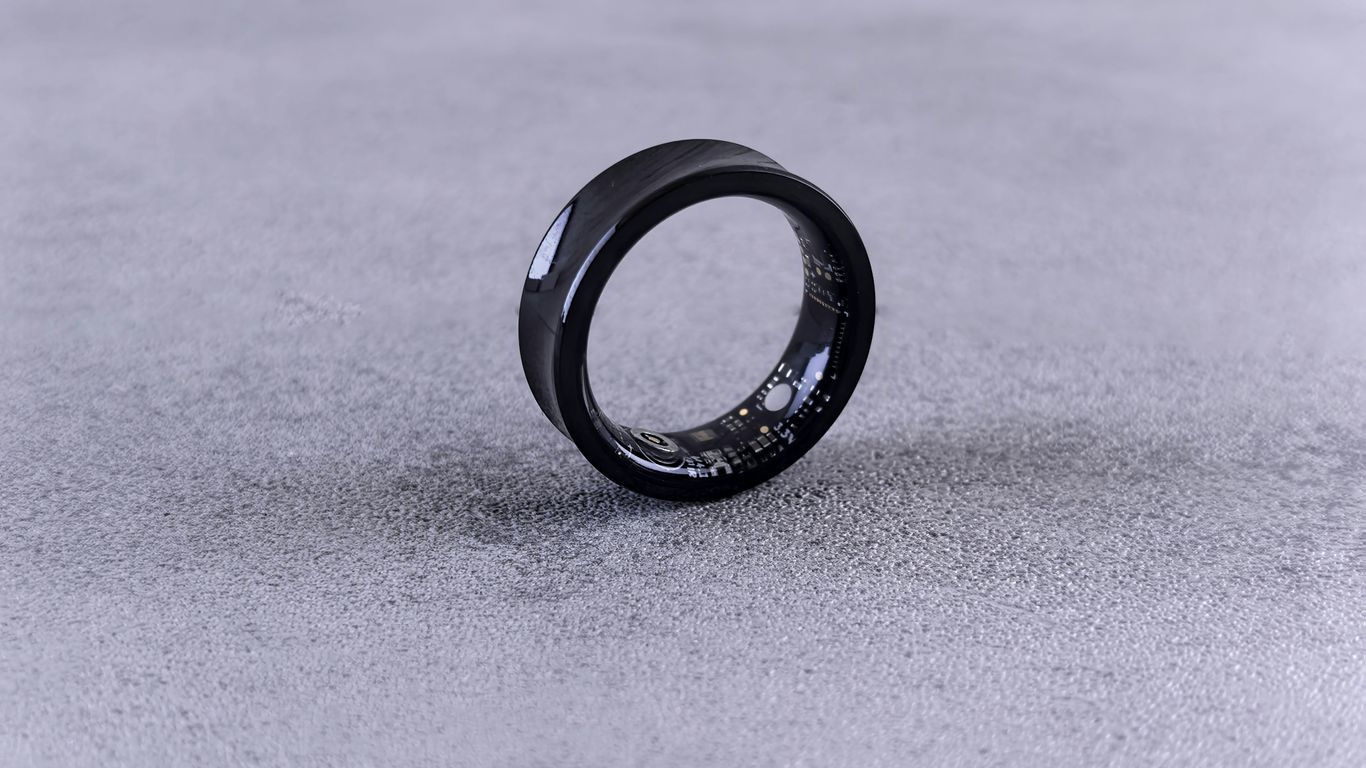
CES 2025 really showed us how wearable tech is getting more personal and integrated into our daily lives. It’s not just about counting steps anymore; these gadgets are becoming sophisticated health companions.
Smart Rings For Health Monitoring And Fashion
Smart rings are definitely stepping up their game. Last year, they started to feel like the next big thing after smartwatches, and this year, they’ve gotten even better. We saw new models that are not only tracking your health but also looking pretty stylish. Some companies are even offering fancy materials like 18K gold and platinum for their rings, which is a bit much for my wallet, but it shows how the market is growing. The real innovation, though, is in the features. For example, one new ring has a way to size itself using an app, which is way easier than fiddling with plastic samples. Another cool development is a ring that can detect AFib, and it’s actually cleared by the FDA. There were even rings designed to create custom sounds to help you sleep better based on your sleep patterns. It’s wild how much tech they’re packing into such a small device.
Innovative Sleep And Recovery Gadgets
Speaking of sleep, there were some interesting gadgets aimed at helping us get better rest and recover faster. We saw some special "boot-like" slippers that are designed to help tired feet recover after a long day. They look a bit bulky with all the buttons, but the idea is pretty neat. Then there were these sleep buds that are made to stay in your ears comfortably, even if you sleep on your side. They have sensors built-in to try and improve your sleep quality. It seems like everyone is trying to figure out how to get us to sleep better, which, honestly, is something a lot of us could use.
Personalized Skincare Analysis Devices
Skincare tech also made a splash. Imagine a smart mirror that doesn’t just show your reflection but also analyzes your skin. Some of these mirrors can connect with other devices to give you a fuller picture of your health, and the mirror itself can measure things like weight and heart health. One concept mirror even promised to run ECG scans. We also saw devices that use AI to look at your skin and then tell you what products you should buy to fix any issues. It’s like having a dermatologist and a personal shopper all in one, right in your bathroom. While some of it felt a bit futuristic, it’s clear that personalized health and beauty tech is a growing area.
Gaming And Handheld Devices Reach New Heights
This year’s CES really showed us that the gaming world isn’t slowing down one bit. We saw some pretty cool stuff for PC gamers, but the real buzz was around handhelds and the screens we play on.
Next-Generation GPUs Powering PC Gaming
Nvidia dropped some big news with its RTX 50-series graphics cards. The flagship RTX 5090 is set to launch soon, and it’s looking like a beast for anyone who wants the absolute best for their PC. While AMD was a bit quieter about its upcoming RDNA 4 cards, Nvidia’s showing means PC gamers have some serious upgrades on the horizon. This is good news for anyone building a new rig or looking to push their current one to the limit with the latest games.
SteamOS Handhelds Offer Enhanced Portability
Lenovo really made a splash with its new Legion Go S. This is the first handheld we’ve seen that officially runs SteamOS, which is a pretty big deal for playing PC games on the go. It seems like they listened to feedback from their earlier models, making this one more comfortable and, importantly, more affordable. It’s got a better screen with a higher refresh rate, which should make games look smoother. Plus, some versions will use a special AMD chip that helps keep the price down. It looks like we’ll have a choice between SteamOS and Windows handhelds this year, which is great for consumers.
The Evolving Landscape Of Gaming Monitors
If you’re a PC gamer, you know a good monitor makes all the difference. This year, we saw a lot of monitors pushing refresh rates even higher, with some hitting 500Hz and 600Hz. That’s incredibly fast! But the real stars for many were the new 27-inch 4K OLED gaming monitors. Companies like Alienware, Asus, and Samsung are all coming out with these, promising amazing colors, super-fast response times (like 0.03ms!), and bright HDR visuals. They’re not cheap, but for serious gamers, these could be the displays to save up for.
Smart Glasses And Personal Displays Redefine Interaction
It feels like we’ve been hearing about smart glasses for ages, right? Well, CES 2025 might just be the year they start to feel genuinely useful, not just a novelty. We saw a few different approaches this year, showing that there’s more than one way to put information right in front of your eyes.
Monochrome Displays For Subtle Information Delivery
One of the more interesting trends was the move towards simpler, monochrome displays. Instead of trying to cram full-color video into a tiny lens, some companies are opting for a small, text-based display. Think of it like a heads-up display for your everyday life. The Halliday Smart Glasses, for example, looked a lot like regular glasses but had a tiny screen that showed text. It felt a bit like looking at a 3.5-inch screen when you held it close. While it’s not full augmented reality, it’s a practical way to get information without being too distracting. This approach could make smart glasses more socially acceptable because they don’t look as out-there as some earlier attempts. It’s a step towards making these devices feel more like a natural extension of our existing tech.
AI Integration Enhances Smart Glass Capabilities
What really makes these new smart glasses tick is the AI. It’s not just about showing text; it’s about what that text means. We saw demos where the glasses could provide real-time language translation, which is pretty amazing when you’re in a noisy environment. Imagine traveling and being able to understand conversations instantly. There were also teleprompter functions, which could be super handy for anyone who gives presentations or needs to keep notes close by. The Rokid Ai Glasses Style are a good example of this, aiming for an open AI ecosystem for smart eyewear. The idea is that the AI does the heavy lifting, making the glasses more than just a display – they become a helpful assistant.
The Potential For Augmented Reality Integration
While monochrome displays are practical now, the big dream is still full augmented reality. Devices like the Xreal One Pros, which won an award at CES 2025, are pushing towards that goal. They offer full HD visuals and have built-in spatial computing power. This means they can understand and interact with the 3D space around you. It’s a big leap from just displaying text. The potential here is huge, from gaming and entertainment to complex work tasks. We’re still a ways off from everyone wearing AR glasses daily, but the progress shown at CES 2025 makes it feel a lot closer than it did last year. It’s exciting to think about how these devices could change how we interact with information and the world around us.
Robotics And AI: Smarter, Cuter, And More Capable

It feels like every year at CES, we get a fresh batch of robots that are supposed to change our lives. And honestly, some of them are getting pretty darn close. This year, the focus wasn’t just on making robots more functional, but also more approachable and, dare I say, even a little cute.
Consumer-Friendly Robots For Everyday Tasks
Forget those clunky industrial machines. We saw a lot of robots designed to tackle those annoying little chores around the house. Think robot vacuums that have evolved beyond just sucking up dirt. Some models, like the Roborock Saros Z70, now come with little arms that can actually pick up stray socks or other small items left on the floor, even tossing them into a laundry basket. Eureka’s J15 Max Ultra was another standout, not only cleaning but also detecting spills and, get this, untangling its own brushes. It’s the little things, right?
We also saw robots aimed at specific tasks, like lawn mowing. The Lymow One, for instance, promises to not only cut your grass but also feed the mulched material back into your lawn as fertilizer. And of course, laundry robots continue to be a big thing, with companies showing off machines that can wash and fold clothes. It seems like nobody wants to do laundry, which is totally understandable.
AI-Powered Humanoids Achieve Greater Realism
On the more advanced end, the humanoid robots are starting to look and act more like us. Realbotix showed off their Aria robot again, which is quite the sight. For a hefty price tag of $175,000, Aria can talk, move, and even use AI to try and figure out your emotions. It’s a bit uncanny, to be honest, but it shows where the technology is heading. Companies like Agility Robotics are also talking about making robots that can safely work alongside people, which is a big step.
The Intersection Of AI And Robotic Functionality
What’s really powering all these advancements is the integration of AI. It’s not just about robots moving around anymore; it’s about them understanding their environment and making decisions. Nvidia, while not making robots themselves, is developing the AI brains and operating systems that will run them. This means robots can become more adaptable and useful in real-world situations. We’re seeing AI being used to learn user preferences, like in smart kitchen appliances, and to improve the dexterity and problem-solving skills of robots. It’s a fascinating combination that’s making robots less like novelties and more like genuine helpers.
So, What’s Next?
Alright, so CES 2025 is officially in the rearview mirror. It was a whirlwind of new gadgets, some that made us scratch our heads and others that genuinely impressed. We saw a lot of cool stuff, from TVs getting brighter to coffee makers doing weird things with air. It feels like the tech world is still figuring out what’s next, even with AI everywhere. But one thing’s for sure: the gadgets we saw are going to start showing up in stores and our homes pretty soon. It’s going to be an interesting year for tech, that’s for sure.
Frequently Asked Questions
What’s new in smart home tech for 2025?
Get ready for smarter robot helpers that can do more chores and new ways to control your home’s temperature and save energy. Plus, kitchen gadgets are getting way more connected, making cooking easier and more fun.
What’s exciting in the car world at CES 2025?
Cars are getting a futuristic upgrade! Imagine seeing directions and info right on your windshield like a hologram. Your car will also understand you better with smarter voice helpers, and there’s a big push for electric and solar-powered cars.
How are TVs changing this year?
TVs are becoming super bright and colorful thanks to new lighting tech called RGB backlighting for LCD screens. OLED and MicroLED screens are also getting even better, and guess what? TVs are just getting bigger and bigger!
What’s trending in wearable and health gadgets?
Smart rings are not just for looks anymore; they’re packed with health tracking features. We’re also seeing cool new gadgets to help you sleep better and devices that can analyze your skin to suggest the best care.
Are there any cool new gaming devices?
PC gamers will love the super-powered new graphics cards. And if you like gaming on the go, new handheld devices running on SteamOS offer a great way to play your favorite games anywhere. Gaming monitors are also getting faster.
What’s the deal with smart glasses and personal displays?
Smart glasses are becoming more useful, showing you simple info without being distracting. They’re also getting smarter with AI, and there’s a lot of talk about how they could bring augmented reality into our daily lives.