So, CES 2026 happened, and wow, it was a lot. It’s like the future decided to show up early this year. We saw a bunch of new tech that’s supposed to change things, from how we work to how we live. It’s always a bit of a mix of what’s actually coming soon and what’s just a cool idea, but this year felt different. A lot of it seemed pretty real, and the big buzzword, as usual, was AI. It’s everywhere, seriously. We’re talking about it powering everything from our homes to our cars. It’s getting pretty wild out there.
Key Takeaways
- AI is no longer just a concept; it’s the base for most new tech we saw at CES 2026, making things smarter and faster.
- Humanoid robots were a big deal, moving from sci-fi dreams to something you could actually see and interact with.
- Tech is focusing more on making our lives better and longer, with new health gadgets and ways to track our well-being.
- Cars are changing a lot, becoming more like computers on wheels with AI helping out, and energy tech is getting a big push too.
- How we interact with technology is shifting, with a move towards tech that blends into our lives and experiences that are more fun and less screen-focused.
The Pervasive Influence Of AI At CES News
It’s pretty clear that artificial intelligence wasn’t just a side topic at CES 2026; it was the main event, woven into pretty much everything. Think of it less as a standalone trend and more like the foundation everything else is built on. We’re not talking about far-off sci-fi stuff anymore. AI is here, and it’s already making a difference in how we work. Reports show a huge number of people are using AI tools, saving them hours each week. It’s become a go-to for both regular folks and big companies.
AI as the Foundational Layer of Innovation
This year, AI really showed its true colors as the bedrock for all sorts of new tech. It’s not just about making things smarter; it’s about creating entirely new possibilities. We saw AI powering everything from better user experiences to more efficient industrial processes. It’s the engine driving the next wave of innovation, making the previously impossible, well, possible.
Agentic, Vertical, and Industrial AI Advancements
Beyond the general buzz, CES 2026 highlighted some specific, exciting areas of AI development. We’re seeing AI move into more specialized roles:
- Agentic AI: These are AI systems that can act more independently, taking on tasks and making decisions without constant human input.
- Vertical AI: This is AI tailored for specific industries, like healthcare or finance, meaning it understands the unique needs and data of that sector.
- Industrial AI: Think AI embedded directly into manufacturing and infrastructure, optimizing operations and predicting maintenance needs.
The Humanoid Revolution Takes Center Stage
And then there were the humanoids. What used to feel like a distant dream is now becoming a reality you can actually interact with. These robots are moving beyond factory floors and into more public-facing roles, showing off impressive capabilities. It’s a big step towards a future where robots might be common helpers in various aspects of our lives.
Transforming Industries Through Intelligent Technology

This year at CES, it’s clear that technology isn’t just about shiny new gadgets anymore. We’re seeing a big shift towards how smart tech is actually changing the way entire industries work. It’s all about making things more efficient, secure, and adaptable.
Intelligent Transformation: Security, Scalability, and Simulation
The core idea here is that AI, combined with strong security and flexible cloud systems, is creating smarter businesses. Think about it: AI can help make decisions way faster than a person, and simulation tools let companies test out new ideas without real-world risks. This means businesses can try more things, learn quicker, and get products out the door faster.
Cybersecurity and Cloud Scalability’s Role
As AI gets more involved in everything, keeping data safe is a huge deal. That’s where cybersecurity comes in. It’s not just about stopping hackers; it’s about making sure these complex AI systems can run without problems. And to handle all the data and processing AI needs, cloud scalability is key. Companies need systems that can grow and shrink as needed, and the cloud makes that possible. It’s like having an engine that can handle anything you throw at it, reliably.
AI-Powered Decision-Making and Simulation
Imagine being able to predict exactly what might go wrong with a new product before it’s even built, or figuring out the best way to manage a city’s traffic flow. That’s what AI-powered decision-making and simulation are starting to do. Businesses are using these tools to:
- Test new strategies: Run virtual scenarios to see how different approaches might play out.
- Optimize operations: Find the most efficient ways to run factories, supply chains, or service centers.
- Improve product design: Simulate how a product will perform under various conditions.
- Predict market trends: Analyze data to get a heads-up on what customers will want next.
This isn’t just theoretical; it’s about making real-world improvements that save time and money.
Innovations Enhancing Longevity And Quality Of Life
This year at CES, there was a big focus on tech that helps us live longer and better lives. It’s not just about adding years, but making those years healthier and happier. We saw some really interesting stuff coming out of biotech and health tech.
Biotechnology and Health Tech Breakthroughs
Think about how far we’ve come with things like precision medicine. Using your own genetic information, doctors can now tailor treatments specifically for you. It’s a huge step up from the one-size-fits-all approach. We also saw advancements in areas that were once science fiction, like lab-grown tissues and organs, which could one day solve organ donor shortages. Plus, there’s a lot of work happening with new drug discoveries, especially for chronic conditions. The goal is to tackle diseases before they become major problems.
The Digital Health Revolution: From Wearables to Telehealth
Remember when fitness trackers were the big thing? Now, they’re just the tip of the iceberg. Wearable devices are getting much smarter, monitoring everything from heart rhythms to blood sugar levels in real-time. This data is feeding into telehealth platforms, making remote doctor visits more effective. Imagine getting a diagnosis or prescription without leaving your home, all thanks to the data your smartwatch collected.
Here’s a quick look at what’s changing:
- Remote Patient Monitoring: Devices that keep an eye on patients with chronic illnesses at home, alerting doctors to any issues.
- AI-Powered Diagnostics: Tools that can analyze medical images or patient data to help doctors spot problems faster.
- Personalized Health Apps: Software that uses your data to give you specific advice on diet, exercise, and sleep.
Mental Wellness and Personalized Beauty Tech
It’s not all about physical health, though. Mental wellness tech is also booming. We saw apps using AI to provide therapy support, and even devices that can detect changes in your voice that might signal stress or depression. On the beauty front, things are getting very personal. AI is being used to analyze your skin and recommend custom skincare routines or even create makeup shades just for you. It’s about using technology to feel good, both inside and out.
Engineering Tomorrow’s World
This section of CES 2026 really felt like stepping into the future, focusing on how we’re building the next generation of essential systems. It’s not just about shiny new gadgets anymore; it’s about the underlying tech that makes everything else possible. We saw a lot of movement in areas that are going to shape our daily lives for years to come.
Software-Defined Vehicles and Automotive AI
The car is no longer just a car. It’s becoming a smart device on wheels, and AI is the engine driving that transformation. Think personalized driving experiences, predictive maintenance that actually works, and infotainment systems that learn your preferences. Automakers are really leaning into the idea of the car as a platform, with software updates and AI features constantly improving the ride. It’s all about making the time spent in your vehicle more productive, entertaining, or just plain easier. This shift means that the car you buy today will continue to evolve, much like your smartphone.
Energy System Innovations and Electrification
Powering all this new tech requires a serious upgrade to our energy infrastructure. CES 2026 highlighted a big push towards electrification across the board, from personal transport to industrial applications. We saw advancements in grid modernization, making energy distribution smarter and more reliable. There were also some fascinating glimpses into experimental power sources, all aimed at meeting the massive energy demands that technologies like advanced AI will create. It’s clear that sustainable and efficient energy is a top priority for building a functional future.
Agri-Food Tech and Vertical Farming
Feeding a growing planet is a challenge, and technology is stepping up. This year, the focus was on making agriculture smarter and more efficient. We saw a lot of automation in farming, with robots handling tasks like mowing and AI systems optimizing crop yields. Vertical farming also continues to gain traction, bringing food production closer to urban centers and reducing environmental impact. These innovations are key to creating a more sustainable and secure food supply for everyone. It’s about using technology to grow more with less, which is pretty important when you think about it.
Shifts in User Interaction and Design
It feels like technology is trying to get out of the way these days, doesn’t it? At CES 2026, this idea really came through in how we interact with our devices and the world around us. We’re seeing a move towards what some are calling ‘ambient interfaces,’ where tech just blends into our surroundings. Think less about staring at a screen and more about technology working quietly in the background, making things happen without you having to ask.
Ambient Interfaces and Disappearing Technology
This is where tech becomes part of the furniture, almost. Instead of pulling out your phone for every little thing, imagine lights adjusting automatically, or your home anticipating your needs. It’s about making technology so integrated that you don’t even notice it’s there. It’s less about the gadget and more about the experience it creates. The goal is for technology to feel natural, not intrusive.
The Rise of Screen-Free Experiences
Following on from that, there’s a definite push for experiences that don’t involve a glowing rectangle. This is especially true for younger folks, but it’s catching on everywhere. We saw a lot of gadgets and systems designed to work with voice commands, gestures, or even just by being present. It’s a way to cut down on screen time and engage with the digital world in a more hands-on, less visually demanding way. Think smart speakers that do more than just play music, or home systems you can control with a wave of your hand.
Playful Tchotchkes and Joyful Design
And on a lighter note, CES 2026 also showed a fun side to design. There’s a growing appreciation for objects that are just plain enjoyable to have around. These aren’t necessarily high-tech marvels, but rather items that bring a bit of personality and fun into our lives. We’re talking about things that are quirky, maybe a little bit silly, but definitely bring a smile. It’s a refreshing change from purely utilitarian design, reminding us that technology and everyday objects can also be sources of joy and playfulness.
The CES Foundry: A Hub For Emerging Technologies
Showcasing AI and Quantum Technologies
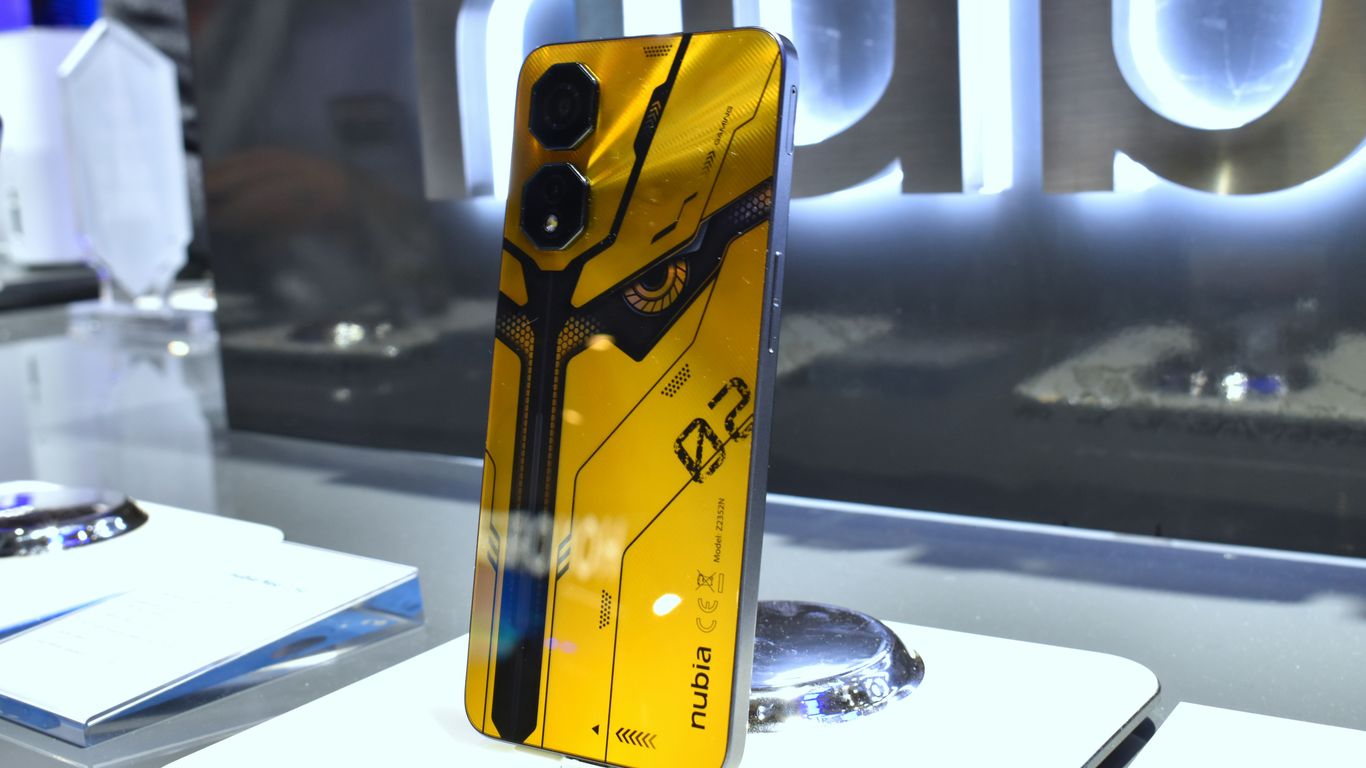
CES 2026 really felt like a turning point, and a big part of that was the new CES Foundry. Think of it as a special zone, set up at the Fontainebleau, where the really cutting-edge stuff got its moment. It wasn’t just about looking at screens; it was about seeing how things like AI and quantum computing are actually starting to take shape. This is where the future wasn’t just talked about, it was put on display. You could see how these complex technologies are moving from theory to something you can actually interact with, even if it’s just a demonstration.
Connecting Visionaries and Leaders
This Foundry wasn’t just for the tech itself, but for the people behind it. It was a place where the big thinkers and the folks making things happen could meet. Imagine a room buzzing with inventors, investors, and industry leaders all focused on the next big thing. They were there to share ideas, talk about what’s next, and maybe even strike up partnerships. It’s like a backstage pass to the future of innovation, where the conversations happening could shape what we see in the market for years to come.
Demonstrating Near-Term Market-Ready Innovations
What was really cool about the CES Foundry was that it wasn’t all far-out concepts. Sure, there were some mind-bending ideas, but a lot of what was shown was actually ready to go, or very close to it. We’re talking about technologies that could realistically hit the shelves or change how businesses operate in the next year or two. It’s a good sign that the wild ideas we see at these shows are starting to become real products. It helps cut through the hype and shows what’s genuinely practical and ready for us to use.
Looking Ahead
So, CES 2026 wrapped up, and it’s clear that AI isn’t just a buzzword anymore; it’s the engine driving pretty much everything we saw. From robots that feel more real to health tech that promises longer lives, the future is starting to feel less like science fiction and more like, well, next Tuesday. We saw a lot of cool stuff, some practical, some a bit out there, but it all points to a world where tech is getting more integrated into our daily lives. It’s exciting to think about what these trends mean for us and how they’ll shape things in the coming years. Keep an eye out, because the pace of change isn’t slowing down anytime soon.
Frequently Asked Questions
What was the biggest technology trend at CES 2026?
Artificial Intelligence (AI) was everywhere at CES 2026. It wasn’t just a cool new thing; it was the basic building block for almost all the new inventions shown. Think of it as the engine powering everything else.
What is ‘agentic AI’ and why was it important?
Agentic AI refers to AI that can act on its own to achieve goals. At CES 2026, we saw more of this kind of AI, which can handle tasks independently, making technology smarter and more helpful in specific industries like healthcare and manufacturing.
Were there any new kinds of robots at CES 2026?
Yes! Humanoid robots, which look and act like humans, were a big deal. They’re moving from science fiction into reality, showing they can do more than just perform simple tasks. It’s like shaking hands with the future!
How is technology changing our health and how long we live?
CES 2026 showed lots of new health tech. This includes better ways to use biotechnology and digital tools like smartwatches and online doctor visits to help people live healthier and longer lives. It’s all about making health care easier and more personal.
What kind of new vehicles were shown at CES 2026?
Cars are becoming more like computers on wheels! They’re now ‘software-defined,’ meaning AI can personalize your driving experience. Plus, there were advances in electric power and smarter ways to manage energy, all important for powering these new technologies.
What is the ‘CES Foundry’?
The CES Foundry was a special place at CES 2026 where experts showed off and talked about the newest AI and quantum computer technologies. It was a spot for smart people to connect and see what’s coming next in the tech world.