CES 2026 just wrapped up in Las Vegas, and wow, there was a lot to see. It’s that time of year when tech companies pull out all the stops, showing off everything from screens that are bigger than my apartment to robots that might actually do chores. Some of it is ready for us now, some of it feels like a peek into the future, and some of it is just plain wild. But that’s what makes CES exciting, right? We saw some pretty cool new ces products that could change how we live and play.
Key Takeaways
- Big screens are getting even bigger and better, with Samsung showing off a massive 130-inch Micro RGB TV and LG continuing its ultra-thin Wallpaper TV line.
- Home automation is getting smarter, featuring robots like LG’s CLOiD that could help with chores and advanced robot lawnmowers that don’t need boundary wires.
- Wearable tech is integrating AI to offer more personalized insights, from smart glasses acting as assistants to advanced pet collars monitoring health.
- Mobile and computing devices are exploring new forms, like Motorola’s TriFold phone with multiple folding screens and HP’s keyboard-based PC for compact workspaces.
- Connected devices are aiming for simpler, smarter living, with innovations in wireless power, autonomous solar charging, and even smart fridges that scan barcodes.
Revolutionary Display Technologies Unveiled
CES 2026 really showed us that screens are getting way more interesting. We’re not just talking about bigger TVs anymore; it’s about how displays can change and adapt to our lives.
Samsung’s Expansive 130-Inch Micro RGB TV
Samsung dropped a massive 130-inch Micro RGB TV that honestly felt more like a piece of art than a television. This thing uses tiny individual red, green, and blue LEDs for each pixel. What that means for you is colors that are super accurate and blacks that are really, really dark. It’s designed to look good even when it’s off, blending into your room. Plus, it has sound built-in and uses AI to make whatever you’re watching look its best. Expect this ultra-premium display to start showing up later in 2026.
LG’s Ultra-Slim Wallpaper TV W6 Series
LG is back with another super thin TV, calling it the W6 series. This new model is just a fraction of an inch thick and is meant to hang on your wall almost like a picture frame. Available in 77 and 83 inches, it’s a 4K OLED that really disappears into the wall. It’s amazing how far TV tech has come since LG first showed off a similar idea years ago. This is definitely a step towards TVs that are less intrusive and more integrated into our homes.
Lenovo’s Futuristic Rollable Laptop Concept
Lenovo showed off a concept laptop that’s pretty wild. It looks like a normal, powerful gaming laptop, but with a button press, the screen actually rolls out to become much wider. We’re talking about going from a standard 16-inch screen to something like a 21.5 or even 24-inch ultrawide display. This is fantastic for gamers who want a big screen experience without needing a separate monitor, especially when they’re on the go. While it’s just a concept right now, Lenovo has a history with this kind of tech, so maybe we’ll see something like this in the future. It’s a cool look at where laptop design might be headed. You can see more about the general innovations at CES that are shaping the future.
The Rise of Intelligent Home Automation
This year at CES, the focus on making our homes smarter felt less like a novelty and more like a genuine step towards a more automated lifestyle. We’re talking about devices that don’t just connect, but actually anticipate needs and take on tasks, freeing up our time. It’s like having a little help around the house, without the awkward small talk.
LG CLOiD Home Robot: A Glimpse into the Zero Labor Home
LG is pushing the idea of a "Zero Labor Home" with their CLOiD robot. This isn’t just another gadget that rolls around; CLOiD is designed to actually help with chores. Imagine a robot that can fold your laundry or help manage your other smart appliances. It has arms that move and a screen that shows expressions, making it feel more like a household member than just a machine. While it’s still early days and the show floor demos had a few hiccups, CLOiD represents a big leap in home robotics. It’s about robots doing real work, not just looking fancy.
LUBA 3 AWD Series Perimeter Wire-Free Robot Lawn Mower
Keeping the lawn tidy used to be a weekend chore, but LUBA is changing that. The LUBA 3 AWD Series is a robot lawn mower that doesn’t need those annoying boundary wires. It uses advanced navigation to figure out where it’s going, meaning you can set it up and let it do its thing without a complicated installation. This is a big deal for anyone who’s ever wrestled with those wires. It’s designed to handle different terrains too, so it’s not just for perfectly flat yards. This kind of automation means more free time and less time spent on yard work.
Roborock Dreame X50 Ultra: The Stair-Climbing Robot Vacuum
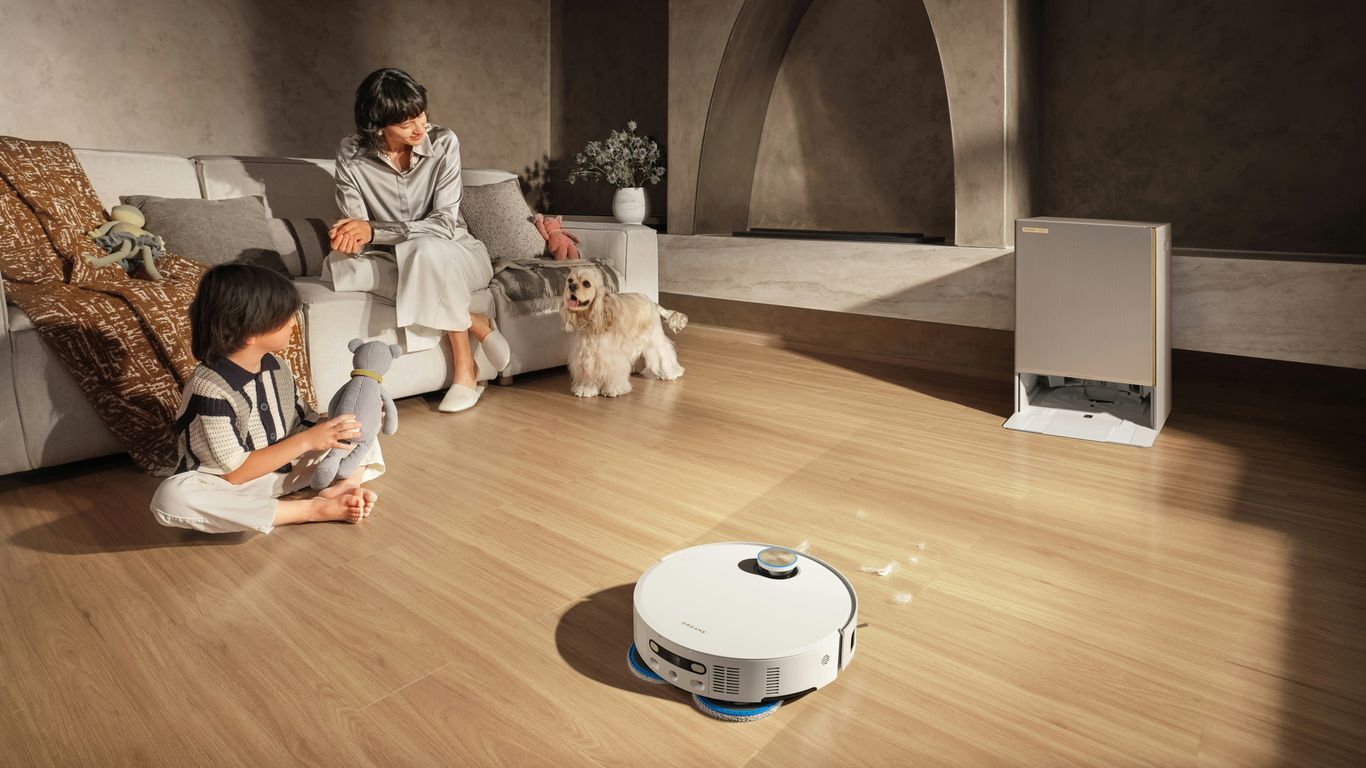
Robot vacuums have gotten pretty good at cleaning floors, but they usually get stuck if they encounter stairs. Roborock’s Dreame X50 Ultra tackles this problem head-on. This vacuum has legs, allowing it to actually go up and down stairs. It’s a pretty wild concept, and it means your cleaning robot can now cover more of your home without you having to move it. This innovation shows how companies are thinking outside the box to solve everyday problems. It’s a step towards a home where cleaning is truly hands-off, from the basement to the attic. You can find more smart home solutions from companies like SwitchBot that are also making everyday tasks easier.
Wearable Tech Evolves with AI Integration
AI is everywhere this year, and it’s not just in the big, flashy robots. It’s quietly making its way into the things we wear every day, making them smarter and more helpful. Forget just tracking your steps; wearables are starting to act like personal assistants and health advisors right on your wrist, in your ears, or even on your face.
Solos AirGo V2 AI Smart Glasses: Your Personal Assistant
Smart glasses have been around, but they often felt a bit clunky or limited. The Solos AirGo V2 aims to change that. These aren’t just for showing notifications; they’re designed to be a true AI companion. Imagine walking down the street and asking your glasses to identify a building, translate a sign in real-time, or even get directions without pulling out your phone. They use built-in cameras and AI to understand what you’re seeing and hearing, letting you interact with the world in a new way. It’s like having a helpful guide with you at all times, ready to answer questions or provide information based on your surroundings.
Satellai Collar Go: Advanced AI for Pet Health Monitoring
Our pets are family, and keeping them healthy is a top priority. The Satellai Collar Go is a new take on pet wearables. It’s not just a GPS tracker; it uses AI to monitor your pet’s vital signs, activity levels, and even subtle changes in behavior that might signal a health issue. Think of it as a constant health check-up for your dog or cat. The AI can learn your pet’s normal patterns and alert you to anything unusual, potentially catching problems early before they become serious. It’s a smart way to keep peace of mind when you can’t be with your furry friend 24/7.
Oura Ring 4: Deeper Insights into Sleep and Longevity
The Oura Ring has always been about understanding your body, particularly your sleep and recovery. The Oura Ring 4 takes this to the next level. While previous versions gave you scores for sleep and readiness, the new AI integration promises more personalized insights. It’s not just telling you how you slept, but why, and what you can do to improve. The focus is shifting towards longevity, using your data to provide actionable advice on how to live a healthier, longer life. It analyzes trends over time, looking for patterns that might impact your long-term well-being, making it a powerful tool for anyone interested in proactive health management.
Innovative Mobile and Computing Solutions
This year’s CES really showed us that the future of personal tech isn’t just about making things smaller or faster, but also about how they fold, connect, and even how they feel in your hand. Forget those boring black rectangles for a minute; the convention floor had some genuinely interesting ideas brewing.
Motorola Galaxy Z TriFold: The Next Generation of Foldables
Motorola is really pushing the envelope with their Galaxy Z TriFold. This isn’t just a foldable phone; it’s a triple-fold device. Imagine a regular smartphone that can unfold not once, but twice, to give you a screen that’s closer to a small tablet size. It’s pretty neat for multitasking or just watching videos on a bigger display when you’re out and about. They’ve put a lot of thought into the hinges, making sure it folds up nicely. This device aims to give you a tablet experience without needing a separate tablet. It’s a big step for foldable phones and shows how manufacturers are trying to make our devices do more.
HP Eliteboard G1a Keyboard PC: Compact Workstation Design
For those who need a proper keyboard but want something super portable, HP’s Eliteboard G1a is an interesting take. It’s basically a full PC built into a keyboard. You connect it to a monitor, and boom, you’ve got a workstation. This is perfect for people who travel a lot for work or maybe have a small workspace at home and don’t want a bulky tower. It’s a clever way to combine computing power with a familiar input device, making it easier to get work done anywhere.
Clicks Communicator: A Modern Take on the Physical Keyboard Phone
Remember physical keyboards on phones? Clicks is bringing that back with the Communicator. This Android phone has a full QWERTY keyboard that slides out, reminiscent of the old BlackBerry days. It’s designed to be a distraction-free device, which is a nice change of pace from constantly swiping on glass screens. You can even use it as a companion device to your main smartphone. It feels solid, and the keys have a satisfying click to them. It’s a bold move to bring back a physical keyboard, but for some of us, that tactile feedback is something we’ve really missed.
Smarter Living Through Connected Devices
This year at CES, the focus really shifted towards making our homes not just smart, but genuinely helpful. It feels like we’re finally moving past just having gadgets that can be controlled by an app, and into a space where devices actually work together to simplify our lives. It’s less about the ‘wow’ factor and more about practical improvements.
GE Profile Smart Fridge with Barcode Scanning
GE Profile showed off a refrigerator that’s trying to take some of the guesswork out of grocery shopping and meal planning. The big feature here is barcode scanning. You scan the items as you put them away, and the fridge keeps track of what you have and, importantly, when it’s set to expire. This could be a game-changer for reducing food waste. Imagine getting a notification that your milk is about to go bad, or the fridge suggesting recipes based on the ingredients you already have on hand. It’s a step towards a kitchen that actively helps you manage your food.
Willo Technologies: Wireless Power Transmission
This is the kind of tech that sounds like science fiction, but it’s getting closer to reality. Willo Technologies is demonstrating a way to transmit power wirelessly over a distance. Think about it: no more hunting for chargers, no more tangled cords. Devices within a certain range could just stay powered up. While they weren’t showing off powering a whole house, the demonstrations focused on smaller devices, like charging your phone or powering small appliances without any physical connection. This could fundamentally change how we interact with our electronics. It’s still early days, but the potential is huge for a cleaner, more convenient living space.
Jackery Solar Mars Bot: Autonomous Solar Charging
For those who are always on the go or live in areas with plenty of sun, the Jackery Solar Mars Bot looks pretty interesting. It’s essentially a portable solar generator that can move itself. You can set it up outside, and it will autonomously track the sun throughout the day to maximize its solar energy collection. It’s designed to be rugged and portable, meaning you could potentially take it camping or use it as a backup power source during outages. It’s a smart way to harness solar power without needing to be tethered to a fixed installation. It’s a step towards more independent and mobile energy solutions.
Interactive Play and Creative Tools
This year’s CES brought some really neat ideas for how we can play and create, blending the physical and digital worlds in fresh ways. It feels like companies are finally figuring out how to make tech feel more natural and less like a chore.
Lego Smart Play Bricks: Tactile Digital Interaction
Lego has always been about building, but now they’re adding light and sound to the mix with their new Smart Play Bricks. These aren’t your average Lego bricks; they have little sensors built right in. What’s cool is how they can talk to each other. They can tell how far apart they are, what color they are, and even how fast they’re moving. Plus, there are these tiny "smart tags" you can add to your builds. These tags give the bricks more information, like context about the model you’re building.
Imagine building an X-Wing fighter, and as you move it, the bricks make a "whooshing" sound. Or maybe you’re building a spaceship, and a specific tag tells the bricks to light up in a certain pattern. It’s a really smart way to bring digital effects into physical play without needing a screen all the time. The first sets are expected in March 2026, starting around $70. It’s a neat step for Lego, making the building experience even more engaging.
Rodecaster Video Core: Podcast Mixers Go Video
For anyone who’s gotten into podcasting over the last few years, Rode is a name you probably know. They’ve made some great audio gear. Now, they’re taking that expertise and pushing into video with the Rodecaster Video Core. This isn’t just about recording audio anymore; it’s about making your video content look and sound professional with less hassle.
Think of it as a central hub for your video production. It’s designed to simplify the process of mixing video feeds, audio, and graphics all at once. This means you can switch between cameras, add lower thirds or logos, and manage your audio levels, all from one place. It’s aimed at creators who want to produce higher-quality content without needing a full studio setup. The idea is to make multi-camera productions and live streaming much more accessible, letting you focus on your content rather than the technical side of things. It’s a smart move for creators looking to expand their reach beyond just audio.
Health and Wellness Innovations at CES
This year at CES, the focus on health and wellness felt more personal than ever. It’s not just about tracking steps anymore; it’s about using smart tech to really understand our bodies and improve our lives, whether that’s through better sleep, clearer hearing, or even just knowing what’s in our food.
Allergen Alert: Portable Food Allergen Detection
Food allergies can be a real headache, and honestly, eating out or visiting friends can feel like a gamble sometimes. But CES 2026 showed off a neat little device called the Allergen Alert. Think of it as a mini lab you can carry around. You pop a food sample into a special pouch, and within minutes, it tells you if common allergens are present. Chefs are already using it to check food before it even leaves the kitchen. It’s a big step towards making dining out less stressful for people with serious allergies. It even won an award for best startup, which says a lot.
Phonak’s Infinio Ultra Sphere Hearing Aids
Hearing aids have gotten a serious upgrade. Phonak’s new Infinio Ultra Sphere model is pretty impressive. It has its own AI chip that’s designed to pull voices out of noisy places – like busy restaurants or airports. This means conversations can be much clearer, even when there’s a lot going on around you. Plus, they can connect to multiple devices at once. So, you could be watching something on your tablet, and if your phone rings, the call comes right through your hearing aids without you having to switch anything. This is a big deal, especially since hearing loss isn’t just an issue for older folks anymore; it’s affecting younger people too.
Here’s a quick look at what makes them stand out:
- Dedicated AI Chip: Actively filters background noise to isolate speech.
- Multi-Device Connectivity: Pairs with up to eight Bluetooth devices, actively connected to two simultaneously.
- Clearer Conversations: Designed to make understanding speech easier in challenging environments.
This technology is making everyday interactions much more accessible.
Wrapping Up CES 2026
So, that was a peek at some of the coolest stuff shown off at CES 2026. It’s always wild to see what companies are dreaming up, from laptops that stretch out to TVs that are practically wall art. Not everything will make it into our homes, of course, but it’s fun to see where things are headed. It really feels like technology is getting more practical, with gadgets that aim to actually help us out day-to-day. We’ll have to wait and see what actually hits the shelves, but CES 2026 definitely gave us a lot to think about for the future.
Frequently Asked Questions
What exactly is CES 2026?
Think of CES 2026 as the biggest tech party of the year! It’s where companies from all over the world come to show off their newest and coolest gadgets. Some are ready to buy right now, while others are just a peek at what might be coming in the future. It’s a place for big ideas, wild inventions, and seeing what’s next in technology.
What kind of new TVs were shown at CES 2026?
This year, displays got even more amazing. Samsung showed off a massive 130-inch TV using tiny Micro RGB lights for super bright and colorful pictures. LG also impressed with their super thin ‘Wallpaper TV’ that almost disappears against the wall. It’s all about making screens bigger and better for a more immersive experience.
Were there any cool robots at CES 2026?
Oh yes! Robots are getting smarter and more helpful. LG showed a home robot called CLOiD that might help with chores like folding laundry. There was also a robot lawn mower that doesn’t need any wires, and a robot vacuum that can actually climb stairs! It seems like robots are getting ready to help out around the house more and more.
How is wearable tech changing with AI?
Wearable gadgets are getting way smarter thanks to AI. Imagine smart glasses that act like your personal assistant, helping you understand things around you or translate languages. Pet owners can look forward to smart collars that keep an eye on their dog’s health using AI. Even fitness trackers like the Oura Ring are promising deeper insights into your health and sleep.
What’s new with phones and computers?
Phones are getting more flexible, with Motorola showing off a ‘TriFold’ phone that can unfold into a big tablet. For computers, there were some clever designs like HP’s keyboard that’s also a PC, saving space. And for those who miss old-school texting, a phone called the Clicks Communicator brings back a physical keyboard.
Did CES 2026 have any unique smart home or outdoor tech?
Absolutely! GE showed a smart fridge that can scan barcodes to keep track of your food. There’s also exciting progress in wireless power, meaning you might charge devices without plugging them in. And for outdoor adventures, a solar charging station that can move itself to follow the sun was a big hit.