So, what’s the deal with China’s renewable energy scene in 2025? It’s a pretty big topic, and honestly, the numbers are kind of wild. We’re talking about a massive shift in how the country gets its power. This article is going to break down what the latest data shows about China’s renewable energy percentage in 2025. It’s not just about solar panels and wind turbines; it’s about how this is changing their economy and the world. Let’s take a look.
Key Takeaways
- China’s wind and solar power capacity has really taken off, now making up almost half of the country’s total power generation. It’s even surpassed coal in terms of installed power generation capacity.
- Big money is flowing into clean energy infrastructure. Investment in energy projects hit a record high in 2025, with renewables grabbing a huge chunk of that capital. They’re also working on upgrading the grid to handle all this new power.
- Electric vehicles and battery production are huge drivers for China’s clean energy push. Solar power remains a leader, and offshore wind is making a comeback.
- The clean energy transition is seriously boosting China’s economy. These sectors are growing faster than the overall economy and have a significant impact on GDP.
- While things are moving fast, there are still hurdles. Integrating all this new renewable energy into the grid and figuring out new pricing systems are big challenges. Plus, they’re balancing domestic needs with export demands.
Renewable Energy Dominance in China’s Power Landscape
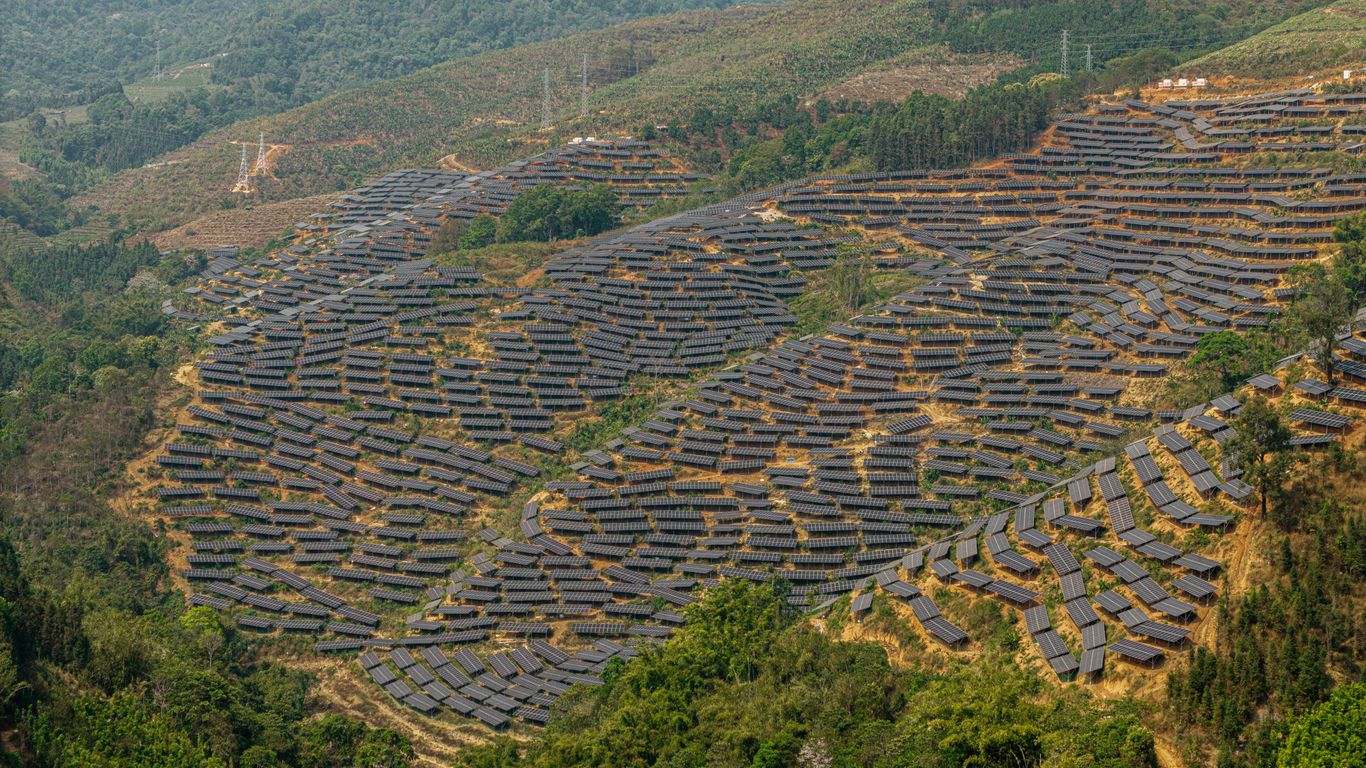
It’s pretty clear that China’s move towards renewable energy isn’t just a small shift; it’s becoming the main event. We’re seeing wind and solar power really take over, and it’s happening faster than many expected.
Wind and Solar Capacity Surpasses Coal
For a long time, coal was the king of power generation in China. But that’s changing, and fast. By early 2025, the combined capacity of wind and solar power generation actually overtook coal. This is a huge milestone. Think about it: just a few years ago, wind and solar together generated about half as much electricity as other clean sources like hydro and nuclear. Now, they’re leading the pack.
Here’s a quick look at how things have stacked up:
| Energy Source | Capacity (GW) – Early 2025 | Change from Previous Year |
|---|---|---|
| Wind & Solar | 1,408 | Significant Increase |
| Coal | (Estimated < 1,408) | Declining |
Record Growth in Clean Energy Deployment
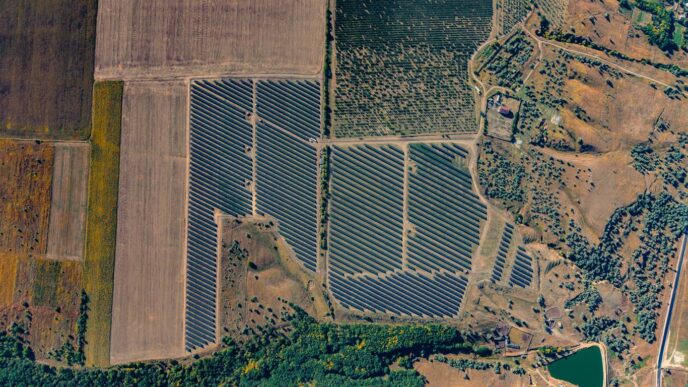
The numbers for new clean energy installations are just staggering. In 2024, China’s installed solar capacity jumped by over 35%, hitting a massive 1.20 terawatts (TW). Wind power wasn’t far behind, with total installed capacity reaching 640 gigawatts (GW), a nearly 23% increase. This kind of growth isn’t just a blip; it’s a trend that’s been building for a while.
What’s driving this surge?
- Massive Investment: China is pouring money into clean energy infrastructure, making it the biggest investor globally.
- Technological Advancements: Improvements in solar panel and wind turbine technology are making them more efficient and cost-effective.
- Government Support: Policies and targets are pushing for faster adoption of renewables.
Provincial Leadership in Renewable Generation
This renewable energy boom isn’t happening uniformly across the country. Some provinces are really stepping up and leading the charge. We’re seeing several provinces where wind and solar power now make up more than a quarter of their total electricity generation. That’s a big deal when you consider the national average. Fourteen provinces are already generating more wind and solar power than the average seen in developed countries (OECD average). If you looked at just four of these provinces as individual countries, they’d actually rank among the top ten solar power generators worldwide. It shows how serious some regions are about making the switch.
Investment Surge in Clean Energy Infrastructure
Wow, China really opened its wallet for clean energy in 2025. We’re talking about a massive injection of cash into building out the country’s power system, and renewables are definitely getting the lion’s share. The National Energy Administration (NEA) reported that total investment in major energy projects hit a staggering 3.5 trillion yuan, which is close to $500 billion USD. That’s an almost 11% jump from the year before, and it’s the first time the annual energy investment has reached this level. It’s like they decided to go all-in.
Unprecedented Annual Energy Investment
This wasn’t just a small bump; it was a significant increase, marking a record year for energy project spending. This surge shows a clear commitment to expanding and modernizing China’s energy infrastructure at a pace that’s pretty hard to match globally. It’s not just about adding capacity; it’s about building a whole new energy future.
Dominance of Renewables in Capital Allocation
While investment did spread across different energy types, including some spending on coal and grid security, the bulk of the new capital flowed into renewable sources. We saw over 430 gigawatts (GW) of new wind and solar capacity added just in 2025. This pushed the combined installed capacity for wind and solar past 1.8 terawatts (TW), meaning they now make up nearly half of China’s total power generation capacity. It’s pretty clear where the money is going.
Here’s a quick look at where some of that investment went:
- Solar Power: Investment in new solar generation capacity alone reached about 1.18 trillion yuan ($164 billion USD).
- Wind Power: Onshore wind projects saw a particularly fast rise in spending, with investment jumping by almost 50% compared to 2024. Offshore wind also saw a significant boost.
- Electric Vehicles & Batteries: The EV sector also attracted a huge amount of capital, with significant investments in manufacturing capacity and charging infrastructure. Battery manufacturing and exports were also major recipients of funds.
Grid Modernization to Accommodate Renewables
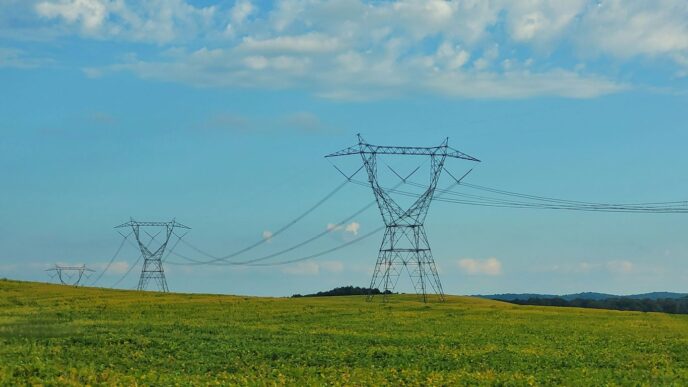
All this new renewable energy needs a place to go, right? That’s where grid modernization comes in. A big chunk of the investment went into upgrading and expanding transmission lines, especially those designed to move electricity from the resource-rich western parts of China to the heavily populated eastern regions. Private companies are playing a bigger role here too, with their investment in major energy projects seeing a notable year-on-year increase. It’s a complex puzzle, making sure the grid can handle all this new, often intermittent, clean power.
Key Drivers of China’s Renewable Energy Expansion
So, what’s really pushing China to go all-in on renewables? It’s not just one thing, but a mix of powerful forces. Think of it like a perfect storm, but for clean energy.
Electric Vehicles and Battery Manufacturing Boom
This is a big one. China has become the undisputed global leader in making electric vehicles (EVs) and the batteries that power them. It’s a snowball effect: more EVs mean more demand for batteries, and China’s massive manufacturing capacity means they can produce them cheaper and faster than anyone else. This isn’t just about cars on the road; it’s about creating a whole ecosystem. The sheer volume of battery production is staggering, with China adding more storage capacity in recent years than the US and EU combined. This surge in battery tech is also vital for storing renewable energy when the sun isn’t shining or the wind isn’t blowing.
Solar Power’s Continued Market Leadership
Solar energy is still king in China, and it’s not slowing down. By the end of 2025, China’s installed solar capacity hit a massive 1.20 terawatts. That’s a nearly 35% jump from the year before! It’s pretty wild to think that just a few years ago, solar and wind combined generated half as much electricity as other clean sources. Now, they’re pulling way ahead. This growth isn’t just happening in big, utility-scale farms; you’re seeing solar panels pop up everywhere, from rooftops to industrial areas. The cost of solar has dropped so much that it’s often the cheapest option for new power generation.
Offshore Wind Power Rebound
While solar has been grabbing headlines, offshore wind is also making a strong comeback. After a bit of a dip in 2024, investment in offshore wind projects doubled in 2025. This is important because offshore wind farms can generate a lot of power, especially in coastal areas where demand is high. China is really pushing to develop these projects, tapping into its long coastline. It’s a bit more complex and expensive to build offshore, but the payoff in terms of clean energy generation is significant. Plus, it helps diversify their renewable portfolio beyond just solar.
Economic Impact of the Clean Energy Transition
So, what’s all this clean energy stuff doing for China’s economy? Turns out, quite a lot. It’s not just about cleaner air; it’s become a major engine for growth. In 2025, clean energy sectors chipped in a massive 15.4 trillion yuan, which is about 11.4% of the country’s entire GDP. That’s a huge chunk, comparable to the whole economy of a country like Canada or Brazil. Honestly, without these green industries, China would have likely missed its GDP growth targets for the year.
Significant Contribution to GDP Growth
These clean energy industries are growing way faster than the rest of the economy. While the overall economy saw about a 5% expansion, the clean energy sector itself was zooming ahead at an 18% annual growth rate in 2025. The real stars of the show here are electric vehicles (EVs), batteries, and solar power. These three areas alone accounted for two-thirds of the value added by the clean energy sector and attracted more than half of all the investment poured into these green initiatives. It’s pretty wild to think that if these clean energy sectors were their own country, they’d be the 8th largest economy in the world!
Clean Energy Sectors Outpacing Overall Economy
Let’s break down where the money and growth are really coming from. The investments in clean energy are staggering – 7.2 trillion yuan in 2025. That’s about four times more than what was invested in fossil fuels and coal power combined. The table below gives you a clearer picture of how different parts of the clean energy world are contributing:
| Sector | Activity | Value in 2025 (CNY bln) | Year-on-Year Growth | Contribution to GDP Growth |
|---|---|---|---|---|
| EVs | Production of vehicles | 3,940 | 29% | 36.4% |
| Batteries | Exports: batteries | 724 | 51% | 10.1% |
| Solar power | Investment: power generation | 1,182 | 15% | 6.3% |
| Wind power | Investment: onshore capacity | 612 | 47% | 8.1% |
| Rail transportation | Transport of passengers/goods | 1,020 | 23% | 1.3% |
| Energy storage | Investment: grid batteries | 232 | 52% | 3.3% |
As you can see, EVs and batteries are really driving things forward, making up a huge part of the economic impact. But it’s not just about manufacturing; electricity generation from solar and wind, along with the infrastructure to support it, also plays a big role. Even things like rail transport are seeing a boost as the country shifts towards cleaner ways of moving goods and people.
Global Implications of China’s Clean-Tech Investments
It’s not just China benefiting, either. All these investments China is making in clean technology are actually helping to bring down costs for things like solar panels and wind turbines worldwide. This makes it easier for other countries, especially developing ones, to adopt cleaner energy sources too. So, while China is building its own green economy, it’s also kind of leading the charge for a global energy shift. Plus, the sheer scale of China’s clean-tech manufacturing means they’re a major player in global supply chains, influencing prices and availability for everyone.
Challenges and Future Outlook for Renewables
Even with all the amazing progress China has made in renewable energy, it’s not all smooth sailing. There are definitely some bumps in the road ahead that need attention.
Navigating Grid Integration and Utilization
So, we’ve got all this new wind and solar power coming online, which is fantastic. But getting all that electricity from where it’s generated to where people need it, and making sure the grid can handle it, is a big puzzle. China’s been pouring money into upgrading its transmission lines, especially those super high-voltage ones, and connecting different regions. The goal is to cut down on wasted energy (that’s "curtailment" in fancy terms) and make the whole system more flexible. Still, looking at how much of this new capacity is actually being used, it’s clear there’s work to do. As more and more renewable power comes online, managing the grid and making market rules smarter will be key to using all this new equipment efficiently. It’s like building a huge highway system – you need to make sure the cars can actually use it without getting stuck.
Impact of New Pricing Systems on Solar Growth
Things got a bit uncertain for solar power recently. A new way of pricing renewable electricity started up, and it caused a bit of a slowdown. Honestly, it’s created a lot of questions about what’s next. The government’s targets for adding clean electricity are actually set lower than how fast things were growing before. This shift has led to less money being put into new solar projects and even solar manufacturing in the latter half of last year. It’s a bit of a risk because the current setup sometimes favors coal power. The good news is that the cost of solar tech has dropped so much that even if its contribution to the economy looks smaller on paper due to price changes, the industry’s overall importance is still huge. Policymakers are trying to avoid a slump in the domestic market, which could also lead to more pressure to export, potentially causing trade issues.
Balancing Domestic Demand and Export Pressures
China’s been exporting a lot of solar panels and parts, and that number hit a record high in 2025. But here’s the thing: the actual value of these exports went down. This is partly because prices have fallen and because China is now exporting more of the basic components rather than just finished panels. This shift is happening as more countries start making their own solar gear. On the flip side, keeping the domestic market strong is super important. If things slow down at home, there’s a bigger push to sell overseas, which can create trade friction. Local governments and big state-owned companies also play a huge role. Their past plans really helped build up massive renewable energy sites, often going beyond what the central government had aimed for. The new five-year plans coming out soon will be really important for seeing where things are headed next.
Diversification Within Clean Energy Sectors
While solar and wind get a lot of the spotlight, China’s push for cleaner energy isn’t just about those two. The country is actually building out a whole range of green technologies, and it’s pretty interesting to see how they all fit together.
Hydropower, Wind, and Nuclear Contributions
It’s easy to forget about the older players in the clean energy game, but hydropower, wind, and nuclear power still make up a significant chunk of China’s green energy mix. In 2025, these sectors together added about 2.2 trillion yuan to the economy. Most of that value came from the actual electricity generated, but there was also investment in new projects. Solar power generation grew a lot, but wind power projects actually contributed the most to growth in new power generation capacity for the first time in a while. Offshore wind, in particular, saw a nice comeback in investment after a bit of a dip. Nuclear power investment is still growing, though it’s smaller compared to wind and solar. Hydropower investment, on the other hand, continued to drop a bit.
Growth in Energy Storage and Efficiency
Beyond just generating power, China is also focusing on how to store it and use it more wisely. This includes things like battery storage, which is super important for making sure the grid stays stable when you have a lot of wind and solar coming online. While the data doesn’t go into super deep detail on storage specifically in this section, it’s a known area of focus. Improving energy efficiency across industries and in buildings is also a big part of the puzzle, meaning less energy is wasted in the first place.
Role of Rail Transportation in Clean Energy Economy
Believe it or not, rail transportation is playing a role in China’s clean energy story too. It’s responsible for a decent slice of the economic output from these sectors. Think about it: moving materials for building solar panels or wind turbines, or transporting goods produced by electric vehicles. While its growth wasn’t as explosive as some other areas, it’s a steady contributor. Investment in rail infrastructure saw a decent increase, and the amount of passenger and freight traffic on the railways also went up. It’s all part of the bigger picture of making the whole economy run cleaner.
So, What’s the Takeaway for 2025?
Looking at all the numbers for 2025, it’s pretty clear China’s push for renewable energy isn’t slowing down. We saw massive investment across the board, especially in solar and wind power, which are now making up a huge chunk of the country’s electricity. Even with some bumps in the road, like figuring out how to best use all this new power and dealing with market changes, the trend is undeniable. Electric vehicles and battery tech are also booming, showing a big shift in how China uses energy. It seems like the focus on cleaner energy is here to stay, shaping both the economy and the environment for years to come.