China’s Ambitious Satellite Network Proposals
China’s making some serious moves in space, and it’s not just about planting a flag. They’re talking about building massive satellite networks, the kind that could really change how we connect to the internet and how data moves around the globe. Think of it like a whole new layer of infrastructure, but way up in orbit.
Understanding the Scale of Proposed Constellations
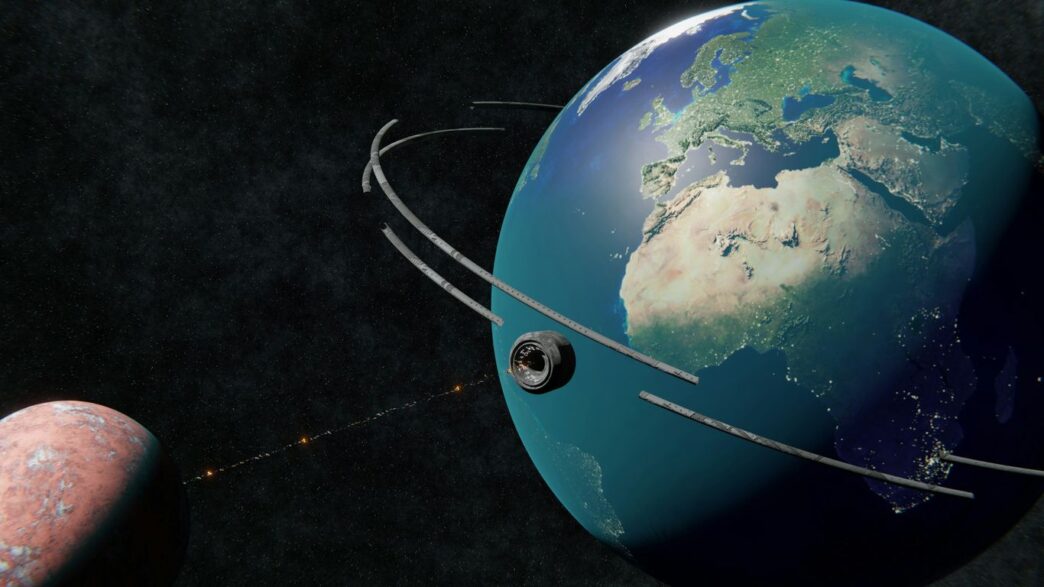
So, what are we talking about here? China has filed plans for not one, but two huge satellite constellations. These aren’t small projects; they’re talking about numbers that dwarf what’s up there now. One is called Guowang, which is backed by the state, and the other is Qianfan, sometimes called "Thousand Sails." Guowang is aiming for a mind-boggling 13,000 satellites, while Qianfan wants around 15,000. And get this, there are even whispers of plans for two more constellations, each with nearly 100,000 satellites! To put that in perspective, the entire world currently has about 14,300 active satellites. SpaceX’s Starlink, which seems huge, has around 9,400. China’s filings suggest an intent to dominate the orbital space for data transmission in the coming decades. It’s a big play for what they call "satellite internet," and it’s officially part of their national infrastructure strategy.
Comparison with Existing Global Satellite Fleets
When you line up China’s proposed networks against what’s already flying, the difference is stark. Starlink, the most prominent LEO constellation today, has been deploying rapidly, but even its scale is dwarfed by the numbers China is putting forward. While Starlink has thousands of satellites, China’s plans for Guowang and Qianfan, and potentially even larger future projects, aim for tens of thousands. This isn’t just about having more satellites; it’s about creating a fundamentally different orbital landscape. It’s like comparing a small town’s road network to a national highway system – the scale and ambition are on a different level.
Strategic Intent Behind Large-Scale Filings
Why all these satellites? It’s more than just providing internet. This is about securing a place in the future digital world. By filing for so many satellites and the radio frequencies they need, China is essentially claiming territory in orbit. This move is tied to their broader goals: building a global communications network, supporting the development of future technologies like 6G, and ensuring they have control over their own digital infrastructure. It’s a strategic move to be a major player, not just a participant, in how the world communicates and shares information.
| Constellation Name | Target Satellite Count | Backing | Status |
|---|---|---|---|
| Guowang | ~13,000 | State | Active Deployment |
| Qianfan | ~15,000 | Municipal | Active Deployment |
| CTC-1 (Proposed) | ~96,714 | N/A | Filing |
| CTC-2 (Proposed) | ~96,714 | N/A | Filing |
Technical Realities of Launching Mega-Constellations
So, China’s talking about launching nearly 200,000 satellites. That’s a lot. Like, a lot lot. It makes you wonder, can they actually pull it off? It’s not just about wanting to; it’s about the sheer engineering and logistical mountain they’d have to climb.
The Challenge of Manufacturing and Launch Cadence
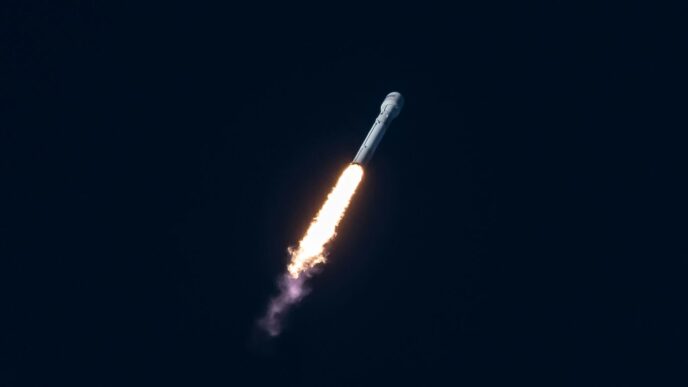
Think about it: to get that many satellites into orbit within the typical seven-year timeframe the ITU allows for filings, China would need to launch hundreds, maybe even thousands, of rockets every single year. That’s way beyond their current launch rate, which was around 92 orbital launches in 2025. To put it simply, they’d need a launch capacity that’s currently unimaginable. This isn’t just about building more rockets; it’s about building them reliably and frequently, and then having the ground infrastructure to support that kind of tempo. We’re talking about a manufacturing pipeline for satellites that would need to churn out hundreds of units per week. That’s a scale that makes even SpaceX’s Starlink production look modest by comparison.
Required Advancements in Launch Vehicle Technology
To even get close to such a launch cadence, China would likely need to develop and deploy fully reusable, high-capacity launch vehicles. Think along the lines of SpaceX’s Starship, but perhaps even more advanced or numerous. Relying on traditional expendable rockets just wouldn’t cut it. The cost and the sheer number of launches would be astronomical. This means significant investment in new rocket designs, advanced materials, and sophisticated manufacturing processes for the launch vehicles themselves. It’s a massive technological leap that requires not just innovation, but also proven reliability.
Manufacturing Small Satellites at Scale
Beyond the rockets, there’s the matter of the satellites themselves. Producing tens of thousands, let alone hundreds of thousands, of small satellites requires a manufacturing setup that treats them almost like a commodity. This means highly automated production lines, standardized components, and rigorous quality control that can keep pace without sacrificing reliability. It’s a shift from building bespoke spacecraft to mass-producing them. The supply chain for all the necessary components would also need to be robust and capable of handling such immense demand. It’s a whole industrial ecosystem that needs to be built or drastically scaled up.
Orbital Congestion and Space Debris Concerns
So, we’re talking about China’s massive satellite plans, right? It’s pretty wild to think about, but all these new satellites flying around bring up some serious questions about space. It’s not just about having more internet access; it’s about what happens when you cram thousands, maybe even hundreds of thousands, of objects into the same orbital paths.
Increased Collision Probabilities with Dense Fleets
This is probably the biggest worry. Imagine a highway during rush hour, but in space. When you have a lot more satellites, especially in busy low Earth orbit, the chances of them bumping into each other go way up. It’s not just about the planned satellites either. We’ve got old rocket parts, defunct satellites, and all sorts of junk floating around already. Adding a huge new fleet means more potential for things to go wrong. Even a small collision can create a cascade of debris, making that area of space unusable for a long time. It’s like a snowball effect, but with space junk.
Necessity of Advanced Space Traffic Management
Because of this risk, we’re going to need some seriously smart systems to keep track of everything. Think of it like air traffic control, but for space. We need ways to monitor where every single satellite is, predict where they’re going, and make sure they don’t get too close to each other. This means:
- Real-time tracking: Knowing the exact position of every satellite and piece of debris.
- Predictive modeling: Using sophisticated software to forecast potential collisions days or even weeks in advance.
- Automated avoidance maneuvers: Satellites that can automatically adjust their orbits to dodge trouble without human intervention.
Without this kind of advanced management, especially with swarms of satellites, even tiny errors in their flight paths could lead to thousands of close calls every day.
Mitigation Strategies for Orbital Debris
It’s not just about avoiding collisions; we also need to deal with the junk that’s already there and prevent new junk from being created. This is where mitigation comes in. For these new mega-constellations, there are a few key ideas:
- Controlled deorbiting: Satellites need to have enough fuel and reliable systems to be steered into the atmosphere to burn up when their mission is over. This is way better than just letting them drift and become space hazards.
- Low Earth Orbit focus: Keeping most satellites in lower orbits helps because they naturally re-enter the atmosphere faster due to drag. It’s a natural cleanup mechanism, but it only works if they’re in the right place.
- Design for demise: Building satellites that are more likely to burn up completely upon re-entry can reduce the risk of pieces hitting the ground.
There’s a lot of talk about international rules and norms for space, and honestly, we really need them. Right now, it feels a bit like the Wild West, and with so many satellites planned, we could be heading towards a real problem if we don’t get our act together.
Market Stakes and Global Connectivity
It’s a bit of a race out there, isn’t it? Everyone’s trying to get their satellites up there to offer internet from space. China’s big plans, like the Guowang and Qianfan projects, are definitely part of this global push. They’re aiming to put thousands of satellites into orbit, which is a huge number. This isn’t just about providing internet to places that don’t have it; it’s also about who controls the flow of information and data globally.
The Race for Global Broadband Dominance
Think about it: if you can provide internet to billions of people, especially in areas where laying down fiber optic cables is just too difficult or expensive, you’re looking at a massive market. Analysts are talking about potential user bases in the tens or even hundreds of millions. That translates into some serious money, potentially billions of dollars in revenue each year for the companies that win this race. Right now, SpaceX’s Starlink is the big player everyone’s watching, but China’s efforts, along with others like Amazon’s Project Kuiper, show this is a global competition.
Potential for Multi-Billion Dollar Revenue Streams
China’s own market is huge, with a massive number of smartphone users and internet-connected devices. New satellite networks could tap into this, offering direct-to-device services. This could mean users stay connected even when terrestrial networks go down, like during natural disasters. Plus, for Chinese citizens traveling abroad, it could mean staying connected to their home network. Companies like Spacesail and China Satellite Network Group’s Guowang are positioned to capture a big chunk of this domestic market, especially since foreign services face regulatory hurdles.
Competition with Terrestrial 5G and 6G Systems
Of course, it’s not just about beating other satellite companies. These new satellite networks will also have to compete with what’s happening on the ground. As 5G gets better and 6G starts to become a reality, the lines between terrestrial and satellite internet are blurring. The idea is to create networks that work together, whether they’re on the ground, in the air, or in space. So, while satellite internet offers a way to reach underserved areas, it also needs to keep up with the speed and capabilities of the latest cellular technologies. It’s a complex puzzle, trying to figure out how all these different networks will work together and who will benefit the most.
Geopolitical Implications in Low Earth Orbit
Securing Orbital Slots and Radio Frequencies
So, China’s massive satellite filings aren’t just about having a lot of satellites; they’re also about claiming territory in space. Think of it like staking a claim on land before anyone else does. By filing for huge constellations, even if they don’t build them all right away, they’re essentially reserving those orbital paths and the radio frequencies needed to communicate with them. This is a pretty smart move, especially when you consider how many other countries and companies are also looking to launch their own satellite networks. It’s a bit of a "use it or reserve it" strategy. They get to control who else can operate in those valuable parts of the sky, at least for a while. This is a big deal because orbital slots and frequencies are finite resources. Once they’re taken, they’re taken.
National Security Interests and Reduced Reliance
Beyond just communication, these satellite networks have serious national security implications. Having your own robust satellite system means you don’t have to rely as much on other countries for critical data or communication links. This is especially important for military and intelligence operations. If a country can handle its own satellite communications, surveillance, and navigation, it’s less vulnerable to disruptions or interference from potential adversaries. It’s about building self-sufficiency in a domain that’s becoming increasingly important for global power. China’s push for these mega-constellations is partly about ensuring its own strategic independence in space.
Calls for Binding International Space Norms
All this activity in low Earth orbit is making a lot of people nervous. With so many satellites being planned, the risk of collisions goes way up. Plus, there are worries about space debris and how to manage traffic up there. It’s like a highway in the sky, and it’s getting really crowded. Because of this, there’s a growing push for clearer rules and agreements on how we should all behave in space. We need international standards for things like:
- Collision avoidance maneuvers
- Debris removal and prevention
- Sharing of orbital paths and radio spectrum
Without some kind of agreed-upon rules, low Earth orbit could become a pretty chaotic and dangerous place. It’s a complex issue, and getting everyone to agree on binding international norms is a huge challenge, but it’s something that needs to happen if we want to keep space safe and accessible for everyone.
Broader Impacts of Satellite Infrastructure
So, beyond just faster internet and maybe some cool new ways to track weather, what else is going on with all these satellites China wants to put up? It turns out, it’s a pretty big deal for a lot of different things.
Integration with Terrestrial and Future Networks
Think of these satellite networks not as separate things, but as part of a bigger puzzle. They’re meant to work hand-in-hand with the internet and phone signals we already have on the ground. It’s like adding a massive, super-fast highway system in the sky that connects to all the local roads. This is especially important as we look towards future tech like 6G, which is supposed to blend everything together – phones, Wi-Fi, and yes, satellites. China’s plans aren’t just about having satellites; they’re about making them a core part of their entire digital setup, not just an add-on service. It’s a long-term play to build out their infrastructure.
Applications in Remote Sensing and Disaster Response
These satellite fleets aren’t just for streaming movies, though. They can be used for some really important stuff. Imagine being able to get a super detailed look at farms to see how crops are doing, or tracking pollution levels from space. And when a natural disaster strikes – like a big earthquake or a flood – these satellites can give us a bird’s-eye view of the damage, helping rescue teams figure out where to go and what needs to be done. This kind of real-time information can make a huge difference in saving lives and resources.
Energy Demand and Environmental Considerations
Now, putting all these satellites up and keeping them running isn’t exactly free, energy-wise. Each satellite needs power, and the rockets that launch them burn a lot of fuel. When you’re talking about launching hundreds of thousands of satellites, that’s a massive industrial effort. We also have to think about what happens to the night sky. With so many bright objects flying overhead, it could really mess with telescopes trying to look at distant stars. Plus, there’s the whole question of how much energy all this space activity uses up, and what that means for the environment down here. It’s a lot to consider as we fill up the sky.
Looking Ahead: The Evolving Orbital Landscape
So, what does all this mean for the future? While the exact number of satellites China eventually launches might change, and some plans could face delays, the message is loud and clear. China is making a serious play to be a major player in the orbital space that will handle so much of our data and communication in the years to come. It’s not just about faster internet; it’s about who gets to shape the infrastructure of the sky. This push means more competition, more complex challenges with space junk, and a sky that looks very different from what we’re used to. It’s a big shift, and we’ll all be watching to see how it unfolds.