You hear the terms ‘clean energy’ and ‘renewable energy’ thrown around a lot, and honestly, they sound pretty similar, right? Like, if it’s renewable, it’s gotta be clean. But it turns out, there’s a bit more to it than that. This whole energy thing is getting pretty important, especially with, you know, the planet. So, figuring out what’s what is actually a good idea. We’re going to break down the differences, see where they overlap, and why it all matters for how we power our lives.
Key Takeaways
- Renewable energy comes from sources that nature keeps refilling, like the sun and wind. They don’t run out.
- Clean energy is all about not polluting too much, especially not releasing greenhouse gases. It’s about the emissions.
- Most renewable energy is also clean energy (think solar panels), but not always. Some methods can still cause pollution.
- Clean energy can include things that aren’t renewable, like nuclear power, because it doesn’t produce greenhouse gases during operation.
- Knowing the difference between clean energy vs renewable energy helps us make better choices for the environment and our future energy needs.
Defining Clean Energy vs Renewable Energy
Understanding The Core Definitions
It’s super common to hear "clean energy" and "renewable energy" thrown around like they’re the same thing. Honestly, I used to do it too! But as we start thinking more about where our power comes from and what it does to the planet, it’s actually pretty important to know the difference. It’s not just some technical jargon for scientists; it affects how we build our future energy systems.
Renewable energy is all about the source. Think of it as energy that comes from stuff that nature keeps making more of, like sunshine, wind, rain, or even heat from deep inside the Earth. The key idea here is that we won’t run out of it. It’s like having a tap that never stops flowing. We’re talking about solar panels soaking up rays, wind turbines spinning, rivers turning turbines, and geothermal plants tapping into underground heat.
Clean energy, on the other hand, is more about what comes out of the process. The main thing is that it produces very little, or ideally no, greenhouse gases or other nasty pollutants when it’s actually making electricity. So, while all solar and wind power is clean, not everything that’s clean is necessarily renewable. It’s a bit like saying "fruit" – apples are fruit, but so are bananas, and they’re different! Clean energy is a broader category that includes renewables but can also include other things that don’t pollute much during operation.
Key Characteristics Of Each Energy Type
Let’s break down what makes each type tick:
Renewable Energy:
- Source Replenishment: The defining feature is that the source naturally refills itself over time. It’s not a finite resource that we’ll use up.
- Sustainability Focus: The primary goal is long-term availability. We want power sources that can keep going for generations without depleting the planet’s reserves.
- Potential for Impact: While the source is endless, the way we harness it can still have environmental effects. Think about large dams or how biomass is grown and processed.
Clean Energy:
- Low Emissions: The main characteristic is minimal or zero release of greenhouse gases and air pollutants during electricity generation.
- Environmental Protection: The focus is on reducing harm to the atmosphere and improving air quality, which directly helps with climate change.
- Broader Inclusions: This category can include sources that aren’t naturally replenishing but still have a low operational impact, like nuclear power.
Why Precise Definitions Matter
So, why bother with these distinctions? It really matters when we’re talking about policies, investments, and even just understanding the news. Using the terms loosely can lead to confusion and misdirected efforts.
- Policy Making: Governments create rules and incentives. If they confuse clean and renewable, they might support the wrong technologies or miss opportunities to truly cut emissions.
- Investment Decisions: Businesses and investors need to know what they’re putting their money into. Are they funding something that’s truly sustainable long-term, or just something that has low emissions now but relies on a finite resource?
- Public Understanding: When we understand the difference, we can make better choices as consumers and citizens. We can ask better questions about where our energy comes from and what its real impact is.
Getting these definitions right helps us build a more effective and honest path toward a healthier planet and a reliable energy future.
The Overlap And Key Distinctions
It’s easy to get these terms mixed up, right? "Clean energy" and "renewable energy" sound like they mean the same thing, and honestly, a lot of the time they do overlap. But there are some pretty important differences to keep in mind if we’re going to make smart choices about our power. Think of it like this: all squares are rectangles, but not all rectangles are squares. Similarly, many renewable sources are clean, but not everything that’s clean is renewable.
When Renewables Are Also Clean
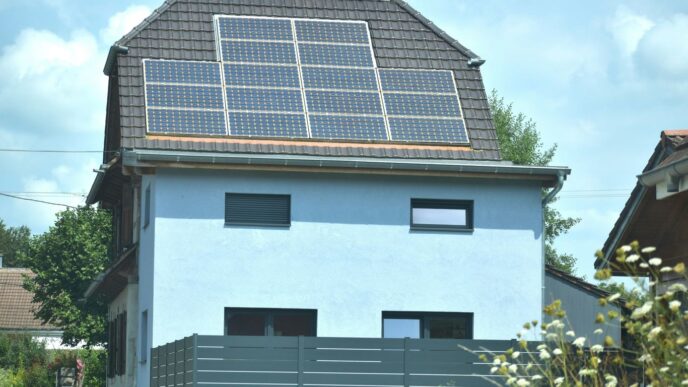
Most of the time, when we talk about renewable energy sources like solar panels soaking up the sun or wind turbines spinning, they’re also considered clean energy. This is because, during operation, they don’t pump out a lot of greenhouse gases that mess with the climate. They just… work, without adding much to the pollution problem.
- Solar Power: Harnesses sunlight with minimal operational emissions.
- Wind Power: Uses wind to generate electricity, also very low emissions.
- Hydropower: Generates power from moving water, clean during operation.
These are the poster children for both categories, and for good reason. They tick both the "won’t run out" and "doesn’t pollute" boxes.
When Clean Energy Is Not Renewable
This is where things get a bit more interesting. Some energy sources are "clean" because they don’t produce a lot of greenhouse gases, but the source itself isn’t something that replenishes naturally. The big example here is nuclear power. While a nuclear plant is running, it’s not releasing carbon dioxide into the atmosphere, which is great for fighting climate change. However, the uranium it uses is a finite resource, meaning it’s not renewable.
Another example could be advanced fossil fuel plants that use something called carbon capture technology. They’re burning coal or gas, which isn’t renewable, but they’re trying to trap the emissions before they get into the air. So, it’s cleaner than a regular old coal plant, but still not renewable.
Crucial Differences In Focus
The main takeaway is where the emphasis lies. Renewable energy is all about the source – is it going to run out? Can we keep using it forever? Clean energy, on the other hand, is primarily focused on the impact – how much pollution does it create, especially greenhouse gases? This distinction matters a lot when we’re looking at policies and deciding where to invest our energy dollars.
Here’s a quick breakdown:
- Renewable Energy Focus: Sustainability of the resource (e.g., sun, wind, water).
- Clean Energy Focus: Low or zero greenhouse gas emissions during operation.
- Overlap: Many sources (solar, wind) fit both definitions.
- Divergence: Some clean sources (nuclear) aren’t renewable, and some renewable sources (poorly managed biomass) might not be perfectly clean.
Examples Of Clean And Renewable Technologies
When we talk about clean and renewable energy, it’s easy to get them mixed up. They often go hand-in-hand, but they aren’t exactly the same thing. Let’s break down some of the technologies we see out there and where they fit.
Solar And Wind Power
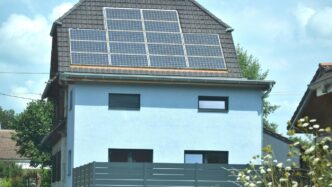
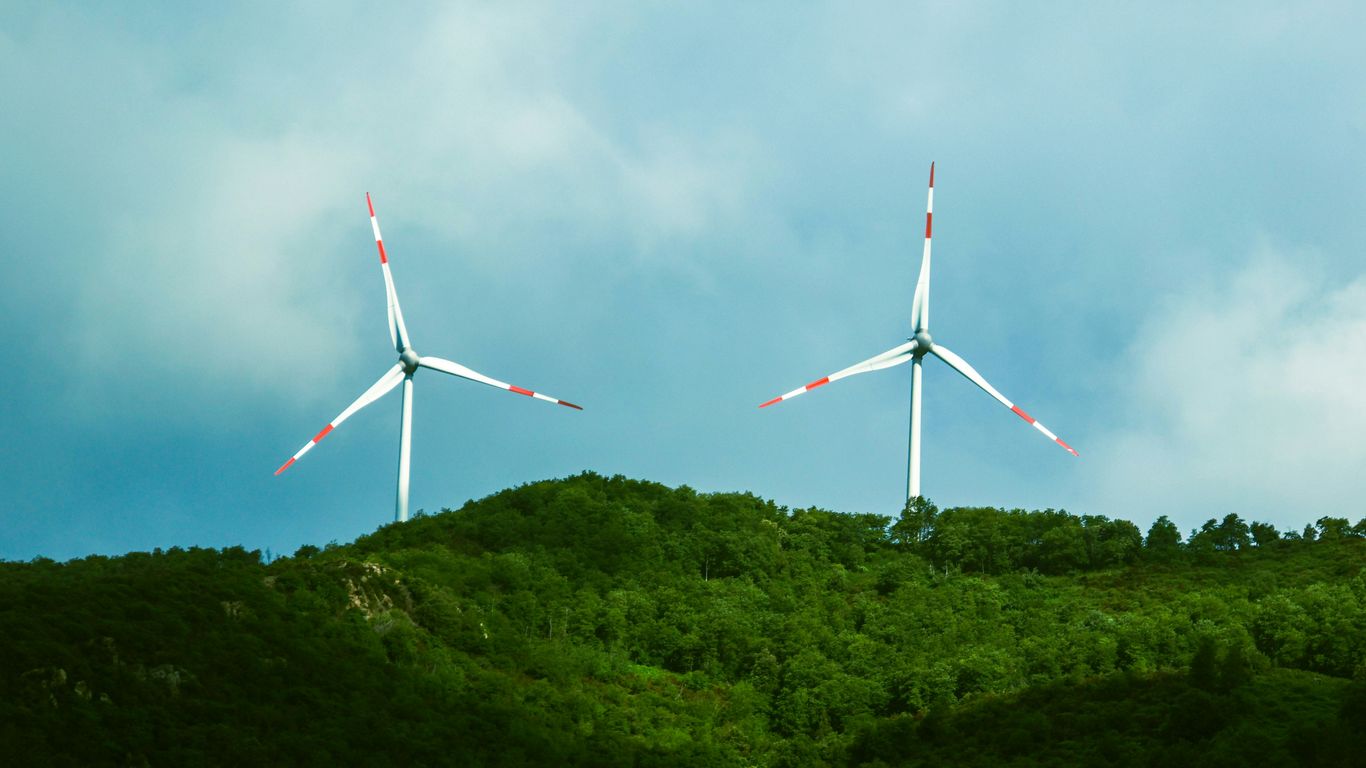
These are probably the ones most people think of first. Solar panels soak up sunshine and turn it into electricity. Wind turbines, those big spinning things you see on hills or out at sea, catch the wind. Both are fantastic examples of renewable energy because the sun and wind aren’t going to run out. They’re also considered clean because, once they’re up and running, they don’t pump out greenhouse gases. The catch? Making the panels and turbines does create some emissions, and their power output can be a bit unpredictable depending on the weather. Plus, we need to think about what happens to them when they’re old and worn out.
Hydropower And Geothermal Energy
Hydropower uses the force of moving water, usually from dams, to generate electricity. It’s been around for ages and can provide a lot of power reliably. However, building dams can really change river ecosystems and affect local communities. Geothermal energy taps into the heat from deep inside the Earth. It’s great because it can provide power 24/7, but you can only really build these plants in places where that underground heat is easily accessible. So, while they’re renewable and generally clean, they have their own set of challenges and limitations.
Nuclear Power’s Place In Clean Energy
This one’s a bit more controversial. Nuclear power plants don’t burn anything to make electricity; they use a process called fission. Because they don’t release greenhouse gases while operating, they’re definitely in the ‘clean energy’ camp. They can produce a huge amount of power from a small amount of fuel. But, here’s the thing: uranium, the fuel they use, isn’t renewable. And then there’s the whole issue of managing radioactive waste and the safety concerns that come with it. So, it’s clean in terms of air pollution, but not renewable and comes with its own unique risks.
Biomass Considerations
Biomass energy comes from burning organic stuff – think wood, crops, or even waste. It’s renewable because we can grow more plants. It can also be considered clean if done right, especially if it uses waste materials that would otherwise just rot and release methane. However, it’s not always straightforward. If we’re cutting down forests just to burn them, or if the burning process isn’t super efficient, it can still lead to air pollution and significant carbon emissions. The sustainability really depends on how the biomass is sourced and how it’s processed.
Environmental Impact And Sustainability
When we talk about clean and renewable energy, it’s easy to get caught up in the excitement of new technologies. But we really need to look at the bigger picture, you know? It’s not just about what powers our homes today, but what kind of planet we leave behind. That means thinking about the whole journey of an energy source, from the moment we dig up the raw materials to when we finally have to deal with the old equipment.
Assessing Greenhouse Gas Emissions
This is probably the most talked-about part. We all know that burning fossil fuels pumps a lot of greenhouse gases into the air, which is a major driver of climate change. Renewable sources like solar and wind are fantastic because they produce very little to no emissions while they’re actually running. But we can’t just stop there. We have to consider the emissions that come from making the solar panels, building the wind turbines, and transporting everything. Even things like manufacturing the concrete for wind turbine bases or the mining for materials used in batteries contribute. It’s a complex calculation, and different studies might give you slightly different numbers depending on what they include.
Here’s a rough idea of what we’re looking at for operational emissions (the actual running of the power source):
| Energy Source | Typical CO2 Emissions (g CO2eq/kWh) |
|---|---|
| Coal | 820 |
| Natural Gas | 490 |
| Solar PV | 41 |
| Wind | 11 |
| Nuclear | 12 |
| Hydropower | 24 |
Note: These are life-cycle averages and can vary significantly based on specific project details and manufacturing processes.
Resource Use and End-of-Life Impacts
Beyond emissions, there’s the whole issue of what resources we’re using up and what happens when these technologies reach the end of their useful life. Solar panels, for instance, require materials like silicon, silver, and aluminum, which need to be mined. Wind turbines use rare earth metals in their generators, and their massive blades, often made of fiberglass, are tough to recycle. Large-scale hydropower projects can drastically alter river ecosystems and displace communities. Even geothermal energy, while generally good, can sometimes release underground gases or require significant water use.
What happens when these things are no longer functional? We’re talking about:
- Recycling challenges: Developing efficient and cost-effective ways to recycle solar panels and wind turbine blades is a big hurdle.
- Land use: Wind and solar farms can take up a lot of space, which can impact local wildlife and habitats.
- Material sourcing: The mining for certain minerals can have its own environmental and social consequences.
- Waste disposal: What do we do with old batteries from electric vehicles or grid storage? This is a growing concern.
Balancing Environmental Trade-offs
Ultimately, choosing our energy sources involves making some tough calls. No energy source is perfectly “green” or “clean” without any impact at all. The goal is to pick the options that have the least negative impact and offer the most benefits for the long haul. This means looking at everything: how much pollution is produced, how much land and water is used, what happens to the waste, and how it affects local communities. It’s about finding a balance that moves us toward a sustainable future without creating a whole new set of problems. We need to be smart about it, constantly looking for ways to improve these technologies and their entire life cycles. It’s a continuous process of learning and adapting.
Navigating Policy And Market Complexities
It can get pretty confusing trying to figure out how different places define and support clean and renewable energy. Policies, incentives, and standards aren’t the same everywhere, and they change a lot. This makes it tricky for everyone involved, from big energy companies to folks just trying to understand their electricity bill.
Incentives And Regulatory Frameworks
Governments and local bodies often use incentives to push for cleaner energy. These can be tax breaks, money back on your bill, or grants for specific projects. But here’s the thing: what gets incentivized really depends on how they define ‘clean’ or ‘renewable.’ Some programs might give a boost to solar and wind, while others might include nuclear power or even technologies that capture carbon. It’s a balancing act.
- Renewable Portfolio Standards (RPS): These used to be common, requiring a certain percentage of electricity to come from renewable sources. Many states still have these.
- Clean Energy Standards (CES): These are becoming more popular. They often allow a wider range of low-carbon sources, not just renewables, which can offer more flexibility.
- Tax Credits and Rebates: These are direct financial incentives that can make projects more affordable.
The Role Of Definitions In Policy
How we define these energy types directly shapes which projects get funded and which technologies get a leg up. If a policy only counts solar and wind as ‘clean,’ then other low-carbon options might get overlooked, even if they’re important for keeping the lights on reliably. Getting these definitions right is key to making sure we meet our environmental goals without messing up the power grid or making energy too expensive. For instance, as more solar and wind come online, the value of power that can be turned on whenever needed – like from hydro or nuclear plants – becomes more apparent.
Advocating For Transparent Standards
Because things can get complicated, it’s really helpful to stay informed about the rules in your area. Sometimes, you might need to talk to local agencies or experts to get a clear picture. As standards evolve, being aware helps you make better choices and also allows you to speak up for policies that are clear, fair, and based on solid information. This way, we can all support the energy transition in a way that makes sense for the environment and our wallets.
Future-Proofing Energy Choices
So, we’ve talked about what clean and renewable energy mean, and how they’re different but also overlap. Now, let’s think about what this all means for the long haul. Making energy choices today isn’t just about meeting our needs right now; it’s about setting ourselves up for a stable and sustainable future. The energy landscape is changing fast, and what works today might need tweaking tomorrow.
Adaptability In Evolving Technologies
Technology moves at a breakneck pace, and the energy sector is no exception. Think about how solar panels and battery storage have gotten way cheaper and better over the last decade. What’s next? We’re seeing a lot of buzz around things like green hydrogen, which could be a game-changer for industries that are hard to electrify. Then there are small modular nuclear reactors (SMRs), which some folks think could offer a reliable, low-carbon power source without taking up a ton of space. It’s not just about picking one technology and sticking with it. It’s about building systems that can actually take on these new innovations as they mature and become more practical. This means being flexible with grid infrastructure and open to integrating different types of power generation and storage.
Building Resilience In Energy Systems
Reliability is key. We need power when we need it, no matter what. That’s where resilience comes in. Extreme weather events, for example, are becoming more common, and they can really mess with our power supply. Building a more resilient energy system means not putting all our eggs in one basket. It involves a mix of energy sources, smart grids that can reroute power if one part goes down, and distributed energy systems, like microgrids, that can keep critical facilities running even if the main grid fails. Think about it like having backup plans for your backup plans. This approach helps us weather storms, both literal and figurative, and keeps the lights on.
Prioritizing Long-Term Sustainability Goals
When we talk about sustainability, it’s easy to get caught up in just the carbon emissions. But there’s more to it. We also need to consider the resources we use to build these energy systems and what happens to them at the end of their life. For instance, making solar panels and wind turbines requires mining certain materials, and we need to think about how we can do that responsibly and how we can recycle these components when they’re no longer useful. A truly sustainable energy future means looking at the whole picture – from the mine to the recycling plant – and trying to minimize our impact every step of the way. It’s about making choices now that won’t create bigger problems down the road.
Wrapping It Up: Why the Difference Matters
So, we’ve talked about clean energy and renewable energy, and yeah, they sound pretty similar, right? But as we’ve seen, there are some real differences. Renewable energy is all about sources that just keep coming back, like the sun and wind. Clean energy is more about what comes out of the smokestack – or, ideally, nothing at all. This means things like nuclear power can be clean, even though they aren’t renewable. It’s easy to get them mixed up, especially when you hear them used interchangeably in the news. But knowing the difference helps us make smarter choices, whether we’re thinking about our own homes, supporting new policies, or just trying to understand what’s going on with the planet’s energy future. It’s not just semantics; it’s about making sure we’re actually moving towards a healthier environment and a more sustainable world.