
Global Climate Action: A Decade After Paris
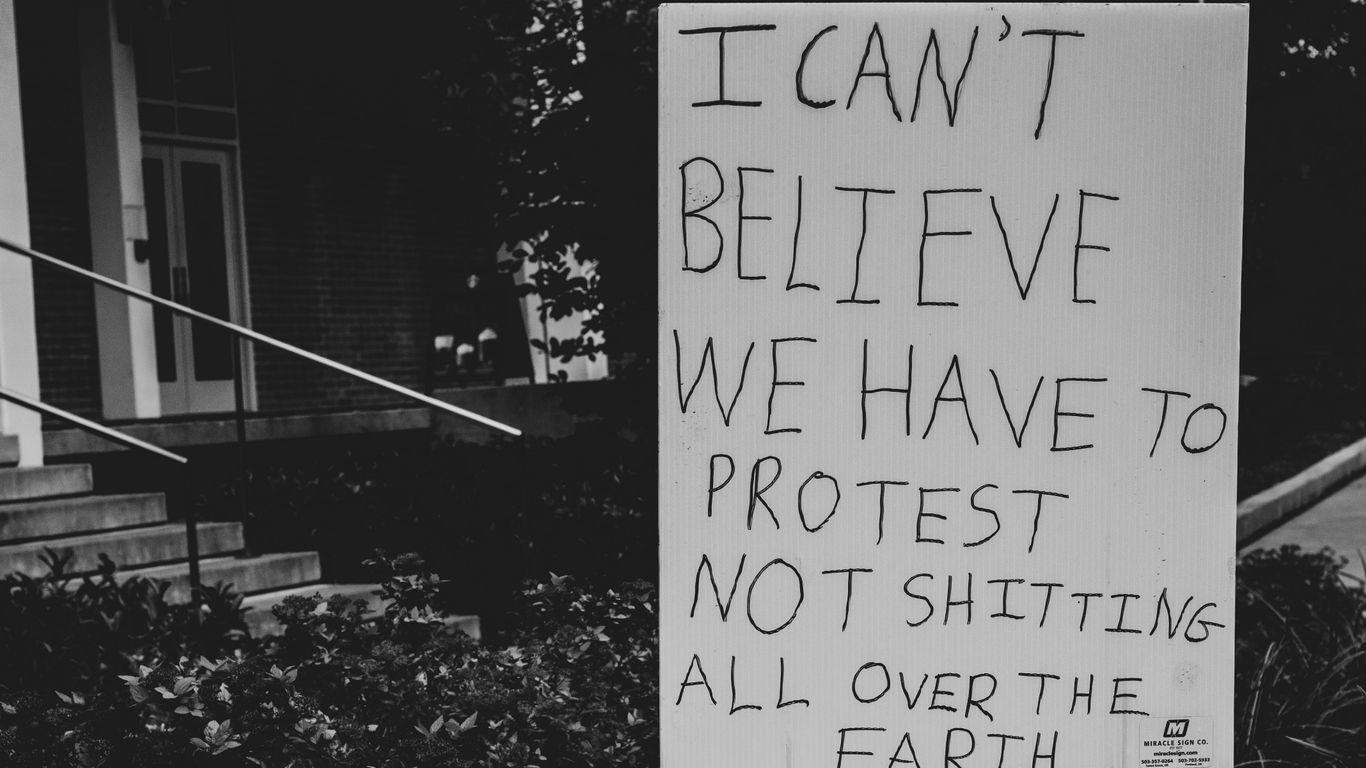
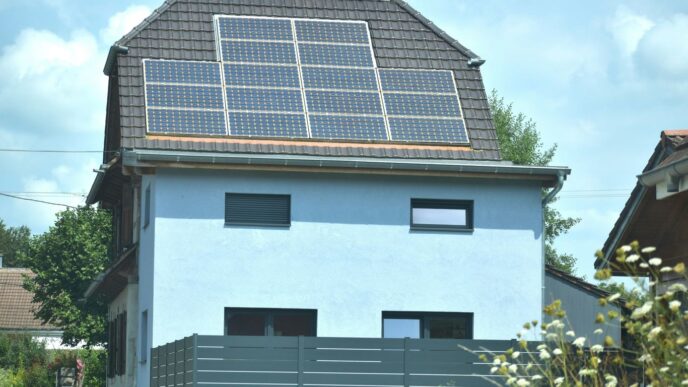
It’s been ten years since the Paris Agreement, and looking back, you can see some real movement. Countries have put climate targets in place, and globally, per capita emissions are actually starting to drop a bit. Plus, renewable energy is booming – way more solar and wind power is being added each year than ever before. It’s easy to see the progress, and honestly, it’s pretty encouraging.
Visible Progress, Insufficient Pace
But here’s the thing: while we’re moving, we’re not moving fast enough. The big goal is to keep global warming below 1.5 degrees Celsius, and right now, our actions aren’t quite there yet. The latest reports from climate scientists basically say we’ve made some headway, and the Paris Agreement has definitely helped cut down on greenhouse gases. Still, if we’re being honest, the current pace just isn’t enough to hit those crucial targets. It’s like running a race where you’re picking up speed, but the finish line is still way too far away.
Key Developments in Climate Policy
Most countries have some kind of climate policy on the books now. The Climate Change Performance Index (CCPI) looks at how well these policies are actually working, not just if they exist. They check out national goals, sector-specific plans, and how well countries are following through. It’s not just about setting targets; it’s about doing the work. Some countries are doing really well here, like Denmark, Brazil, and Morocco, getting high marks. On the flip side, places like the United States, Argentina, Hungary, and Iran are at the bottom of the list for their climate policies. Even within big groups like the G20, it’s a mixed bag – some are doing okay, but many are still lagging way behind.
Renewable Energy Growth Trends
This is where things get really interesting. In the last year alone, a massive amount of new renewable energy capacity came online, mostly from solar power. It’s a huge jump! However, even with this rapid growth, we’re still not on track to meet the global goal of tripling renewable energy capacity by 2030. To really make a difference, we need to speed things up and, importantly, stop relying on fossil fuels altogether. That means phasing them out completely, cutting subsidies, and not opening up any new fossil fuel projects. Countries like Norway, Denmark, and Sweden are really leading the charge in renewables, getting top marks. But then you have places like South Africa, Iran, and Algeria at the other end of the spectrum. For the G20 nations, it’s also a bit of a mixed picture, with many still ranking low in renewable energy adoption.
Climate Change Performance Index 2025: Top Performers
Denmark Leads the Pack
Denmark continues to hold its top spot in the Climate Change Performance Index, coming in at 4th overall. This nation is really showing up when it comes to climate policy, earning a top rating. They’re also doing a great job with renewable energy, being one of the few countries to get a very high score in that area. Their offshore wind power efforts are particularly noteworthy. It’s clear that consistent policy work is paying off for them.
United Kingdom’s Climb
The United Kingdom has moved up one spot to 5th place this year. It seems like all the climate action they’ve been taking over the past few years is finally being recognized. They’ve already managed to phase out coal power, which is a big deal. However, they still have some work to do, especially when it comes to boosting their renewable energy use, where they’re currently rated ‘low’.
Morocco’s Strong Showing
Morocco is making a solid impression, ranking 6th overall. They’re getting ‘good’ marks across the board, except for renewable energy, where they’re still doing well with a ‘good’ trend. What’s really impressive is their low per capita emissions and their significant investments in public transportation. Plus, they’ve set a pretty ambitious new climate target for 2035. It’s a good example of how developing nations can also be climate leaders.
Emissions Reduction and Energy Use Insights
Cutting Emissions to Curb Global Warming
It’s a mixed bag out there when we look at how countries are actually cutting down on emissions. While some nations are making real strides, the overall picture shows we’re still not moving fast enough to keep global warming in check. The Paris Agreement has definitely helped, preventing a lot of greenhouse gases from getting into the atmosphere, but we’ve got a long way to go. The CCPI looks at national policies, targets, and how well they’re actually being put into practice. It’s not just about setting goals; it’s about doing the work.
Rising Global Energy Demand
Globally, we’re using more and more energy, and it’s mostly because of the power sector. Think about all the electricity needed for industries, getting around, and even powering up all those new AI systems. Plus, with hotter summers becoming the norm, demand for cooling is through the roof. Measuring energy efficiency is tricky, so the CCPI often looks at how much energy people use per person to get a sense of how things are improving. It’s a complex puzzle, for sure.
Pakistan’s Standout Performance
Pakistan is a bit of a surprise package this year. They’ve landed a ‘very high’ rating when it comes to energy use, which is pretty impressive. This is largely thanks to their really low per capita energy consumption. It shows that even with growing needs, it’s possible to manage energy use more smartly. This kind of performance is exactly what we need to see more of across the board.
G20 Nations: A Mixed Climate Performance
The Group of Twenty (G20) nations, responsible for a huge chunk of global greenhouse gas emissions – over 75%, in fact – show a really varied picture when it comes to climate action. It’s a bit of a mixed bag, honestly. While some are making strides, many are still lagging behind, which is a big deal given their influence.
G20 Emissions Reduction Efforts
When we look at cutting emissions, the G20 countries are all over the map. Only a couple of them, like the United Kingdom and France, are managing a ‘high’ rating in this area. That’s good, but it’s overshadowed by the fact that a lot of G20 members are in the ‘low’ or ‘very low’ categories. Saudi Arabia, for instance, is consistently at the bottom for emissions reduction. It’s a bit concerning that so many of these major economies aren’t doing more to curb their output. The trend of rising global energy demand isn’t helping matters either.
Renewable Energy Adoption by G20
On the renewable energy front, the G20 is also struggling to hit the mark. Thirteen of these countries are rated ‘low’ or ‘very low’ when it comes to adopting clean energy. No G20 country is getting a ‘high’ rating here. Brazil and China are doing a bit better, getting a ‘medium’ rating, but that’s about it. The world needs to triple renewable capacity by 2030, and the G20’s current pace just isn’t cutting it. We’re seeing growth, sure, but it’s not fast enough.
Energy Use Patterns in G20 Countries
Looking at how G20 countries use energy reveals some key challenges. Many are still heavily reliant on fossil fuels, which directly impacts their emissions. While there’s a global push for more renewables, the sheer scale of energy demand in these large economies means that transitioning away from old energy sources is a slow process. This reliance affects their overall climate performance significantly, with countries like Russia, the United States, and Saudi Arabia consistently showing up as the worst performers in the index. It’s clear that a faster shift in energy use is needed across the board.
European Union’s Climate Stance
EU’s Overall Climate Performance
The European Union is showing some movement on climate action, but it’s not exactly setting the world on fire. In the latest Climate Change Performance Index (CCPI) 2025, the EU as a whole landed in the 20th spot, earning a ‘medium’ rating. This means while there’s progress, it’s not quite fast enough to meet those ambitious goals we set in Paris. It’s a bit like trying to run a marathon but only jogging – you’re moving, but the finish line feels miles away.
It’s not all gloom and doom, though. A good chunk of EU countries are actually doing pretty well. Denmark and Luxembourg, for instance, are in the top five. That’s great to see! On the flip side, Bulgaria is still bringing up the rear for the EU, and a few other member states are also in the ‘low’ performance category. So, it’s a real mixed bag within the bloc.
Renewable Energy in the EU
When it comes to renewable energy, the EU is doing okay, but there’s definitely room to grow. The bloc received a ‘medium’ rating here, showing only a slight improvement from last year. We’ve got some shining stars like Sweden and Denmark, which are getting ‘very high’ marks. Latvia, Finland, and Estonia are also doing a solid job with ‘high’ ratings. But then you have Slovakia, which is unfortunately in the ‘very low’ performance category.
Globally, we added a massive amount of renewable capacity in 2024, mostly solar. That’s fantastic news! However, the CCPI points out that this growth, while accelerating, still isn’t enough to hit the target of tripling renewables by 2030. We really need to speed things up and get off fossil fuels faster.
Energy Use within the EU
The EU’s performance in terms of emissions reduction and energy use is also rated as ‘medium’ overall. This category looks at how well countries are cutting greenhouse gas emissions and managing their energy consumption. While no EU country got a ‘very low’ rating in this specific area this year, which is an improvement from previous reports, Latvia is still the worst performer among the member states.
It’s a complex picture. Some EU countries are making good strides in reducing emissions, but others are still struggling. The overall ‘medium’ rating suggests that while policies are in place, their effectiveness and the pace of implementation need a serious boost across the board to truly make a difference in curbing global warming.
Worst Performing Nations in Climate Action
When we look at the Climate Change Performance Index (CCPI) 2025, some countries are really struggling to keep up. It’s a bit of a mixed bag out there, but a few nations are consistently at the bottom of the list, showing little progress in tackling climate change. These countries often show a heavy reliance on fossil fuels and a lack of strong climate policies.
Nations Lagging in Climate Policy
Several countries are falling behind when it comes to putting effective climate policies in place. This isn’t just about setting targets; it’s about actually implementing them and seeing real change. The CCPI looks at how well countries are managing their emissions reduction efforts and their plans for the future.
- United States: The US has seen a significant drop in its ranking, now sitting near the bottom. This decline is linked to its slow progress in climate policy and a continued dependence on fossil fuels.
- Iran: Consistently ranks low, indicating a lack of substantial policy action to curb emissions.
- Saudi Arabia: Despite being a major oil producer, the country has not demonstrated strong policy shifts towards cleaner energy sources.
Fossil Fuel Dependence and Emissions
There’s a clear pattern: countries that are heavily invested in fossil fuels are generally the ones performing poorly on climate action. Their economies are often built around oil, gas, and coal, making the transition to renewables a difficult, though necessary, step. This dependence directly translates into higher greenhouse gas emissions.
| Country | GHG Emissions Rating | Fossil Fuel Dependence |
|---|---|---|
| Saudi Arabia | Very Low | Very High |
| Iran | Very Low | Very High |
| United States | Low | High |
United States’ Declining Ranking
The United States’ position in the CCPI 2025 is particularly noteworthy. Dropping to 65th place, it’s now third from the bottom. This slide highlights a missed opportunity for the US to lead in the global shift towards a green economy. While there’s some progress in renewable energy growth, it’s not enough to offset the overall picture, which is heavily influenced by its continued reliance on oil and gas production and a lack of robust, nationwide climate policies.
So, What’s the Takeaway from the 2025 Rankings?
Looking at the latest Climate Change Performance Index, it’s clear we’re seeing some movement. Global emissions per person are dropping, and renewable energy is really taking off, which is good news. Lots of countries are setting their own goals to be carbon neutral. But, and it’s a big ‘but’, the pace just isn’t fast enough to hit the targets set in Paris. The top spots on the index are still empty because no single country is doing enough across the board. Even the leaders, like Denmark, need to push harder, especially when it comes to renewable energy for places like the UK. Countries like Saudi Arabia, Iran, and the US are still at the bottom, showing a real lack of movement away from fossil fuels. It’s a mixed bag, really. We’ve got progress, but it’s not the kind of rapid, widespread change needed to truly tackle climate change. Everyone, especially the big emitters, needs to step up their game, and fast.