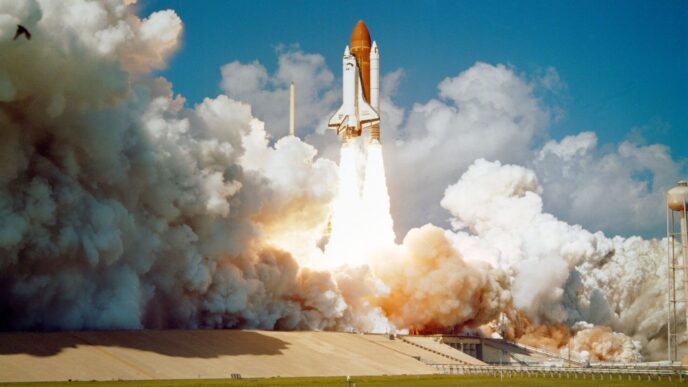

NASA’s SpaceX Crew-9 mission was quite the journey, wasn’t it? It had a few bumps and changes along the way, but ultimately, it got astronauts to the International Space Station and brought others back home. This mission involved some interesting shifts in plans, especially with the Starliner situation, and it even made history with its launch location. Let’s break down what happened with crew-9.
Key Takeaways
- The crew-9 mission was adjusted to bring back astronauts from the troubled Starliner mission, changing the initial crew size from four to two for launch.
- Launch preparations for crew-9 faced delays, including a scrub due to weather from Hurricane Helene and subsequent rescheduling.
- The crew-9 mission successfully launched on September 28, 2024, and arrived at the International Space Station the following day.
- Crew-9 marked a historic launch from Space Launch Complex 40 (SLC-40), the first crewed mission to lift off from that pad, and saw Nick Hague become the first active U.S. Space Force Guardian to fly to space.
- The astronauts on crew-9 supported various science experiments, including research on neurodegenerative conditions and student-led projects, before returning to Earth on March 18, 2025.
Crew-9 Mission Overview
Alright, let’s talk about NASA’s Crew-9 mission, the latest chapter in the ongoing partnership with SpaceX. This flight, officially the ninth operational NASA Commercial Crew Program mission, also marks the 15th time a SpaceX Dragon spacecraft has carried humans into orbit. It was a mission that saw some adjustments, but ultimately, it was all about getting astronauts to the International Space Station (ISS) and supporting vital research.
Crew-9 Mission Details
Initially, Crew-9 was set to be a standard four-person crew heading up for a six-month stay on the ISS. The planned crew included NASA astronauts Zena Cardman, Nick Hague, and Stephanie Wilson, along with Roscosmos cosmonaut Aleksandr Gorbunov. However, things changed. NASA decided to use the Crew-9 mission to bring back the astronauts from the Boeing Starliner’s Crew Flight Test, which had encountered some issues. This meant the Crew-9 launch vehicle, a SpaceX Dragon capsule named Freedom, only carried two astronauts initially: Nick Hague and Aleksandr Gorbunov. Hague took on the commander role for this flight.
Crew Dragon Freedom’s Role
The Crew Dragon capsule for this mission was named Freedom. This wasn’t its first rodeo, so to speak. Freedom is a veteran spacecraft, having already flown on the Crew-4 mission and two private astronaut missions with Axiom Space (Ax-2 and Ax-3). Its reliability is a big deal, especially when you’re talking about transporting astronauts to and from the space station. For Crew-9, Freedom’s role was particularly important because it was tasked with not only taking Hague and Gorbunov to the ISS but also eventually bringing back the two astronauts who were on the Starliner test flight.
Falcon 9 Booster Performance
The rocket that got Crew-9 into space was the trusty SpaceX Falcon 9. The specific first-stage booster used for this launch was designated B1085. This particular booster had already flown once before, making this its second mission. The Falcon 9 is a workhorse in the launch industry, known for its reliability and reusability. Its performance is key to the success of these crewed missions, providing the power needed to lift the Dragon capsule and its precious cargo into orbit.
Launch Preparations and Delays
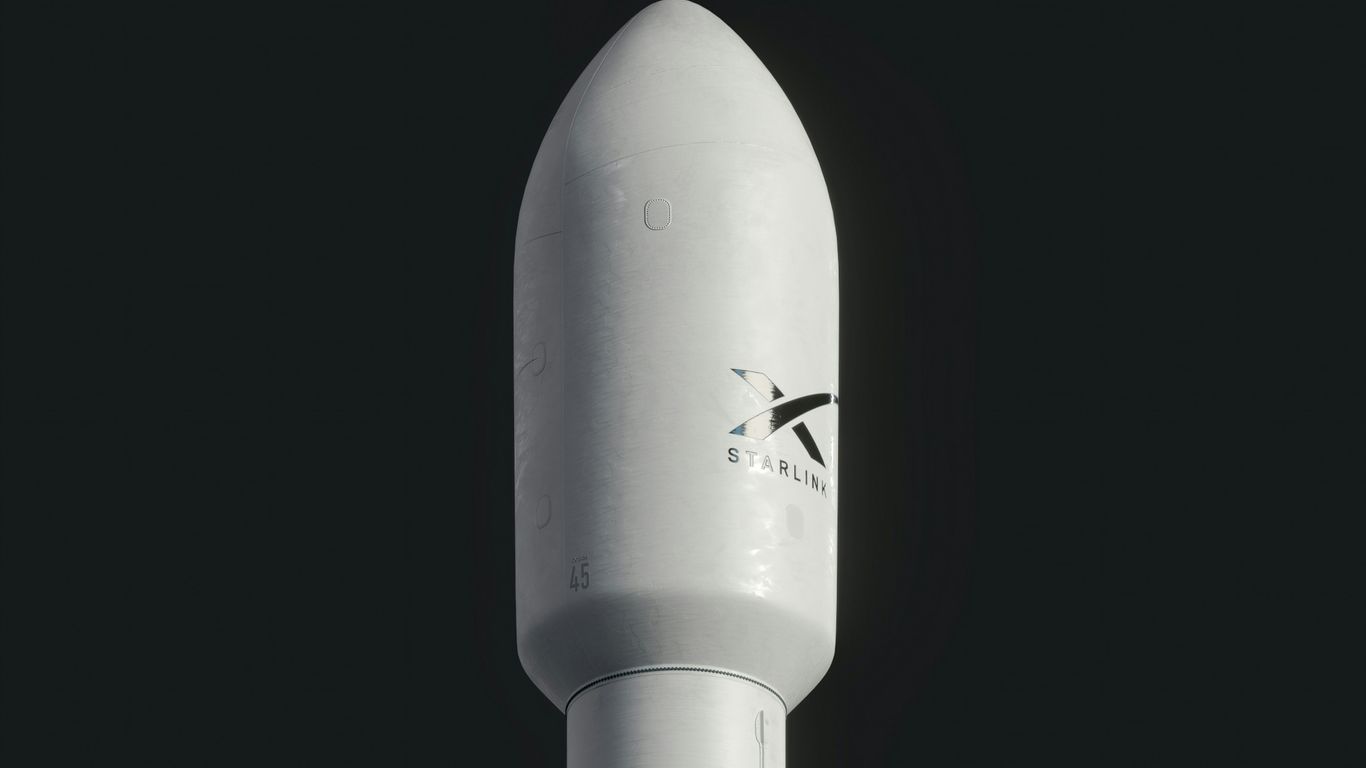
Getting a rocket off the ground isn’t always as simple as flipping a switch. The Crew-9 mission, like many before it, faced its share of hurdles before the astronauts could actually blast off.
Initial Launch Schedule
The original plan had the Crew-9 mission lifting off on September 26, 2024. The astronauts, Nick Hague and Kathleen Rubins, were already at Kennedy Space Center, going through the usual pre-flight routines like quarantining and practicing procedures. Everything seemed to be on track, with the Falcon 9 rocket and Crew Dragon Freedom capsule even being rolled out to Launch Complex 40 in preparation.
Impact of Starliner Issues
However, space missions rarely happen in a vacuum, and external factors can cause ripple effects. The issues encountered with Boeing’s Starliner spacecraft, specifically its return journey, played a role in the Crew-9 timeline. NASA made the decision to bring the Starliner capsule back to Earth without its crew, which meant those astronauts would need a ride home. This situation required adjustments to NASA’s overall crew rotation schedule, indirectly influencing the Crew-9 launch date.
Weather-Related Scrutiny
Then came the weather. A significant factor in any launch is the atmospheric conditions. As the original launch date approached, Hurricane Helene began to form and track towards Florida. This presented a serious risk to the launch vehicle and the surrounding facilities. NASA and SpaceX had to make the tough call to scrub the September 26th launch and roll the rocket back to the safety of the hangar. The launch was rescheduled for September 28th, but even then, the weather remained a concern. The forecast showed a 45% chance of violating weather constraints, and clouds were present as the crew boarded. It was a tense situation, with mission control carefully monitoring the conditions to ensure a safe liftoff. The successful launch on the 28th, despite these challenges, highlighted the careful planning and decision-making involved in spaceflight operations. You can find more details on upcoming SpaceX launches, including future crewed missions, on the Space Coast launch schedule.
Crew-9 Launch and Arrival
Successful Launch from SLC-40
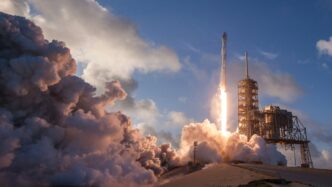
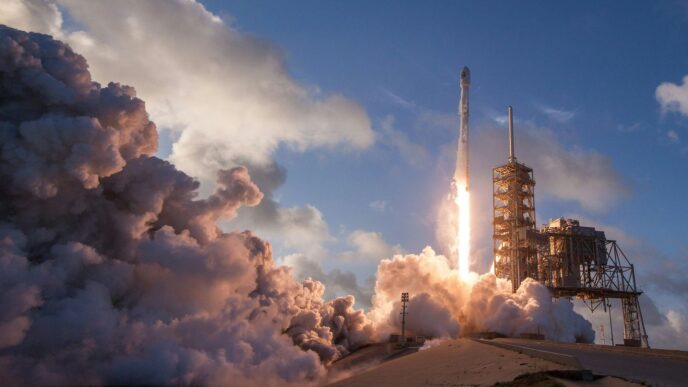
After a few delays, including one due to Hurricane Helene and another related to the ongoing issues with the Boeing Starliner, the Crew-9 mission finally lifted off on September 28, 2024. The Falcon 9 rocket carrying the Crew Dragon ‘Freedom’ blasted off from Launch Complex 40 at Cape Canaveral Space Force Station. This was a big deal because it was the first time a crewed mission launched from that particular pad. The launch happened around 1:17 PM Eastern Daylight Time, and the weather was looking pretty good, with about a 70% chance of favorable conditions. It was a relief to see it finally get going after all the waiting.
Arrival at the International Space Station
Just about a day after its launch, the Crew Dragon ‘Freedom’ successfully docked with the International Space Station (ISS). This arrival was pretty important. The mission was initially planned to take four astronauts, but because of the Starliner situation, it launched with only two: NASA astronaut Nick Hague and Roscosmos cosmonaut Aleksandr Gorbunov. Their arrival meant they could get to work and help with the ongoing operations aboard the station. It’s always a tense moment until that hatch opens and everyone is safely aboard.
Crew Dragon Relocation Maneuvers
Once ‘Freedom’ was securely attached to the ISS, there were a few more steps to take. The astronauts aboard the station performed some maneuvers to move the Crew Dragon capsule to a different docking port. This kind of shuffling is pretty standard for visiting spacecraft. It frees up the original port for other potential arrivals or departures and positions the capsule optimally for its stay. It’s a careful process, making sure everything is aligned just right before they finalize the move.
Crew-9 Astronauts and Roles
Original Crew Composition
Initially, the Crew-9 mission was planned to send four people up to the International Space Station for a six-month stay. This original lineup included NASA astronauts Zena Cardman as commander, Nick Hague as pilot, and Stephanie Wilson as a mission specialist. They were set to fly alongside Roscosmos cosmonaut Aleksandr Gorbunov, who would also serve as a mission specialist. This group was meant to be the crew for Expedition 72. It’s interesting to see how these plans can shift, isn’t it? The mission patch even reflected this original crew.
Adaptations for Starliner Crew Return
Things got a bit complicated when the Boeing Starliner’s crewed flight test ran into some technical issues. NASA made the call to bring the Starliner back to Earth without its crew. This meant that the two astronauts aboard the Starliner, Barry E. Wilmore and Sunita Williams, needed a ride home. NASA decided to use the Crew-9 mission for this purpose. So, instead of launching with four people, Crew-9 launched with just two: Nick Hague and Aleksandr Gorbunov. This change meant Hague would take on the commander role, and Gorbunov would be the mission specialist. This adjustment highlights the flexibility and problem-solving required in spaceflight operations.
Nick Hague’s Space Force Milestone
For Nick Hague, this mission marked a significant point in his career. He served as the commander for Crew-9, which was his second spaceflight. His first was on Soyuz MS-10, which unfortunately had to abort shortly after launch. Hague’s experience, including surviving that launch abort, made him a solid choice for commander, especially given the circumstances. The mission also involved a bit of a reshuffle in roles, with Hague taking on duties that might have otherwise been handled by a dedicated pilot, given the reduced crew size. This kind of adaptation is common when you’re working with NASA and its partners.
Mission Accomplishments and Science
Supporting ISS National Lab Investigations
The Crew-9 mission wasn’t just about getting astronauts to and from the International Space Station; it was also a vehicle for some really interesting science. A big part of their work involved supporting investigations managed by the ISS National Lab. This lab is all about using the unique environment of space to do research that can help us here on Earth and also build up a space economy. They’ve been involved in a bunch of projects, from looking into how genetic elements behave in space to testing new ways to grow plants. It’s pretty cool to think about how these experiments, happening hundreds of miles above us, could lead to new discoveries.
Research on Neurodegenerative Conditions
One of the specific areas of research Crew-9 supported focused on neurodegenerative conditions. The astronauts helped with experiments designed to understand how diseases like Alzheimer’s and Parkinson’s might progress differently in microgravity. This research could potentially lead to new treatments or a better understanding of these conditions back on Earth. Studying these diseases in space offers a unique perspective that’s just not possible in a lab on the ground. It’s a long-term effort, but every mission like Crew-9 contributes valuable data.
Student-Led Experiments
It’s not all high-level science; the Crew-9 mission also gave students a chance to get involved. Through programs like the Student Spaceflight Experiments Program (SSEP), young minds got to design and send their own experiments into space. These weren’t just simple tests; students used special equipment called Mixstix to conduct research on things like how bacteria grow, how seeds sprout, or even how to hydrate plants using commercial drink mixes. It’s a fantastic way to get kids excited about science and show them what’s possible. You can find out more about past ISS National Lab investigations on their missions and launches page.
Return to Earth
Splashdown and Recovery
After months aboard the International Space Station, the Crew-9 astronauts made their way back home. The Crew Dragon capsule, named Freedom, splashed down in the Gulf of Mexico, marking the end of their long journey. This particular splashdown location has become a bit of a standard for SpaceX and NASA, aiming for a quicker return for the crew and any important gear back to the Florida coast. It’s a pretty neat setup they have now, with a facility right there in Florida to get the capsules ready for their next flight. The whole process is designed to be efficient, getting astronauts back to familiar ground without too much delay.
Mission Duration and Landing Site
The Crew-9 mission lasted for several months, a typical duration for these rotational assignments on the ISS. The exact length can vary, but it’s long enough for the astronauts to really settle in and get a lot of work done. The landing site in the Gulf of Mexico is chosen for its accessibility and safety. While past missions sometimes landed in the Pacific, the shift to the Gulf allows for faster recovery operations. This means the crew can be back on land and heading towards debriefing and medical checks much sooner after their journey through the atmosphere.
Astronauts Returning from ISS
The returning crew included NASA astronauts Nick Hague, Suni Williams, and Butch Wilmore, alongside Roscosmos cosmonaut Aleksandr Gorbunov. These individuals spent their time on the station conducting vital research and maintaining the orbiting laboratory. Their return signifies the successful completion of their assigned duties and the continuation of NASA’s partnership with international space agencies. It’s always a big moment when the crew is safely back, ready to share their experiences and the data they collected.
SpaceX Launch Pad Evolution
You know, launching rockets isn’t just about the rocket itself. Where you launch from matters a lot, and SpaceX has been changing things up. For Crew-9, they actually had to switch launch pads.
Shift to Launch Complex 40
Originally, Crew-9 was all set to blast off from Launch Complex 39A (LC-39A) at Kennedy Space Center. This pad has been the go-to for pretty much all of SpaceX’s crewed missions so far, and it’s the only one that can handle the big Falcon Heavy rockets too. But then, things got a bit complicated. The Crew-9 launch date got pushed back, and it started bumping up against the launch window for NASA’s Europa Clipper mission, which also needed LC-39A. To keep everything on track and give both missions enough breathing room, SpaceX decided to move the Crew-9 launch to Space Launch Complex 40 (SLC-40) over at Cape Canaveral Space Force Station. This was a pretty big deal because it marked the very first time a crewed mission lifted off from SLC-40.
New Crew Access Tower Construction
Moving a crewed launch to a new pad isn’t just a simple flick of a switch. You need the right infrastructure. SpaceX had actually been building a new crew access tower at SLC-40 since 2023. This tower is super important because it’s what the astronauts use to get from the ground up into the Crew Dragon capsule. Having this new tower ready meant they could actually make the switch to SLC-40 for crewed flights like Crew-9.
First Crewed Launch from SLC-40
So, when Crew-9 finally launched, it wasn’t just a milestone for the mission itself, but also for the launch site. It was the first time astronauts were heading to space from SLC-40. Plus, for Nick Hague, who is a U.S. Space Force colonel, this launch was extra special. He became the first active member of the Space Force to launch into space since the branch was created back in 2019. And because the launch happened from SLC-40, it also means he’s the first Space Force service member to launch from a Space Force launch complex. Pretty neat, right?
Wrapping Up Crew-9
So, that’s the rundown on NASA’s Crew-9 mission. It was a bit of a journey getting this one off the ground, with some weather delays and, of course, the whole Starliner situation needing to be sorted out first. But in the end, the crew made it to the space station and got their work done. They’re back on Earth now, wrapping up their time in orbit. It’s always pretty amazing to see these missions come together, especially with all the moving parts involved. We’ll be keeping an eye on what comes next for NASA and SpaceX.
Frequently Asked Questions
What is the Crew-9 mission?
The Crew-9 mission is NASA’s ninth trip to the International Space Station (ISS) using a SpaceX rocket and capsule. It’s a special mission because it helped bring back astronauts who were on a different spacecraft, the Boeing Starliner, which had some issues.
Why was the Crew-9 launch delayed?
The launch was delayed a few times. A big reason was problems with the Boeing Starliner spacecraft that was already at the ISS. NASA needed to figure out how to bring that crew back safely, which meant changing the plan for Crew-9. Weather also played a part in delaying the launch.
Who were the astronauts on Crew-9?
Originally, four astronauts were supposed to go. But because of the Starliner situation, only two astronauts, Nick Hague and Aleksandr Gorbunov, launched on Crew-9. Later, two more astronauts, Barry Wilmore and Suni Williams, who were on the Starliner, returned to Earth on the Crew Dragon capsule with the Crew-9 astronauts.
What was special about the Crew-9 launch site?
Crew-9 was the very first crewed mission to launch from a different launch pad, called Launch Complex 40 (SLC-40). SpaceX built a new tower there to make it possible for astronauts to launch from this spot.
What kind of science did the Crew-9 astronauts do?
While on the ISS, the astronauts helped with many science experiments. They studied things like how to create better medicines, tested new treatments for brain diseases like Alzheimer’s, and even worked on projects designed by students.
How long was the Crew-9 mission, and where did they land?
The Crew-9 mission lasted for about 171 days. The astronauts landed safely in the Gulf of Mexico, off the coast of Florida, where a recovery ship was waiting to pick them and their capsule up.