Revolutionary Materials Driving Innovation
We’re living in a time where the very stuff things are made of is changing dramatically. It’s not just about finding new rocks or metals anymore; scientists are building materials from the ground up, atom by atom, to do things we only dreamed of a few years ago. These aren’t your grandpa’s materials. They’re designed to be stronger, lighter, and to have abilities that nature just doesn’t offer.
Graphene: The Single-Atom Wonder
Imagine a material that’s just one atom thick but stronger than steel. That’s graphene. It’s a single layer of carbon atoms arranged in a honeycomb pattern. Getting it was surprisingly simple – a bit of sticky tape on graphite, believe it or not. This thin sheet is incredibly tough because of how the carbon atoms are bonded. Plus, it’s a fantastic conductor of heat and electricity, almost like a superhighway for electrons. Because it’s so thin and flexible, it’s opening doors for all sorts of new tech.
- Electronics: Think super-fast processors and screens that can bend and fold.
- Energy: Better batteries that charge quicker and last longer, plus more efficient solar cells.
- Composites: Making planes and cars lighter without sacrificing strength.
Metallic Glass: Strength Beyond Crystals
Most metals we use are made of crystals, which have a regular, repeating structure. This structure can create weak points. Metallic glass, also called amorphous metal, doesn’t have this crystal structure. It’s like a frozen liquid, with atoms all jumbled up. This jumbled arrangement makes it incredibly strong and resistant to deforming. It’s also more elastic than regular metals.
| Property | Metallic Glass | Traditional Metal |
|---|---|---|
| Strength | Very High | High |
| Elasticity | High | Moderate |
| Corrosion Resistance | Excellent | Good |
Carbon Nanotubes: Cylinders of Strength
These are essentially rolled-up sheets of graphene, forming tiny tubes. They are incredibly strong and stiff, yet very lightweight. Their electrical properties are also quite remarkable, making them useful for conducting electricity. Because they are so small and strong, they are being explored for everything from reinforcing materials to creating tiny electronic components. Their potential is huge, especially when you think about making things much lighter and more durable.
Harnessing Light and Waves with Metamaterials

Designing Materials with Unnatural Properties
So, imagine materials that don’t play by the usual rules of nature. That’s basically what metamaterials are all about. They’re not found in the ground; we engineer them from the ground up, usually by arranging tiny structures smaller than the wavelength of light or sound they’re meant to interact with. Think of it like building with LEGOs, but on a microscopic scale, to create something that can bend light in ways that seem impossible, like making an object appear invisible. This ability to manipulate waves, whether it’s light, sound, or even microwaves, comes from their structure, not what they’re made of. It’s a pretty wild concept, and it opens up a whole new toolbox for scientists.
Applications in Optics and Acoustics
What can you do with materials that bend light or sound in weird ways? Well, in optics, the dream of an "invisibility cloak" isn’t just science fiction anymore, thanks to metamaterials. We’re also looking at super-resolution lenses that can see things much smaller than traditional lenses can. On the sound side, metamaterials can be used for advanced soundproofing, creating quiet spaces where you wouldn’t expect them, or even for acoustic cloaking, making objects silent to sonar. It’s all about controlling how waves travel through a material.
Advanced Antenna Designs
Metamaterials are also shaking things up in the world of antennas. Traditional antennas can be quite bulky, especially for lower frequencies. But by using metamaterials, we can design antennas that are incredibly small yet highly efficient. This is a big deal for everything from mobile devices to satellite communications, where space and power are always at a premium. Imagine fitting a powerful antenna into a tiny chip – that’s the kind of miniaturization metamaterials can enable. It’s a game-changer for making our wireless technology even better and smaller.
Advanced Materials in Key Industries
It’s pretty wild how much new materials are changing the way big industries work. We’re not just talking about small tweaks anymore; these materials are making things fundamentally better, lighter, stronger, and way more efficient. Think about it – stuff that used to be heavy and clunky is becoming sleek and powerful, all thanks to science playing around with atoms and molecules.
Aerospace: Lighter, Stronger Aircraft
Flying is getting a serious upgrade. The push for lighter and stronger materials in aerospace is directly linked to better fuel economy and longer flight ranges. We’re seeing a lot more carbon fiber composites and advanced metal alloys being used. These aren’t your grandpa’s airplane parts. They can handle extreme temperatures and stresses that would make older materials buckle. This means planes can be built with less weight, which translates directly into burning less fuel. Plus, they’re more resistant to fatigue and corrosion, so they last longer and need less maintenance. It’s a win-win for airlines and passengers.
Healthcare: Personalized Medical Solutions
This is where things get really personal. Advanced materials are opening doors to treatments and devices that are tailored specifically to individuals. We’re talking about biomaterials that the body doesn’t reject, making implants and prosthetics feel more natural. Then there are the smart materials that can deliver drugs exactly where and when they’re needed in the body. Imagine a tiny capsule that releases medication only when it detects certain markers, reducing side effects and making treatments much more effective. It’s like science fiction becoming reality, helping people live healthier lives.
Electronics: Miniaturization and Efficiency
Our gadgets are getting smaller and smarter, and advanced materials are the reason why. Nanomaterials and new types of conductive polymers are allowing us to pack more power into tiny spaces. This means faster processors, screens that are more vibrant and flexible, and batteries that last longer. Think about your smartphone – it’s a marvel of miniaturization, and that’s largely thanks to materials that can conduct electricity better and take up less room. This trend isn’t slowing down; we’re looking at even more compact and powerful devices in the near future.
The Role of AI and Automation in Materials Discovery
AI-Driven Materials Design
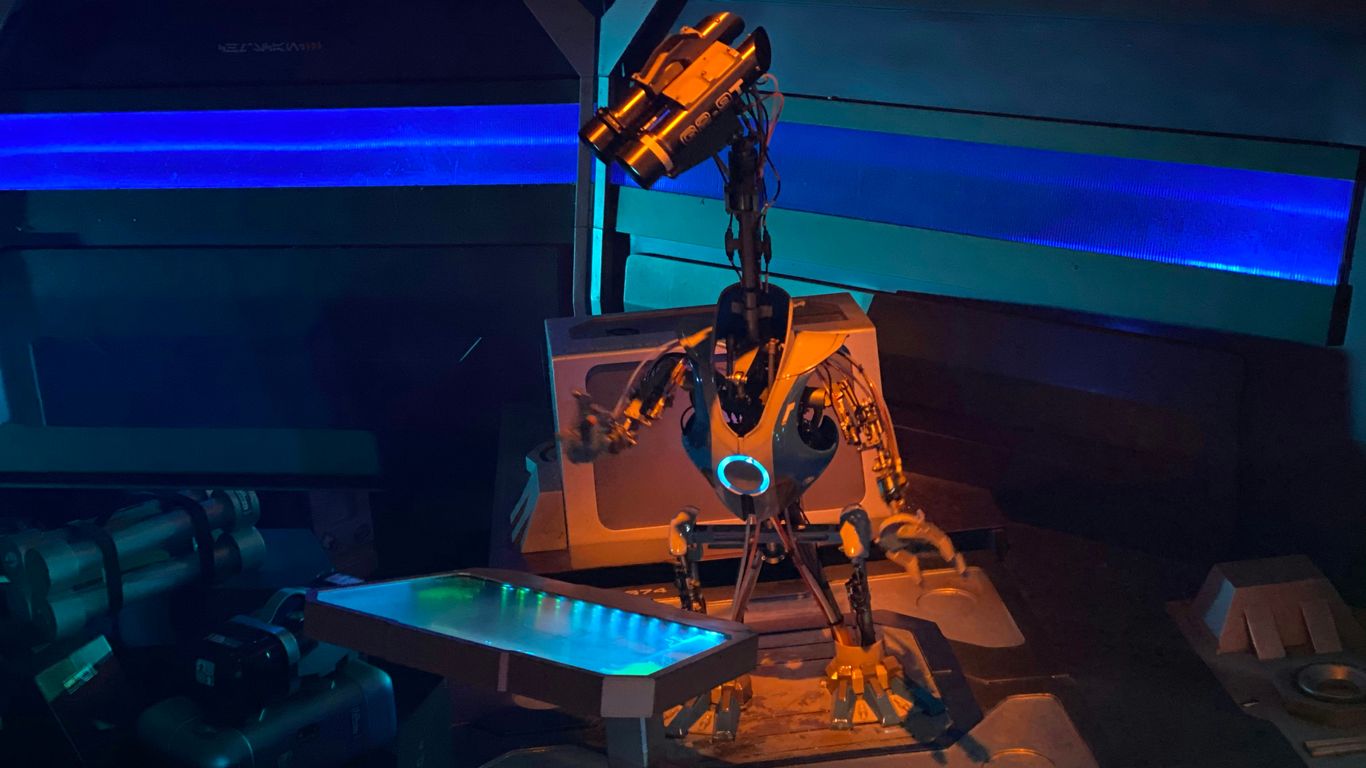
Artificial intelligence is really changing how we find and create new materials. Instead of just trying things out in the lab, which can take ages, AI can look at tons of data and predict what combinations might work best. Think of it like a super-smart assistant that can sift through millions of possibilities in minutes. This speeds things up a lot. We’re talking about designing materials with specific traits, like being super strong but really light, or having just the right electrical properties for a new gadget. AI can even suggest entirely new material structures we wouldn’t have thought of on our own. It’s like having a crystal ball for material science.
Optimizing Sustainable Synthesis
Making new materials often uses a lot of energy and can create waste. AI and automation are helping us fix that. By analyzing different chemical reactions and manufacturing processes, AI can figure out the most efficient way to make a material, using less energy and fewer resources. Automation plays a big part here too. Robots can precisely control the conditions needed for these reactions, making sure they happen exactly as planned every single time. This not only reduces waste but also makes the process more reliable and repeatable. It’s a big step towards making material production greener.
Automation in Advanced Manufacturing
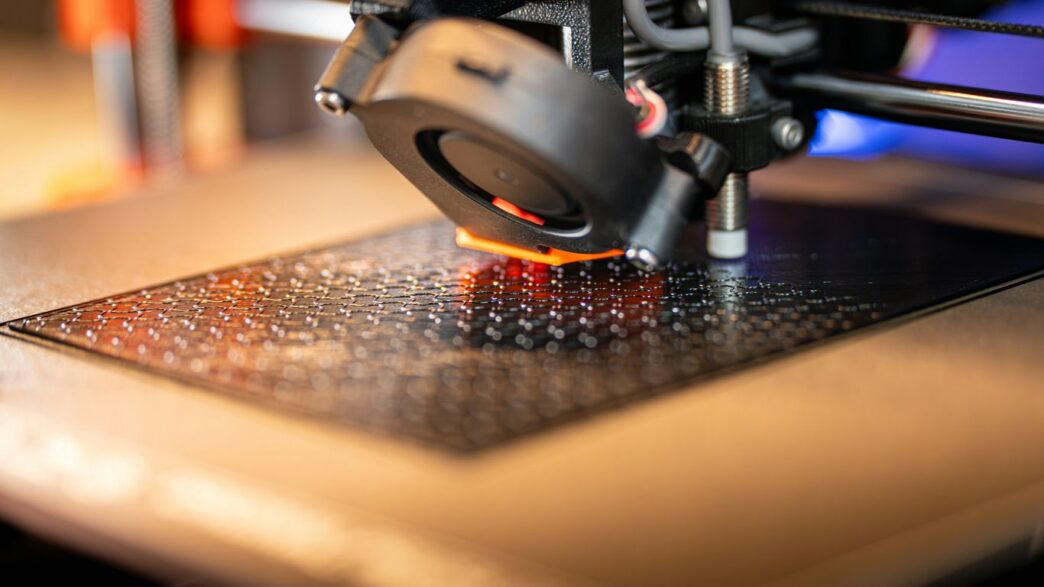
Once we’ve designed a new material, we need to be able to make it consistently and at scale. That’s where automation comes in. Think about 3D printing, but for really complex materials. Robots and automated systems can build intricate structures layer by layer with incredible precision. This is huge for making things like custom medical implants or super-efficient components for aircraft. Automation also means we can run experiments much faster. High-throughput systems can test thousands of material samples in a short period, giving us data much quicker than manual methods. This cycle of AI design, automated synthesis, and automated testing is really pushing the boundaries of what’s possible.
Emerging Frontiers in Materials Science
Phase-Change Materials for Energy Storage
Think about your phone battery or even the power grid. We’re always looking for better ways to store energy, right? Phase-change materials (PCMs) are getting a lot of attention for this. Basically, they absorb heat when they change from solid to liquid and release it when they go back to solid. This makes them really good at holding onto thermal energy. Imagine using them in buildings to keep them cool in the summer and warm in the winter without using much electricity. Or in electronics, to help manage heat buildup. It’s a pretty neat trick nature has, and we’re just figuring out how to use it better.
Biomaterials and Smart Drug Delivery
This is where materials science meets biology, and it’s pretty exciting. We’re talking about materials that can work with our bodies. For drug delivery, imagine tiny capsules made of special materials that only release medicine when they reach a specific spot in your body, like a tumor. This means less medicine overall and fewer side effects. Or think about implants that don’t just sit there but actively help your body heal or even grow back tissue. These smart materials are designed to interact with biological systems in a controlled way. It’s like giving your body a helping hand with materials that understand what’s going on.
Quantum Materials and Novel Magnetism
This is where things get a bit mind-bending, dealing with materials at the quantum level. Scientists are finding materials that behave in really strange ways, like exhibiting magnetism when they’re super thin, just a few atoms thick. These quantum materials could lead to entirely new types of electronics and sensors that are way more sensitive than what we have now. It’s like discovering a whole new set of rules for how matter can behave, and we’re just starting to figure out the possibilities. The potential for super-fast computing and incredibly precise measurement tools is huge.
Infrastructure for Materials Innovation
Materials science doesn’t happen in a vacuum. The support system shaping breakthrough inventions is just as important as the discoveries themselves. When you look beneath the surface of advanced materials and see who is keeping all the gears turning, you find a mix of physical labs, funding pathways, and teamwork across departments and industries. Here’s how the landscape looks right now.
Centralized Research Facilities
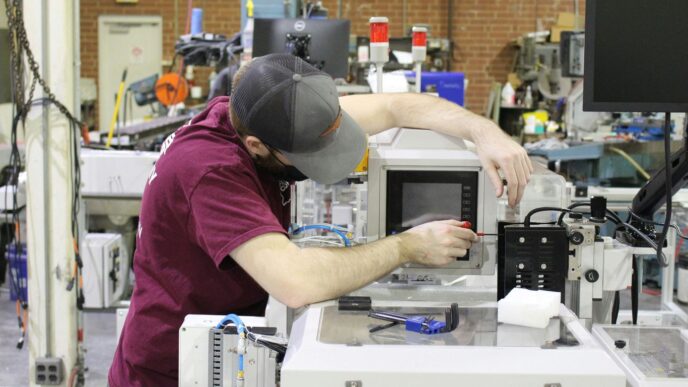
Central research hubs are at the core of today’s biggest scientific advances. Think of them as the nerve centers where experiments happen, samples get tested, and researchers from all backgrounds mingle. These centers usually offer:
- Shared equipment nobody could afford on their own (like electron microscopes, cleanrooms, and 3D printers)
- Staff who know exactly how to run complex machines and keep things maintained
- Space for joint projects, which can easily spill over into other fields or industries
Often, universities set up these labs as ways to lower barriers for anyone with a wild idea that just needs a place and a tool to try it out.
Fostering Interdisciplinary Collaboration
Nobody develops new materials in a bubble—chemists, engineers, physicists, and even doctors have to team up. It’s almost like a group project on a much bigger scale. Here’s how that usually works:
- Joint research programs: Bringing together people from different fields to tackle industry challenges
- Regular seminars and mixers: Getting folks talking so that new partnerships can form without it feeling forced
- Industry partnerships: Companies might sponsor research or lend expertise, which helps turn academic ideas into real products
Sometimes, these collaborations start from just a hallway conversation. But having a system that encourages those chance meetings is pretty important.
Supporting Next-Generation Scientists
Keeping the pipeline full of smart, creative minds is a huge part of innovation. The infrastructure for this goes way beyond just teaching classes:
- Fellowships and scholarships, so students don’t have to stress about paying rent while doing ambitious research
- Workshops where students and early-career scientists get messy with hands-on projects
- Access to mentors who’ve seen decades of mistakes and know what actually works in the real world
A lot of places also push students to publish early, travel to conferences, or even launch their own startups. That mindset gets baked in, and it keeps fresh ideas coming.
Sample Table: Typical Resources Needed for a Materials Innovation Hub
| Resource Type | Example | Purpose |
|---|---|---|
| Shared Equipment | SEM, NMR, 3D Printers | Experimentation, prototyping |
| Technical Staff | Lab Managers | Maintenance, training users |
| Collaboration Spaces | Open-plan labs | Group meetings, joint projects |
| Funding Support | Fellowships, grants | Sustaining research efforts |
In the end, what really keeps innovation bubbling is a mix of space, tools, money, and people—all working together, sometimes chaotically, toward new ideas nobody could pull off alone. That’s where breakthroughs are born, one messy experiment at a time.
The Materials Revolution Keeps Going
So, we’ve looked at some pretty wild stuff happening in materials science. From tiny carbon sheets to materials that can bend light, it’s clear things are moving fast. These new materials aren’t just cool science projects; they’re the building blocks for solving big problems, like making better batteries for our phones or finding new ways to treat illnesses. It feels like we’re just scratching the surface of what’s possible. As scientists keep experimenting and working together, we’ll probably see even more amazing discoveries that change how we live. It’s an exciting time to see what comes next.