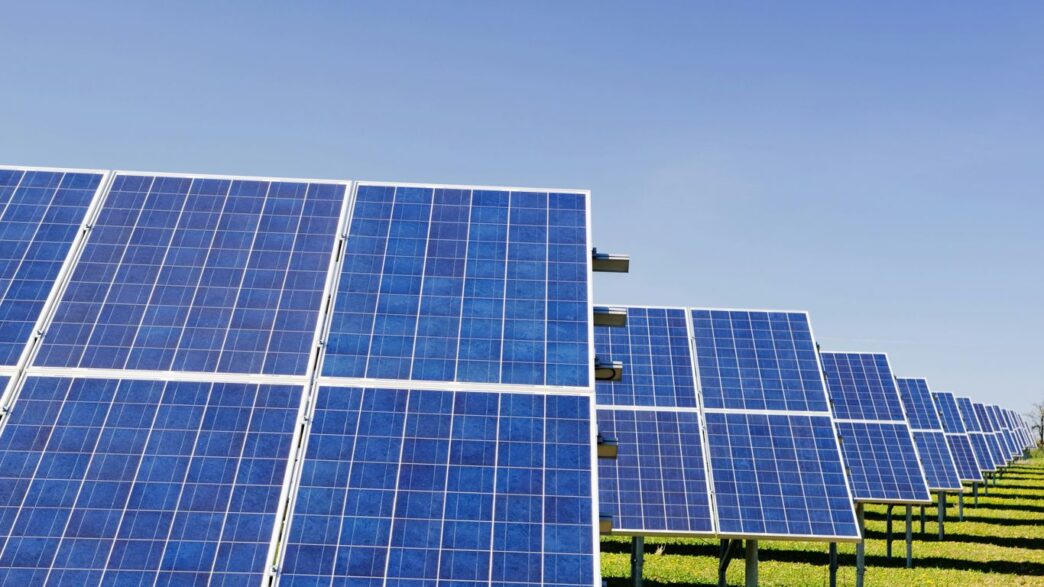
Okay, so you hear people talking about ‘renewable energy’ and ‘clean energy’ all the time, right? They sound pretty similar, and honestly, sometimes they are used like they mean the exact same thing. But if you look a little closer, there are some real differences. Understanding these terms, like the whole renewable energy vs clean energy thing, actually matters when we’re trying to figure out the best ways to power our lives without messing up the planet too badly. Let’s break it down.
Key Takeaways
- Renewable energy comes from sources that refill themselves naturally, like the sun and wind, focusing on long-term availability.
- Clean energy is all about reducing pollution and greenhouse gases, meaning it doesn’t harm the air or water as much during operation.
- Not all renewable energy is automatically clean; how it’s produced can sometimes create pollution, like with certain types of biomass.
- Clean energy can include non-renewable sources like nuclear power because they don’t emit pollutants when making electricity, even though they aren’t sustainable.
- Using the right terms – renewable energy vs clean energy – helps policymakers, businesses, and us consumers make smarter choices for the environment and future energy needs.
Understanding the Core Definitions
Defining Renewable Energy Sources
When we talk about renewable energy, we’re really focusing on where the power comes from. The main idea is that the source itself can’t be used up. Think of it like a never-ending supply. These sources naturally replenish themselves over a short period, so we can keep using them without worrying about running out.
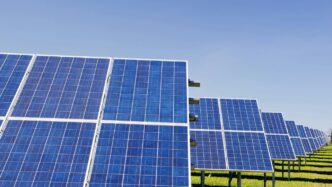
- Solar power: Energy from the sun. It’s always there, even on cloudy days, though it works best when it’s sunny.
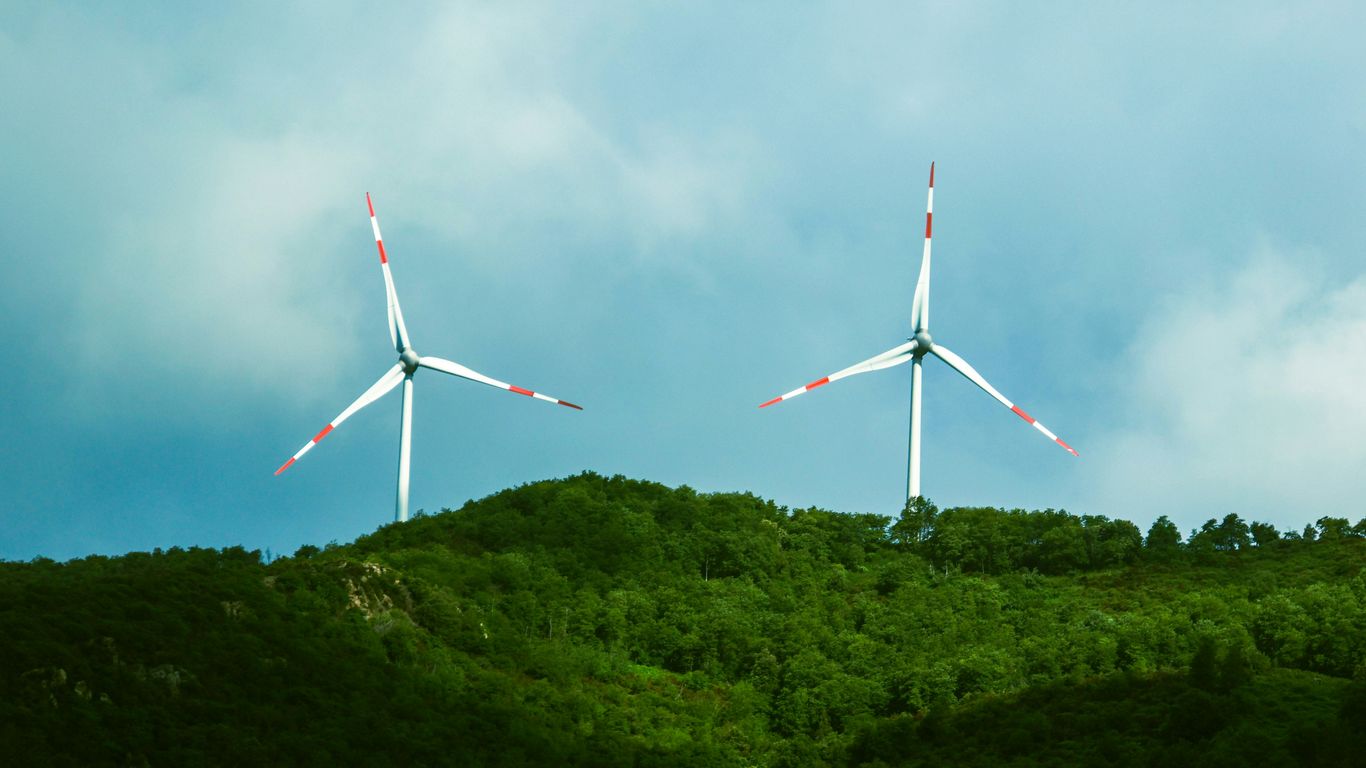
- Wind power: Energy from the wind. As long as the wind blows, we can generate electricity.
- Hydropower: Energy from moving water, like rivers or dams. Water cycles keep this source going.
- Geothermal energy: Heat from deep inside the Earth. This is a constant source of power.
The key takeaway with renewables is sustainability – the ability to keep using the source indefinitely.
Defining Clean Energy Sources
Clean energy is a bit different. Here, the focus is on what comes out of the process. The main goal is to produce energy with minimal or no harmful pollution. This means looking at things like greenhouse gas emissions and other pollutants that can harm our air and water.
- Low or zero emissions: The energy generation process doesn’t release significant amounts of harmful gases into the atmosphere.
- Reduced environmental impact: Beyond just air pollution, clean energy aims to lessen other negative effects on the environment.
- Broad category: This term can include sources that aren’t necessarily renewable, but still meet the low-pollution criteria.
Defining Green Energy Sources
Green energy is where we combine the best of both worlds. It’s energy that is not only renewable but also has a very low environmental impact. Think of it as the most environmentally friendly option available. Green energy sources are typically natural and don’t produce harmful byproducts.
- Renewable and non-polluting: It must be a source that replenishes itself and doesn’t harm the environment during generation.
- Focus on sustainability and health: The aim is to protect both the planet’s resources and the health of living things.
- Examples: Solar, wind, and hydropower are prime examples of green energy. Even some forms of biomass, if managed carefully, can be considered green.
The Nuances of Renewable Energy vs Clean Energy
Okay, so we’ve got these terms – renewable, clean, green – and they sound pretty similar, right? But honestly, they’re not quite the same thing, and understanding the differences is actually pretty important if we want to make smart choices about our energy. It’s like the difference between something that just keeps coming back versus something that doesn’t make a mess while it’s working.
Sustainability as the Hallmark of Renewables
When we talk about renewable energy, the main thing is that the source itself doesn’t run out. Think wind, sun, water. These things are always going to be around, or at least they replenish themselves naturally. The big idea here is sustainability – we can keep using them forever without using them up. It’s all about making sure we have energy for the long haul and aren’t relying on stuff that’s going to disappear.
- Wind Power: Harnessing the breeze.
- Solar Power: Capturing sunlight.
- Hydropower: Using moving water.
- Geothermal Energy: Tapping into the Earth’s heat.
These are great because they’re naturally refilled. It’s like having a pantry that magically restocks itself.
Pollution Reduction in Clean Energy
Clean energy, on the other hand, is all about what comes out of the process. The goal is to produce energy with as little pollution or greenhouse gases as possible. This means cleaner air and water, and generally less harm to the environment. The focus is on minimizing the mess, not necessarily on the source itself always being infinite.
Overlap and Divergence in Practice
Here’s where it gets a little tricky. A lot of renewable energy sources are also clean energy sources. Solar panels don’t pump out smoke when they’re making electricity, and wind turbines are pretty quiet in terms of emissions. But, and this is a big ‘but’, not all renewable energy is automatically clean, and not all clean energy is renewable.
For example, think about making those solar panels or wind turbines. The manufacturing process itself can create pollution. And then there’s biomass – burning wood or crops. It’s renewable because we can grow more, but if it’s not managed carefully, the burning can release a lot of pollutants, making it less ‘clean’.
It’s a bit like this:
- Renewable: The source keeps coming back.
- Clean: The process doesn’t make much pollution.
- Green: Both renewable and clean, with a strong environmental plus.
So, while they often go hand-in-hand, it’s worth remembering that ‘renewable’ is about the source’s availability, and ‘clean’ is about the impact of its use. They’re related, but not identical twins.
When Renewables Aren’t Necessarily Clean
So, we often hear "renewable energy" and "clean energy" used like they’re the same thing, right? And a lot of the time, they overlap. Solar panels? Renewable and clean. Wind turbines? Same deal. But it’s not always that simple. Sometimes, things that are renewable can still cause a bit of a mess, environmentally speaking.
Production Processes and Environmental Impact
Think about making those solar panels or wind turbines. It takes a lot of energy and resources to mine the materials, manufacture the parts, and then transport them to where they’ll be installed. This whole process can create pollution and greenhouse gases, even though the energy they produce later on is clean. It’s like baking a cake – the end result is delicious, but the kitchen gets messy during the process.
Biomass: A Case Study in Nuance
Biomass is a good example of this gray area. It’s renewable because we can grow more plants or use waste materials. Burning wood or crops for energy, for instance, is renewable. However, if those plants are grown using lots of fertilizers and pesticides, or if the burning process isn’t super efficient, it can release a lot of air pollutants. Plus, if we’re not careful, growing biomass crops could take up land that’s better used for food or natural habitats. It really depends on how we get and use the biomass.
Considering the Full Lifecycle
To really get a handle on whether a renewable source is truly clean, we have to look at its entire life. This means:
- Resource extraction: Where do the materials come from, and what’s the impact of getting them?
- Manufacturing: How much energy and pollution is involved in making the equipment?
- Transportation: How far do the materials and finished products have to travel?
- Operation: What emissions or waste are produced while it’s generating energy?
- Disposal or Recycling: What happens to the equipment when it’s no longer useful? Can it be recycled, or does it end up in a landfill?
Looking at the whole picture helps us understand that just because something replenishes itself, it doesn’t automatically mean it’s perfectly clean from start to finish.
Clean Energy’s Broader Scope
So, we’ve talked about renewable energy, which is all about sources that refill themselves naturally. But what about ‘clean energy’? It’s a bit of a wider net. Think of it this way: clean energy is any energy that doesn’t muck up the environment too much, especially when it comes to air and water pollution, and greenhouse gases. The main goal here is to cut down on the bad stuff we release into the atmosphere.
Non-Renewable Clean Energy Examples
This is where things get interesting. Not all clean energy sources are renewable. Sometimes, we can use energy sources that will eventually run out, but they still produce very little pollution while they’re running. It’s a trade-off, right? We get cleaner air now, even if the source isn’t going to last forever.
- Fossil Fuels with Carbon Capture: Imagine burning coal or natural gas, but with fancy technology that grabs most of the carbon dioxide before it even gets into the air. It’s not ideal, but it’s cleaner than just burning it straight up.
- Certain Industrial Processes: Some manufacturing or chemical processes might generate heat or power as a byproduct. If these byproducts can be captured and used without significant emissions, they can be considered clean energy.
- Geothermal Energy (in some contexts): While often considered renewable, some geothermal plants can release small amounts of gases. However, compared to traditional fossil fuels, their emissions are significantly lower, placing them in the clean energy category for many.
Nuclear Power’s Role
Nuclear power is a big one in this discussion. When a nuclear reactor is running, it doesn’t release any greenhouse gases. That’s a huge win for air quality and fighting climate change. However, uranium, the fuel for most nuclear reactors, isn’t something we can just grow back. It’s a finite resource, meaning it’s not renewable.
So, while nuclear power is definitely ‘clean’ in terms of operational emissions, it doesn’t fit the ‘renewable’ definition. This is why it often gets its own special mention in energy talks. It’s a powerful tool for reducing our reliance on fossil fuels, but it comes with its own set of challenges, like waste disposal and safety concerns.
Focus on Emissions Reduction
Ultimately, the ‘clean energy’ label puts a spotlight on reducing harmful emissions. It’s less about where the energy comes from and more about what it doesn’t put into the environment during its operation. This focus is super important because it allows us to consider a wider range of solutions.
- Improved Air Quality: By cutting down on pollutants like sulfur dioxide and nitrogen oxides, clean energy helps make the air we breathe healthier.
- Climate Change Mitigation: Reducing greenhouse gases like carbon dioxide is key to slowing down global warming.
- Water Conservation: Some clean energy technologies use less water than traditional power plants, which is a big deal in many regions.
So, while we love our solar panels and wind turbines for being both renewable and clean, it’s good to remember that ‘clean energy’ is a broader category that includes other options helping us clean up our act.
The Importance of Precise Terminology
It might seem like splitting hairs, but getting the words right when we talk about energy really matters. Using terms like "renewable," "clean," and "green" interchangeably can actually mess things up.
Informing Policy and Investment
When lawmakers and investors are making big decisions, they need to know exactly what they’re talking about. If a policy aims to boost sustainability but uses the wrong term, it might end up supporting energy sources that aren’t as good for the environment as intended. For example, calling all biomass "green energy" without considering its production impact could lead to unintended consequences.
- Clear definitions help direct money to the right places.
- They allow for better tracking of progress towards specific goals, whether that’s reducing pollution or ensuring long-term energy availability.
- Mislabeling can lead to investments in technologies that don’t truly align with environmental or sustainability objectives.
Consumer Understanding and Choices
For us regular folks, understanding the differences helps us make smarter choices about where our energy comes from. If you’re trying to reduce your carbon footprint, knowing whether your electricity is truly "clean" or just "renewable" makes a difference. It’s about making informed decisions, whether that’s choosing an energy provider or supporting certain initiatives.
Avoiding Misaligned Objectives
Ultimately, using precise language helps make sure everyone is working towards the same goals. If we’re not careful with our terms, we might think we’re solving one problem while inadvertently creating another. Getting the terminology right is key to building a truly sustainable and environmentally sound energy future.
Navigating Energy Choices for a Sustainable Future
Balancing Sustainability and Environmental Protection
So, we’ve talked about what renewable and clean energy mean, and how they’re not always the same thing. Now, how do we actually pick the right energy sources for the long haul? It’s a bit like trying to pick the best ingredients for a recipe – you want something that tastes good, is good for you, and doesn’t cost a fortune. With energy, we’re aiming for sources that can keep going without running out (that’s the sustainability part) and that don’t mess up the planet too badly (environmental protection).
Think about it: solar and wind power are great because they naturally replenish. We’re not digging them up or burning them in a way that pollutes the air. But then you have things like biomass. It’s renewable, sure, but if you’re not careful about how you grow and burn it, it can still cause air pollution. So, we need to look at the whole picture. The goal is to find energy that meets our needs today without making it harder for people in the future to meet theirs.
Here’s a quick way to think about it:
- Renewable: Comes from sources that refill themselves naturally. Examples: solar, wind, hydro, geothermal.
- Clean: Focuses on reducing pollution, especially greenhouse gases. Examples: solar, wind, nuclear, natural gas with carbon capture.
- Sustainable: Meets current needs without messing things up for the future. This often means considering resource use, environmental impact, and social factors.
It’s not always a simple choice. Sometimes, a source might be renewable but not perfectly clean, or clean but not renewable. We have to weigh these trade-offs.
The Role of Technological Innovation
This is where things get really interesting. Technology is changing the game. We’re getting better at storing energy from solar and wind, so we don’t have to worry as much about when the sun isn’t shining or the wind isn’t blowing. Plus, we’re finding ways to make the production of renewable technologies cleaner too. For instance, imagine solar panels that are made using less energy and fewer harmful materials. That makes them even better.
We’re also seeing advancements in areas like carbon capture, which can make burning some fuels cleaner, even if the fuel itself isn’t renewable. And then there’s nuclear power. It doesn’t produce greenhouse gases when it runs, which is a big plus for clean air, but there are still questions about waste disposal and safety that need careful management. Innovation is key to making more energy options fit more of our criteria.
Achieving a Comprehensive Energy Strategy
Ultimately, we need a plan that brings all these pieces together. It’s not just about picking one type of energy and sticking with it. We need a mix that works for different places and different needs. This means looking at:
- Local Resources: What energy sources are naturally available and practical in a specific region?
- Economic Viability: Can we afford to build and maintain these energy systems? How do costs compare?
- Environmental Impact: What’s the full lifecycle impact, from making the equipment to disposing of it?
- Policy and Infrastructure: Do we have the right rules and the physical systems (like grids) in place to support these energy choices?
Policymakers, businesses, and even individuals have a role to play. Understanding the differences between renewable, clean, and sustainable energy helps us make better decisions, whether it’s about investing in new technologies, writing laws, or choosing how we power our homes. It’s about building a future where we have reliable energy without sacrificing the health of our planet for generations to come.
Wrapping It Up
So, we’ve talked about renewable, clean, and green energy. It’s not always a simple either/or situation, and sometimes the lines get a little blurry. Think of it like this: green energy is always clean and renewable, like sunshine powering your home. Renewable energy just means the source won’t run out, like wind, but how we capture it might not be perfectly clean every single time. Clean energy means it doesn’t pollute much when it’s being used, even if the source itself isn’t something that replenishes, like nuclear power. Understanding these differences matters when we’re trying to make smart choices for our planet and our future. It helps us figure out what really works best, whether that’s for a big company or just for us at home.