So, you’ve probably seen “PR” pop up in chats or online discussions and wondered what it means, right? It’s not always just about public relations, though that’s a big part of it, especially for brands. In today’s world, understanding pr meaning in social media is super important if you want your business or personal brand to get noticed and build trust. It’s about how you talk to people and how people talk about you online. Let’s break down what PR really means in these digital spaces and how you can use it to your advantage.
Key Takeaways
- PR most often means Public Relations, which is how a company or person manages how the public sees them, especially online.
- In social media, PR is about building trust, getting your brand known, and standing out from others.
- Using influencers and letting your audience create content can really help your PR efforts.
- It’s important to watch what people are saying about you online and talk with your audience directly.
- The way PR works is always changing, so staying up-to-date with new tools and skills is necessary for success.
Understanding PR Meaning in Social Media
Public Relations: The Core Meaning
When we talk about PR, especially in the context of social media and online conversations, we’re almost always talking about Public Relations. Think of it as the art and science of managing how a brand or person is seen by the public. It’s about building and maintaining a good reputation. This isn’t just about shouting about how great you are; it’s about creating genuine connections and making sure people have a positive impression. The goal is to shape public perception in a favorable way.
Beyond Public Relations: Other Interpretations
Now, it’s true that ‘PR’ can sometimes stand for other things, depending on where you see it. In the tech and SEO world, you might hear about ‘PageRank’ (PR), which was Google’s way of ranking websites. In academic or work settings, ‘PR’ could mean ‘Progress Report’ or ‘Peer Review.’ But honestly, when you’re looking at social media and how businesses interact online, these other meanings usually aren’t the main focus. They’re more niche. The big one, the one that really impacts how a brand is perceived and grows online, is Public Relations.
Why PR Matters in Digital Conversations
So, why should you even care about PR in the digital space? Because that’s where so much of the conversation happens now. People are talking about brands, products, and services all over social media, in forums, and even in direct messages. What’s being said can spread like wildfire. If your brand is mentioned positively, that’s great! It builds trust and makes people more likely to choose you. But if the talk is negative, it can really hurt your image. Having a solid PR strategy means you’re actively trying to influence these conversations, making sure your brand is seen in the best possible light. It’s about being proactive, not just reactive, in the online world.
In today’s world, where information travels at lightning speed, how your brand is discussed online directly impacts its success. It’s no longer enough to just have a good product; you need to manage how people perceive it, especially in the places they spend their time – like social media.
Here’s a quick look at why it’s so important:
- Building Trust: Positive online mentions and interactions make people trust your brand more.
- Getting Noticed: Good PR helps your brand stand out from the crowd.
- Handling Issues: It gives you a framework to address any negative talk before it gets out of hand.
- Connecting with People: It’s about creating a two-way street, listening to your audience and responding thoughtfully.
The Evolving Landscape of PR in Digital Spaces
From Chat to Professional Communication
The way we do public relations has really changed, hasn’t it? It used to be all about getting your name in the newspaper or on TV. Now, it’s a whole different ballgame. Think about it: conversations used to happen through formal press releases and scheduled interviews. Today, PR pros are jumping into direct chats on social media, responding to comments in real-time, and even using messaging apps to connect with people. It’s less about one-way announcements and more about building actual relationships, which is pretty cool.
The Impact of Social Media on PR
Social media has completely shaken up the PR world. It’s given us a much wider reach and more ways to tell a story than just a simple press release. We can now share videos, photos, and interact directly with audiences. This means messages can spread super fast, which is great, but it also means bad news can spread just as quickly. It’s a bit of a double-edged sword, honestly. Plus, anyone can post anything online, so PR folks have to be extra careful about what’s true and what’s not, especially with so many people getting their news from social platforms these days. It’s a lot to keep track of.
Navigating New Communication Channels
So, what does this mean for how PR works? Well, it means we’ve got to get good at using all sorts of new tools. It’s not just about writing a good story anymore; it’s about understanding how different platforms work. Each one has its own vibe and audience. You can’t just use the same approach everywhere. It’s about being smart with your content and knowing where to put it. For instance, LinkedIn is great for professional insights, while TikTok might be better for something more visual and quick. It’s a constant learning process, and you have to stay on your toes. If you’re feeling overwhelmed, maybe consider working with a PR agency that knows these channels inside and out.
Leveraging PR for Brand Growth on Social Media
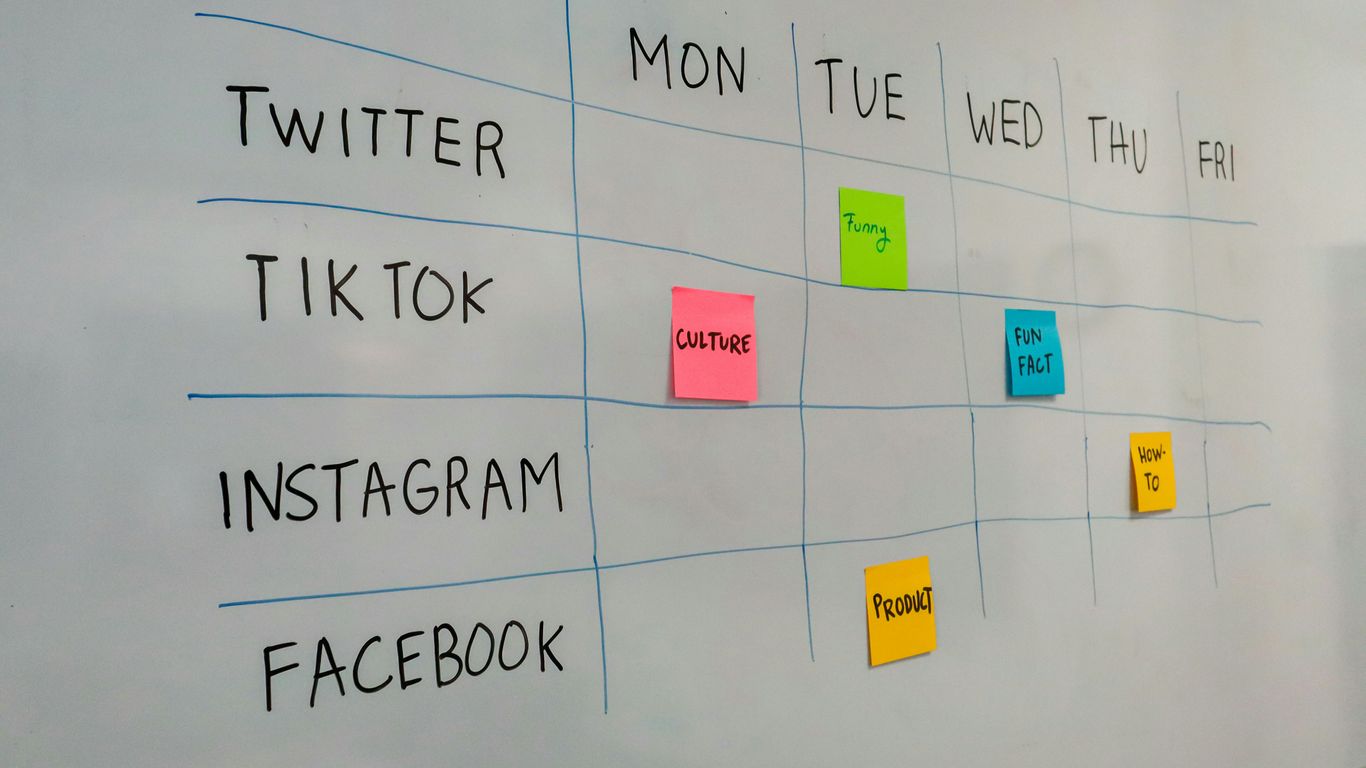
So, you’ve got your social media profiles humming along, but are they actually doing anything for your brand beyond just existing? Integrating public relations into your social media game can seriously set you apart from the crowd. It’s not just about posting updates; it’s about building a narrative and connecting with people in a way that feels real.
Building Trust and Credibility Online
Think about it: people are bombarded with ads all the time. What really makes them stop and pay attention? It’s when they see a brand acting like a real entity, not just a sales machine. Social media PR is your chance to show what you’re all about, beyond just selling stuff. It’s about sharing your knowledge, being helpful, and letting your personality shine through. This builds a kind of trust that paid ads just can’t buy.
- Share your expertise: Post articles, tips, or insights related to your industry. Don’t just talk about your products; talk about the problems you solve or the knowledge you have.
- Show behind-the-scenes: People love seeing the human side of a brand. Share photos or videos of your team, your workspace, or how your product is made.
- Respond genuinely: When people comment or ask questions, answer them thoughtfully. Show that you’re listening and that you care about what they have to say.
Building trust isn’t a one-time thing. It’s a continuous effort of showing up, being honest, and providing real value to your audience. When people trust you, they’re more likely to become loyal customers and even advocates for your brand.
Achieving Competitive Advantage
In today’s noisy digital world, standing out is tough. PR on social media gives you a way to get noticed for the right reasons. It’s about creating conversations and getting people talking about you, not just because you paid for it, but because you’ve got something interesting to say or offer. This can make a huge difference when potential customers are trying to decide who to go with.
Here’s how you can get ahead:
- Be the first to comment on trends: If there’s a relevant topic or news story, jump in with your unique perspective. This can get your brand seen by a wider audience.
- Highlight your unique story: What makes your brand different? Share that narrative. It could be your origin story, your company values, or a special project you’re working on.
- Engage with industry leaders: Comment on posts from other respected figures in your field. This positions you as part of the conversation and shows you’re knowledgeable.
Enhancing Brand Awareness Instantly
Social media has this amazing ability to spread information like wildfire. When you do PR right on these platforms, you can get your brand in front of a lot more eyes, pretty quickly. It’s not just about getting likes; it’s about getting your brand name out there so that when people need what you offer, they think of you first. This can happen through shares, mentions, or even just people seeing your content regularly.
| Platform | Best For Awareness |
|---|---|
| Visual storytelling, influencer shout-outs | |
| TikTok | Short, engaging video trends, challenges |
| Community building, sharing longer updates | |
| Professional insights, industry news | |
| Real-time updates, joining trending discussions |
Strategic Approaches to Social Media PR
So, you’ve got your social media accounts humming along, but are they really doing the heavy lifting for your brand’s public image? Just posting updates here and there won’t cut it. To really stand out, you need a smart plan. This section is all about digging into the actual methods that make social media PR work for you, moving beyond just being present to actively building connections and a good reputation.
The Power of Influencer Collaboration
Think about who your audience actually listens to. Often, it’s not big-name celebrities, but people they see regularly on their feeds, sharing tips or reviewing products. These are your influencers. Working with them isn’t just about getting a shout-out; it’s about tapping into a trusted voice. They’ve already built a connection with their followers, and when they talk about your brand, it feels more like a recommendation from a friend than an ad.
- Identify the right fit: Look for influencers whose audience matches yours and whose values align with your brand. It’s not just about follower count, but engagement and authenticity.
- Build genuine relationships: Don’t just treat it as a one-off transaction. Cultivate ongoing partnerships. This can lead to more natural and effective content.
- Consider micro-influencers: These folks might have smaller followings, but their audiences are often more dedicated and niche. They can be more cost-effective and provide a stronger return.
Partnering with influencers can feel like a shortcut, but the real magic happens when the collaboration feels authentic to both the influencer and your brand. It’s about shared values and genuine enthusiasm, not just a paid post.
Harnessing User-Generated Content
Why not let your own fans do some of the talking? User-generated content (UGC) is gold. It’s when your customers or followers create posts, photos, or videos about your brand. This kind of content is super believable because it comes from real people, not the company itself. It acts as powerful social proof, showing potential customers that others are already happy with what you offer.
- Run creative campaigns: Ask your followers to share their experiences with your product or service using a specific hashtag.
- Feature customer content: Regularly repost and highlight the best UGC on your own channels, always giving credit to the creator.
- Offer incentives: Sometimes a small reward, like a discount or a feature on your page, can encourage more people to share.
Direct Audience Engagement and Community Building
Social media isn’t a one-way street; it’s a place for conversations. The real power comes from talking with your audience, not just at them. This means responding to comments, answering questions, and joining discussions. When you engage directly, you show that you’re listening and that you care about what your audience thinks. This builds a loyal community around your brand.
- Be responsive: Aim to reply to comments and messages promptly. Even a simple ‘thank you’ goes a long way.
- Ask questions: Encourage interaction by posing questions in your posts and stories.
- Create dedicated spaces: Consider groups or forums where your most engaged followers can connect with each other and with your brand more deeply.
| Engagement Tactic | Frequency | Impact on Community |
|---|---|---|
| Responding to comments | Daily | High |
| Running Q&A sessions | Weekly | Medium |
| Hosting live chats | Monthly | High |
| Sharing UGC | As available | Medium |
Measuring Success in Social Media PR
So, you’ve put in the work, crafted some killer content, and launched your social media PR campaign. Now what? It’s time to figure out if it actually worked. This isn’t just about vanity metrics like likes; it’s about seeing if your efforts are moving the needle for your brand. We need to look at the real impact.
Analytics and Data-Driven Strategies
This is where we get down to brass tacks. Using analytics tools is like having a crystal ball, but for your social media performance. You can see what’s hitting home and what’s falling flat, often in real time. This means you can tweak things on the fly, rather than waiting weeks to realize a campaign isn’t working.
- Track key performance indicators (KPIs): What are you trying to achieve? More website traffic? Better brand sentiment? Increased mentions? Define these upfront.
- Monitor engagement rates: This goes beyond just likes. Look at comments, shares, and saves. High engagement suggests your content is connecting.
- Analyze reach and impressions: How many people are actually seeing your content? Are you reaching new audiences?
- Measure referral traffic: Are people clicking through from social media to your website? This is a direct link to potential business impact.
Social Listening and Monitoring
This is about tuning into the conversation. What are people saying about your brand, your industry, and your competitors online? Social listening tools let you eavesdrop on these conversations, giving you insights you can’t get anywhere else. It helps you understand public perception and identify potential issues or opportunities before they blow up.
Understanding the sentiment behind mentions is just as important as the volume of mentions themselves. A flood of negative comments, even if numerous, is a clear signal that something needs attention.
Gauging Content Performance in Real Time
Forget waiting for monthly reports. With social media, you can see how content is performing almost instantly. Did that new video get a ton of shares within the first hour? Is that blog post link getting clicks? This immediate feedback loop is gold. It allows for agile adjustments, letting you double down on what’s working and pivot away from what’s not. It’s about being responsive and making data-informed decisions on the fly to maximize your impact.
The Future of PR in the Digital Age
Blurred Lines Between Casual and Professional
The way we communicate online is changing, and it’s making things a bit fuzzy for PR folks. Think about it: people are sharing personal stuff right next to brand announcements on the same feeds. This means PR messages need to feel more human and less like a stiff corporate memo. Brands have to find that sweet spot between being relatable and still professional. It’s not just about putting out press releases anymore; it’s about joining the conversation in a way that feels natural. This shift means PR pros need to be good at understanding different online vibes and adapting their tone accordingly. It’s a constant balancing act, really.
The Growing Influence of Chat Platforms
We’re seeing a big move towards direct messaging and chat apps. Platforms like WhatsApp, Telegram, and even the direct message features on social media are becoming super important. People like talking directly, getting quick answers, and feeling like they’re having a one-on-one chat. For PR, this means thinking about how to use these channels for customer service, quick updates, and even sharing exclusive content. It’s a more personal way to connect, and brands that get it right can build stronger relationships.
- Personalized Outreach: Sending targeted messages directly to individuals or small groups.
- Instant Support: Offering quick answers to questions and resolving issues in real-time.
- Exclusive Content: Sharing behind-the-scenes looks or special offers with engaged followers.
- Community Building: Creating private groups for loyal customers or brand advocates.
Adapting to Evolving PR Roles and Skills
Because everything is changing so fast, PR jobs are changing too. It’s not enough to just write well anymore. You need to know how to read data, understand what makes people tick on different social sites, and be ready to jump into conversations. The old ways of just getting a story in the newspaper aren’t the only game in town. Now, building relationships online and keeping an eye on what people are saying is just as important, if not more so.
The speed of online communication means PR professionals have to be quick thinkers and fast responders. What might have taken days to address traditionally can now happen in minutes. This requires a different kind of agility and a constant awareness of the digital pulse.
Here’s a look at some skills that are becoming more important:
| Skill Area |
|---|
| Data Analysis |
| Social Listening |
| Content Creation |
| Community Management |
| Crisis Communication |
| Influencer Relations |
It’s a lot to keep up with, but it also means PR is becoming a more dynamic and interesting field. You’ve got to be ready to learn and change as the digital world keeps spinning.
Wrapping It Up
So, we’ve talked a lot about what ‘PR’ can mean, from personal bests to progress reports. But for anyone running a business or trying to get their message out there, the big one is Public Relations. It really matters how people talk about your brand online, whether it’s in a quick chat message or a public forum. To make sure those conversations work for you, you’ve got to mix that fast-paced chat world with solid PR strategies. It’s not always easy, and success depends on a bunch of things, but understanding how to use social media PR can really make a difference. Keep learning, keep adapting, and you’ll be able to build those connections and get your brand noticed.
Frequently Asked Questions
What does ‘PR’ usually mean when people talk about social media?
Most of the time, when folks mention ‘PR’ on social media, they’re talking about Public Relations. This is all about how a company or person talks to the public and how they build a good name for themselves. It’s like managing your reputation online.
Are there other meanings for ‘PR’ besides Public Relations?
Yes, sometimes ‘PR’ can mean different things. In sports or games, it might stand for ‘Personal Record,’ meaning your best score. In school or work, it could be short for ‘Progress Report.’ But for businesses online, Public Relations is the main idea.
Why is understanding ‘PR’ important for brands on social media?
It’s super important because social media is where lots of people talk about brands. If a brand understands PR, it can make sure those talks are good ones. This helps build trust, makes the brand look better, and can even help it stand out from others.
How can businesses use social media to do PR well?
Businesses can share their stories, talk directly with people who follow them, and work with influencers who have lots of followers. They can also encourage their customers to share their own positive experiences, which acts like a recommendation.
How do you know if your social media PR efforts are working?
You can check how many people are seeing your posts, how many are liking or commenting, and what people are saying about your brand online. Using special tools helps you see what’s working and what’s not, so you can make changes quickly.
What’s the future of PR on social media?
The lines between just chatting and doing professional PR are getting fuzzy. More and more, conversations happen on messaging apps and social media. PR people will need to be good at using these tools, understanding data, and building relationships online to help brands grow.