

Understanding Starlink’s Initial Investment
When Starlink first popped onto the scene, it felt like a game-changer, especially for folks in rural areas tired of slow, unreliable internet. The initial setup, though, involves a hardware purchase that’s a bit more than just plugging in a router. You’re buying into a whole satellite system, after all.
The Standard Equipment Cost
The most common setup for residential users includes the Starlink dish (often called the Standard Actuated Dish), a Wi-Fi router, a base, and all the necessary cables. This hardware package typically runs around $499 to $599. It’s a one-time cost, but it’s definitely a significant chunk of change upfront. Think of it as buying your own mini internet gateway.
Potential Discounts Through Contracts
While Starlink’s pricing can seem pretty fixed, there have been instances, especially in the past or in specific promotional periods, where longer-term commitments or bundled deals might have offered some savings. However, as of late 2025, these kinds of contract-based discounts aren’t the norm for the standard residential service. It’s more of a buy-the-hardware-and-pay-monthly model. Keep an eye out, though, as these things can change.
Regional Pricing Variations for Hardware
It’s not just the monthly service that can differ based on where you live; the hardware cost can also see some adjustments. While the $499-$599 range is a good general estimate for many places, Starlink does sometimes tweak prices based on regional demand, import costs, and local market conditions. So, if you’re looking at the Starlink website, make sure you’re checking the price specific to your exact location. It’s always best to get the most accurate figure straight from the source.
Decoding Monthly Service Fees
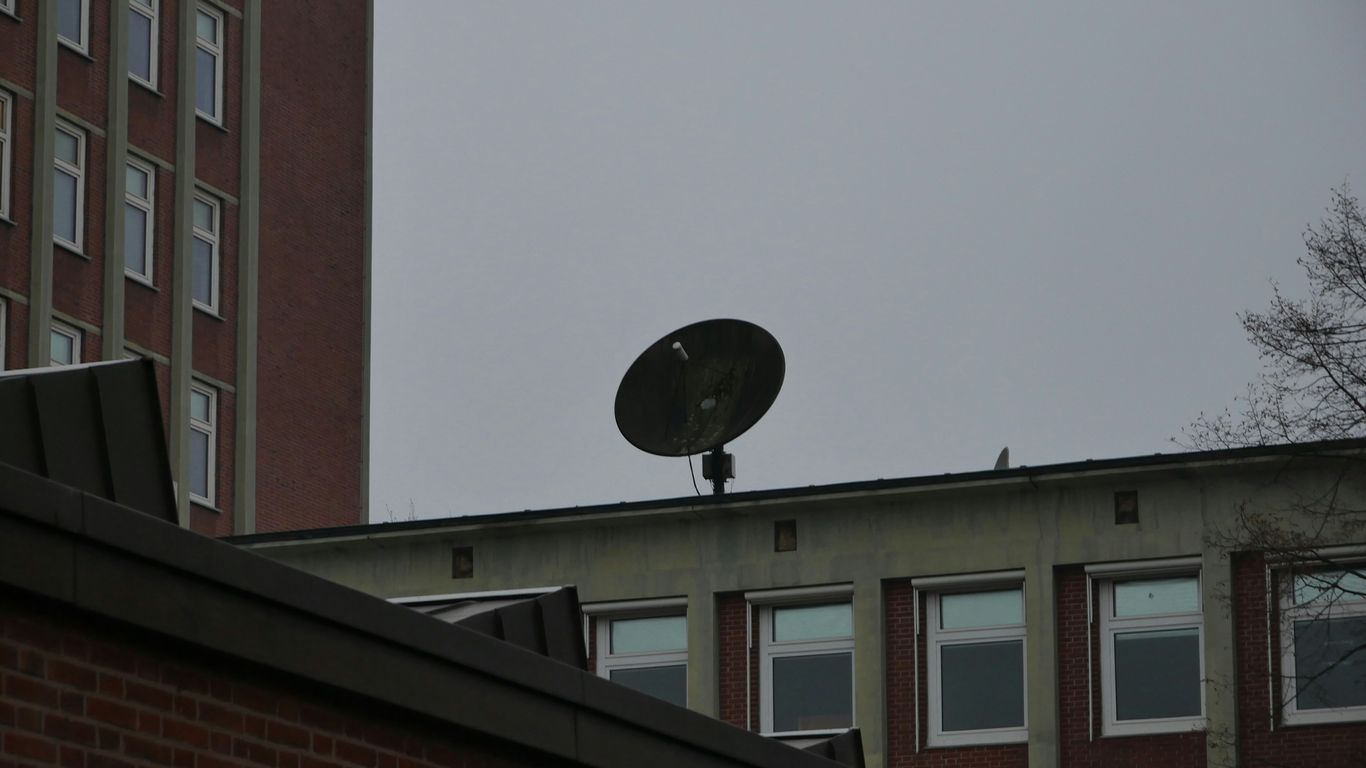
When Starlink first rolled out, the idea of unlimited, high-speed internet anywhere was a game-changer, especially for folks in rural spots. It felt like we were finally leaving the slow lane behind. But as more people signed up, things got a bit more complicated. Now, understanding your monthly bill involves looking at a few different parts, not just a single flat fee.
The core of Starlink’s monthly cost comes down to your plan type and how much you use the network, especially during busy times. It’s not quite as simple as it used to be, but it’s still a big step up from older satellite options.
Standard Residential Plan Pricing
For most regular users, the standard residential plan is the way to go. You get unlimited "Standard" data, which means you don’t have to worry about hitting a hard cap like 1TB and then getting throttled. This is a huge improvement over what other satellite providers offer. The monthly cost for this plan is generally around $120.
Discounted Rates in Certain Areas
Sometimes, Starlink offers what they call "Regional Savings." This isn’t a widespread thing, and it’s not always clearly advertised, but in areas where the network has more capacity than it needs, you might see a slight reduction in your monthly bill. It’s worth checking their website for your specific location to see if any such savings apply.
Higher Tiers for Priority Access
If you need faster speeds, especially during peak hours (think evenings when everyone is online), you might look at the "Priority" plans. These plans come with a set amount of high-priority data. Once you use that up, your speeds might slow down, especially during busy times. These plans are more expensive and are often geared towards businesses or users who absolutely need consistent performance.
Here’s a general idea of how the data tiers work:
- Standard Data: Unlimited for residential users. Speeds can slow down during peak network congestion.
- Priority Data: A set amount of data that gets network preference. This means faster, more consistent speeds, even when the network is busy.
- Mobile Priority Data: Similar to Priority Data but designed for users on the move, like RVs or boats.
These higher tiers can add significant cost, with data blocks ranging from 50GB to 2TB, and prices climbing quickly for larger amounts. For example, extra data blocks can cost anywhere from $25 for 50GB on a local plan to $100 for the same amount on a global plan.
The Impact of Congestion Charges
So, you’re looking into Starlink, and you see this thing called a "congestion charge." What’s that all about? Basically, it’s Starlink’s way of managing how many people are trying to use their service in a specific area. Think of it like a popular concert venue – if too many people show up at once, things get slow and messy for everyone. Starlink has a limited amount of bandwidth in each "cell" (that’s their term for a geographic area), and when that cell gets too crowded, they introduce this charge.
What is the Starlink Congestion Charge?
This charge is a one-time fee that new customers might have to pay if they live in an area where the Starlink network is already pretty busy. It’s essentially a way to let you jump the queue and get service sooner in high-demand locations. Instead of waiting months for capacity to open up, you pay a bit extra upfront. The amount can change depending on how much demand there is in your specific spot. For example, in many parts of the US, it’s been around $100, but it can go higher. Some areas in Australia might see around $145 AUD, and in the UK, it could be about £75.
When Does the Congestion Charge Apply?
This fee pops up in areas where Starlink’s network is feeling the strain. You’ll likely see it if you’re signing up in places that are already experiencing slower speeds due to a lot of users. Some states in the US, like Texas, Florida, Kansas, Ohio, and Virginia, have seen this charge appear. It’s Starlink’s signal that the local network is getting full. They use it to help fund network improvements and balance things out while they keep launching more satellites.
Refundability of the Congestion Fee
Here’s a bit of good news: if you decide Starlink isn’t for you after signing up, you can usually get that congestion charge back. Starlink offers a 30-day window where you can return the equipment and get a refund for the fee. So, it’s not a permanent cost if you’re not satisfied. They also sometimes mention a "Regional Savings" program where they might refund customers if capacity improves, though that’s less common. It’s always a good idea to check the specifics when you’re signing up.
Exploring Specialized Starlink Hardware
So, Starlink isn’t just a one-size-fits-all deal anymore. They’ve branched out, offering different hardware for different needs, which is pretty cool if you think about it. It means you can get something that actually fits what you’re trying to do, whether that’s just basic internet at home or something more mobile.
The Starlink Performance Dish
This is the step up from the standard dish. If you’re looking for top-tier speeds and a more robust connection, especially for things like high-demand business use or if you’re just a heavy internet user, the Performance dish is the way to go. It’s designed for more demanding situations. It’s generally more expensive, both for the hardware and the monthly service, but you get what you pay for in terms of speed and reliability. It’s not usually for your average home user, but if you need that extra oomph, it’s there.
Starlink Mini Kit Pricing
This little guy is a game-changer for portability. The Starlink Mini is way smaller and lighter than the standard dish, making it super easy to pack up and take with you. Think RV trips, camping, or even just moving it around your property. It’s designed to be powered by USB-C, which is convenient if you have a good power bank. While it’s not going to give you the same blazing speeds as the bigger dishes, it’s more than enough for browsing, streaming in HD, and staying connected on the go. The pricing for the Mini kit itself is generally lower than the standard equipment, making it an attractive option for mobile users.
Business and Mobile Solutions
Beyond the Mini, Starlink has a whole suite of options for businesses and mobile users. This includes:
- Starlink Roam: This plan is for people who need internet while traveling. You can get it with a set amount of data or go for unlimited. It’s great for RVs, boats, or even just a temporary worksite.
- Starlink Priority: If you need serious speed and uptime, especially for business applications or maritime use, the Priority plans are the ticket. These come with higher-end hardware and are priced accordingly, offering faster speeds and the ability to work reliably even when you’re on the move across land or sea.
- Custom Solutions: For very specific needs, like large enterprises or government use, Starlink can put together custom packages. These are tailored to exact requirements and, as you can imagine, come with a significant price tag.
Comparing Starlink to Competitors
So, you’re thinking about Starlink, but maybe you’re wondering how it stacks up against the other satellite internet providers out there? It’s a fair question, especially when you’re looking at the price tag. For a long time, satellite internet meant slow speeds and frustrating data caps, usually in exchange for service in areas where nothing else was available. Starlink definitely shook things up, but the landscape is always changing.
Starlink vs. Hughesnet Costs
HughesNet has been around for ages, and for a while, it was pretty much the only game in town for many rural folks. Their plans used to be the standard, but honestly, they feel a bit dated now. You’re typically looking at speeds around 25 Mbps for downloads and maybe 3 Mbps for uploads. The real kicker, though, is the data. Plans often start with just 15GB or 50GB of data for around $50-$120 a month. Compared to Starlink’s generally higher speeds and more generous data policies, HughesNet often feels like a step back in time, especially if you use the internet for more than just basic email. It might be cheaper upfront for a tiny amount of data, but it’s easy to blow through that limit fast.
Starlink vs. Viasat Pricing
Viasat is another big name in satellite internet, and they’ve also been trying to keep up. Their "Unleashed" plan, for example, might start around $99 a month, offering speeds up to 150 Mbps. They advertise "unlimited" data, but there’s usually a "soft cap" – like 850GB – after which your speeds can really slow down. The latency, which is how long it takes for data to travel back and forth, is also often quite high with Viasat, making things like online gaming or video calls a bit laggy. While Viasat might offer more data than HughesNet, Starlink still generally wins on speed and responsiveness, even with its own potential congestion issues. It’s a trade-off between potentially more data from Viasat versus faster, more reliable speeds from Starlink.
Emerging Competition from Project Kuiper
Now, things are getting even more interesting. Amazon is getting into the satellite internet game with Project Kuiper. They’re building their own massive constellation of satellites, aiming to compete directly with Starlink. While Kuiper isn’t widely available to consumers yet, it’s definitely something to keep an eye on. The idea is that more competition will eventually lead to better prices and service for everyone. It’s hard to say exactly how Kuiper’s pricing will compare when it launches, but the goal is to offer a strong alternative, potentially pushing Starlink to keep improving its own service and pricing models.
Long-Term Cost Considerations
So, you’ve looked at the upfront costs and the monthly bills, but what about down the road? Thinking about the long haul with Starlink is pretty important, because like anything, the price tag can shift.
The Evolution of Starlink Pricing Models
Starlink’s pricing isn’t set in stone. They’ve already tweaked things a bit, and it’s likely to keep changing. Think about it: they’re constantly launching new satellites and upgrading their network. This means the way they charge for service could get more complicated, or maybe even simpler, depending on what makes sense for them and for us users. We’ve seen hints that they might offer more specific plans down the line, not just one-size-fits-all. It’s a bit of a guessing game, but staying aware of their announcements is key.
Future Network Upgrades and Their Impact
SpaceX is always working on the next generation of Starlink satellites. The plan is for these new satellites to handle way more data – like, a terabyte per satellite, which is huge compared to what they can do now. When these get launched, especially with their Starship rockets, it could really ease up the network congestion that sometimes causes those "congestion charges" we talked about. This could mean fewer surprise fees and a more stable service overall. It’s a big investment for SpaceX, and hopefully, it translates to a better, more predictable experience for us.
Assessing Value Beyond the Sticker Price
When you’re looking at Starlink, it’s easy to get hung up on the numbers. But there’s more to it than just the monthly bill. Consider what you’re actually getting: potentially unlimited data (depending on your plan and location), speeds that often beat other satellite options, and the ability to get internet in places where it was nearly impossible before.
Here’s a quick look at how it stacks up over a few years, assuming some price stability:
| Item | Year 1 Cost (Est.) | Year 2 Cost (Est.) | Year 3 Cost (Est.) | Total 3-Year Cost (Est.) |
|---|---|---|---|---|
| Equipment | $500 – $600 | $0 | $0 | $500 – $600 |
| Monthly Service | $1,200 ($100/mo) | $1,200 ($100/mo) | $1,200 ($100/mo) | $3,600 |
| Total (Excl. Fees) | $1,700 – $1,800 | $1,200 | $1,200 | $4,100 – $4,200 |
Remember, this doesn’t include potential one-time congestion fees or any future hardware upgrades you might choose. But even with those, for many people in rural areas, the value of having reliable, fast internet might just be worth it in the long run, especially when you compare it to the limited data caps and slower speeds of older satellite services.
So, What’s the Bottom Line on Starlink Costs?
Alright, so we’ve looked at the numbers. Starlink isn’t exactly pocket change, especially with that upfront equipment cost and the potential congestion charge in busy areas. For a lot of folks, especially those out in the sticks with no other good options, it’s a game-changer. But it’s definitely not a simple ‘set it and forget it’ kind of deal anymore. Things are changing, prices can shift, and understanding what you’re actually paying for is key. Keep an eye on those plans and any new fees, because the satellite internet world is still pretty new and evolving fast. It might be worth it for you, but do your homework first.