
Information technology, or IT, is pretty much everywhere these days. It’s the stuff that makes our computers, phones, and all those other gadgets work, and it connects us to pretty much everything. Think about how often you use the internet, send an email, or even just scroll through your phone. That’s all IT in action. It’s a huge field, and understanding what it is and what it does is becoming more and more important for everyone, not just tech folks. This guide will break down what we mean when we define technology in computer systems and how it all fits together.
Key Takeaways
- When we define technology in computer systems, it means using computers and related tools to handle information. This includes storing it, moving it around, and making sure it’s safe.
- IT is made up of two main parts: the physical stuff like computer parts (hardware) and the instructions that tell them what to do (software).
- Computers and networks are the core of IT, letting us communicate and share information easily, which is a big deal for businesses and just for regular life.
- IT helps businesses work better and smarter by making things faster, protecting important data, and even helping create new things.
- The IT world keeps changing, with new stuff like cloud computing and AI becoming more common, meaning there are always new things to learn and new jobs to find.
Understanding the Core of Information Technology
Defining Technology in Computer Systems
So, what exactly is information technology, or IT, when we talk about computers? It’s not just about the shiny gadgets or the complicated code you see in movies. Think of it as the whole system that lets us use computers to handle information. This means everything from the physical parts, like your laptop or the big servers in a data center, to the programs that make them work, and the way they all talk to each other. IT is essentially the engine that drives our digital world. It’s how we store stuff, how we find it again, and how we share it, whether that’s sending an email across the country or just saving a document to your hard drive.
The Role of Hardware and Software
When we break down IT, two big pieces always pop up: hardware and software. Hardware is the stuff you can actually touch – the keyboard, the screen, the chips inside. Software, on the other hand, is the set of instructions that tells the hardware what to do. You can’t really have one without the other, right? It’s like having a car (hardware) but no driver or no engine instructions (software). They work together to make computers useful.
Here’s a quick look at what each does:
- Hardware: This includes all the physical components. Think of:
- Central Processing Unit (CPU): The brain of the computer.
- Memory (RAM): Where the computer temporarily stores data it’s actively using.
- Storage Devices: Like hard drives or SSDs, where data is kept long-term.
- Input/Output Devices: Keyboards, mice, monitors, printers.
- Software: This is the non-physical side, the programs and instructions. It covers:
- Operating Systems (OS): Like Windows, macOS, or Linux, which manage the computer’s basic functions.
- Applications: Programs designed for specific tasks, such as word processors, web browsers, or games.
- System Software: Utilities that help manage and maintain the computer system.
Essential IT Functions and Processes
IT does a lot more than just run programs. There are several key jobs it performs to keep things running smoothly and securely. These functions are the backbone of any organization that relies on technology.
Some of the most important IT functions include:
- Data Management: This is all about how we store, organize, and access information. Without good data management, finding what you need would be a nightmare.
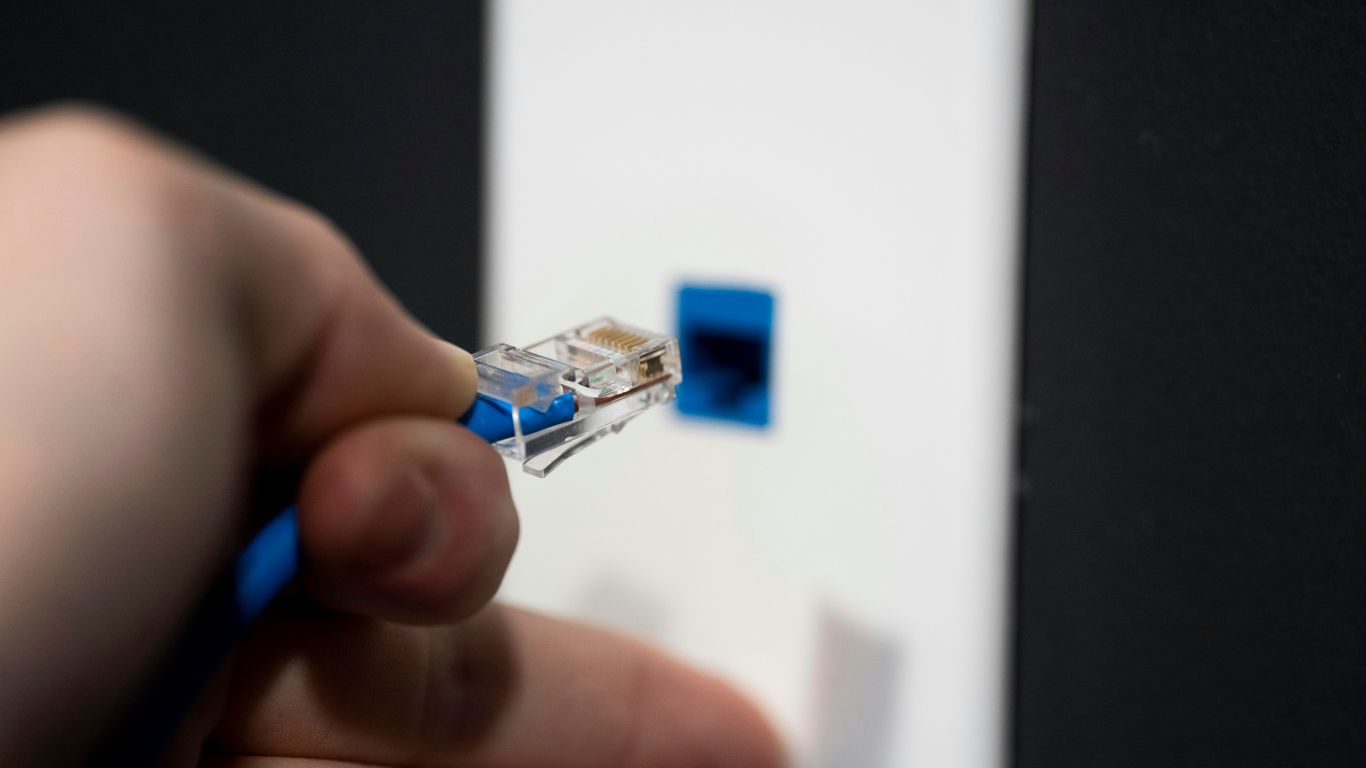
- Network Management: This involves setting up and maintaining the connections that allow computers and devices to communicate with each other, both within an office and across the internet.
- Security: Protecting all that digital information from unauthorized access, theft, or damage is a huge part of IT. This includes things like firewalls and antivirus software.
- System Maintenance and Support: Keeping hardware and software up-to-date, fixing problems when they arise, and helping users when they get stuck are all part of the daily grind for IT professionals.
The Pervasive Impact of Information Technology
It’s pretty wild when you stop and think about it, but information technology is basically everywhere now. It’s the invisible stuff that makes your phone work, lets you chat with friends across the country, and even helps your favorite online store know what you might want to buy next. This isn’t just about fancy gadgets; it’s the engine driving how we live, work, and connect.
Connecting the World Through Networks
Remember when sending a letter took days? Now, we can send a message, a photo, or even a video call to someone on the other side of the planet in seconds. That’s all thanks to networks. These systems, from the Wi-Fi in your house to the massive undersea cables connecting continents, are the highways for all our digital information. They allow businesses to operate globally, families to stay in touch, and for us to access news and information from anywhere.
- Global Reach: Businesses can now sell products and services to customers worldwide without needing a physical store everywhere.
- Instant Communication: We can talk to anyone, anywhere, anytime, which has changed how we build relationships and share ideas.
- Information Access: News, research, and educational materials are available almost instantly, helping us learn and stay informed.
Driving Innovation and Efficiency
Think about how much faster things get done now compared to, say, 30 years ago. IT is a huge reason why. Automation in factories, software that helps doctors diagnose illnesses, and even the apps that help you manage your schedule all come from IT. It streamlines processes, cuts down on mistakes, and frees up people to focus on more creative or complex tasks. This push for better, faster, and smarter ways of doing things is what keeps industries moving forward.
| Industry | Example of IT Impact |
|---|---|
| Healthcare | Faster patient record access, remote diagnostics |
| Manufacturing | Automated production lines, predictive maintenance |
| Retail | Personalized recommendations, efficient inventory management |
| Education | Online learning platforms, digital research tools |
Securing Digital Information and Systems
With all this connection and data flying around, keeping things safe is a big deal. Cybersecurity is a whole field dedicated to protecting our digital lives from bad actors. Whether it’s stopping hackers from stealing your bank details or preventing companies from losing sensitive customer information, IT security is constantly working to build stronger digital walls. It’s a bit like a never-ending game of cat and mouse, with new threats popping up all the time, requiring constant updates and vigilance to stay ahead.
Key Components of Information Technology
So, what actually makes up all this "Information Technology" we keep hearing about? It’s not just one thing, you know. Think of it like building a house – you need the foundation, the walls, the roof, and all the stuff inside to make it work. In the world of computers and tech, it’s pretty similar. We’ve got the physical bits, the brains behind the operation, and the actual information itself.
Physical Hardware and Its Significance
This is the stuff you can actually touch. When you think of a computer, you probably picture the monitor, the keyboard, the mouse, right? That’s hardware. But it goes way deeper than that. Inside that box, there are processors (like the CPU, the computer’s brain), memory (RAM, where it keeps things it’s actively working on), storage drives (where everything is saved long-term), and all sorts of other bits and pieces that let the machine do its job. Without this physical foundation, nothing else can happen. It’s the engine that powers everything.
The Power of Software Applications
Okay, so you’ve got all this hardware, but what does it do? That’s where software comes in. Software is basically a set of instructions that tells the hardware what to do. Think of your operating system, like Windows or macOS – that’s a big piece of software. Then you have all the applications you use every day: your web browser, your word processor, your games, your social media apps. Each one is a specific set of instructions designed for a particular task. They’re the tools that let us interact with the hardware and get things done.
The Importance of Data Management
And what’s all this hardware and software for if not to handle information, right? That’s data. Data is the raw material – the numbers, text, images, and sounds that computers process. But just having data isn’t enough. You need to manage it properly. This means storing it safely, organizing it so you can find it later, and making sure it’s accurate. Good data management is like having a well-organized filing cabinet instead of a giant, messy pile of papers. It makes everything else run smoother and helps businesses make better decisions because they’re working with reliable information.
Evolving Landscape of Technology in Computing
The world of computing technology isn’t just standing still; it’s moving at a pretty fast clip. Things that seemed like science fiction just a few years ago are now becoming everyday tools. It’s kind of wild to think about how much has changed, and it’s not slowing down.
The Rise of Cloud Computing
Cloud computing has really changed the game. Instead of keeping all your data and running all your programs on your own computer or a company server in the basement, you use services over the internet. This means you can access your stuff from pretty much anywhere with an internet connection. It’s also way more flexible. Need more storage or computing power for a big project? You can usually just scale up what you’re using in the cloud without buying new hardware. Companies are using it a lot because it can save them money and make things easier to manage. We’re seeing more and more businesses use a mix of different cloud setups – some public, some private, and even some at the "edge" where data is processed closer to where it’s created. This lets them pick the best setup for different jobs.
Advancements in Artificial Intelligence
Artificial Intelligence, or AI, is another big one. It’s not just about robots in movies anymore. AI is getting really good at learning from huge amounts of information. Think about how your phone suggests the next word when you’re texting, or how streaming services recommend shows you might like. That’s AI at work. It’s also being used to automate tasks that used to take people a lot of time, like sorting through data or answering basic customer questions. This frees people up to do more complex or creative work. Machine learning, a part of AI, is what allows computers to get better at tasks without being specifically programmed for every single step. And natural language processing helps computers understand and use human language, making it easier for us to interact with technology.
The Future of Information Technology
So, what’s next? It’s hard to say for sure, but there are some exciting possibilities. We’re already seeing new ideas like Zero-Trust Security, which means no one is automatically trusted, and everything needs to be checked constantly. This is a big deal as more of our lives move online. Cybersecurity is going to keep getting more important as threats become more advanced. Beyond that, fields like quantum computing, which could solve problems far beyond the reach of today’s computers, and virtual and augmented reality are set to change how we work, play, and connect even further. The pace of change is pretty amazing, and it’s going to be interesting to see what the next few years bring.
Navigating the IT Field
So, you’re thinking about getting into Information Technology, huh? It’s a pretty big area, and honestly, it can feel a bit overwhelming at first. But don’t worry, lots of people find their way in, and it can be a really rewarding path. The key is to figure out where you fit and what you want to do.
There are tons of different jobs you can do. Think about things like helping people fix their computer problems, keeping systems safe from hackers, or even figuring out what all that data means. It’s not just about sitting in a dark room staring at code, though that’s part of it for some folks. You could be designing networks, managing databases, or even building the next big app. The field is always changing, so you’ve got to be ready to keep learning.
Here are a few common job types you’ll see:
- IT Support Specialist: This is often the first point of contact when something goes wrong with a computer or software. You’re the problem-solver for everyday tech issues.
- Network Administrator: These folks make sure all the computers and devices in an organization can talk to each other smoothly and securely.
- Data Analyst: If you like digging into numbers and finding patterns, this is for you. You help businesses understand what their data is telling them.
- Cybersecurity Specialist: With all the online risks, these professionals are super important. They protect systems and information from bad actors.
- Software Developer: These are the builders, creating the programs and applications we use every day. It’s a creative process, turning ideas into working software.
To get started, you’ll want a mix of skills. Technical know-how is a given – things like understanding how computers work, maybe some basic programming, and how networks are set up. But don’t forget the ‘soft’ skills. Being able to explain technical stuff to someone who doesn’t know computers is a big deal. Good communication and teamwork are also really important. You can find lots of resources online to help you learn, like courses and certifications that can give you a leg up in the tech industry.
It’s a field that really needs people who can think on their feet and adapt. Things change fast, so being willing to learn new tools and technologies is a must. If you’re curious and like solving puzzles, IT might just be the right fit for you.
Wrapping It Up
So, we’ve gone through what computer technology really is and why it matters so much these days. It’s not just about the gadgets we use, but how they all work together to keep our world running. From the apps on our phones to the big systems running businesses, it’s all connected. As things keep changing fast, knowing a bit about this stuff helps us all get around better. Whether you’re thinking about a job in tech or just want to understand things more, keeping up with technology is a smart move for the future.