So, you’ve heard about the Internet of Things, or IoT, and maybe you’re wondering what it actually means. It’s not just a buzzword; it’s a real thing that’s changing how we live and work. Basically, it’s about connecting everyday objects to the internet so they can talk to each other and share information. Think of your smart thermostat or even a sensor on a factory machine. This article aims to break down what IoT is, how it works, and why it matters, moving towards a clear definition of the Internet of Things IoT.
Key Takeaways
- The Internet of Things, or IoT, connects physical objects to the internet, allowing them to collect and share data.
- IoT systems operate through a layered architecture, from sensors collecting data to cloud platforms analyzing it.
- Key characteristics of IoT include intelligence, connectivity, interactivity, and autonomy, driving data-driven processes.
- IoT applications span smart homes, industry, healthcare, and agriculture, offering efficiency and innovation but also posing security and data protection risks.
- The future of IoT is shaped by emerging technologies like AI and edge computing, with a growing focus on sustainability and responsible implementation.
Understanding the Internet of Things: A Foundational Approach Towards a Definition of the Internet of Things IoT
So, what exactly is this "Internet of Things" everyone’s talking about? It sounds a bit sci-fi, right? But honestly, it’s already woven into our lives more than we probably realize. Think about it: your phone, your smart speaker, maybe even your fridge – they’re all part of this growing network. At its heart, the Internet of Things, or IoT, is about connecting everyday physical objects to the internet. These aren’t just computers or phones anymore; we’re talking about anything that can have a sensor or a chip added to it. The big idea is that these connected things can then collect information from their surroundings, send it somewhere else, and sometimes even act on it without us having to do anything.
Defining the Internet of Things: Core Concepts
When we talk about IoT, we’re really talking about a system. It’s not just about having a bunch of gadgets online. It’s about how these gadgets, or "things," talk to each other and to us. They gather data – like temperature from a thermostat, or movement from a security camera. This data then travels through networks, often to a central place like a cloud service, where it’s processed. Based on that processing, something might happen. Maybe your smart lights turn on when you get home, or a factory machine gets a heads-up that it needs maintenance before it breaks down.
- Connectivity: This is the "internet" part. Devices need a way to communicate, whether that’s through Wi-Fi, Bluetooth, cellular networks, or other specialized ways.
- Data Collection: Devices are equipped with sensors to gather information about their environment or their own status.
- Data Processing: The collected data is analyzed, often using software platforms, to find patterns or trigger actions.
- Action/Response: Based on the analysis, devices can perform tasks, send alerts, or provide insights to users.
The Pervasive Nature of Connected Devices
It’s easy to think of IoT as just smart home gadgets, but it’s so much bigger than that. In factories, machines are talking to each other to make production smoother. In farms, sensors are monitoring soil conditions to help crops grow better. Even in our cities, traffic lights and waste bins can be connected to manage resources more efficiently. This widespread connection means that data is being generated and exchanged at an incredible rate, touching almost every part of our lives and industries.
From Physical Objects to Digital Exchange
The real magic happens when a physical object, something you can touch, starts participating in the digital world. A simple temperature sensor in a warehouse, for instance, becomes a source of valuable data once it’s connected. It can report the temperature in real-time, allowing for adjustments to prevent spoilage. This transformation from a passive object to an active participant in a data exchange is what defines the IoT. It’s about giving a voice, a digital voice, to the physical world around us.
The Evolution of the Internet of Things: From Concept to Key Technology
It’s wild to think about how far we’ve come with connected devices, right? What started as a bit of a sci-fi idea is now a huge part of our lives and industries. Let’s take a quick look back at how we got here.
Early Concepts and Foundational Ideas
Believe it or not, the basic idea of connecting physical things to a network goes back to the 1980s. People were starting to imagine a world where objects could "talk" to each other. It wasn’t anything like what we have today, of course. Think more like early experiments than a fully formed concept. The real spark, though, came in 1999 when a researcher named Kevin Ashton actually coined the term "Internet of Things." His vision was pretty forward-thinking: devices communicating over the internet without us needing to do anything.
Technological Milestones Enabling IoT
For that vision to become reality, a lot of tech had to catch up. The 1990s saw the development of things like RFID (Radio-Frequency Identification). This was a big deal because it allowed objects to be uniquely identified and tracked, which is pretty much a requirement for a lot of IoT stuff. Then, in the 2000s, things really started to move. Sensors and computer chips got smaller and cheaper, and wireless networks got better. This made it both technically possible and financially sensible to start putting these connected devices into use, both in factories and in our homes.
The Modern Era of Scalable IoT Systems
Things really took off in the 2010s. We got powerful cloud platforms that could handle all the data these devices were generating. New network protocols made communication smoother, and mobile tech made it easier to manage everything. This period is when IoT systems started becoming truly scalable. More recently, technologies like edge computing (processing data closer to where it’s collected), super-fast 5G networks, and artificial intelligence have become super important. They help us deal with the massive amounts of data IoT produces and make sense of it all, often automatically. It’s a constant cycle of innovation, really.
How the Internet of Things Operates: A Layered Architecture
So, how does all this "smart" stuff actually work? It’s not magic, though sometimes it feels like it. The Internet of Things, or IoT, operates using a layered approach, kind of like building blocks. Each layer has a specific job, and they all work together to make things happen.
Sensors and Actuators: Interacting with the Physical World
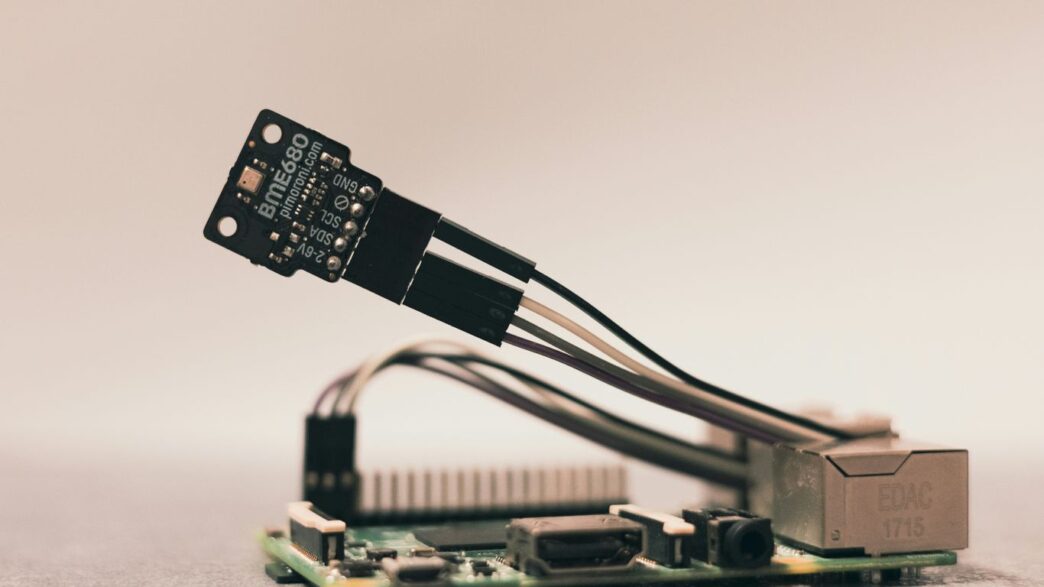
This is where it all begins, right at the source. Think of sensors as the "eyes" and "ears" of the IoT. They’re the bits that actually feel, see, or measure things in the real world. This could be anything from the temperature in your room, the amount of light, or even if a door is open or closed. They grab this raw information. Then you have actuators. These are like the "hands." They take instructions and do something physical – maybe turn on a light, adjust a thermostat, or lock a door. These two components are the direct link between the digital world and our physical surroundings.
Gateways and Data Collection: Bridging Devices and Networks
Okay, so the sensors have collected all this data. What now? It can’t just float around. That’s where gateways come in. They’re like the traffic cops for IoT data. Gateways collect all the information from various sensors and devices. Then, they translate it into a format that can be sent over networks – like your home Wi-Fi, a cellular signal, or other specialized networks. They’re the crucial bridge that gets the device data onto the internet or into a system where it can be processed.
Edge Processing and Cloud Analytics: Intelligent Data Utilization
Before all that data floods into the cloud, sometimes it’s smart to do some initial sorting right where it’s collected. This is called "edge processing." It’s like having a mini-brain near the sensors. It can filter out junk data, or quickly flag important stuff, like an urgent alert. This saves bandwidth and makes things faster. After that, the data, or at least the important bits, heads to the cloud. Here, powerful computers and smart software analyze everything. They look for patterns, make predictions, and figure out what actions need to be taken. This is where the real "intelligence" happens, turning raw data into useful insights and automated actions.
Key Characteristics Defining the Internet of Things
So, what really makes something an ‘Internet of Things’ device or system? It’s not just about plugging something in and having it connect to Wi-Fi. There are a few core traits that set IoT apart. These characteristics work together to create the smart, connected environments we’re seeing more of today.
Intelligence and Connectivity
This is pretty straightforward, right? Devices need to be able to talk to each other and to the internet. But it’s more than just having a Wi-Fi chip. It’s about the device having some level of ‘smarts’ – the ability to process information and make decisions, even if those decisions are simple. Think about a smart thermostat. It doesn’t just connect to the internet; it uses that connection to check weather forecasts and learn your habits to adjust the temperature. That’s intelligence at work, powered by connectivity.
Interactivity and Autonomy
IoT devices aren’t just passive data collectors. They can interact with their environment and, importantly, act on their own. This means they can respond to changes without a human telling them to. For example, a security camera might detect motion and not only send an alert but also turn on a light. Or, in a factory, a sensor might notice a machine overheating and automatically shut it down to prevent damage. This autonomy is what makes IoT systems so powerful for automation.
Data-Driven Processes and Decision-Making
At its heart, IoT is all about data. Devices collect information, send it somewhere, and that data is used to make things happen. This could be as simple as your fitness tracker logging your steps, or as complex as a network of sensors in a field monitoring soil moisture and automatically triggering irrigation. The real magic happens when this data leads to better decisions, whether that’s saving energy at home, optimizing a supply chain, or improving crop yields.
Here’s a quick look at how these characteristics play out:
- Connectivity: Devices need a way to communicate, usually via Wi-Fi, Bluetooth, cellular, or other network protocols.
- Sensing: Many IoT devices have sensors to gather information about their surroundings (temperature, light, motion, etc.).
- Processing: Devices often have some onboard computing power to analyze data or make simple decisions.
- Actuation: Some devices can take action based on data or commands, like turning a switch on or off.
- Data Exchange: The ability to send and receive data is fundamental for IoT systems to function.
Applications and Impact of the Internet of Things
It’s pretty wild how much the Internet of Things (IoT) has already woven itself into our daily lives and how it’s changing how businesses operate. We’re talking about everything from the little gadgets in our homes to the massive systems running factories. It’s not just a futuristic idea anymore; it’s here, and it’s making a real difference.
Transforming Everyday Life: Smart Homes and Wearables
Think about your home. You’ve probably got a smart thermostat that learns your schedule and adjusts the temperature, or maybe smart lights that dim automatically when it gets dark. These aren’t just fancy toys; they’re IoT devices working to make our lives more comfortable and, importantly, more energy-efficient. Then there are wearables, like smartwatches and fitness trackers. These little devices are constantly collecting data about our heart rate, sleep patterns, and how active we are. This constant stream of personal health data can be shared with doctors, helping them keep a closer eye on patients, especially those with ongoing health issues. It’s a huge step towards more personalized and proactive healthcare.
Revolutionizing Industries: Manufacturing and Logistics
In the world of manufacturing, IoT is a game-changer. Sensors on machines are constantly gathering information about how they’re running. If a machine starts showing signs of wear or is about to break down, the system can flag it before it actually fails. This is called predictive maintenance, and it means less unexpected downtime and fewer costly repairs. Companies can plan maintenance proactively, keeping production lines running smoothly. In logistics, IoT provides incredible visibility. Imagine knowing exactly where your shipment is, what its temperature is, and if it’s been jostled around too much, all in real-time. This transparency across the supply chain allows businesses to react quickly if something goes wrong, making deliveries faster and more reliable.
Advancements in Healthcare and Agriculture
We touched on healthcare with wearables, but IoT’s impact goes deeper. Beyond personal trackers, think about connected medical devices that can monitor patients remotely. This is especially helpful for managing chronic conditions, allowing for continuous oversight without constant hospital visits. In agriculture, IoT is helping farmers be smarter with their resources. Sensors in the fields can tell farmers exactly when and where to water, and they can monitor soil nutrient levels. This means using less water and fertilizer, which is good for the environment and also helps grow more crops. It’s a win-win situation, really.
Navigating the Opportunities and Risks Towards a Definition of the Internet of Things IoT
So, we’ve talked about what the Internet of Things (IoT) is and how it works. Now, let’s get real about the good stuff and the not-so-good stuff. Because while IoT promises a lot, it’s not all sunshine and automated coffee makers. We need to look at both sides to really get what IoT is all about.
Benefits: Efficiency, Sustainability, and Innovation
Let’s start with the upside. IoT can seriously streamline how we do things. Think about factories where machines talk to each other, flagging issues before they cause a major shutdown. That’s efficiency right there, saving time and money. Then there’s sustainability. Smart grids can manage energy use better, and smart farming can cut down on water and fertilizer waste. It’s about using resources smarter, which is good for the planet and our wallets. And innovation? IoT opens doors to all sorts of new services and products we haven’t even dreamed of yet. It’s like giving everyday objects a brain and a voice.
Risks: Security Vulnerabilities and Data Protection
Okay, now for the flip side. The more connected things get, the more ways there are for bad actors to cause trouble. Every connected device is a potential entry point for cyberattacks. If your smart fridge can be hacked, imagine what else could be compromised. We’re talking about sensitive personal data being exposed or critical infrastructure being disrupted. It’s a big deal. Keeping data private is also a huge concern. Who owns the data your smart home collects? How is it being used? These aren’t easy questions, and the answers aren’t always clear.
The Importance of Standardization and Responsible Implementation
To make sure we get the benefits without too many of the headaches, a few things are super important. First, standards. Right now, not all IoT devices play nicely together. We need common languages and protocols so devices from different companies can communicate reliably and securely. It’s like needing a universal adapter for all your plugs. Second, responsible implementation. This means companies need to build security and privacy in from the start, not as an afterthought. It also means users need to be aware of the risks and take basic steps to protect themselves, like using strong passwords and updating their devices. It’s a shared responsibility, really. Without these things, the whole IoT dream could turn into a bit of a nightmare.
The Future Trajectory of the Internet of Things
So, where’s all this IoT stuff heading? It’s not just about more gadgets talking to each other, though that’s part of it. We’re seeing some pretty big shifts happening.
Emerging Technologies Driving IoT Advancement
Things are moving fast, and new tech is really pushing IoT forward. Think about 5G – it’s way faster and has less delay than older networks. This means devices can talk to each other and send information almost instantly. That’s a game-changer for things like self-driving cars or remote surgery, where every second counts. Then there’s edge computing. Instead of sending all the data to a faraway server, a lot of the processing happens right on the device or nearby. This makes things quicker and also means less data needs to be sent over the network, which can save money and be more reliable.
The Role of AI and Edge Computing
Artificial intelligence (AI) is becoming a huge part of IoT. AI can look at all the data coming from sensors and devices and figure out what it means, often without a person needing to step in. It can spot patterns, predict problems before they happen, and even make decisions on its own. Combine that with edge computing, and you’ve got systems that can react super fast. Imagine a factory floor where machines can detect a problem and adjust themselves immediately, all thanks to AI working at the edge. It’s like giving these systems a brain that can think and act on its own.
Sustainability and Societal Dimensions of IoT
Beyond just the tech, there’s a growing focus on how IoT can help our planet and society. Smart systems can manage energy use much more efficiently, cutting down waste. Think about smart grids that balance electricity supply and demand, or smart buildings that adjust heating and cooling based on who’s actually there. IoT also helps with tracking resources in a circular economy, making sure materials are reused and recycled. On the societal side, we’re seeing IoT improve things like healthcare with remote patient monitoring and make farming more efficient with precision agriculture. The goal is to make our lives better and our world more sustainable through smart connections.
Wrapping It Up: What’s Next for the Internet of Things?
So, we’ve talked a lot about what the Internet of Things actually is, how it works, and why it matters. It’s pretty clear that this isn’t just some tech fad; it’s really changing how we live and work. From making our homes a bit smarter to streamlining how factories run, connected devices are everywhere. But, like anything new and powerful, it’s not all smooth sailing. We’ve got to keep an eye on security and how our data is handled. As technology keeps moving forward, with things like faster internet and smarter computers, the IoT will only become more important. Understanding it now is key to figuring out what comes next.
Frequently Asked Questions
What exactly is the Internet of Things (IoT)?
Think of the Internet of Things, or IoT, as a big network where everyday objects can connect to the internet. These aren’t just computers or phones; they can be things like your fridge, a car, or even a factory machine. They collect information from their surroundings, share it online, and sometimes even act on it without us telling them to. It’s like giving a voice to objects so they can talk to each other and to us.
How does IoT actually work?
It starts with special parts called sensors that are built into devices. These sensors gather information, like how warm a room is or if something is moving. Then, this information travels through networks, like Wi-Fi or mobile data, to a central place, often called a platform. This platform is like a smart brain that looks at all the information, figures out what it means, and then tells devices what to do, like adjusting the heat or sending an alert.
Can you give some examples of IoT in action?
Sure! In your home, a smart thermostat that learns your schedule and adjusts the temperature to save energy is IoT. Wearable fitness trackers that monitor your steps and heart rate and send that data to your phone are also IoT. In factories, machines that can tell when they need maintenance before they break down, or self-driving delivery trucks, are great examples of IoT making things work better.
What are the main good things about IoT?
IoT can make our lives easier and our world more efficient. It helps save energy by automatically managing things like lights and heating. It can make industries run smoother by predicting when machines need fixing, saving time and money. Plus, it helps us use resources like water and electricity more wisely, which is good for the planet. It also opens doors for new cool inventions and services.
Are there any dangers or problems with IoT?
Yes, there are a few things to watch out for. Because so many devices are connected, they can be targets for hackers if they aren’t protected well. Keeping our personal information private is also a big concern, as these devices collect a lot of data about us. Sometimes, different IoT devices don’t work well together because they weren’t made with the same rules, which can be frustrating.
What’s next for the Internet of Things?
The future of IoT looks very bright and exciting! Technologies like super-fast 5G internet and smarter artificial intelligence are making IoT even more powerful. We’ll likely see even more devices connected, doing amazing things like helping us manage our cities better, making farming more efficient, and improving healthcare. The focus will also be on making IoT safe, reliable, and good for the environment.