So, you’re trying to figure out what CPG marketing is all about? It’s basically the world of stuff you buy all the time – think snacks, toothpaste, shampoo. These are the everyday items that fill our carts and our homes. Because we buy them so often, the way they’re marketed is pretty unique. It’s a fast-paced game where brands are always trying to catch your eye. This guide is going to break down what CPG marketing really means and why it’s a whole different ballgame compared to selling, say, a car or a fancy couch.
Key Takeaways
- CPG stands for Consumer Packaged Goods, which are everyday items people buy regularly, like food, drinks, and toiletries.
- Because these items are bought frequently and often have lower prices, CPG markets move fast and are very competitive.
- Effective CPG marketing focuses on building brand recognition and getting people to choose your product over others, often through packaging and promotions.
- Understanding CPG marketing involves knowing specific terms related to sales, distribution, and consumer behavior.
- Successful CPG marketing strategies often involve clear product positioning, engaging brand stories, and smart use of digital tools and data.
Understanding What Is CPG In Marketing
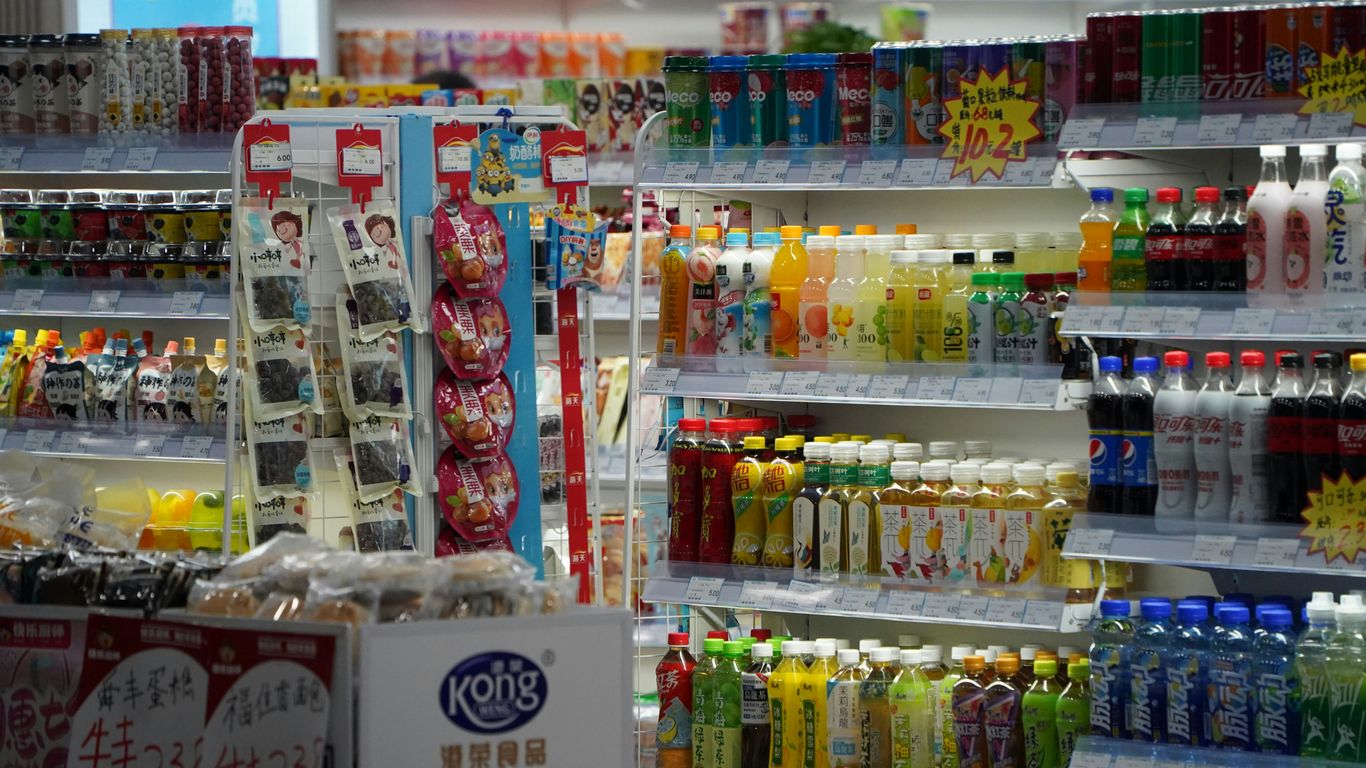
So, what exactly are we talking about when we say CPG in marketing? It’s actually pretty straightforward. CPG stands for Consumer Packaged Goods. Think about the stuff you grab on your weekly grocery run – the milk, the bread, the toothpaste, the shampoo, maybe some snacks. These are all CPGs. They’re the everyday items that people buy regularly and tend to use up, needing to be replaced pretty often.
Defining Consumer Packaged Goods
Basically, CPGs are products that come in some kind of packaging, ready for consumers to buy and use. Unlike, say, a car or a washing machine that you might buy once every decade, CPGs are the opposite. They’re designed for quick consumption and frequent repurchase. This category includes a huge range of items:
- Food and Beverages: From cereal and soda to frozen meals and coffee.
- Health and Beauty: Think soap, deodorant, makeup, and hair products.
- Household Supplies: Things like laundry detergent, paper towels, and cleaning sprays.
These items are usually not super expensive on their own, and that’s a big part of why we buy them so often. The packaging itself is also a huge deal in the CPG world. It’s not just there to hold the product; it’s got to catch your eye on a crowded shelf and tell you what the product is all about, fast.
The Dynamic Nature of CPG Markets
Because people buy these items so frequently, the CPG market is always buzzing. Trends can change pretty quickly. One day everyone’s into a certain type of snack, and the next, something else is all the rage. This means companies have to be really on their toes. They’re constantly trying to figure out what consumers want next and how to get their product in front of them. It’s a super competitive space, and brands are always looking for ways to stand out. This constant need to adapt and innovate is what makes CPG marketing so interesting and, frankly, challenging.
Why CPG Marketing Demands Special Attention
All this leads to why CPG marketing needs its own focus. It’s not just about selling a product; it’s about building a relationship with the consumer that encourages them to pick your brand off the shelf, time and time again. You’re competing for attention in a crowded marketplace where decisions are often made in seconds. That means marketing has to be smart, visible, and persuasive. It’s about creating brand awareness, making sure people remember your product when they’re in the store, and influencing those quick purchasing decisions. Getting this right is key to success in the CPG world.
Key Characteristics of CPG Products
So, what makes a product a CPG? It’s not just about what’s inside the box, but how it fits into our daily lives. These are the items we grab without much thought, the ones that fill our pantries and bathroom cabinets.
Frequent Purchase and Replenishment
Think about your grocery list. Things like milk, bread, toothpaste, and laundry detergent are probably on there regularly. CPG products are designed for everyday use and are bought over and over again. Unlike a new sofa or a smartphone, which you might research for weeks and buy once every few years, these are the staples. This constant need for replenishment is a huge driver for CPG companies. They’re not just selling you a product once; they’re aiming to be your go-to choice every time you run out.
Relatively Low Price Points
Because we buy these items so often, they generally don’t cost a fortune individually. You might spend a few dollars on a bag of chips or a bottle of shampoo. This low price point makes impulse buys easier and reduces the risk for consumers. If you try a new brand of cereal and don’t love it, it’s not a big financial hit. This accessibility is key to their widespread adoption and frequent purchase.
Emphasis on Packaging and Branding
When you’re standing in the aisle, faced with dozens of similar items, what catches your eye? It’s usually the packaging. For CPGs, the box, bottle, or bag is often the first point of contact. Great packaging needs to grab attention, clearly communicate what the product is, and ideally, make you feel good about choosing it. This is where branding comes in. Companies invest heavily in making their products recognizable and appealing, building a connection with you so that next time, you reach for that familiar logo without hesitation.
The Role of Marketing in the CPG Landscape
So, why is marketing such a big deal in the world of CPG? It’s pretty simple when you break it down. Think about it: you’re probably grabbing your usual toothpaste or cereal without giving it a second thought. That’s the power of CPG marketing at work. These are the products we buy over and over, and the brands that stay top-of-mind are the ones that get picked.
Building Brand Awareness and Loyalty
For CPG brands, getting noticed is half the battle. Marketing’s main job here is to make sure people know your product exists and, ideally, start to like it. It’s about creating a connection, whether that’s through catchy ads, a cool package design, or even just making sure your product is always on the shelf when someone needs it. Over time, this builds up into loyalty. People stick with brands they trust and feel good about. It’s not just about selling a single item; it’s about building a relationship that lasts.
- Getting Seen: Making sure your product stands out in a crowded store aisle or online.
- Creating a Vibe: Developing a brand personality that people connect with.
- Encouraging Repeat Buys: Giving customers a reason to choose you again and again.
- Word-of-Mouth: Getting people to talk positively about your brand.
Influencing Consumer Purchasing Decisions
CPG marketing is all about nudging people towards your product at the exact moment they’re ready to buy. This can happen in a bunch of ways. Maybe it’s a special offer that catches their eye, or perhaps it’s an ad they saw earlier that day that pops into their head when they’re in the grocery store. The goal is to be the easy, obvious choice. This is especially true for items that don’t require a lot of thought before buying. We’re talking about everyday items, so marketing needs to be persuasive but also quick and effective. It’s about making the decision to buy your product feel natural and right. Check out some effective food marketing strategies for CPG brands to see how it’s done. food marketing strategies
Navigating Fast-Sweeping Trends
The CPG world moves at lightning speed. What’s popular today might be old news tomorrow. Marketing teams have to be super aware of what’s happening – new fads, changing tastes, even what’s going on in the world. They need to be able to jump on trends quickly, whether that means tweaking their product, changing their advertising message, or even coming up with entirely new campaigns. It’s a constant balancing act between staying true to the brand and adapting to what consumers want right now. This agility is what keeps brands relevant and prevents them from getting left behind.
Essential CPG Marketing Terminology
Alright, let’s talk about the lingo. If you’re in CPG marketing, you’ll hear a bunch of terms and acronyms thrown around. Knowing what they mean isn’t just about sounding smart; it’s about actually understanding what’s going on in the market and how to make your products sell. Think of it like learning the rules of a game before you play. Without it, you’re just guessing.
Understanding Key Metrics and Acronyms
There are tons of numbers and abbreviations you’ll come across. Here are a few common ones:
- ACV (All Commodity Volume): This tells you how much of a store’s total sales your product is present in. A higher ACV means your product is available in more stores, or in bigger stores that sell more stuff overall. It’s a big deal for understanding reach.
- Category Share: This is basically your brand’s slice of the pie within its product category. If the total sales for, say, toothpaste are $100 million, and your brand sold $10 million, you have a 10% category share. It’s a quick way to see how you stack up against competitors.
- YTD (Year to Date): This just means the period from the start of the current year up to the current date. Marketers use it to track progress over time. Are sales up or down compared to this point last year? YTD figures help answer that.
- CAC (Customer Acquisition Cost): This is how much it costs you to get a new customer to buy your product. If you spend $100 on ads and get 10 new customers, your CAC is $10 per customer. You want this number to be lower than how much money each customer spends with you, obviously.
Common Promotional Strategies
CPG companies love promotions to get people to try or buy more products. Here are some popular ones:
- BOGO (Buy One, Get One): Classic. You buy one item, you get another one free or at a big discount. It’s great for clearing out inventory or encouraging people to stock up.
- Coupons: These can be digital or paper, offering a discount on a specific product. They’re a tried-and-true way to get price-sensitive shoppers to choose your brand.
- In-Store Displays: Think those special end-cap displays or freestanding units you see in the aisles. They grab attention and can significantly boost sales for featured products.
Retail and Distribution Concepts
How products get from the factory to your shopping cart involves a whole system. Here are a few terms related to that:
- Warehouse: This is where products are stored before they go to stores. It’s a big part of the supply chain, making sure there’s enough product available.
- Wholesaler: These are businesses that buy products in huge amounts from manufacturers and then sell them to retailers. They act as a middleman, making it easier for stores to get a variety of goods.
- ACV (All Commodity Volume) again, but in distribution: This term also refers to the total sales volume of all commodities sold by the stores that carry your product. It’s a way to measure the quality of your distribution. Being in a lot of small stores might give you a high number of store count, but if those stores don’t sell much, your ACV will be low. Getting your product into stores with high ACV is usually the goal.
- Zoning: In a store, this refers to how products are arranged. It’s about putting related items together or creating specific areas for promotions. Good zoning helps shoppers find what they need and can encourage impulse buys.
Strategies for Effective CPG Marketing
So, you’ve got a great product, but how do you get people to actually buy it, and then buy it again? That’s where smart marketing comes in. In the world of CPG, where choices are everywhere and attention spans are short, you need a plan. It’s not just about shouting the loudest; it’s about being smart and connecting with people.
Product Positioning and Brand Storytelling
First off, you need to figure out where your product fits. Is it the budget-friendly option, the premium choice, or something totally new? This is your product positioning. Think about what makes your brand special. Telling a good story about your brand is super important because it helps people connect with you on a deeper level than just the price tag. What’s the history? What values do you stand for? For example, a snack brand might talk about using locally sourced ingredients and supporting farmers. This isn’t just fluff; it gives consumers a reason to pick your product over another, even if they’re similar.
Leveraging Digital Channels and Data
Today, you can’t ignore the internet. Social media, online ads, and even email newsletters are big ways to reach people. But it’s not just about being online; it’s about being smart about it. You need to look at the data. Who is buying your product? Where are they seeing your ads? What are they clicking on?
Here’s a quick look at some common digital marketing areas:
- Social Media Marketing: Engaging with customers on platforms like Instagram, TikTok, or Facebook. This includes running ads and posting regular content.
- Search Engine Optimization (SEO): Making sure your product shows up when people search for it online.
- Email Marketing: Building a list of customers and sending them updates, offers, or news.
- Influencer Marketing: Partnering with people who have a following online to talk about your product.
Using data helps you see what’s working and what’s not, so you can spend your marketing money more effectively. It’s like having a map to guide you.
Adapting to Market Changes and Competition
The CPG world moves fast. New trends pop up all the time, and competitors are always trying to get a piece of the pie. You have to be ready to change. Maybe a new health craze hits, and suddenly everyone wants plant-based options. If your brand can pivot and offer that, you’ll stay relevant. It also means keeping an eye on what other brands are doing. Are they running big sales? Are they launching new flavors? You need to be aware so you can react and stay competitive. Being flexible and willing to try new things is key to sticking around.
The Value of CPG Marketing Agencies

Look, getting your product noticed in the crowded CPG world is tough. That’s where marketing agencies really shine. They’re not just about making pretty ads; they understand the whole game. These agencies bring a specialized kind of know-how that can make or break a brand.
Expertise in Consumer Trends and Branding
CPG agencies are like trend detectives. They’re constantly watching what people are buying, what they’re talking about, and what’s about to become the next big thing. They use this info to help brands figure out:
- Who to talk to: Pinpointing the right customers for your product.
- What to say: Crafting messages that actually connect with people.
- How to look: Making sure your packaging and brand story are on point.
They know how to make a brand feel fresh and relevant, even if it’s been around for a while. It’s about building that connection so people don’t just buy your product once, but keep coming back.
Driving Marketing ROI and Growth
Let’s be real, marketing costs money. Agencies help make sure that money is spent wisely. They use data to figure out what’s working and what’s not, so you’re not just throwing cash into a black hole. They can help you:
- Reach more people: Finding new customers you might have missed.
- Sell more: Boosting sales through smart campaigns.
- Get more bang for your buck: Making sure your marketing budget actually brings in more money than it costs.
They’re focused on results, plain and simple. It’s about growing your business, not just making noise.
Navigating Retailer Relationships
Getting your product onto store shelves is one thing, but keeping it there and making sure it stands out is another. CPG agencies understand the ins and outs of dealing with retailers. They can help with:
- Getting shelf space: Negotiating with stores to get your product visible.
- In-store promotions: Planning deals and displays that catch shoppers’ eyes.
- Building partnerships: Working with retailers to create win-win situations.
They know what retailers are looking for and how to present your brand in a way that makes sense for everyone involved. It’s a complex dance, and they know the steps.
Wrapping It Up
So, we’ve gone through what CPG marketing is all about. It’s basically the stuff you buy all the time, like snacks, soap, and toothpaste. The key thing is that people buy these items often, so companies have to keep getting your attention. That means a lot of advertising and trying to make their brand stand out. Understanding this market helps you see why certain products are everywhere and why brands are always trying new things to get you to pick their item off the shelf. It’s a busy world, but hopefully, this guide made it a little clearer.
Frequently Asked Questions
What exactly are CPG products?
CPG stands for Consumer Packaged Goods. Think of everyday items you buy often, like snacks, drinks, toothpaste, and cleaning supplies. They’re usually not super expensive and you need to buy them again and again.
Why is marketing so important for CPGs?
Because people buy CPGs all the time, companies need to make sure you remember their brand. It’s a crowded market, so good marketing helps products stand out, get chosen over others, and build customer loyalty.
How do CPG companies get people to buy their products?
They use lots of strategies! This includes making their packaging look cool, running ads, offering deals like coupons or buy-one-get-one, and making sure their products are easy to find in stores.
What’s the difference between CPGs and other products?
CPGs are things you use up and buy often, like food. Other products, like a TV or a car, are called durable goods. You don’t buy those very often, and you usually spend a lot of time thinking about them before you purchase.
What does ‘brand loyalty’ mean in CPG marketing?
Brand loyalty means that customers really like a specific brand and keep buying it, even if other options are available. CPG marketers work hard to create this loyalty through good products and consistent marketing.
How do trends affect CPG marketing?
CPG markets change really fast! If a new health trend pops up, or a social media challenge goes viral, CPG companies need to jump on it quickly with their marketing to stay relevant and appealing to shoppers.