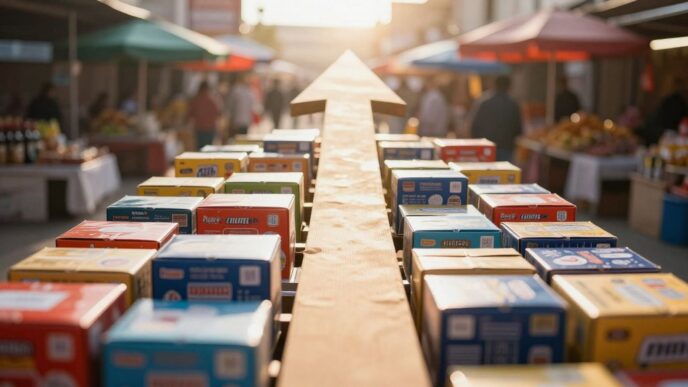
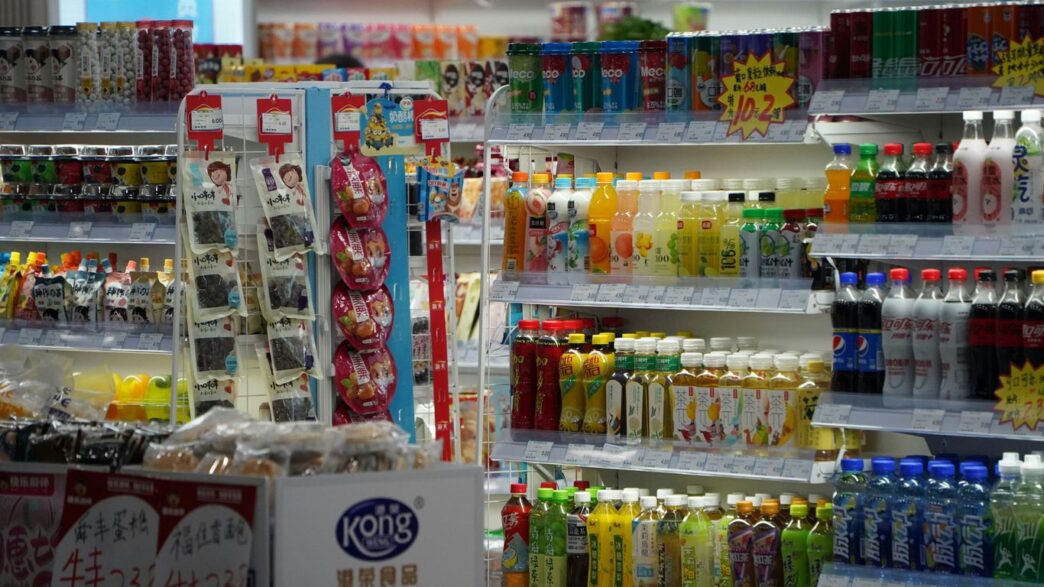
Ever wonder what CPG actually means in the marketing world? It’s a term you hear a lot, especially when talking about everyday items. Basically, CPG stands for Consumer Packaged Goods. Think about the stuff you buy regularly at the grocery store – food, drinks, toiletries, cleaning supplies. These are the products that get used up and need replacing often. This guide is all about breaking down what CPG is in marketing and how companies get these items into your hands, both in stores and online. We’ll look at how brands try to stand out and connect with you.
Key Takeaways
- CPG stands for Consumer Packaged Goods, which are everyday items like food, drinks, and personal care products that people use up and buy repeatedly.
- CPG products are characterized by their fast-moving nature, meaning they have a high turnover rate, leading to a very competitive market.
- CPG marketing focuses on two main areas: getting noticed in physical stores and standing out in the crowded online shopping space.
- Successful CPG marketing involves strategies like creating a consistent experience across different channels (omnichannel), using customer data to personalize messages, working with influencers, and making great content.
- Both in-store presentation, like eye-catching displays and packaging, and online strategies are critical for CPG brands to drive sales and build customer loyalty.
Understanding What is CPG in Marketing
So, what exactly are we talking about when we say CPG in marketing? It’s a term you’ll hear a lot, and it basically refers to Consumer Packaged Goods. Think about the stuff you buy every week at the grocery store or the corner shop – the things you use up and have to buy again pretty soon. That’s CPG.
Defining Consumer Packaged Goods
CPG products are essentially everyday items that people buy regularly. They aren’t big-ticket purchases that last for years, like a new couch or a washing machine. Instead, these are the things that get used up and need replacing, creating a constant cycle of buying. This includes a huge range of items we all rely on.
Here are some of the main types:
- Food and Drinks: This is a big one. Think cereals, canned goods, snacks, juices, sodas, coffee, and pretty much anything that keeps your pantry stocked and your fridge full.
- Health and Personal Care: All those items in your bathroom cabinet – toothpaste, shampoo, soap, deodorant, razors, and over-the-counter medicines.
- Household Supplies: The stuff that keeps your home clean and running smoothly, like laundry detergent, dish soap, cleaning sprays, paper towels, and trash bags.
- Cosmetics and Beauty: Makeup, skincare products, hair dyes, and fragrances also fall into this category.
The Fast-Moving Nature of CPG Products
The
The Role of CPG Companies in the Market
CPG companies are the engines behind the everyday items we rely on. Think about your pantry and bathroom cabinet – those are the domains these companies operate in. Their main job is to create, produce, and get these products into our hands, whether that’s through the local grocery store or a quick online order. It’s a big business, and the competition is always on.
Developing and Distributing Everyday Products
At their core, CPG companies are about making and moving goods that people use up and buy again. This cycle of repurchase is what drives the industry. They spend a lot of time figuring out what people need and want, then making sure it gets made and shipped out efficiently. This involves a lot of planning, from sourcing ingredients to managing factories and logistics.
Here’s a look at some common CPG product types:
- Food and Beverages: This includes everything from your morning cereal and snacks to drinks like soda and juice.
- Health and Personal Care: Think toothpaste, shampoo, soap, and deodorant – the daily essentials.
- Household Goods: Items like laundry detergent, dish soap, and cleaning sprays keep our homes running.
Navigating the Digital Marketing Landscape
These days, you can’t just put a product on a shelf and expect people to buy it. CPG companies have to be smart about how they reach consumers, especially online. The internet has opened up new ways to connect, but it’s also a crowded space. Companies are constantly trying new digital tactics to get noticed.
Some key areas they focus on include:
- Online Advertising: Running ads on websites and social media to catch people’s attention.
- Social Media Presence: Building communities and interacting with customers on platforms like Instagram and TikTok.
- E-commerce Optimization: Making sure their products are easy to find and buy on online stores.
Prominent Players in the CPG Industry
When you think of big CPG companies, some names probably come to mind right away. These are the giants that have been around for a while and have products in almost every household. They have the resources to invest heavily in product development and marketing.
Some of the most well-known CPG companies include:
- Procter & Gamble (P&G)
- Nestlé
- Unilever
- Coca-Cola
These companies are always working to stay ahead by understanding consumer trends and adapting their strategies to keep their products on people’s shopping lists.
Core Principles of CPG Marketing
CPG marketing is all about getting those everyday items you use and repurchase into your hands, whether you’re walking down a grocery aisle or scrolling through an online store. It’s a busy space, and brands have to be smart about how they get noticed. Think about it: you’ve got tons of choices for things like toothpaste or cereal. So, how do companies make sure you pick their brand?
Strategies for In-Store Visibility
Getting your product onto a store shelf is just the first step. The real challenge is making it stand out. This means brands spend a lot of time thinking about how their products look and where they sit. It’s a constant battle for that prime real estate where shoppers are most likely to see it.
- Eye-catching packaging: This is your product’s first impression. Bright colors, clear labeling, and unique shapes can grab attention.
- Strategic placement: Brands often pay for shelf space at eye level or near high-traffic areas like checkouts.
- Point-of-purchase displays: Special stands or end caps in the store can highlight a product and draw shoppers in.
Winning the E-commerce Battleground
Online shopping is huge, and CPG brands are fighting just as hard for clicks as they are for shelf space. It’s a different kind of competition, but the goal is the same: get noticed and get added to the cart.
- Search engine optimization (SEO): Making sure your product appears high up when someone searches for it online.
- Digital ads: Targeted ads on social media or other websites can bring your product directly to interested shoppers.
- Product reviews and ratings: Positive feedback from other customers is super important for building trust online.
Building Consumer Connections Through Marketing
Beyond just getting the product in front of people, CPG marketing is about creating a relationship. It’s about making you feel something about the brand so you keep coming back.
- Loyalty programs: Rewarding repeat customers with discounts or special offers encourages them to stick with your brand.
- Social media engagement: Brands use platforms like Instagram or TikTok to share fun content, run contests, and talk directly with their customers.
- Storytelling: Many CPG brands share their history, their values, or how their products make life easier, creating an emotional link with consumers.
Effective CPG Marketing Strategies
CPG marketing is a busy space, and to really stand out, you need a solid plan. It’s not just about getting your product on the shelf; it’s about making sure people actually pick it up, both in the store and online. The goal is to create a consistent and appealing experience for shoppers, no matter where they find you.
Leveraging Omnichannel Experiences
Think about how people shop today. They might see an ad on their phone, then check prices on their tablet, and finally buy it at the grocery store. Or maybe they browse in-store and then order it online later. That’s where omnichannel comes in. It means making sure your brand looks and feels the same everywhere. Your website should match your social media, and your in-store promotions should connect with your online ads. This way, shoppers don’t get confused; they just see one consistent brand.
The Power of Data-Driven Personalization
We live in a world full of data, and CPG companies can use it to their advantage. Instead of just sending out generic ads, you can use what you know about your customers to tailor your messages. This could mean showing different ads to different people based on what they’ve bought before, or sending out special offers to loyal customers. It makes people feel like you understand them, and that’s a big deal.
Here’s a simple breakdown:
- Know Your Audience: Use purchase history and online behavior to understand who buys what.
- Targeted Ads: Show ads for dog food to people who buy pet supplies, not people who buy baby clothes.
- Personalized Offers: Send coupons for their favorite coffee brand to regular coffee buyers.
- Loyalty Programs: Reward repeat customers with exclusive deals.
Embracing Influencer Marketing
People trust recommendations from others, especially those they follow online. Influencer marketing is about partnering with people who have a following and can talk about your product in a way that feels real. It doesn’t always have to be a huge celebrity; sometimes, smaller influencers with a dedicated group of followers can be even more effective. They can show how they use your product in their daily lives, which can be very convincing.
Creating Compelling Content
Content marketing is more than just selling. It’s about giving people something useful or interesting. For CPG brands, this could be anything from sharing recipes that use your pasta sauce to creating short videos showing how to use your cleaning products effectively. It could also be content about sustainability if that’s important to your brand. The idea is to provide value beyond just the product itself, building a connection with consumers that goes deeper than a simple transaction.
Enhancing the Retail Experience
Making sure shoppers have a good time when they’re looking for and buying products is a big deal for CPG companies. It’s not just about the product itself, but the whole experience from the moment they walk into a store or click onto a website.
Elevating In-Store Visual Merchandising
Think about walking down a grocery aisle. What makes you stop and look at one brand over another? Often, it’s how the products are arranged. Good visual merchandising is key. It means making sure products are easy to find, look appealing, and tell a story on the shelf.
- Shelf Placement: Brands often pay for prime spots, like eye-level shelves, because that’s where most people look. Getting more "facings" (the number of product units visible on the shelf) can also make a brand seem more popular and available.
- Endcap Displays: These are displays at the end of aisles. They’re great for grabbing attention, especially for new products or special deals. They can really drive sales for a short period.
- Signage and Promotions: Clear signs about sales, new items, or special offers help shoppers make decisions quickly. Sometimes, a simple sign can make a big difference in what people pick up.
Driving Impulse Purchases
Not every purchase is planned. Impulse buys happen when a shopper sees something appealing and decides to grab it on the spot. CPG marketers try to encourage these spontaneous decisions.
- Placement Near Checkout: Small, inexpensive items like candy, gum, or magazines are often placed near the checkout counters. People might grab them while waiting in line.
- Cross-Merchandising: Putting related items together can spark ideas. For example, placing chips next to dips, or batteries near electronic toys. This makes it easy for shoppers to think of buying both.
- Limited-Time Offers: A "buy one, get one free" deal or a special discount that’s only available for a short time can push people to buy something they might not have otherwise considered.
The Importance of Packaging Design
Packaging is more than just a container; it’s often the first physical interaction a consumer has with a product. A well-designed package can grab attention, communicate brand values, and even influence purchasing decisions.
- Shelf Appeal: In a crowded aisle, unique colors, shapes, or graphics can make a product stand out. It needs to catch the eye quickly.
- Information Hierarchy: The packaging needs to clearly show what the product is, its key benefits, and the brand name. Important information should be easy to read at a glance.
- Functionality and Sustainability: Packaging also needs to be practical. Does it protect the product? Is it easy to open and store? Increasingly, consumers also care about whether the packaging is recyclable or made from sustainable materials, which can influence their choice.
Wrapping It Up
So, that’s the lowdown on CPG marketing. It’s all about those everyday items we buy again and again, from the snacks in our pantry to the soap in our shower. Getting these products into shoppers’ hands, whether online or in a store, takes some serious strategy. We’ve looked at what CPG means, who these companies are, and how they get our attention. It’s a busy market, for sure, but understanding these basics is your first step to making sense of it all. Keep learning, keep watching how brands connect with you, and you’ll see CPG marketing everywhere.
Frequently Asked Questions
What exactly are ‘consumer packaged goods’ or CPG?
Think of CPGs as the everyday items you buy regularly and use up, like snacks, toothpaste, and cleaning supplies. They’re packaged and sold in stores or online for consumers to use at home. They’re different from things like furniture or electronics that you don’t replace often.
What makes CPG products ‘fast-moving’?
These products are called ‘fast-moving’ because people buy and use them quickly. You finish a bag of chips or a bottle of shampoo and need to buy another one soon. This constant need to restock means they move fast from the store shelf to your home.
Who are some well-known CPG companies?
You probably know many of them! Big companies like Procter & Gamble (maker of Tide and Pampers), Nestlé (known for Kit Kats and Nescafé), Unilever (with brands like Dove and Ben & Jerry’s), and Coca-Cola are all major players in the CPG world.
What’s the main goal of CPG marketing?
The main goal is to get you to choose their product over others. This happens both in physical stores, where they want their product to catch your eye on the shelf, and online, where they aim to stand out on crowded websites and apps.
How do CPG companies try to get noticed in stores?
They use smart strategies like making their packaging look super appealing, placing products in easy-to-see spots, and sometimes offering special deals or displays to grab your attention as you walk by.
Why is online shopping so important for CPG brands?
Because that’s where many people shop now! CPG brands need to make sure their products are easy to find and appealing on websites and apps. They use things like good product photos, customer reviews, and targeted ads to win you over online.