Introducing Dex: The Future of Industrial Automation
Alright, let’s talk about Dex. This isn’t just another robot; it’s Richtech Robotics’ shot at changing how we do work in factories and warehouses. Think of a robot that can actually move around and do jobs, not just sit in one spot. They’re calling it a "mobile humanoid robot for real-world work," and that’s a pretty big deal.
Dex: A Mobile Humanoid Robot for Real-World Work
So, what makes Dex different? Well, it’s built to actually get around. Instead of legs, which can be tricky and energy-hungry, Dex uses a wheeled platform. This makes it stable and efficient for moving materials or operating machines. It’s designed to work alongside people, handling tasks that are repetitive or just plain tough. Dex is all about bringing practical AI into places where robots haven’t really fit before. It can handle things like:
- Operating manufacturing equipment
- Moving parts around and sorting them
- Checking quality and packing items
This means it can jump into jobs right now, helping out in manufacturing and logistics where finding workers can be a real headache.
Richtech Robotics’ Vision for Physical AI
Richtech isn’t just building robots; they’re thinking about the bigger picture of "physical AI." They want robots that can interact with the physical world in a smart way. A big part of this is their data initiative. They’re collecting a lot of real-world data right here in the US to train their robots. Matt Casella, the president, mentioned that for a long time, the US robotics scene was held back by a lack of local data. By investing in this, they’re aiming to make sure the next wave of AI robots are developed and improved right here at home. They even plan to share some of this data later on, which could help other robotics companies too.
Dex’s Role in Reshoring Manufacturing
With more companies looking to bring production back to the United States, Dex could be a key player. It offers a way to boost productivity without putting more pressure on finding workers. Dex can be trained for specific jobs, helping manufacturers scale up and keep production domestic. It’s a practical solution for companies wanting to increase output and stay competitive.
Advanced AI and Dexterous Manipulation
Dex isn’t just another robot; it’s built with some seriously smart AI and some really capable hands. Richtech Robotics has been working hard to make sure Dex can actually do things in the real world, not just in a lab. They’ve teamed up with NVIDIA, which is a pretty big deal, to make Dex smarter and faster. Think of it like giving your robot a super-powered brain and incredibly nimble fingers.
The Power of NVIDIA Integration with Dex
This partnership means Dex runs on some of the latest NVIDIA tech, like the Jetson Thor. This helps Dex figure things out on the fly, even when the environment is changing. It can adapt and perform tasks with a lot of detail, all while using power efficiently enough to last a whole workday. It’s all about making the robot more aware and responsive to what’s happening around it.
Dex’s Dual-Arm Dexterity and End-Effectors
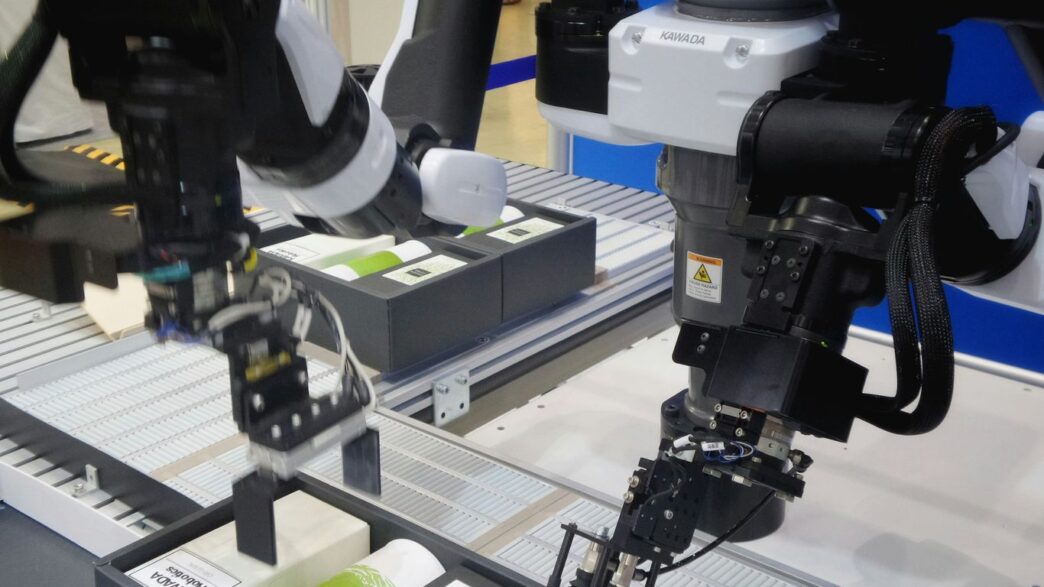
Dex has two arms, which is pretty cool for doing more complex jobs. These arms can be fitted with different "hands" or tools, called end-effectors. This means Dex can switch from picking up a delicate part to using a wrench, depending on what the job needs. It’s like having a versatile worker who can change their tools as required.
DexHand021 Pro: Setting New Standards
Richtech has developed a special robotic hand, the DexHand021 Pro, that’s really pushing the boundaries. This hand has a lot of "degrees of freedom" (DOF), which basically means it can move in many different ways, much like a human hand. It’s designed for complex tasks and can handle a decent amount of weight. What’s really impressive is that it has sensors all over the palm, giving it a sense of touch. This allows it to grip things more carefully and perform fine manipulation tasks. The DexHand021 Pro is also significantly more affordable than similar high-performance robotic hands, making advanced manipulation more accessible.
Here’s a quick look at what makes the DexHand021 Pro stand out:
- Human-like Movement: 22 DOF for intricate, natural motion.
- Advanced Sensing: Full-palm tactile and visual sensors for precise feedback.
- Payload Capacity: Capable of handling up to 50N.
- Durability: Tested for over 300,000 cycles, built for industrial use.
- Cost-Effectiveness: Priced to be a more accessible option compared to competitors.
Seamless Integration and Deployment
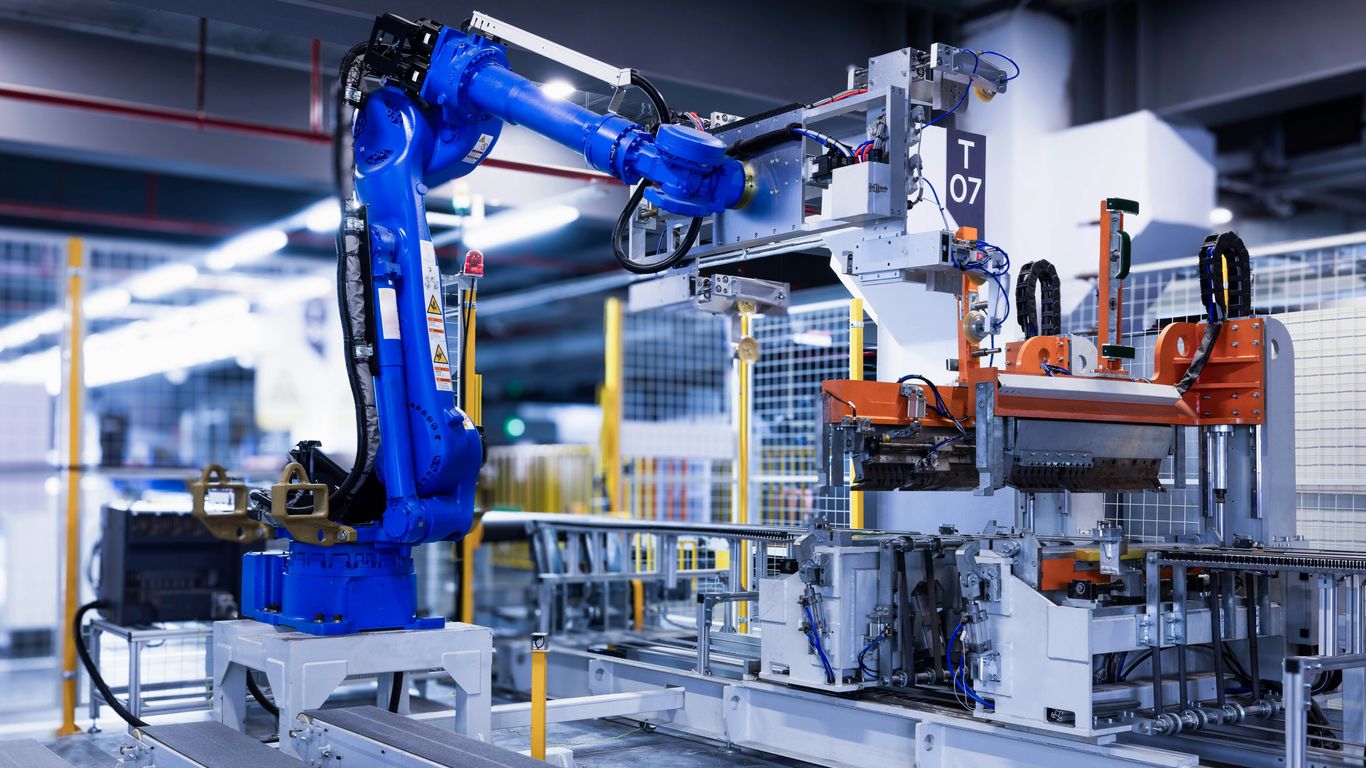
Getting a robot like Dex up and running in a real factory or warehouse isn’t just about plugging it in. It’s a whole process, and Richtech Robotics has put a lot of thought into making it as smooth as possible. They’re using a smart approach that combines virtual practice with actual on-the-job training.
From Simulation to Real-World Deployment with Sim2Real
Think of it like learning to drive. You don’t just hop in a car and hit the highway, right? You start with practice, maybe in a simulator, learning the rules and how the car handles. Dex does something similar. It gets a lot of its initial training in a virtual world. This "Sim2Real" method means the robot can learn complex tasks and how to react in different situations without any risk to actual equipment or people. It’s a way to speed things up and make sure the robot is safer and more reliable when it finally gets to work.
NVIDIA Isaac Sim for Enhanced Training
To make that virtual training really effective, Richtech is working with NVIDIA and using their Isaac Sim platform. This is a powerful tool that creates realistic virtual environments. By feeding lots of data into Isaac Sim, Dex can practice a huge variety of tasks, from picking up different objects to operating machinery. The more it practices in simulation, the better it gets before it even steps onto the factory floor. This cuts down on the time and cost of training.
Accelerating Deployment Cycles with Dex
All of this simulation and smart training means Dex can be put to work much faster. Instead of weeks or months of on-site setup and learning, Dex can get up to speed more quickly. This is a big deal for businesses that need to increase production or adapt to changing demands.
Here’s a look at how the process generally works:
- Virtual Training: Dex learns tasks and behaviors in NVIDIA Isaac Sim.
- Real-World Adaptation: The learned skills are transferred to the physical robot for fine-tuning.
- Deployment: Dex is ready to perform tasks in its operational environment.
- Continuous Improvement: Ongoing data collection helps Dex learn and improve over time.
This whole system is designed to get robots like Dex working efficiently and reliably, helping companies boost their output without the usual headaches of introducing new automation.
Dex Robotics: Practical Design for Industrial Needs
When you look at Dex, it’s clear Richtech Robotics didn’t just build another fancy robot. They thought about what actually works on a factory floor or in a busy warehouse. The design prioritizes getting the job done reliably over trying to be something it’s not.
Wheeled AMR Platform: Efficiency and Stability
Instead of legs, Dex uses a wheeled Autonomous Mobile Robot (AMR) platform. This choice comes from looking at over 450 robot deployments. Wheels are just better for moving around quickly and staying steady, especially when people are sharing the same space. Think about it: fast braking, tight turns, and a stable ride. Plus, it uses less energy and needs less upkeep than a legged robot. It can run for hours on a single charge, or even 24/7 if it’s docked.
Prioritizing Operational Reliability Over Novelty
Richtech made a deliberate choice here. They focused on making Dex dependable. It combines the mobile tech from their Titan delivery robots with the two-armed precision of their ADAM service robots. This means it can move around efficiently and then get to work with its arms. It’s built to handle real production problems right now, not in some distant future.
Dex’s Versatility in Complex Environments
Dex is designed to be adaptable. It can handle a bunch of different tasks:
- Operating machines in manufacturing
- Sorting parts and moving materials
- Checking quality and packing products
Its dual arms can swap out different tools, like grippers or specialized equipment. A four-camera system helps it see and work even when things are changing quickly around it. This makes it a useful partner for boosting output in places like factories and logistics centers.
Data-Centric Development for Physical AI
Richtech’s American Robotics Data Initiative
Building smart robots like Dex isn’t just about putting together hardware; it’s heavily reliant on good data. Richtech Robotics knows this, which is why they’ve started something called the American Robotics Data Initiative. The idea is pretty straightforward: collect a lot of real-world information right here in the U.S. to train their AI systems. For a long time, folks in the robotics field here felt like they were playing catch-up because the data needed to train advanced AI wasn’t readily available locally. Matt Casella, the president at Richtech, mentioned that this initiative is about changing that. By gathering data domestically, they’re aiming to make sure the next wave of physical AI is developed and refined with American input.
Leveraging Real-World Data for AI Training
So, what kind of data are we talking about? It’s all about capturing how robots interact with the physical world. Think about Dex performing tasks like operating machinery, sorting parts, or inspecting items. Every movement, every successful pick, and even every mistake provides valuable information. This data is then used to refine the AI’s decision-making processes, making the robot more capable and reliable over time. It’s a bit like how humans learn from experience – the more they do something, the better they get. For robots, this means lots of practice in simulated environments and then real-world scenarios.
Data-as-a-Service for the Robotics Ecosystem
Richtech isn’t just keeping this data to themselves. They’re planning to eventually share parts of this dataset with other companies in the U.S. robotics industry. This is a big deal because it can help smaller companies or those just starting out get access to high-quality training data without having to build their own massive data collection systems. It’s like offering a service where they provide the raw material – the data – that others can use to build their own AI applications. This could really speed up innovation across the board for American robotics companies.
Dex Robotics: Addressing Labor Shortages and Enhancing Productivity
It’s no secret that many industries are struggling to find enough workers. You see it everywhere, from restaurants to factories. This isn’t just a minor inconvenience; it’s a real problem that slows down production and makes things harder for the people already on the job. Dex Robotics aims to fill these persistent gaps in the workforce. Instead of replacing people, Dex steps in to handle tasks that are often repetitive or difficult to staff, freeing up human employees for more complex and engaging work.
Think about it: when a position is hard to fill, the people who are there end up doing more. This can lead to burnout and lower morale. Dex can take on some of those time-consuming, less desirable tasks, like machine operation or sorting parts. This allows existing staff to focus on things that really need a human touch – problem-solving, customer interaction, or overseeing critical processes.
Here’s how Dex helps:
- Fills Vacant Roles: Dex can operate in areas where finding reliable staff is a constant challenge, like certain manufacturing or logistics jobs.
- Reduces Staff Burden: By handling routine tasks, Dex prevents current employees from being overworked and allows them to concentrate on higher-value activities.
- Boosts Overall Output: With Dex working alongside human teams, companies can increase their production capacity and efficiency without adding to the existing labor strain.
This isn’t about robots taking over. It’s about creating a smarter, more balanced work environment where humans and robots can work together. Richtech Robotics sees a future where robots handle the heavy lifting and repetitive actions, while people focus on the creativity, judgment, and empathy that machines can’t replicate. This collaboration can lead to better outcomes for everyone involved, from the business to the customer.
Looking Ahead
So, what does all this mean for the future? Dex, with its smart design and partnership with Nvidia, seems ready to tackle real-world jobs. It’s not just about building a fancy robot; it’s about making practical AI that can actually help out. Richtech is collecting data right here in the US to make sure these robots learn from our own environments. This could be a big deal for American manufacturing, helping companies boost production without adding too much strain. It’s exciting to think about humans and robots working side-by-side, filling in gaps and letting people focus on the more interesting parts of their jobs. Dex is just one step, but it feels like a pretty significant one towards that future.