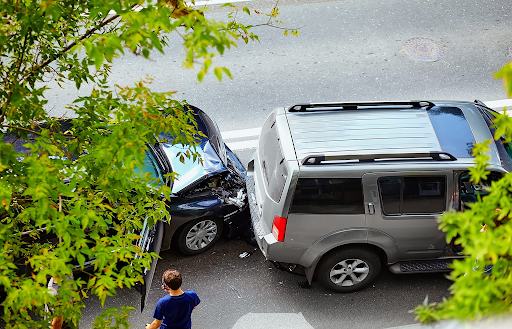
After a car accident, many drivers in Virginia notice that their vehicle’s trade-in value drops — sometimes significantly. This loss in value, known as diminished value, is a critical concept to understand if you plan to trade in your car after it has been damaged. Even fully repaired vehicles may not fetch the same price as before the accident.
Understanding how diminished value works can help Virginia drivers make informed decisions and maximize their trade-in offers.
What Is Diminished Value?
Diminished value is the difference between a car’s market value before an accident and its value after repairs. Even if the vehicle has been restored to perfect working condition, buyers and dealerships often place less value on cars with accident history.
This reduction occurs because:
- Buyers perceive higher risk for mechanical issues or future problems.
- Accident history is documented on vehicle history reports like CarFax.
- Vehicles with accident histories are often harder to sell or trade.
Essentially, a car’s value isn’t just about its condition—it’s also about its history.
Types of Diminished Value
There are three main types of diminished value:
1. Immediate Diminished Value
This occurs immediately after an accident, before any repairs. The car’s market value drops as soon as it sustains damage.
2. Inherent Diminished Value
Even after high-quality repairs, the car still carries an accident history. This is usually the largest factor impacting trade-in value.
3. Repair-Related Diminished Value
Sometimes repairs themselves can reduce value. Poor-quality repairs, mismatched paint, or aftermarket parts can further lower the car’s resale or trade-in price.
How Dealerships Handle Diminished Value
When you trade in a vehicle that has been in an accident, dealerships consider diminished value in their offer. Key factors include:
- Severity of Damage: Minor fender benders may reduce value slightly, while frame damage, airbag deployment, or structural issues can cut offers significantly.
- Repair Quality: Professionally repaired vehicles retain more value than poorly repaired cars.
- Vehicle Age and Mileage: Newer vehicles generally suffer a higher percentage loss in value due to diminished value, while older cars are less impacted.
- Documentation: Providing detailed repair receipts can sometimes help preserve value.
Dealerships calculate trade-in offers based on these factors and may offer less than the vehicle’s pre-accident market value to account for diminished value and resale risk.
Can You Recover Diminished Value?
In Virginia, you may be able to file a diminished value claim with your insurance company if another driver caused the accident. This claim seeks compensation for the reduction in your car’s value, separate from repair costs.
While insurance diminished value claims are possible, the process can be complicated and may require appraisals, documentation, and negotiation. Some drivers find it easier to focus on maximizing trade-in value at a dealership instead.
Tips to Minimize the Impact on Trade-In
- Get Multiple Trade-In Quotes: Different dealerships may assess diminished value differently.
- Maintain Detailed Repair Records: Show proof of professional repairs to improve trust.
- Consider Minor Cosmetic Touch-Ups: Paint correction or dent removal can sometimes improve the first impression.
- Be Transparent: Disclose accident history upfront. Dealerships prefer honesty and it avoids surprises that could lower offers.
Final Thoughts
Diminished value is an unavoidable part of trading in a car that has been in an accident. Even fully repaired vehicles will often receive lower trade-in offers due to the accident history.
By understanding how diminished value works, Virginia drivers can set realistic expectations and take steps to maximize trade-in offers. Whether through careful documentation, professional repairs, or comparing multiple dealership offers, you can make more informed decisions and protect your financial interests.