
Looking for a new electric SUV for 2025? It can be a bit overwhelming with all the new models coming out, right? I get it. Figuring out which electric SUV is the best fit for you means looking at a bunch of different things like how far it can go, how much stuff you can fit in it, and, of course, the price. We’ve put together a list of some top contenders for the best EV SUV models in 2025 to help make your decision a little easier. Let’s check them out.
Key Takeaways
- The 2025 Kia EV9 stands out as a top choice for a best EV SUV, scoring well in safety, efficiency, and cargo space.
- While not having the most cargo room, the 2025 Chevrolet Blazer EV is still a strong contender for best EV SUV due to its good safety and efficiency ratings.
- Our ratings consider five main areas: Safety, Power, Efficiency, Cargo Space, and Warranty, averaging them for an overall score.
- Electric SUVs offer a range of sizes and prices, combining SUV utility with electric power.
- When choosing the best EV SUV, consider factors like range, interior features, and overall driving experience.
1. 2025 Kia EV9
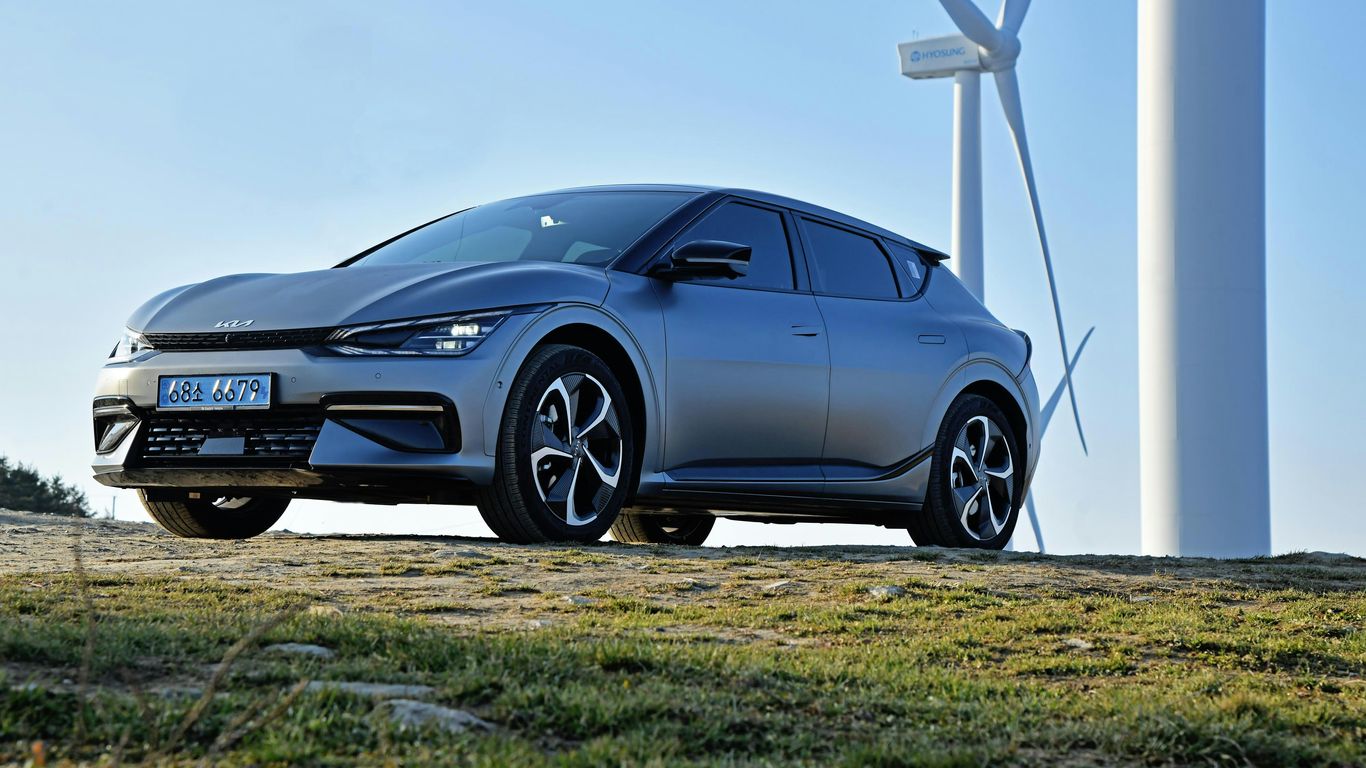
The 2025 Kia EV9 is a pretty big deal in the electric SUV world. It’s basically Kia’s answer to those who need space, like a family hauler, but want to go electric. Think of it as a three-row SUV that runs on batteries, which is still kind of a novelty. It’s not a small car, measuring over 16 feet long, so parking might take a bit of getting used to, but inside, it’s got room for up to seven people.
What’s new for 2025? Not a whole lot, honestly. It’s only its second year on the market, so Kia added a new package called ‘Plus’ for the Land AWD trim. This package throws in some nicer wheels, different headlights, a sunroof, and some fancier interior bits. It’s not a game-changer, but it’s an option if you want a little extra.
When it comes to driving, the EV9 has a few different setups. You can get it with rear-wheel drive, which is a bit less powerful, or all-wheel drive, which really wakes it up. The AWD version has close to 380 horsepower, so it can move when you need it to, especially getting onto the highway. It feels pretty stable on the road, even if the wind picks up.
Here’s a quick look at the range and charging:
| Trim Level | Battery Size (kWh) | Estimated Range (km) | Charging Time (10-80% @ 350kW) |
|---|---|---|---|
| Light RWD | 76.1 | 370 | ~24 minutes |
| Wind RWD | 99.8 | 489 | ~24 minutes |
| Land AWD | 99.8 | 451 | ~24 minutes |
| Land AWD (21" wheels) | 99.8 | 435 | ~24 minutes |
Safety is a big focus for Kia. The EV9 comes with a bunch of driver aids like automatic emergency braking, blind-spot monitoring, and lane-keeping assist. The headlights on some trims got a ‘Poor’ rating because of glare, which is a bit of a bummer and stopped it from getting the highest safety award, but overall, it’s considered safe.
Inside, it’s pretty modern. You get two big screens – one for your driving info and one for the infotainment. Tri-zone climate control means everyone can be comfortable, and there are plenty of USB ports. Higher trims add things like heated second-row seats and a better sound system. The seats are comfy, and some even have a ‘massage’ function, though it’s more like a gentle rumble. The center console can even slide back for second-row passengers to use as a tray, which is a neat trick for families.
2. 2025 Chevrolet Blazer EV
Alright, let’s talk about the 2025 Chevrolet Blazer EV. This electric SUV is definitely trying to make a statement, especially with the new SS model joining the lineup. It’s built on GM’s Ultium platform, which it shares with a few other GM vehicles, so it’s got some solid bones.
The big news for 2025 is the arrival of the Blazer EV SS. This version is all about performance, packing a punch with its dual electric motors and a big 102-kWh battery. Chevy says it can churn out a hefty 557 horsepower and 648 lb-ft of torque. If you’re looking for quick acceleration, the SS can apparently go from 0 to 60 mph in under four seconds, which is pretty zippy for an SUV this size.
Beyond the SS, you’ve got other options like the LT and RS trims. The rear-wheel-drive RS gets a single motor pushing out 365 horsepower and uses that same 102-kWh battery, giving it a decent driving range. The LT and AWD RS models have a bit less power, around 300 horses, and use a smaller 85-kWh battery, but still offer a respectable range.
Here’s a quick look at the estimated driving ranges:
- Rear-Drive RS (102-kWh battery): Up to 538 km (approx. 334 miles)
- LT & AWD RS (85-kWh battery): Up to 455 km (approx. 283 miles)
- SS (102-kWh battery): Range estimates are still pending, but expect it to be competitive.
Charging is also something to consider. Chevy is doing things a little differently by quoting how much range you can add in 10 minutes with a DC fast charger. The higher-end models can take a 190 kW charge, adding about 128 km in 10 minutes. The LT and AWD RS models charge at up to 150 kW, adding around 109 km in the same time. If you’re using a Level 2 charger at home, expect it to take about 9.5 to 11.2 hours to fully charge, depending on the battery size.
Inside, the Blazer EV feels pretty modern. You get a big 17.7-inch infotainment screen paired with an 11-inch digital driver display. It’s the first Chevy to run on Android Automotive OS, which means Google Maps and Google Assistant are built-in, though you might need a subscription for full features. One thing that might bug some folks is the lack of Apple CarPlay or Android Auto support, which is a bit of a miss. The cabin itself is comfortable, with soft-touch materials and some nice design touches, like the detailed air vents.
When it comes to space, it’s pretty good. It’s longer than the gas-powered Blazer, giving you decent legroom and cargo space, especially when you fold down the rear seats. It’s definitely a practical choice for families or anyone needing a bit more room.
However, it’s worth noting that Consumer Reports gave the 2024 model a lower-than-average reliability score, so that’s something to keep in mind. Also, safety ratings from the IIHS and NHTSA haven’t been released yet for the 2025 model.
3. 2025 Tesla Model Y
Alright, let’s talk about the 2025 Tesla Model Y. It’s no secret that this electric SUV has been a massive hit, and honestly, it’s easy to see why. It really hits a sweet spot for a lot of people looking for an EV that can do pretty much everything.
When it comes to what’s new, Tesla doesn’t always do big, flashy model year changes. Instead, they tend to roll out updates as they’re ready. Word on the street is that the Model Y might be getting a ‘Juniper’ update soon, similar to the ‘Highland’ refresh the Model 3 got. This could mean a slightly tweaked front end and maybe some nicer interior bits. We’ll have to wait and see.
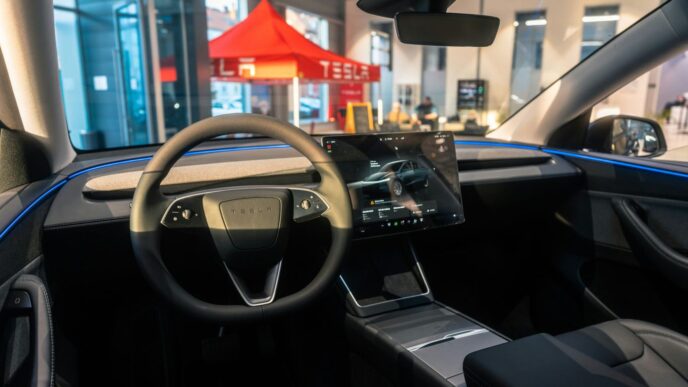
Inside, it’s classic Tesla: minimalist. You’ve got a big 15.4-inch touchscreen controlling most things. Some people love this clean look, while others miss having more physical buttons. You can get white seats if you want, but it’ll cost you extra.
Performance-wise, the base rear-wheel-drive Model Y gets you from 0 to 100 km/h in under seven seconds. Step up to the all-wheel-drive version, and you shave off a couple of seconds. If you’re really in a hurry, the Performance trim does it in a zippy 3.7 seconds.
Range is pretty solid too. The rear-wheel-drive model should get you about 525 kilometers on a full charge. The all-wheel-drive drops that a bit to 501 km, and the Performance model is rated for 446 km. That’s generally enough for most daily driving and even some longer trips without too much range anxiety.
Safety is a strong point. The Model Y has scored top marks in crash tests, earning a Top Safety Pick+ designation. It’s also got a good predicted reliability rating from places like Consumer Reports, though some folks find all the screen controls a bit much.
Here’s a quick look at some specs:
| Trim Level | Drive Type | 0-100 km/h (approx.) | Estimated Range (km) | Starting Price (CAD, approx.) |
|---|---|---|---|---|
| Rear-Wheel Drive | RWD | 6.9 seconds | 525 | $59,990 |
| All-Wheel Drive | AWD | 4.9 seconds | 501 | $63,990 |
| Performance | AWD | 3.7 seconds | 446 | $68,990 |
It’s a popular choice for a reason, offering a good mix of practicality, tech, and electric performance. It definitely makes a strong case for being your only car.
4. 2025 Hyundai Ioniq 5
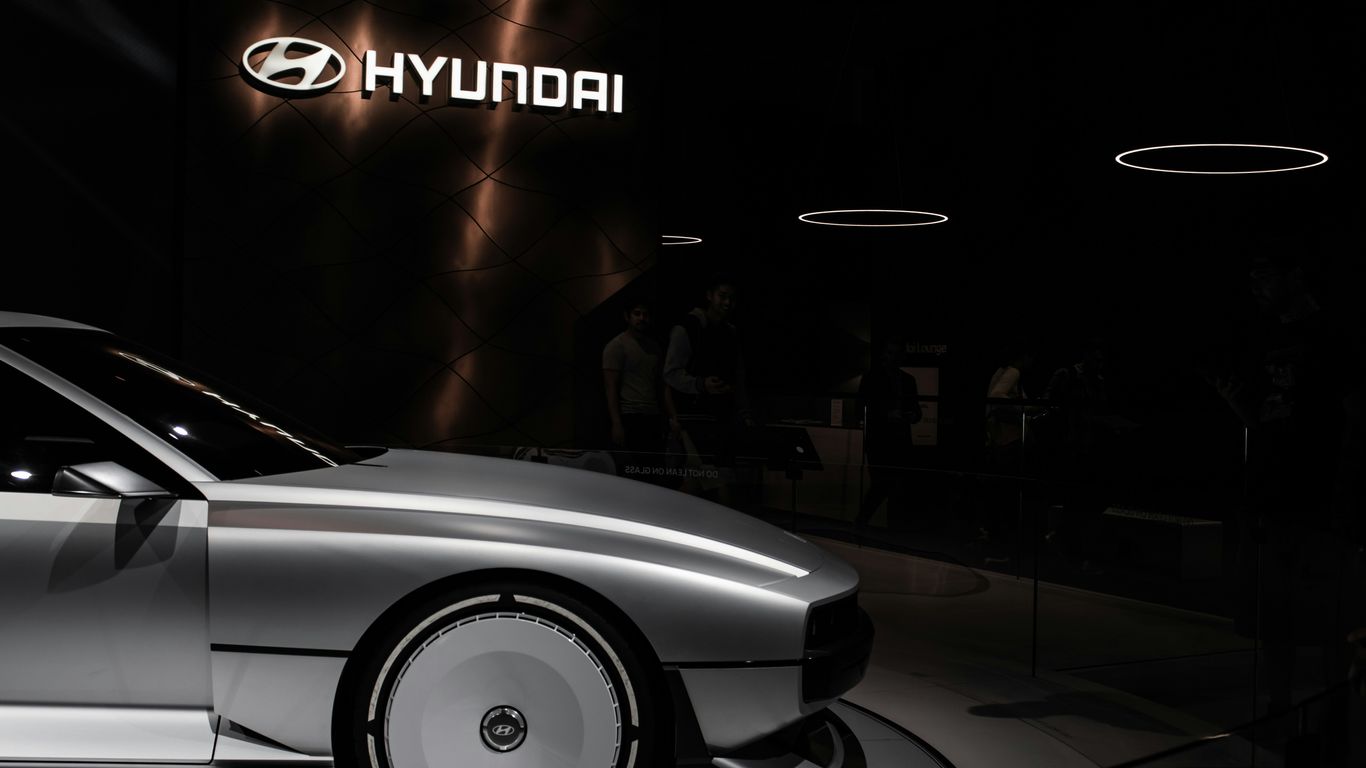
Alright, let’s talk about the 2025 Hyundai Ioniq 5. This electric SUV has been around for a bit, but for 2025, Hyundai is really shaking things up, especially with the introduction of the Ioniq 5 N. This isn’t just your average Ioniq 5; it’s the first all-electric model from Hyundai’s performance N division, and honestly, it’s a beast.
The Ioniq 5 N is designed to be seriously fun to drive, blurring the lines between an electric car and a traditional sports car. It packs a punch with front and rear motors for all-wheel drive, letting it hit 60 mph in as little as 3.4 seconds. If you’re looking for something a bit more chill, the standard Ioniq 5 models still offer a great electric driving experience, but the N version is where the excitement is at for 2025.
Here’s a quick look at what makes the Ioniq 5 N stand out:
- Performance Boost: With its "N Grin Boost" engaged, you get a whopping 641 horsepower and 568 lb-ft of torque. Even without it, you’re looking at 601 horsepower. That’s serious power for an EV SUV.
- Charging Speed: This thing can charge up incredibly fast. If you can find a 350 kW charger, you can go from 10% to 80% in about 18 minutes. That’s quicker than most people can grab a coffee.
- Customizable Driving: Hyundai has added some cool features that mimic traditional sports car elements, like a transmission that simulates an eight-speed dual-clutch. Plus, you can tweak the steering, suspension, and stability control to your liking, whether you’re on a track or just cruising.
When it comes to space, the Ioniq 5 N offers 740 liters of cargo room with the rear seats up, expanding to 1,680 liters when you fold them down. It’s pretty roomy for passengers too, with good legroom in both the front and back.
Safety is also a big deal. While the NHTSA hadn’t fully rated the 2025 N model yet, the 2024 Ioniq 5 did well in crash tests, earning top marks in several categories. It comes loaded with driver-assist features like emergency braking, lane-keep assist, and adaptive cruise control.
Now, reliability is something to keep an eye on. Consumer Reports gave the 2024 Ioniq 5 a lower-than-average predicted reliability score. So, while it’s a blast to drive and packed with tech, it might be worth considering that aspect when making your decision.
5. 2025 Ford Mustang Mach-E
The 2025 Ford Mustang Mach-E continues to be a strong contender in the electric SUV market, and honestly, it’s easy to see why. Ford really hit a sweet spot with this one, blending that familiar Mustang vibe with practical EV tech. It’s not quite as fancy as some of the pricier options, but it’s definitely fun to drive and pretty straightforward to live with day-to-day.
One of the standout versions is the Mach-E Rally. I got a chance to test it out, and let me tell you, sliding it around on some muddy trails was an absolute blast. It doesn’t take itself too seriously, which is kind of refreshing. It’s built for exactly that kind of playful driving, and it really shines in those conditions. While the GT model is also available, the Rally just has this extra charm that makes it stand out.
Here’s a quick look at what you can expect:
- Range: Typically between 265 miles (Rally) and up to 318 miles for other trims.
- Drive Type: Available in rear-wheel or all-wheel drive.
- Fun Factor: The Rally trim, in particular, offers a unique, playful driving experience.
The Mustang Mach-E offers a refined and engaging driving experience with its smooth acceleration and balanced handling. It’s a solid choice if you’re looking for an EV that’s both practical and enjoyable on the road. You can check out more about its performance and features here.
6. 2025 Hyundai Ioniq 9
Hyundai is expanding its electric lineup, and the 2025 Ioniq 9 is set to be a big addition, literally. This is Hyundai’s first-ever three-row electric SUV, aiming to offer more space and practicality for families who want to go electric. While details are still a bit scarce, we know it’s built on the same E-GMP platform as the popular Ioniq 5 and Ioniq 6, which is a good sign for its electric capabilities.
The Ioniq 9 is expected to offer seating for up to seven passengers. This makes it a direct competitor for other large electric SUVs that are starting to hit the market. Think of it as a more spacious, electrified version of something like a Hyundai Palisade, but with all the benefits of an EV powertrain. We’re anticipating a focus on comfort and a smooth ride, making it a solid choice for longer journeys.
Here’s what we’re expecting:
- Multiple Powertrain Options: Hyundai usually offers choices, so expect different battery sizes and possibly rear-wheel and all-wheel-drive configurations. This allows buyers to pick the balance of range and performance that suits them best.
- Generous Interior Space: With three rows, the Ioniq 9 needs to deliver. We’re hoping for ample legroom and headroom in all rows, plus a flexible cargo area that can handle groceries, luggage, or whatever else life throws at you.
- Advanced Tech and Safety: Hyundai consistently equips its vehicles with modern infotainment systems and a suite of driver-assistance features. Expect things like a large touchscreen, smartphone integration, and safety tech to help keep everyone protected on the road.
While it’s not quite here yet, the upcoming 2026 Hyundai IONIQ 9 is shaping up to be a significant player in the growing electric SUV segment. It’s a vehicle designed for those who need more space without compromising on the electric experience.
7. 2025 Nissan Leaf
The 2025 Nissan Leaf is still around, and honestly, it’s a pretty decent option if you’re looking for an electric car that won’t break the bank. It’s got this sort of hatchback-meets-crossover vibe going on, which gives it a bit more modern flair than you might expect. Inside, it’s surprisingly bright and comfortable, making it a pleasant place to spend time.
The Leaf really shines when it comes to affordability and range for the price. The S+ trim, for instance, kicks off at a reasonable $31,485 and can get you up to 303 miles on a single charge. That’s pretty solid for daily commuting or even some longer trips. It’s a good choice for folks who want to go electric without a huge upfront cost.
However, it’s not all sunshine and rainbows. While the base models are great value, you might want to check out the Platinum version. It starts around $40,485, which is a bit more, and it actually has a slightly shorter range at 259 miles. But what you get in return is pretty nice: upgraded seats, a cool dimmable panoramic roof, a Bose sound system, and some slick LED lights. It makes the whole car feel a lot more premium, and still at a price that feels manageable.
Here’s a quick look at what you can expect:
- Starting Price: Around $31,485 for the S+ trim.
- Maximum Range: Up to 303 miles on a single charge.
- Drive Type: Front-wheel drive.
- Interior: Bright, comfortable, and modern.
One thing to keep in mind is the charging situation. The Leaf’s fast-charging port isn’t as widely supported as some other EVs out there, so you’ll want to look into that if you plan on doing a lot of long-distance travel. Still, for a lot of people, the Nissan Leaf offers a compelling package of practicality and electric efficiency.
8. 2025 Chevrolet Equinox EV
The 2025 Chevrolet Equinox EV is aiming to be a big deal in the electric SUV market, especially because of its price point. It’s one of the most affordable ways to get into an electric SUV right now. For a starting price that hovers around $35,000, you’re getting a decent amount of car. Think comfortable seating, a good amount of space for passengers and cargo, and a range that should handle most daily driving and even some longer trips without too much fuss. Owners have mentioned liking the comfortable ride and the attractive design, which is a nice bonus.
However, it’s not all perfect. Some drivers have noted that the ride can feel a bit heavy, and it’s not the quickest when it comes to charging. This is partly due to its battery setup, which means it might take a bit longer to top up compared to some pricier EVs. Also, some folks have heard little rattles over bumps, which can be a bit annoying. It’s a bit of a trade-off for that lower price, I guess.
Here’s a quick look at what you can expect:
- Range: Expect somewhere between 285 to 319 miles on a single charge, depending on the setup.
- Drive Type: You can choose between front-wheel drive or all-wheel drive.
- Infotainment: It comes with a Google-powered system, which is pretty slick for navigation and entertainment.
- Charging: While not the fastest, it’s capable of DC fast charging, adding miles when you need them on the go.
Even though the $7,500 tax credit isn’t available for it anymore, the Equinox EV still holds its own as a strong contender. It’s a solid choice if you’re looking for an electric SUV that can handle commuting, family duty, and the occasional road trip without breaking the bank. If you’re curious about how it stacks up against other options, checking out Chevrolet’s official site might give you more details.
9. 2025 Tesla Model 3
Alright, let’s talk about the 2025 Tesla Model 3. Even though it’s technically a sedan, it often gets lumped into SUV discussions because, well, it’s a Tesla and it’s popular. And honestly, it’s a solid choice if you’re looking for an electric car that’s good at, you know, being a car. The Model 3 continues to be a benchmark for electric sedans, blending performance, range, and tech in a way that’s hard to beat.
When it comes to driving, the Model 3 RWD offers a ride that’s pretty balanced. It handles bumps and rough patches without making you feel like you’re rattling apart. It’s not exactly plush, but it’s comfortable enough for most daily commutes and longer trips. You can check out more details on its ride quality here.
What’s new for 2025? Tesla did a refresh, sometimes called the ‘Highland’ update, which brought some nice tweaks. The exterior got a bit of a facelift, and the interior feels a bit more premium than before. They’ve also worked on making it quieter inside, which is always a plus.
Here’s a quick look at what you can expect:
- Performance: It’s quick. Even the base rear-wheel-drive model gets you moving fast, and the all-wheel-drive versions are even quicker. Tesla’s acceleration is no joke.
- Range: You’re looking at a good amount of range, usually over 300 miles depending on the specific configuration. This makes it a viable option for road trips without constant charging anxiety.
- Technology: The big touchscreen is still the centerpiece, controlling most of the car’s functions. It’s got a clean look, but some people miss having more physical buttons.
While it’s not an SUV, the Model 3’s efficiency and the availability of Tesla’s Supercharger network make it a really practical choice for many people. It’s a safe bet if you want a well-rounded EV experience.
10. 2025 Hyundai Ioniq 6
The 2025 Hyundai Ioniq 6 is a pretty interesting electric sedan that really stands out. It’s got this unique fastback shape that’s not like anything else on the road, and honestly, I think it looks pretty cool. Hyundai really went for it with the styling here, and it’s definitely a conversation starter.
One of the big draws for the Ioniq 6 is its range. You can get up to 342 miles on a single charge, which is seriously impressive and makes it a great option for longer trips. Plus, it charges up super fast – we’re talking 10% to 80% in about 18 minutes if you can find a charger that supports it. That’s a game-changer for road trips.
Here’s a quick look at what you can expect:
- Range: Up to 342 miles on a full charge.
- Charging: Can go from 10% to 80% in around 18 minutes.
- Drive: Available in rear-wheel or all-wheel drive.
- Performance: The rear-wheel-drive model is surprisingly fun to drive, with a bit of a playful feel.
Now, it’s not perfect. The trunk isn’t huge, and that distinctive styling might not be for everyone. But if you’re looking for an EV that’s efficient, charges quickly, and offers a genuinely engaging driving experience, the Ioniq 6 is definitely worth a look. It’s my personal favorite EV on the market right now, and it’s a strong contender if you’re considering something like the Tesla Model 3. The 2025 Hyundai Ioniq 6 is a solid choice for those who want something a little different.
So, Which Electric SUV is Right for You?
Alright, so we’ve looked at a bunch of electric SUVs for 2025. It’s pretty clear there are some solid choices out there, whether you need a big family hauler like the Kia EV9 or something a bit more nimble. Tesla’s Model Y is still a strong contender, and the Hyundai Ioniq 5 is making waves too, especially with its updated features and price. Remember, the best one for you really depends on what you need – how much space, how far you drive, and what you’re willing to spend. Take what we’ve talked about, do a little more digging, and you’ll find the perfect electric SUV to fit your life.
Frequently Asked Questions
What makes an electric SUV different from a regular SUV?
Electric SUVs run on electricity stored in a battery, just like your phone. They use electric motors to move instead of a gas engine. This means they don’t burn gas and are better for the environment.
Are electric SUVs good for long trips?
Many electric SUVs can go a long way on a single charge, often over 250 miles. Plus, charging stations are becoming more common, making longer journeys easier. Some even charge up really fast!
How much do electric SUVs usually cost?
The price can vary a lot. Some electric SUVs are more affordable, starting around $30,000, while others can be quite a bit more expensive, especially the larger or more luxurious ones. Sometimes there are government programs that can help lower the cost.
What’s the biggest advantage of an electric SUV?
Besides being good for the planet, electric SUVs are often quieter and have a smoother ride than gas cars. They can also be cheaper to run because electricity is usually less expensive than gasoline, and they require less maintenance.
Do electric SUVs have enough space for families?
Yes, many electric SUVs are designed with families in mind. Some offer three rows of seats, just like bigger gas SUVs, so you can fit more people and cargo. They generally have good cargo room for groceries or sports gear.
How long do the batteries in electric SUVs last?
Car companies usually offer long warranties on the batteries, often for 8 years or 100,000 miles. The batteries are built to last a long time, and technology is always improving to make them even better.