
So, you’re looking to learn Python, huh? It’s a pretty popular language, and for good reason. It’s used for all sorts of things, from making websites to crunching numbers. Finding the right book can make a big difference, especially when you’re just starting out or trying to get better. We’ve looked at a bunch of options, and this list should help you find the best Python book PDF for where you’re at in your learning journey.
Key Takeaways
- Python Crash Course is a solid starting point for beginners, covering basics and project-based learning.
- Head-First Python uses a visual approach that might work well if you learn best by seeing things laid out.
- Invent Your Own Computer Games With Python is great if you want to learn by building fun projects.
- Think Python helps you learn how to think like a programmer while covering Python fundamentals.
- Effective Computation In Physics is a good choice if you’re interested in using Python for scientific research and need to learn related tools.
Python Crash Course
If you’re looking to jump into Python programming, "Python Crash Course" by Eric Matthes is a solid choice. It’s designed for beginners and aims to get you coding quickly. The book is split into two parts. The first part covers Python fundamentals, like variables, lists, dictionaries, and functions. It’s pretty straightforward and doesn’t get bogged down in theory too much.
The second part is where you get to build actual projects. This is a big plus because it helps you see how the concepts you learned actually work in practice. You’ll build a game, a data visualization, and a web application. It’s a hands-on approach that many people find really helpful for learning.
Here’s a quick look at the projects you’ll tackle:
- Space Invaders Game: You’ll use Pygame to create a classic arcade-style game.
- Data Visualization: Using libraries like Matplotlib and Plotly, you’ll create charts and graphs from data.
- Web Application: You’ll build a simple web app using the Django framework.
It’s a good way to get a feel for different areas of Python development. You can find the 3rd Edition PDF of Python Crash Course online if you want to check it out. It’s a popular book for a reason, and many beginners find it makes learning Python much less intimidating.
Head-First Python, 2nd Edition
If you’re someone who learns best with lots of pictures and doesn’t want to get bogged down in dense text, then Head-First Python, 2nd Edition might be your jam. This book uses a visual style, kind of like a comic book meets a textbook, to explain Python concepts. It’s designed to work with how your brain actually learns, which is pretty neat.
The whole approach is about breaking things down into smaller, manageable pieces. You won’t find yourself staring at pages of solid text here. Instead, you get examples and illustrations that are meant to make things clearer right away. It covers the basics, like lists and modules, and then moves on to things like handling errors and working with files. A cool part is that it uses a running project – building a website for a school sports team – to show you how everything fits together. You even get to play around with making an Android app talk to that website.
Here’s a quick look at what you’ll cover:
- Getting started with Python basics.
- Working with lists and modules.
- Handling errors and files.
- Building a simple website using CGI.
- Interacting with your website using an Android app.
- Dealing with user input and data.
- Basic ideas about deploying and scaling web apps.
It’s not the most in-depth book out there, but it makes learning Python feel less intimidating. If you find most programming books a bit dry or overwhelming, this one could be a good starting point.
Invent Your Own Computer Games With Python, 4th Edition
If you’ve ever wanted to make your own video games, this book is a really fun way to start learning Python. It’s all about building games, so you get to jump right into making things like number guessing games, text adventures, and even Hangman. The author, Al Sweigart, does a good job of introducing programming concepts as you need them for each game project. You’ll start with the basics, like how to use the Python shell, and then move on to things like flow control, functions, and handling user input.
One of the cool things about this book is how it breaks down game development into manageable steps. You’ll learn about:
- Creating text-based games like ‘Dragon’s Realm’ to understand logic and functions.
- Building the classic game of Hangman, which introduces lists and string manipulation.
- Developing a Tic-Tac-Toe game, where you’ll touch on basic AI concepts.
Later on, the book gets into using the Pygame library to add graphics, sound, and animations to your games. You’ll work on projects like an obstacle-dodging game, which really ties everything together. It’s a hands-on approach that makes learning Python feel less like studying and more like playing. This is a great resource if you’re looking for a practical way to learn Python through creating your own games.
Think Python: How to Think Like a Computer Scientist, 2nd Edition
If you’re looking for a book that focuses on the core principles of programming rather than just Python syntax, "Think Python: How to Think Like a Computer Scientist" by Allen B. Downey is a solid choice. This book aims to teach you the way a programmer approaches problems, which is a bit different from just learning a language. It’s laid out in a straightforward, linear fashion, which some might find a little dry, but it’s very clear.
The main goal here is to get you thinking computationally. It covers the basics of Python programming thoroughly, but it doesn’t get bogged down in every single advanced feature. Instead, it touches on a wider range of topics that other books might skip, like operator overloading and algorithm analysis. The second edition has improved on the number of exercises, which is good, though it still has fewer directed practice problems than some other books. It does include a few more in-depth projects that act as case studies.
Here’s a quick look at what you can expect:
- Core Programming Concepts: Focuses on how to break down problems and think logically.
- Python Fundamentals: Covers variables, data types, control flow, functions, and object-oriented programming.
- Broader Topics: Includes introductions to concepts like recursion, data structures, and algorithm analysis.
- Case Studies: Features a few projects to see how concepts are applied in practice.
This book is a good fit if you prefer a direct, fact-based presentation and want to gain insight into a programmer’s mindset. It’s particularly well-suited for students or anyone wanting a clear, step-by-step introduction to programming logic.
Effective Computation In Physics: Field Guide To Research With Python
This book, "Effective Computation in Physics: Field Guide to Research with Python" by Anthony Scopatz and Kathryn D. Huff, is a really solid choice if you’re looking to use Python for scientific work, but don’t let the title scare you. You don’t need a physics background to get a lot out of it. It’s basically a practical guide to using Python for all sorts of research tasks.
What’s cool is that it covers more than just Python itself. You’ll also learn about related tools that are super helpful in research, like using the command line, keeping track of your code with version control, and making sure your code works correctly with testing. It’s structured into four main parts:
- Getting Started: This section gets you up and running quickly. It starts with the basics of the bash command-line and then moves into core Python concepts like variables, data types, and control flow. It even has chapters on functions and object-oriented programming.
- Getting it Done: This part focuses on working with data, which is a big deal for scientists and engineers. It introduces essential libraries for data analysis and visualization. You’ll also find details on handling large datasets and deploying your software using tools like pip, conda, and Docker.
- Getting it Right: Here, you’ll learn how to avoid common problems and write better code. This includes using tools like
makefor building software pipelines, Git and GitHub for version control, and techniques for debugging and testing your code. - Getting it Out There: The final section is all about sharing your work. It covers documentation, using markup languages like LaTeX, collaborating with others, and understanding software licenses. It wraps up with a list of scientific Python projects.
The book really shines by teaching you Python alongside the practical tools researchers use every day. It’s written clearly, with plenty of examples, making it a great learning resource and a handy reference book for later.
Learn Python 3 The Hard Way
Alright, let’s talk about Zed Shaw’s "Learn Python 3 the Hard Way." The title might sound a bit intimidating, but honestly, it’s a really solid way to get started. The whole idea is that you actually type out every single line of code yourself. No copy-pasting here. You’re expected to do all the exercises and, importantly, figure out solutions when you get stuck. This hands-on approach builds muscle memory for coding.
The book breaks down Python into over fifty exercises. Each one builds on the last, introducing new concepts like variables, functions, loops, and data structures. You’ll even get to build a simple game. It covers the basics thoroughly, from setting up Python to more complex topics like object-oriented programming and even putting your game online. It’s a structured path that really makes sure you’re not just reading, but doing.
Here’s a quick look at what you’ll cover:
- Setting up your Python environment.
- Writing basic programs with variables and functions.
- Understanding logic, loops, and conditional statements.
- Working with lists and dictionaries.
- Introduction to object-oriented programming.
- Debugging your code.
- Building a simple game.
Shaw’s writing style is patient and he doesn’t skip over the details. If you stick with the "hard way" method, meaning you do the work and follow the suggestions, you’ll come out of this book with a good grasp of Python. It’s a great starting point if you want to get into data science concepts and need to build that foundational coding skill.
Python For Kids: A Playful Introduction To Programming
This book, "Python For Kids: A Playful Introduction To Programming," lives up to its name. It’s designed to make learning Python fun, and honestly, it works for all ages, not just kids. The author, Jason R. Briggs, does a great job of breaking down programming concepts with clear, straightforward examples. You’ll find plenty of illustrations throughout, which really helps when you’re trying to grasp new ideas.
Getting started is usually the hardest part, right? Well, this book makes it easy. It walks you through installing Python on Windows, Mac, and Linux. Then, it introduces you to the Python shell, showing you how to use it like a basic calculator. From there, you’ll move on to variables and math operations. The book progresses through different data types like strings, lists, and dictionaries. A big part of the fun comes with the turtle graphics library. It’s a visual way to see your code come to life, drawing shapes and patterns. You can find a helpful Python cheat sheet that covers many of these basic topics.
After covering the basics, the book dives into more complex topics like conditional statements (if/else), loops, functions, and modules. It even touches on classes and objects. The second half of the book is all about building projects. You’ll create a simple Pong game called "Bounce!" and then a side-scrolling game, "Mr. Stickman Races for the Exit." These projects are great for putting what you’ve learned into practice, combining programming logic with creating interfaces and adding interactivity. It’s a solid way to get a good grounding in programming.
Teach Your Kids To Code: A Parent-Friendly Guide To Python Programming
This book, "Teach Your Kids to Code: A Parent-Friendly Guide to Python Programming" by Bryson Payne, is a solid choice if you’re looking to introduce programming concepts to children, and maybe learn a bit yourself along the way. It’s designed with adults and kids working together in mind, which is a nice touch.
What really makes this book stand out is its visual appeal. Almost every page is filled with color and illustrations, making it much more engaging than a typical dry textbook. The author frames coding not just as a technical skill, but as a way to develop problem-solving abilities in kids.
The book kicks off with setting up Python, which is pretty standard. Then, it dives into the fun stuff with turtle graphics. You’ll start with simple drawing exercises, like making a rotated square, and gradually build up your understanding. The explanations get really clear as you go, with line-by-line breakdowns of the code, so you shouldn’t get lost.
Here’s a look at the progression:
- Introduction to Graphics: Starts with turtle graphics to visualize code.
- Core Concepts: Covers calculations, variables, and string manipulation.
- Building Blocks: Introduces loops and conditional statements for more complex programs.
- Adding Randomness: Explores the
randomlibrary for games like dice rolling and card picking. - Advanced Projects: Touches on functions, user interaction, and even uses PyGame for animations and creating a simple drawing application.
It’s a well-paced guide that makes learning Python accessible and enjoyable for both parents and kids.
Python Tricks: A Buffet Of Awesome Python Features
So, you’ve got the basics down, right? You can write a script, maybe even build a small program. But sometimes, you look at Python code written by others, and it just… flows differently. It’s cleaner, more efficient, and you’re left wondering, "How did they do that?" That’s where a book like "Python Tricks: A Buffet of Awesome Python Features" comes in. It’s not for absolute beginners; think of it as your next step after you’ve gotten your feet wet.
This book is packed with clever ways to use Python that you might not stumble upon during everyday coding. It breaks down these "tricks" into digestible chunks, each focusing on a specific feature or technique. You’ll find yourself learning about things like:
- Patterns for cleaner code: How to structure your programs so they’re easier to read and maintain.
- Effective use of functions: Going beyond the basics to make your functions do more with less.
- Object-Oriented Programming (OOP) insights: Getting a better handle on classes and how to use them the Pythonic way.
- Smart data structure usage: Discovering the best ways to store and access your data.
- Mastering loops and iteration: Making your loops more powerful and efficient.
- Dictionary wizardry: Unlocking the full potential of Python dictionaries.
- Productivity boosters: Techniques that just make coding in Python faster and more enjoyable.
The real value here is learning to write code that feels inherently Pythonic. It’s about understanding the language’s nuances and using them to your advantage. You’ll see code examples that are easy to follow, and they often show you a more elegant solution than you might have come up with yourself. It’s the kind of book you can pick up, learn something new, and then immediately apply it to your own projects. It really helps you appreciate what Python can do when you use it the way it was intended.
Fluent Python: Clear, Concise, And Effective Programming
So, you’ve got a handle on the basics of Python, maybe you’ve even built a few small things. That’s great! But if you’re looking to really get the most out of Python, to write code that’s not just functional but also elegant and efficient, then "Fluent Python" by Luciano Ramalho is a book you should seriously consider. This isn’t a beginner’s guide; it’s for those who want to move beyond the surface and truly understand Python’s inner workings.
Ramalho dives deep into Python’s features, showing you how to use them in ways that are idiomatic – meaning, the way Python was intended to be used. It’s organized into sections that cover different aspects of the language, so you can jump around to topics that interest you most. Think of it like this:
- Data Structures: You’ll learn about sequences, mappings, and sets, and the subtle differences between things like strings and bytes.
- Functions as Objects: Python treats functions in a special way, and this book explains what that means for your code.
- Object-Oriented Idioms: This covers how Python handles references, mutability, inheritance, and even operator overloading.
- Control Flow: Beyond simple if/else statements, you’ll explore generators, context managers, and even concurrency with
asyncio. - Metaprogramming: This is where things get really interesting, looking at dynamic attributes, descriptors, and metaclasses.
What’s really nice is that the book is packed with code examples. They’re usually short, to the point, and often designed to be tried out right in the Python console. It makes learning these more advanced concepts feel much more manageable. If you’ve ever looked at Python code and thought, "Wow, that’s clean," chances are the author was using some of the techniques discussed here. It’s a fantastic resource for leveling up your Python game.
Effective Python: 59 Ways To Write Better Python
So, you’ve got the basics of Python down, and you’re ready to stop writing code that looks like it was translated from another language. That’s where Brett Slatkin’s "Effective Python: 59 Ways to Write Better Python" comes in. This book isn’t about learning Python from scratch; think of it more like a guide to becoming a Python ninja. It’s a collection of 59 short, independent articles, each tackling a specific way to write more efficient, readable, and, well, Pythonic code.
What I really like is that you don’t have to read it cover to cover. Got a specific problem or just curious about something? You can jump right to the relevant article. It covers everything from the nitty-gritty of Python’s object model to more advanced topics like concurrency and metaprogramming. It’s the kind of book you’ll keep on your desk and pull out when you hit a snag or just want to learn a neat trick.
Here’s a peek at some of the areas it covers:
- Pythonic Thinking: How to do common tasks the way Python was designed to be done.
- Functions: Understanding the nuances of Python functions and how to use them effectively.
- Classes and Inheritance: Best practices for working with Python’s object-oriented features.
- Metaclasses and Attributes: Getting into the more mysterious parts of Python’s class system.
- Concurrency and Parallelism: Writing multi-threaded applications.
- Built-in Modules: Discovering useful, but often overlooked, standard libraries.
- Collaboration: Tips on documentation, packaging, and managing dependencies.
- Production: Advice on debugging, optimization, and memory management.
The real strength of this book is its focus on practical, actionable advice. Slatkin explains why certain approaches are better, not just what to do. It’s a fantastic resource for anyone looking to move beyond basic scripting and write code that’s truly elegant and performant.
Python Cookbook
So, you’ve got a handle on Python basics and you’re ready to tackle some more complex stuff? That’s where the "Python Cookbook" by David Beazley and Brian K. Jones really shines. This isn’t your typical quick-fix guide; it goes deep. Each "recipe" presents a clear problem, like "how do I make a decorator that adds an argument?", and then dives into a detailed, modern Python 3 solution.
What sets this book apart is the extended discussion that follows each code example. The authors don’t just show you how to do something; they explain the ‘why’ behind it, often spending several pages breaking down the patterns and data structures used. It’s definitely geared towards those who are already comfortable with Python and want to learn the more nuanced, idiomatic ways of doing things. Think of it like learning advanced techniques from a master chef rather than just following a simple recipe. It’s probably the most advanced book on many lists, but don’t let that scare you if you’re feeling like an intermediate coder. Sometimes, you learn the most by trying to keep up with the best, right?
Here’s a peek at what you might find inside:
- Decorators: Crafting custom decorators to modify function behavior.
- Data Structures: Efficiently working with common Python data structures.
- Concurrency: Strategies for handling multiple tasks at once.
- Metaprogramming: Exploring advanced techniques like metaclasses.
- I/O Operations: Managing file and network input/output effectively.
Real Python Course, Part 1
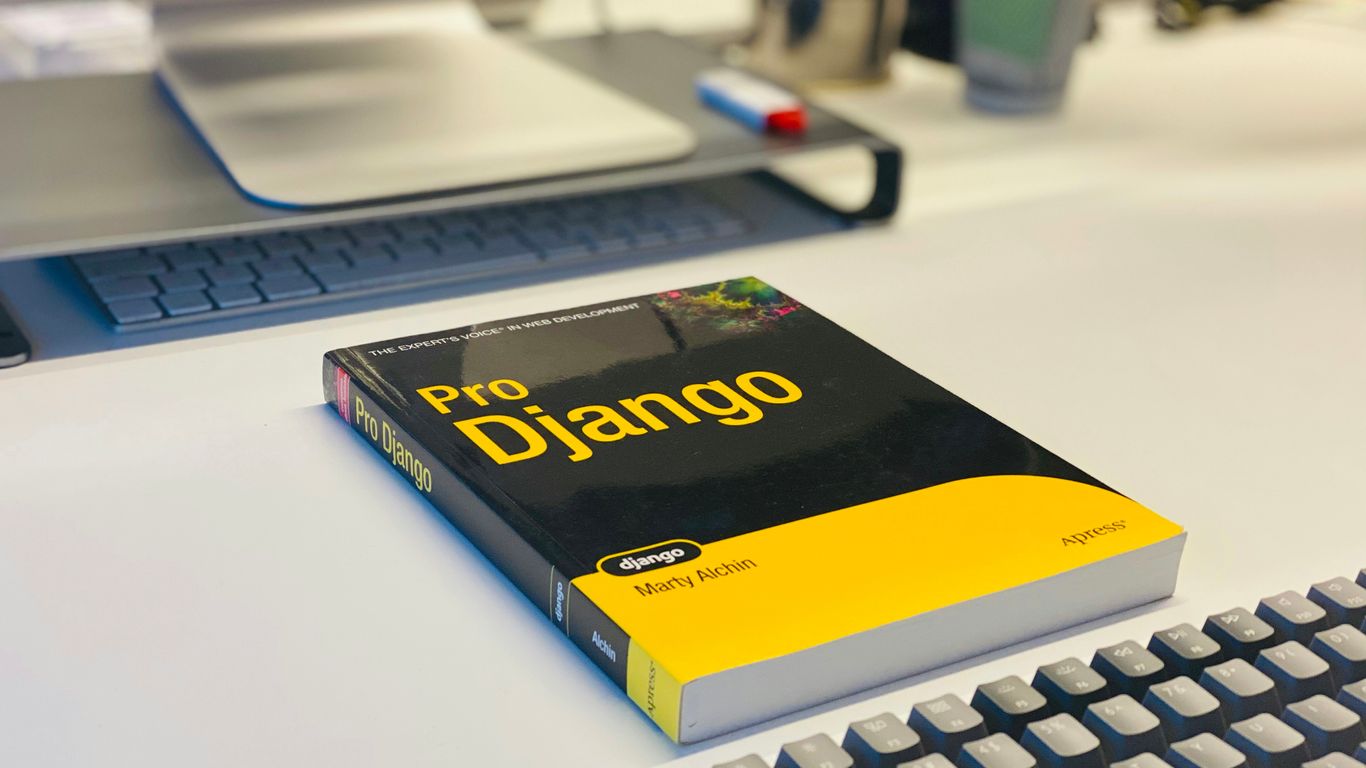
If you’re looking for a solid start with Python, the "Real Python Course, Part 1" eBook is a really good place to begin. It’s the first in a series, and it does a nice job of getting you up and running without feeling overwhelming. The book mixes explanations with code examples and then throws in some review exercises, which is super helpful for actually making sure you remember what you just read.
They start you off right with clear instructions on how to get Python installed on your computer. Instead of just listing all the data types, they jump right into strings and show you how to do things like slicing pretty early on. After that, you get into functions, loops, and working with lists and dictionaries. It feels like a natural progression.
What’s cool is that once you’ve got the basics down, it doesn’t just stop there. You’ll learn how to install extra packages using pip, which opens up a lot of possibilities. The book even touches on interacting with PDF files, using SQL, scraping data from websites, and doing some basic scientific computing with libraries like NumPy and Matplotlib. They even show you how to create simple graphical interfaces.
This book is great because it covers the essentials in a friendly way and then introduces some practical, slightly more advanced topics that other beginner books might skip. It’s a good stepping stone if you’re thinking about doing more with Python down the line.
Python Essentials
So, you’ve decided to jump into Python, huh? That’s awesome! When you’re just starting out, it can feel like there’s a mountain of information to climb. That’s where books focused on Python Essentials come in. They’re designed to give you a solid groundwork without overwhelming you.
These books usually start with the absolute basics. Think about what a variable is, how to write simple commands, and what those funny symbols actually do. They break down concepts like loops and conditional statements into bite-sized pieces. The goal is to make sure you really get the core ideas before moving on to anything more complex.
Here’s a general idea of what you’ll find in a good Python Essentials book:
- Basic Syntax: How to actually write Python code that the computer understands.
- Data Types: Numbers, text (strings), and how Python handles them.
- Control Flow: Using
if/elsestatements andfor/whileloops to make your programs do different things. - Functions: Writing reusable blocks of code to keep things organized.
- Data Structures: Working with lists and dictionaries to store collections of information.
Many of these books also include little exercises or challenges. These are super helpful for actually trying out what you’ve just read. It’s like learning to ride a bike – you can read about it all day, but you’ve got to get on and pedal. You’ll also find that these books often point you towards resources for scientific computing, which can be a great next step if you’re interested in fields like economics or finance. For instance, you might find introductions to libraries like NumPy and Matplotlib, which are workhorses in scientific computing.
Don’t be afraid to re-read sections if something doesn’t click right away. That’s totally normal! The key is to keep practicing and building things, even if they’re small at first. You’ll be surprised how quickly you start to get the hang of it.
Advanced Python
So, you’ve got a handle on the basics of Python, huh? That’s great! But what happens when you want to go beyond just writing scripts that work? This is where advanced Python books come in. They’re not for beginners, mind you. Think of them as the next step, the place where you learn to write code that’s not just functional, but also elegant and efficient – what Python folks call ‘Pythonic’.
These books often dig into the nitty-gritty of how Python actually works under the hood. Understanding these details can really change how you approach problems. You’ll start seeing ways to use Python’s features that you probably didn’t even know existed.
Here are a few areas these advanced books often cover:
- Pythonic Idioms: Learning the common patterns and styles that experienced Python developers use. This isn’t just about syntax; it’s about thinking in a way that fits the language.
- Advanced Data Structures: Going deeper than lists and dictionaries, exploring things like
collections.dequeorcollections.Counterand when to use them. - Metaclasses and Descriptors: These are powerful, sometimes tricky, concepts that allow you to customize how classes and objects behave. They’re not used every day, but knowing about them is a big step.
- Concurrency and Parallelism: Understanding how to make your programs do multiple things at once, which is key for performance in many applications.
- Performance Optimization: Finding out why your code might be slow and learning techniques to speed it up, like using built-in functions effectively or understanding memory management.
These books are about mastering the art of Python, not just the science. They help you write code that’s cleaner, easier to read, and performs better. It’s like going from knowing how to drive a car to being a race car driver – you’re still on the same road, but you’re going about it in a whole new way.
Web Development
Python is a pretty solid choice if you’re looking to get into web development. It’s not just for data science or scripting; a lot of popular websites and web applications are built using Python. Frameworks like Django and Flask make building web stuff way easier. Django is like a full-featured option, giving you a lot of tools right out of the box for things like user authentication and database management. Flask, on the other hand, is more lightweight and flexible, so you can pick and choose the components you want to use.
Getting started with web development in Python often involves learning these frameworks.
Here’s a general idea of what you’ll encounter:
- Setting up your environment: This usually means installing Python itself, then using pip to install your chosen framework (like Django or Flask).
- Understanding HTTP requests and responses: How your web application talks to browsers.
- Working with databases: Storing and retrieving data, often using an Object-Relational Mapper (ORM) provided by the framework.
- Creating templates: Designing the HTML structure of your web pages, often with dynamic content inserted by Python.
- Handling user input: Processing forms and other data submitted by users.
- Deployment: Getting your web application live on the internet, which can involve services like Heroku or cloud platforms.
Many books cover web development with Python, often focusing on building a specific project, like a blog or an e-commerce site. This hands-on approach is great for seeing how all the pieces fit together. You’ll learn about routing, views, models, and templates, which are the core components of most web applications.
Data Science And Machine Learning
So, you’re looking to get into data science or machine learning with Python? It’s a pretty popular path these days, and for good reason. Python has become the go-to language for a lot of folks in this field because of its amazing libraries.
If you’re starting out, you’ll want books that show you how to actually do things, not just talk about theory. Many resources focus on practical application, using libraries like NumPy for number crunching, Pandas for data wrangling, and Matplotlib or Seaborn for making sense of your data visually. For machine learning specifically, Scikit-learn is a big one to get familiar with. You’ll find books that walk you through building models, from simple linear regressions to more complex neural networks.
Here are a few things you’ll likely encounter when diving into these books:
- Data Manipulation: Learning how to clean, transform, and prepare your data is a huge part of the job. This often involves using Pandas DataFrames.
- Data Visualization: Creating charts and graphs to understand patterns and communicate findings. Think scatter plots, histograms, and line graphs.
- Machine Learning Algorithms: Understanding how to apply algorithms like decision trees, support vector machines, and clustering techniques to your data.
- Model Evaluation: Figuring out how well your models are performing and how to improve them.
Many books aim to explain concepts without getting bogged down in heavy math, preferring to show you code examples you can run and tweak yourself. This hands-on approach is usually the most effective way to learn, especially when you’re dealing with large datasets and complex problems.
GUI Development
So, you’ve got the basics of Python down and you’re ready to make things look good, right? That’s where Graphical User Interfaces, or GUIs, come in. Instead of just typing commands and getting text back, you can build windows, buttons, and all sorts of interactive elements that people can click on. It really makes your programs feel more professional and user-friendly.
When you’re looking to get into GUI development with Python, there are a few main toolkits you’ll bump into. Tkinter is usually the first one people see because it comes built-in with Python. It’s pretty straightforward for simple interfaces, and you don’t need to install anything extra. Then there’s PyQt and Kivy, which are a bit more powerful and can create some really slick-looking applications. Kivy, in particular, is great if you’re thinking about making apps for mobile devices too.
Here’s a quick look at what you might learn when diving into GUI books:
- Setting up your development environment: Getting the right libraries installed is step one.
- Understanding widgets: These are the building blocks – buttons, text boxes, labels, sliders, and more.
- Event handling: Figuring out what happens when a user clicks a button or types in a field.
- Layout management: Arranging all those widgets so they look neat and tidy, no matter the window size.
- Creating simple applications: Think basic calculators, to-do lists, or simple drawing tools.
Building interactive applications with Python opens up a whole new world of possibilities for your projects. It takes your coding from just logic to something visually engaging.
Best Practices
So, you’ve been coding in Python for a bit, maybe you’ve finished a book or two, and you’re starting to wonder how to write code that doesn’t just work, but works well. It’s easy to get going with Python, which is awesome, but sometimes that ease makes people think style doesn’t matter or that there aren’t really
Wrapping Up Your Python Book Search
So, you’ve looked through a bunch of Python books, and hopefully, you’ve got a better idea of which one might be the best fit for you. Remember, everyone learns a little differently, and what clicks for one person might not for another. Don’t get discouraged if the first book you pick doesn’t feel quite right. Sometimes, it takes trying a couple of different resources, or even just taking a break and coming back to it, to really make those concepts stick. The most important thing is to just keep going. Python is a pretty cool language, and with the right book in hand, you’ll be writing your own code before you know it. Happy coding!
Frequently Asked Questions
What is the best way to start learning Python?
Starting with a beginner-friendly book is a great idea. Look for books that explain the basics of programming and Python step-by-step, with lots of examples. Some books are designed for absolute beginners, meaning you don’t need any prior coding knowledge.
I want to learn Python with my child. Are there special books for that?
Yes, absolutely! There are books specifically made for kids or for parents to teach kids Python. These books often use fun projects and simple language to make learning enjoyable for younger audiences.
What if I already know some Python and want to get better?
Once you’ve got the basics down, you’ll want books that focus on writing cleaner, more efficient code. These books teach you ‘Pythonic’ ways of doing things and explore more advanced features to help you become a skilled Python programmer.
Are there books that focus on specific areas like web development or data science?
Definitely. Python is used for many things! You can find books that dive deep into building websites with Python, or books that teach you how to use Python for analyzing data and creating machine learning models.
What should I do if I get stuck while reading a Python book?
Don’t give up! If one book isn’t making sense, try another. Sometimes a different explanation or example from another book, or even looking online or asking in a forum, can help you understand the concept.
How important is it to learn ‘best practices’ in Python?
Learning best practices is super important for writing code that is easy to understand, works well, and can be used by others. Books on best practices help you write code the ‘right’ way, making you a more professional programmer.