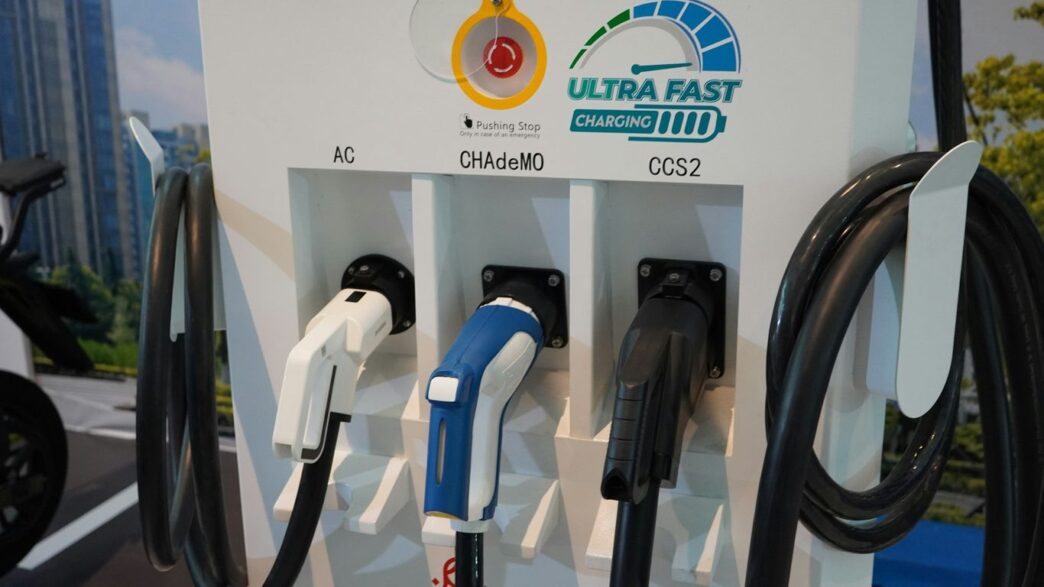
Thinking about going electric but worried about the price tag? You’re not alone. For a while there, it felt like electric cars were only for folks with deep pockets. But things are changing, and fast. More and more companies are rolling out EVs that are actually affordable for everyday people. We’re talking about cars that get you where you need to go without costing an arm and a leg, and honestly, it’s pretty exciting. Let’s take a look at some of the most affordable electric cars you can buy right now.
Key Takeaways
- The Chevrolet Equinox EV is a strong contender for the most affordable electric car, offering good range for its price point.
- The Nissan Leaf has a long history as a budget-friendly EV, providing a practical option for many drivers.
- Government incentives and rebates can significantly lower the upfront cost of many electric vehicles, making them more accessible.
- Considering a used electric car can offer substantial savings, often providing more range for the money compared to new, less expensive models.
- The market for affordable electric cars is growing, with new innovations constantly working to bring down costs and improve accessibility.
Exploring the Most Affordable Electric Cars
Understanding the Value Proposition of Budget EVs
So, you’re thinking about going electric but worried about the price tag? It’s a common concern, but the good news is that the electric vehicle market has really opened up. You don’t need to spend a fortune to get into an EV anymore. Automakers are realizing that making EVs accessible to more people is key to wider adoption. This means we’re seeing more models that offer a solid mix of range, features, and practicality without demanding a premium price. It’s not just about saving money on gas; it’s about getting a modern, capable vehicle that also happens to be kinder to the planet. The value proposition for budget EVs is getting stronger every year, making the switch more appealing than ever.
Key Factors in Determining Affordability
When you’re looking at the sticker price of an electric car, there are a few things that really make a difference in how affordable it actually is. It’s not just the base MSRP, though that’s a big part of it. You also have to think about the range – how far can it go on a single charge? A car with less range might be cheaper upfront, but you might find yourself needing to charge more often, which can add up. Then there’s the battery size; bigger batteries mean more range but usually a higher cost. Don’t forget about charging speed, either. A car that charges faster can save you time, which is valuable. Finally, consider the features that come standard. Some cheaper EVs might make you pay extra for things like advanced safety tech or a better infotainment system.
Here’s a quick look at what to keep in mind:
- MSRP: The starting price is the most obvious factor.
- EPA Estimated Range: How many miles you can expect on a full charge.
- Battery Capacity (kWh): Generally, larger batteries offer more range but cost more.
- Charging Speed: How quickly the battery can be replenished, especially at DC fast chargers.
- Included Features: What tech, safety, and comfort options come standard versus optional.
Navigating Government Incentives and Rebates
This is where things can get really interesting for your wallet. Governments, both federal and local, often want to encourage people to buy electric cars. They do this through tax credits and rebates. These can significantly lower the actual amount you pay for an EV. For example, a federal tax credit might knock a few thousand dollars off the price, and then your state or city might offer another incentive on top of that. It’s definitely worth doing your homework here because these programs can change, and eligibility requirements can vary. What might seem like a slightly more expensive EV on paper could actually be one of the cheapest options once all the incentives are factored in. It’s like a hidden discount that makes a big difference.
Top Contenders for the Most Affordable Electric Cars
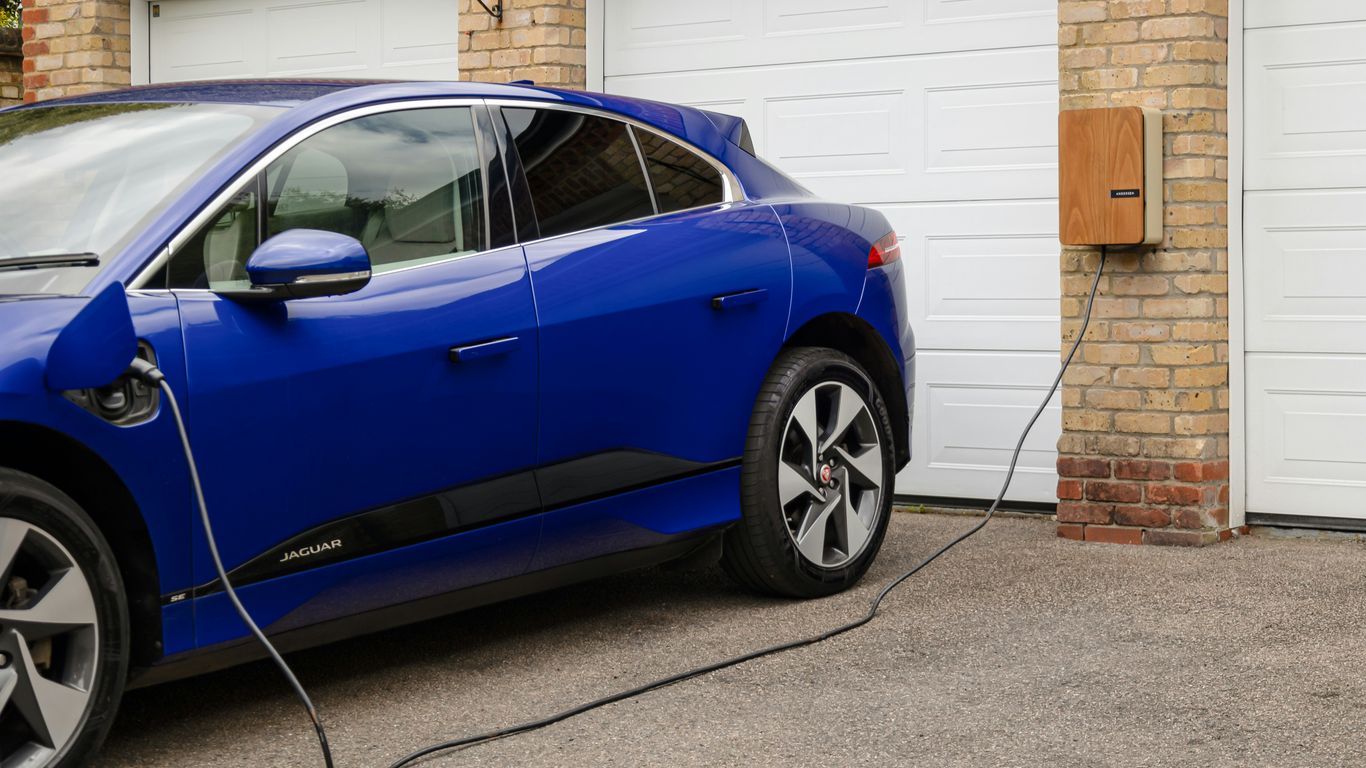
Alright, let’s talk about the electric cars that won’t make your wallet cry. It feels like just yesterday EVs were super expensive, but things are changing fast. We’ve got some seriously good options now that offer a lot of bang for your buck. If you’re looking to go electric without taking out a second mortgage, these are the ones to keep your eye on.
Chevrolet Equinox EV: A Leader in Value and Range
The Chevy Equinox EV is making some serious waves, and for good reason. It’s not trying to be the fanciest car on the block, but it nails the important stuff. Think of it as the sensible choice for someone who wants a solid electric vehicle that’s efficient and doesn’t cost an arm and a leg. It’s a crossover, so you get that practical space we all seem to need these days. For 2026, they’ve really focused on making it accessible, with a front-wheel-drive model starting at a price that’s hard to beat for the range it offers. This is a big deal because it shows that long-range EVs are finally becoming a reality for more people.
Here’s a quick look at what makes it stand out:
- Price Point: Often cited as one of the most affordable new EVs, especially when you consider its capabilities.
- Range: You can expect a good amount of miles on a single charge, making those longer trips less stressful.
- Practicality: It’s a crossover, so it’s got room for groceries, gear, and maybe even a small dog.
Nissan Leaf: A Long-Standing Affordable Option
The Nissan Leaf has been around for a while, and it’s kind of the veteran of the affordable EV scene. It’s seen a few makeovers, and the latest versions are looking pretty sharp. It’s a hatchback, which is super handy for city driving and everyday errands. Nissan has been smart about offering different battery sizes, so you can pick one that fits your driving needs and budget. It’s a car that just works, and it’s been doing it reliably for years.
What to like about the Leaf:
- Proven Track Record: It’s been on the market for a long time, meaning it’s a well-tested and understood vehicle.
- User-Friendly: Generally easy to drive and live with, with a straightforward interior.
- Charging Options: Offers decent charging speeds, and with quick charging, you can get back on the road relatively fast.
Hyundai Kona Electric: Practicality Meets Price Point
The Hyundai Kona Electric is another strong contender if you’re looking for a smaller, more budget-friendly EV. It’s a subcompact SUV, so it’s got a bit of that SUV feel without the big price tag. What’s cool about the Kona Electric is that even at its lower price, it comes packed with features. You don’t feel like you’re missing out on the tech or the style. It’s a smart package that offers a good amount of range for its size, making it a really practical choice for commuting and daily life.
Key highlights of the Kona Electric:
- Feature-Rich: You get a lot of tech and safety features for the money.
- Compact Size: Easy to park and maneuver in tight city spaces.
- Good Value: It strikes a nice balance between cost, range, and features.
Compact and Stylish Budget-Friendly EVs
Sometimes, you don’t need a massive SUV to get around town. If you’re looking for something smaller, more nimble, and with a bit of flair, there are some great electric options that won’t empty your wallet. These cars prove that you can have good looks and electric power without a sky-high price tag.
Fiat 500e: Iconic Design at an Accessible Price
The Fiat 500e is a real head-turner. It takes the classic, charming design of the original 500 and gives it a modern electric twist. It’s perfect for zipping through city streets and parking in tight spots. This little car packs a surprising amount of personality into a small package. While its range might not be the longest on the market, it’s more than enough for most daily commutes and errands. Plus, its stylish interior makes every drive feel a bit more special. It’s a fantastic choice if you want an EV that stands out from the crowd and offers a fun driving experience.
Mini Cooper SE: Zippy City Driving on a Budget
Much like the Fiat 500e, the Mini Cooper SE offers that distinctive Mini charm in an all-electric format. It’s known for its go-kart-like handling, making it incredibly fun to drive, especially in urban environments. The Cooper SE is a great option for those who prioritize a lively driving feel and a compact size.
Here’s a quick look at what makes it a contender:
- Agile Handling: Its small size and responsive steering make it a joy to maneuver.
- Distinctive Style: You get all the classic Mini looks, now with zero emissions.
- City-Focused Range: While not built for long road trips, its range is well-suited for daily city driving.
It’s a solid pick if you’re looking for an EV that’s as enjoyable to drive as it is practical for your daily commute. You can find more details on these smaller EVs in this guide to top small electric vehicles.
Affordable Electric SUVs and Crossovers
So, you’re looking for an electric SUV or crossover that won’t break the bank? Good news! The market is really starting to offer some solid choices that give you that SUV feel without the hefty price tag. These vehicles are great because they often give you a bit more space and a higher driving position than a smaller car, which a lot of people like.
Volkswagen ID.4: Spacious and Efficient
The Volkswagen ID.4 is a pretty compelling option if you’re after an electric SUV that feels roomy and drives smoothly. It’s designed to be practical for everyday life, whether you’re hauling groceries, kids, or just need some extra cargo space for a weekend trip. VW has put a good amount of focus on making it efficient, so you can expect decent mileage from its battery.
- Good range for its class: You can generally expect a solid number of miles on a full charge, making range anxiety less of a worry.
- Comfortable interior: The cabin feels airy and well-put-together, with enough room for passengers in both the front and back.
- Smooth ride: It handles well on the road, offering a comfortable experience for drivers and passengers alike.
Kia Niro EV: Versatile for Everyday Needs
The Kia Niro EV is another strong contender that really hits a sweet spot for many buyers. It’s not the biggest SUV out there, but it’s incredibly versatile. Think of it as a car that can handle your daily commute, family errands, and even a longer drive without much fuss. Kia has packed it with features that make sense for real-world use.
- Practical size: It’s easy to maneuver in city traffic and park, but still offers enough space for your needs.
- User-friendly tech: The infotainment system and driver aids are generally straightforward and helpful.
- Designed for all seasons: Features like heated seats and an available heat pump help make it comfortable even when the weather gets rough.
These electric SUVs prove that you don’t have to spend a fortune to get a practical, capable, and eco-friendly vehicle.
Considering the Used Market for Maximum Savings
Okay, so you’re looking to get into an electric car but the new prices are still a bit steep. I get it. It feels like just yesterday that EVs were these super expensive, futuristic things. But guess what? The used market is where some of the real deals are hiding, especially if you want a decent amount of range without breaking the bank.
Benefits of Purchasing a Pre-Owned Electric Vehicle
Buying used might seem a little scary at first, especially with something as tech-heavy as an EV. But honestly, there are some pretty big upsides. For starters, depreciation hits EVs pretty hard in the first few years. That means a car that was, say, $50,000 a few years ago might now be available for way less. Plus, a lot of the early kinks that might have been present in brand-new models have likely been worked out by the time they hit the used lot. It’s kind of like buying a slightly older phone – it still does most of what the new one does, but for a fraction of the cost.
- Lower Purchase Price: This is the obvious one. You can often get a higher trim level or a longer-range model for the same money you’d spend on a base model new EV.
- Reduced Depreciation: The biggest chunk of value loss has already happened. Your car won’t lose value as quickly as a brand-new one.
- Potentially Lower Insurance Costs: Insurance premiums are often based on the car’s value, so a used EV might cost less to insure.
- Access to Proven Technology: Many used EVs have been on the road for a few years, meaning any early software or hardware issues are likely known and possibly resolved.
Finding Long-Range Used EVs at Lower Prices
So, how do you actually find these gems? It’s all about knowing what to look for. Don’t just jump at the first cheap EV you see. Think about your actual driving needs. Most people don’t drive 300 miles every single day, right? So, maybe a car with a "long range" that was top-of-the-line a few years ago is now perfectly adequate for your daily commute and occasional weekend trips, and it’s way cheaper than a new one with slightly more range.
Here’s a quick way to compare: take the car’s price and divide it by its estimated EPA range. This gives you a rough "price per mile of range" figure. It’s not perfect, but it’s a good starting point.
| Model (Example Used) | Approx. Price | EPA Range | Price per Mile of Range |
|---|---|---|---|
| Tesla Model 3 LR (3 yrs old) | $30,000 | 350 mi | ~$86/mi |
| Hyundai Ioniq 6 LR (2 yrs old) | $35,000 | 340 mi | ~$103/mi |
| Chevrolet Equinox EV LT1 (New) | $33,600 | 319 mi | ~$105/mi |
See? That older Model 3 Long Range, even with a few years on it, can offer a better price per mile than a brand-new Equinox EV. Plus, you get access to Tesla’s Supercharger network, which is a pretty big deal.
Popular Used Models Offering Great Value
When you start looking around, a few names tend to pop up repeatedly for good value in the used EV space. The Tesla Model 3 Long Range is a big one. Even models that are three to five years old can often be found in the high $20,000s to mid $30,000s. You’re looking at solid range figures, usually over 300 miles, and access to that Supercharger network. Just be aware that the interior is pretty minimalist, and the ride can be a bit firm on bigger wheels.
Another strong contender is the Hyundai Ioniq 6 Long Range. Early used models are already starting to dip into the mid-$30,000s, offering over 340 miles of range. These cars are super efficient and charge really fast thanks to their 800-volt architecture. The trade-off? The trunk isn’t huge, and the styling is definitely a bit polarizing. But if efficiency and fast charging are high on your list, it’s worth checking out.
Don’t forget about battery health, though. When you’re buying used, it’s super important to try and get a report on the battery’s condition. Some platforms are starting to offer this, which is great because you don’t want to buy a car only to find out the battery is already significantly degraded. It’s the one component that really matters for an EV’s long-term usability and value.
Future Trends in Affordable Electric Mobility
Innovations Driving Down EV Costs
The electric car landscape is changing fast, and it feels like prices are starting to come down. Automakers are figuring out how to make these cars cheaper to build, which is good news for buyers. One big thing is the battery. Companies are working on new battery chemistries that use less expensive materials, and they’re also getting better at making them in larger quantities. This means batteries, which are a huge part of the cost, should get more affordable.
Manufacturing is getting smarter too. Factories are using more robots and streamlined processes to build EVs faster and with fewer mistakes. Think of it like an assembly line that’s been optimized over and over. Plus, platforms designed specifically for electric cars, rather than adapting old gas car designs, are becoming more common. This makes everything from putting the battery in to connecting the electric motor much simpler and cheaper.
The Evolving Landscape of the Most Affordable Electric Cars
So, what does this mean for the cars you can actually buy? We’re seeing more and more options pop up that don’t cost an arm and a leg. It’s not just about the cheapest sticker price anymore, though. People are looking at the whole picture:
- Range: How far can the car go on a single charge? This is getting better across the board, even on the more budget-friendly models.
- Features: Even cheaper EVs are coming with things like decent touchscreens, smartphone integration, and safety assists that used to be only on luxury cars.
- Charging Speed: While not always super fast on the cheapest models, the ability to charge up reasonably quickly is becoming more common.
It’s exciting because the idea of an affordable EV is expanding. We’re seeing smaller hatchbacks and compact SUVs that are genuinely practical for everyday use without a massive price tag. It feels like electric cars are finally becoming a real option for a lot more people, not just a niche product. The market is really opening up, and that competition is only going to push prices down further and bring even better options to us.
So, What’s the Takeaway?
Looks like going electric doesn’t have to cost a fortune anymore. We’ve seen a bunch of cars that are actually pretty affordable, especially if you’re looking for something that gets you decent miles on a single charge without emptying your wallet. Whether you’re eyeing that new Nissan Leaf, the practical Chevy Equinox EV, or even a stylish Fiat 500e, there are solid options out there. It’s definitely worth checking them out if you’re thinking about making the switch to electric. You might be surprised at how much car you can get for your money these days.
Frequently Asked Questions
What makes an electric car affordable?
Affordable electric cars usually have a lower starting price. They might also offer good gas savings over time, which helps lower the total cost of owning the car. Government help, like tax credits or rebates, can also make them more affordable.
Which electric cars are the cheapest right now?
Some of the most budget-friendly electric cars currently available include models like the Chevrolet Equinox EV, Nissan Leaf, and Hyundai Kona Electric. These cars offer a good balance of price and features.
Do government incentives help lower the price of electric cars?
Yes, absolutely! Many governments offer incentives, such as tax credits or rebates, that can significantly reduce the upfront cost of buying an electric car. It’s always a good idea to check what’s available in your area.
Is it worth buying a used electric car?
Buying a used electric car can be a great way to save money. Older models might have lower prices, and if you find one with good battery health and decent range, it can be a very smart purchase.
What is ‘range anxiety’ and how do affordable EVs address it?
Range anxiety is the worry that an electric car won’t have enough battery power to get you where you need to go. Many newer affordable EVs are now offering longer driving ranges, often over 300 miles on a single charge, which helps ease this concern for everyday driving and longer trips.
Are electric cars cheaper to run than gas cars?
Generally, yes. Electricity is often cheaper than gasoline, and electric cars have fewer moving parts, meaning less maintenance. So, while the initial price might be similar or slightly higher, you can save money on fuel and upkeep over time.