
Thinking about starting a business that actually helps people or other companies? That’s great! The world is always looking for good businesses that provide services, and 2026 looks like a prime year for new ideas. Things are changing fast, especially with technology and how we all work. So, if you’re looking for inspiration, here are some types of businesses that provide services that could be big hits. We’ll look at some ideas that tap into what people need right now and what they’ll likely need soon. It’s all about finding a spot where you can offer something useful and do it well.
Key Takeaways
- AI-driven consulting is booming, especially for small businesses needing specialized tech help.
- Subscription boxes focused on sustainability are popular with shoppers who care about the planet.
- Digital marketplaces for very specific needs, like legal forms for therapists, can find a strong audience.
- Planning remote team events and retreats is a growing service as more companies work from anywhere.
- Micro-coaching platforms for health and wellness offer focused support that people are looking for.
AI-Powered Niche Consulting Services
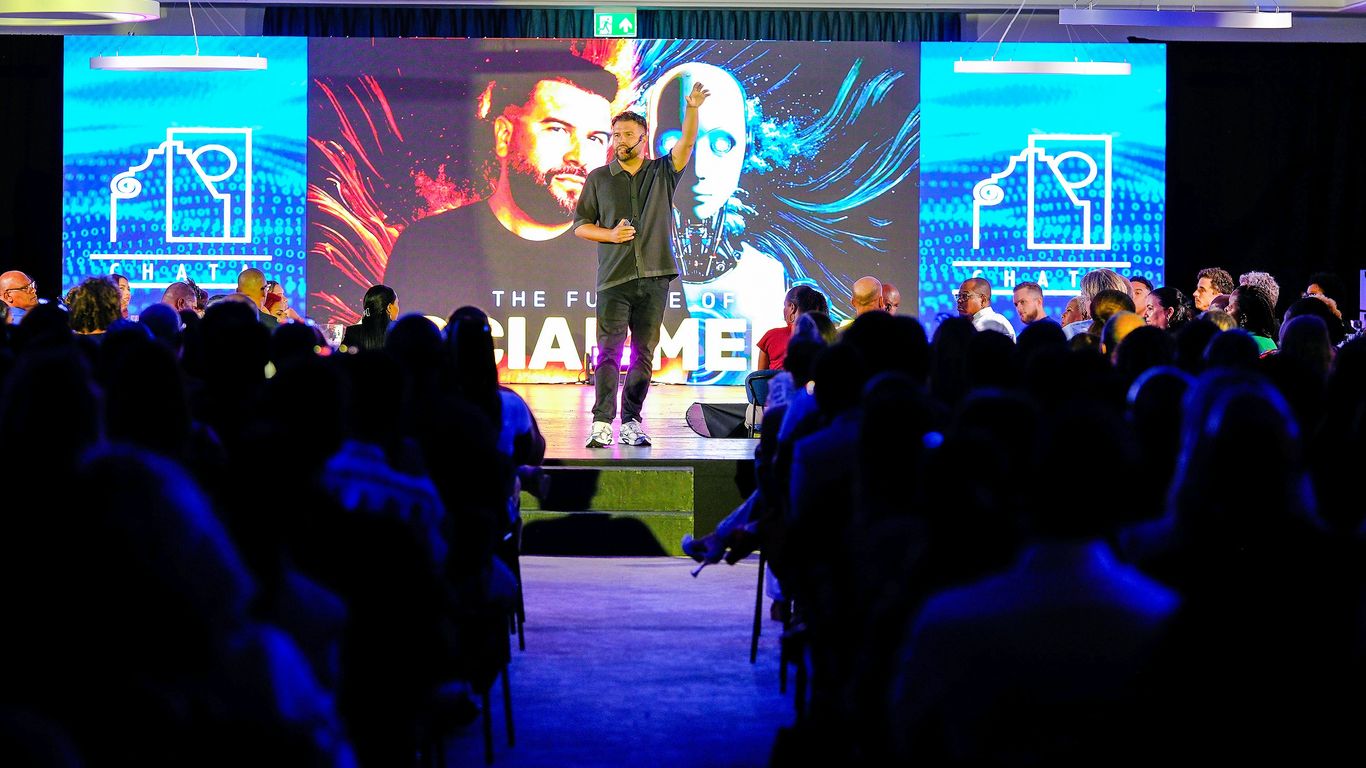
It feels like everywhere you look these days, there’s talk about AI. And honestly, it’s not just hype. Businesses, big and small, are trying to figure out how to actually use this stuff. That’s where you come in. Think about offering consulting services focused on AI, but not just general AI. Get specific. Maybe you help local restaurants automate their ordering system, or perhaps you assist small law firms with managing client data more securely using AI tools. The key is to find a specific problem in a specific industry and offer an AI-based solution.
Many companies just don’t have the in-house talent to figure this out. They’re busy running their actual business, right? So, they need someone like you to come in, understand their needs, and implement AI in a way that makes sense for them. This could mean setting up custom AI tools, automating repetitive tasks like scheduling or customer follow-ups, or even just teaching their staff how to use AI assistants more effectively.
Here are a few areas where AI consulting is really taking off:
- Workflow Automation: Helping businesses streamline tasks like invoicing, lead qualification, and customer service responses.
- Data Analysis & Insights: Using AI to make sense of customer data, sales trends, or operational efficiency.
- Custom AI Tool Development: Building or configuring specific AI applications, like chatbots or predictive models, for unique business needs.
- AI Integration: Connecting AI tools with existing software like CRMs or project management systems.
The real money is in solving a tangible problem that saves businesses time or makes them more money. It’s not about the fancy tech itself, but what that tech can do for them. Plus, with many of these services being remote, you can work with clients from pretty much anywhere. It’s a smart move for 2026 if you’ve got a knack for tech and a good head for business problems.
Sustainable Subscription Box Business
You know, those boxes that show up at your door every month? They’re still a pretty big deal, and honestly, they’re getting smarter. People are tired of just buying stuff; they want things that don’t trash the planet. So, a subscription box focused on being green is a solid idea for 2026.
Think about it: you could curate boxes filled with things like zero-waste beauty products, snacks made from plants, or cleaning supplies that are actually good for your home and the environment. The market for these kinds of goods is growing like crazy. People are looking for convenience, sure, but they also want to feel good about what they’re buying. It’s about making sustainable choices easy and exciting.
What really makes these boxes work is finding a specific group of people with a shared interest. Maybe it’s for people who love to garden without chemicals, or folks who are trying to cut down on plastic in their kitchen. You’d need to find suppliers who are also committed to being eco-friendly. And the unboxing experience? That’s key. Make it feel special, like a little gift to yourself that also happens to be good for the Earth.
Here’s a quick look at what goes into making one successful:
- Niche Down: Don’t try to be everything to everyone. Pick a specific area, like sustainable pet products or eco-friendly baby items.
- Source Smart: Find brands and products that genuinely meet your sustainability standards. Transparency is huge here.
- Build a Brand: Tell the story behind your box and the products you include. People connect with authenticity.
- Logistics Matter: Figure out shipping and packaging that are as green as the products inside. Recycled materials are your friend.
It’s not just about selling products; it’s about building a community around shared values. And with the way things are going, businesses that care about the planet are the ones that are going to stick around.
Digital Product Marketplace for Micro-Niches
Think about all those little things people need, but can’t easily find. That’s where a digital product marketplace for micro-niches comes in. Instead of trying to be everything to everyone, you focus on super specific groups. Maybe it’s printable planners for urban gardeners, or Photoshop templates for wedding photographers, or even Excel spreadsheets for managing a small craft brewery. The key is to find a tiny corner of the market that’s being ignored.
Creating a platform like this means you’re not just selling products; you’re building a community. People who need these specialized digital items often have very particular problems they’re trying to solve. When you provide the exact solution, they tend to stick around. Plus, once a digital product is made, it can be sold over and over without much extra work. That’s the passive income dream, right?
Here’s how you might break it down:
- Identify a Micro-Niche: Look for groups with specific needs that aren’t met by big marketplaces. Think about hobbies, professions, or even life stages.
- Source or Create Products: Find creators who make these niche digital goods, or create them yourself. This could be anything from e-books and guides to software presets and design assets.
- Build the Marketplace: Set up a user-friendly website where buyers can easily find what they need and sellers can showcase their work.
- Market to Your Niche: Use targeted ads and social media to reach the exact people who will benefit from your products.
It’s about being the go-to spot for something very particular. As more people look for specialized digital tools to help them with their work or hobbies, these focused marketplaces are going to do really well.
Remote Team Experience & Retreat Planning Agency
Remote work isn’t just a trend anymore; it’s how many companies operate. But keeping a team connected and motivated when everyone’s scattered can be tough. That’s where a specialized agency for remote team experiences and retreats comes in. Think of it as a professional event planner, but for distributed teams.
These agencies help businesses create meaningful connections and boost morale, whether it’s through virtual team-building activities or in-person getaways. They handle all the details, so the company can focus on what matters: its people.
Here’s what they typically do:
- Virtual Team Building: Organizing online games, escape rooms, trivia nights, or collaborative workshops that encourage interaction and fun.
- Hybrid Event Planning: Designing events that work for both in-office and remote participants, ensuring everyone feels included.
- In-Person Retreats: Planning offsite gatherings, from booking venues and accommodations to arranging activities and catering, all with a focus on team bonding and strategic planning.
- Customized Experiences: Tailoring events to a company’s specific culture, goals, and budget.
The goal is to combat isolation and build a stronger company culture, even when teams aren’t sharing the same physical space. This service is becoming really important for businesses looking to keep their employees happy and engaged, which helps with keeping good people around long-term.
Health & Wellness Micro-Coaching Platforms
It feels like everyone is talking about wellness these days, right? From trying to get more sleep to figuring out what to eat, people are really looking for guidance. That’s where health and wellness micro-coaching platforms come in. Think of them as super-focused coaching services, but online and usually for shorter, specific goals.
Instead of a year-long life coach, you might find someone offering a 30-day program to help you manage stress better, or a coach who specializes only in improving sleep habits. These platforms connect people who need that specific help with coaches who are really good at just that one thing. It’s a smart way to get targeted advice without a huge commitment.
Here’s why this is a good idea for 2026:
- Niche Focus: People want solutions for very specific problems, like "how to eat healthier with a busy work schedule" or "techniques for better focus." Micro-coaching hits these needs directly.
- Accessibility: Online platforms make it easy for anyone, anywhere, to connect with a coach. You don’t need to live in a big city to find specialized help.
- Affordability: Shorter programs or focused sessions are often less expensive than traditional, long-term coaching, making wellness support available to more people.
- Measurable Results: Because the goals are specific and time-bound, clients can often see progress more clearly, which keeps them motivated.
The real win here is the specialization. When you’re looking for help with something as personal as your health, having a coach who truly understands your exact challenge makes a big difference. It’s like going to a specialist doctor instead of a general practitioner for a specific ailment. This trend is definitely picking up steam as people prioritize their well-being.
Creator Economy Management Agency
The creator economy is really taking off, and honestly, it’s kind of wild to see how many people are making a living just by putting themselves out there online. But let’s be real, managing all that can be a full-time job in itself. That’s where a Creator Economy Management Agency comes in. Think of it as a support system for influencers, podcasters, streamers, and anyone else building a brand online. These creators often get swamped with the business side of things – like finding brand deals, sorting out merchandise, or even just keeping up with their content schedule. An agency steps in to handle the operational headaches so creators can focus on what they do best: creating.
What does this actually look like? Well, it’s a mix of things. You might help a YouTuber negotiate contracts for sponsored videos, or maybe you’re setting up an online store for a TikTok star to sell their own products. It could also involve managing social media accounts, planning content calendars, or even helping them figure out how to monetize their audience through things like Patreon or exclusive content. It’s a pretty hands-on role, building relationships and understanding each creator’s unique goals.
Here are some common services an agency might provide:
- Brand Partnership Management: Finding and negotiating deals with companies that align with the creator’s brand.
- Content Strategy & Planning: Helping to map out future content, ensuring a consistent flow and audience engagement.
- Monetization Support: Exploring and implementing various revenue streams, from ad revenue to merchandise and digital products.
- Audience Engagement: Strategies to grow and interact with their follower base.
- Operations & Administration: Handling contracts, invoicing, and other administrative tasks.
Starting an agency like this doesn’t necessarily require a massive upfront investment. A good understanding of digital marketing, social media platforms, and basic business management is key. Building a portfolio by working with a few smaller creators first can be a smart way to get going. As the creator space continues to grow, agencies that manage creators will likely become even more important for those looking to turn their online presence into a sustainable career.
Hyperlocal eCommerce for Underserved Communities
Think about it: a lot of folks in smaller towns or specific neighborhoods don’t always have the same online shopping options as people in big cities. That’s where hyperlocal eCommerce comes in. It’s all about building online stores or delivery services that really get what these specific communities need. We’re talking about things like ethnic groceries that are hard to find elsewhere, or maybe a place for local artisans to sell their crafts.
This approach taps into a huge opportunity because larger companies often miss these smaller, specialized markets. When you focus on a specific area or group, you build serious loyalty. People appreciate having access to goods that fit their culture or hobbies, and they tend to come back again and again. It’s a smart way to get ahead by serving people who are currently overlooked.
Here’s why this is a solid idea for 2026:
- High Customer Loyalty: When you provide products that are relevant and hard to get elsewhere, customers stick around.
- Reduced Competition: Big online retailers often don’t focus on these micro-markets, giving you a clear advantage.
- Community Impact: You’re not just selling products; you’re providing a needed service that strengthens local ties.
- Scalability: You can start small, maybe with a simple website, and grow as you understand your community’s needs better. You could even expand to offer local delivery services, making things even more convenient.
EdTech for Future Skills
The way we learn is changing, and fast. For 2026, there’s a huge opportunity in education technology, or EdTech, specifically focusing on skills that people actually need for the jobs of tomorrow. Think about it: AI, sustainability, and how to work effectively when you’re not in the same room as your colleagues. These aren’t just buzzwords anymore; they’re becoming basic requirements.
Launching an EdTech platform that teaches these future-ready skills is a smart move. We’re talking about online courses, quick bootcamps, or even small certificates that people can earn to show they’ve got the know-how. The demand for upskilling and reskilling is massive. Reports suggest that by 2026, a big chunk of the workforce will need new digital skills. The global e-learning market is also set to grow a lot, reaching over $450 billion this decade. This means there’s plenty of room for new players.
What kind of skills are we talking about?
- AI Literacy: Understanding how AI works, how to use AI tools, and the ethical considerations around it.
- Sustainability Practices: Learning about environmental impact, green technologies, and how businesses can operate more responsibly.
- Remote Collaboration Tools: Mastering the software and techniques for effective teamwork when people are spread out.
- Data Analysis Basics: Getting comfortable with interpreting data to make better decisions.
These platforms can work on a subscription model, offer course bundles, or even partner with companies to train their employees. Building a site with a tool like WebWave can make it easy to get started, even if you’re not a tech wizard. It’s about making learning accessible and directly applicable to the modern workplace. The edtech and smart classrooms market is already booming, and focusing on these specific future skills is a great way to tap into that growth.
Digital Therapeutics & Mental Health Platforms
It feels like everyone is talking about mental health these days, which is a good thing, right? And with that increased awareness comes a real need for accessible support. That’s where digital therapeutics and mental health platforms come in. Think of them as apps or online services that use technology to help people manage their mental well-being.
These platforms aren’t just about offering a listening ear; they’re increasingly built on solid research and evidence. They can provide tools for managing anxiety, depression, stress, or even sleep issues. Some offer guided meditation, others provide cognitive behavioral therapy (CBT) exercises, and some connect users with licensed therapists for virtual sessions. The big draw here is convenience and personalization – getting help when and where you need it.
Here’s a quick look at what these platforms often include:
- Therapeutic Tools: Interactive exercises, journaling prompts, mood tracking, and guided relaxation techniques.
- Telehealth Integration: Secure video or chat sessions with mental health professionals.
- Educational Content: Articles, videos, and courses on mental health topics.
- Community Support: Moderated forums or group sessions for peer connection.
For businesses, this is a growing area. Employers are looking for ways to support their staff’s mental health, and individuals are seeking more private, flexible options. Revenue often comes from subscriptions, either paid by individuals or offered as a benefit by companies. Partnerships with healthcare providers or insurance companies can also be a smart move. It’s a field that’s really taking off, and for good reason.
Smart Home & IoT Integration Services
It feels like every day there’s a new gadget promising to make our homes smarter. From thermostats that learn your schedule to security cameras you can check from your phone, the world of smart home tech is growing fast. But let’s be real, setting all this up can be a headache. That’s where smart home and IoT integration services come in. These businesses help people get their smart devices connected and working together smoothly.
Many homeowners are looking for someone to handle the setup and ongoing support for their connected devices. Think about it: you buy a smart lock, a smart speaker, and maybe some smart lights. You want them to talk to each other, right? A good integration service can make that happen. They can also help with more complex systems, like setting up whole-home automation for energy savings or enhanced security. It’s not just about convenience; for some, especially seniors or those with mobility issues, these systems can really improve daily living and safety. For instance, voice-activated controls or automated lighting can make a big difference. We’re seeing smart home adoption really pick up, with many homes expected to have connected devices soon.
Here’s what these services often include:
- Consultation and Planning: Figuring out what devices you need and how they’ll work together.
- Installation and Setup: Getting all the gadgets installed and connected to your network.
- System Integration: Making sure different brands and types of devices can communicate.
- Troubleshooting and Support: Helping you fix issues when they pop up and offering ongoing maintenance.
- Customization: Tailoring the system to your specific needs, like creating custom routines or scenes.
These services are becoming more important as the technology gets more complex. People want their smart homes to just work, without needing to be a tech expert themselves. Offering specialized support, perhaps focusing on seniors or people with disabilities, could be a smart move for a new business in 2026.
AI Micro-Courses & Online Learning Platforms
The way people learn is changing, and fast. With so many jobs needing new skills, especially digital ones, there’s a big need for quick, focused training. This is where AI micro-courses and online learning platforms really shine. Think short lessons, maybe just a few minutes each, that get straight to the point. These platforms are becoming a go-to for people wanting to upskill without committing to long, drawn-out courses.
AI plays a big role here. It can help create personalized learning paths, so each student gets content that fits their needs. AI tutors can answer questions instantly, making learning feel more like a one-on-one session. This makes the whole experience much more effective and less time-consuming.
Starting one of these businesses is pretty accessible. You don’t need a huge team or a massive budget. The key is to identify a specific skill gap that people need to fill. Maybe it’s a new software tool, a specific marketing technique, or even a coding language. Then, you break that knowledge down into bite-sized lessons.
Here’s a quick look at what makes these platforms work:
- Targeted Content: Focus on a specific skill or tool that’s in demand.
- AI Integration: Use AI for personalized learning, feedback, and support.
- Bite-Sized Lessons: Keep modules short and focused, ideal for busy schedules.
- Flexible Pricing: Offer subscriptions, one-time course purchases, or bundles.
Revenue can come from individuals paying for courses, or you could partner with companies looking to train their employees. The demand for continuous learning is only going to grow, making this a smart area to explore for a new business in 2026.
Online Learning Marketplaces
The way people learn is changing, and online learning marketplaces are right at the center of it. Think about it: instead of just one person teaching one thing, these platforms bring together tons of different teachers and tons of different subjects. It’s like a giant digital library, but you can actually interact with the instructors and other students.
These marketplaces are booming because they make education accessible and flexible for everyone. Whether you’re trying to pick up a new skill for work, learn a hobby, or just curious about something, there’s probably a course for you. The market is growing fast, with projections showing it’ll be worth hundreds of billions soon. This isn’t just about formal education either; people are looking for practical, short courses to help them upskill quickly.
Here’s what makes them work so well:
- Variety: You can find courses on almost anything, from coding and digital marketing to pottery and playing the guitar. This wide selection attracts a lot of different people.
- Flexibility: Learners can study whenever and wherever they want, fitting lessons around their busy lives. This is a big deal for people who can’t commit to a traditional class schedule.
- Community: Many platforms have forums or groups where students can connect with each other and the instructors, asking questions and sharing what they’ve learned.
- Niche Focus: Some marketplaces are starting to focus on really specific topics, like courses for freelance graphic designers or tutorials on using specific software. This helps them attract a dedicated audience.
For businesses, this means a chance to connect with a huge audience. You can host courses from many different instructors, or even create your own specialized content. The key is to find a gap in the market, offer quality courses, and build a strong community around your platform. It’s a smart way to tap into the growing demand for continuous learning.
Senior-Care Services
As more people live longer, the need for services that help seniors stay in their homes is really growing. It’s not just about basic help anymore; it’s about making sure older adults can live safely and with dignity in familiar surroundings. This is a big shift from just thinking about assisted living facilities. Many seniors want to keep their independence, and their families are looking for reliable, local support they can count on. This is where businesses focused on senior care can step in.
Think about the practical things: helping with technology like smartphones or video calls, making sure the home is safe with things like grab bars or better lighting, or even just regular check-ins. Some services might include running errands, coordinating doctor’s appointments, or setting up smart home gadgets that make life easier and safer. These services are often set up as monthly plans, which can provide a steady income for the business and predictable support for families.
Starting a senior-care service doesn’t always need a lot of fancy equipment or a huge team. Often, a clear website explaining what you do, testimonials from happy clients, and easy ways to get in touch are enough to get going. Building trust is key, and being a dependable part of the local community can make a huge difference. It’s a meaningful business that meets a real need, and with the population aging, the demand is only going to keep going up.
Eco-Friendly Product Retailers

It feels like everywhere you look these days, people are talking about being more eco-conscious. And honestly, it’s about time. For a while there, it seemed like convenience always won out, but now, folks are really starting to think about the planet when they shop. This is where eco-friendly product retailers come in. They’re not just selling stuff; they’re offering a way for people to make better choices without sacrificing quality or style.
Think about it: instead of grabbing the cheapest plastic thing you can find, people are looking for items made from recycled materials, bamboo, or organic cotton. They want products that are built to last, or that can be easily repaired or recycled at the end of their life. This shift in consumer mindset is creating a huge opportunity for businesses that can provide these kinds of goods.
What kind of products are we talking about? It’s a pretty wide range:
- Home Goods: Reusable kitchen wraps, natural cleaning supplies, bamboo toothbrushes, recycled paper products.
- Apparel & Accessories: Clothing made from organic fabrics, shoes from recycled materials, bags crafted from sustainable sources.
- Personal Care: Solid shampoo bars, natural deodorants in compostable packaging, reef-safe sunscreen.
- Kids’ Items: Wooden toys, organic cotton baby clothes, eco-friendly art supplies.
Setting up shop can take a few forms. You could focus on a very specific niche, like just sustainable pet products, or you could offer a broader selection. Many successful retailers start online, perhaps on platforms like Etsy or even their own website, to test the waters. It’s a smart way to reach a wide audience without the huge overhead of a physical store right away. You can find some great ethical alternatives to big online marketplaces if you look around on curated lists.
It’s not just about the products themselves, either. Customers are increasingly interested in the story behind the brand. Where are the materials sourced? How are the products made? What’s the company’s commitment to reducing waste or supporting ethical labor practices? Being transparent about these things really helps build trust and loyalty. Plus, using sustainable packaging for shipping is a must. Nobody wants to receive an eco-friendly item in a giant plastic mailer, right?
Personalized Service Providers
In today’s world, people are looking for services that really get them. Generic, one-size-fits-all solutions just don’t cut it anymore. That’s where personalized service providers come in. Think about it: whether it’s a fitness plan tailored just for you, a meal prep service that knows your dietary needs, or even tech support that understands your specific setup, customization is key.
This trend is huge across many industries. For example, in health and wellness, coaches are moving away from generic advice. They’re creating custom programs for weight loss, stress management, or sleep improvement, often mixing online sessions with occasional in-person check-ins. It’s all about making the client feel seen and supported.
Here are a few areas where personalized services are really taking off:
- Customized Health & Wellness Plans: Beyond just fitness, this includes personalized nutrition, mental well-being strategies, and habit-building programs designed for an individual’s lifestyle and goals.
- Bespoke Personal Shopping & Styling: Helping individuals find clothes that fit their style, budget, and body type, sometimes even offering virtual styling sessions.
- Tailored Tech Support: Providing one-on-one help with specific devices, software, or online tasks, especially for those less comfortable with technology.
- Personal Chef Services: Creating custom meal plans and preparing food based on specific dietary restrictions, preferences, and health objectives.
The real win for these businesses is building strong, lasting relationships with clients. When people feel like a service truly understands their unique needs, they’re more likely to stick around and recommend it to others. It’s not just about the service itself, but the feeling of being understood and catered to.
Hybrid Digital-Physical Offerings
It feels like everything is either online or in a store these days, right? But what about businesses that mix both? That’s where hybrid digital-physical offerings come in, and they’re really starting to make sense for a lot of people in 2026. Think about it: you get the convenience of online shopping or booking, but with a real-world touchpoint that makes it feel more solid, more trustworthy.
This isn’t just about having a website for your brick-and-mortar shop. It’s about creating a whole experience that bridges the gap. For example, a local bakery might let you order custom cakes online, pick out the flavors and decorations from digital galleries, and then schedule a tasting session at their shop. Or a fitness studio could offer online classes you stream at home, but also have in-person workshops or one-on-one sessions available for those who want that direct connection.
Here are a few ways this is playing out:
- Personalized Product Customization: Customers design or select products online, then pick them up or have them fitted in a physical location. This works for things like custom-fit clothing, bespoke furniture, or even personalized tech gadgets.
- Service Booking & In-Person Delivery: Many services are moving this way. You book a consultation with a financial advisor or a therapist online, and then meet them in their office. Or you might order a specialized repair service online and have a technician come to your home.
- Experiential Retail: Stores are becoming more than just places to buy things. They’re becoming destinations. A bookstore might host author talks you can sign up for online, or a craft store could offer in-person workshops that you register for through their app.
The real win here is building a stronger connection with your customers. When you offer both digital ease and a tangible, real-world interaction, you create more opportunities for trust and loyalty. It’s about giving people choices and making your business accessible in ways that fit their lives, whether they’re on their couch or out and about.
Platforms for Micro-Entrepreneurs
Starting a business can feel overwhelming, especially when you’re just getting going. That’s where platforms designed for micro-entrepreneurs really shine. These aren’t huge, complicated systems; they’re more like specialized toolkits that help individuals or very small teams launch and manage their own ventures without needing a massive budget or a team of developers. Think of them as a launchpad for your big idea, but on a smaller, more manageable scale.
These platforms often focus on specific needs, like selling digital products or offering niche services. For instance, you might find a platform that makes it super easy to create and sell e-books, templates, or online courses. The beauty here is that once you create the product, you can sell it over and over again. It’s a great way to make money without dealing with inventory or shipping. Some popular areas for these digital products include productivity tools like Notion or Canva templates, or even simple legal document kits for freelancers. People are always looking for ways to save time, and these downloadable solutions really hit the mark.
Another big area is micro-SaaS, which stands for Software as a Service. Instead of building a massive software suite, you create a small, focused application that solves one specific problem for a particular group of people. For example, a real estate agent might need a simple tool to manage open house sign-ins, or a therapist might need a secure way to schedule appointments. These micro-SaaS products are often built using no-code or low-code tools, making them accessible even if you’re not a programmer. The subscription model means you get regular income, which is pretty sweet for business owners. It’s all about finding a small pain point and creating a straightforward solution for it.
Sustainability Consulting
More and more, businesses are realizing they can’t just keep doing things the old way. Consumers are paying attention to where products come from and how they’re made, and governments are starting to put rules in place. That’s where sustainability consulting comes in. It’s not just about being ‘green’ anymore; it’s about smart business.
Think about it: companies need help figuring out how to reduce waste, use less energy, or find better materials. They might not know where to start, or they might be worried about the cost. A consultant can come in and lay out a plan. This involves looking at a company’s whole operation and finding ways to make it more eco-friendly without tanking their profits.
Here’s a look at what a sustainability consultant might help with:
- Waste Reduction: Figuring out how to cut down on trash, recycle more effectively, or even reuse materials.
- Energy Efficiency: Identifying ways to use less power, whether it’s through better equipment, smarter building design, or switching to renewable sources.
- Supply Chain Analysis: Examining where materials come from and how they get to the company, looking for more ethical and environmentally sound options.
- Compliance and Reporting: Helping businesses understand and meet new environmental regulations and report on their progress.
It’s a growing field because companies that get this right often find they save money in the long run, attract more customers who care about these issues, and generally build a better reputation. Plus, with new rules coming out, many businesses just need someone to guide them through the changes.
ESG-Oriented Service Providers
In 2026, businesses that focus on Environmental, Social, and Governance (ESG) principles are not just a trend; they’re becoming a necessity. Consumers and investors alike are paying closer attention to how companies operate, pushing for more responsible practices. This shift opens up a lot of opportunities for service providers who can help other businesses align with these values.
Think about it: many companies want to do better, but they don’t always know where to start. That’s where you come in. You can offer services that guide them through the complexities of ESG. This could involve helping them measure their carbon footprint, develop fairer labor practices, or improve their corporate governance. The demand for genuine, impactful ESG integration is growing fast.
Here are a few areas where ESG-oriented service providers can really make a difference:
- Sustainability Reporting: Helping companies compile and report their environmental and social impact data in a clear, standardized way. This is becoming a big deal for compliance and investor relations.
- Ethical Supply Chain Auditing: Checking if a company’s suppliers are meeting ethical and environmental standards. This is key for brand reputation and risk management.
- Diversity, Equity, and Inclusion (DEI) Strategy: Developing and implementing programs to make workplaces more inclusive and equitable. This isn’t just about fairness; it’s also about attracting and keeping talent.
- Circular Economy Consulting: Advising businesses on how to reduce waste and reuse materials, moving away from a ‘take-make-dispose’ model.
Starting an ESG service business doesn’t necessarily require a huge upfront investment. Often, your knowledge and ability to translate complex ESG concepts into actionable steps for clients are the most important assets. A well-designed website showcasing your services and case studies can be a great starting point. As businesses increasingly prioritize sustainability and social responsibility, your expertise will be in high demand.
Remote Work Support Services
The shift to remote work isn’t just a trend; it’s a fundamental change in how many businesses operate. While the flexibility is great, it also brings a whole new set of challenges that companies, especially smaller ones, are struggling to manage. This is where remote work support services come in. Think of it as a virtual helping hand for businesses and their employees who are navigating the complexities of working from anywhere.
These services aim to smooth out the rough edges of remote operations, making things more efficient and less stressful for everyone involved. For businesses, this can mean help with setting up proper remote onboarding processes for new hires. It’s not just about sending a laptop; it’s about integrating them into the company culture and ensuring they have the tools and knowledge to succeed from day one. Many companies, particularly startups or those without a dedicated HR department, find this incredibly difficult to do effectively on their own. They need structured programs, clear documentation, and ways to keep new team members engaged.
Beyond onboarding, there’s a growing need for ongoing support. This could include:
- Virtual HR Assistance: Helping with remote employee policies, compliance, and general HR questions that pop up.
- Tech Support & Setup: Assisting remote employees with their home office tech, from setting up printers to troubleshooting video conferencing issues.
- Team Building & Engagement: Creating virtual activities or strategies to help remote teams feel connected and motivated, combating the isolation that can come with working alone.
- Skill Development: Offering online training or reskilling programs to help employees adapt to new tools or roles, especially as AI and automation become more common.
Many of these services can be offered on a retainer basis, providing businesses with consistent support without the overhead of hiring full-time staff. It’s a practical solution for a modern work environment, addressing real pain points that companies are facing right now.
Freelance Platforms
The gig economy isn’t slowing down, and freelance platforms are becoming even more important for connecting people with work. These online spaces act as bridges, bringing together businesses that need specific tasks done and talented individuals ready to do them. It’s a pretty straightforward idea, really: if you need a logo designed, a blog post written, or some code fixed, you can find someone on these sites. The real magic is in how they streamline the whole process, from finding talent to getting paid.
Think about it – instead of spending ages searching job boards or relying on word-of-mouth, you can post a project and get proposals from professionals all over the world. This is especially true for specialized skills. For instance, platforms like Upwork have professionals for almost anything you can imagine, from digital marketing to virtual assistance.
Here’s a quick look at what makes these platforms so useful:
- Access to Global Talent: You’re not limited by geography. Find the best person for the job, no matter where they are.
- Variety of Skills: From short-term gigs to long-term projects, there’s a platform for every need.
- Streamlined Payments: Secure payment systems mean you can pay freelancers with confidence.
- Project Management Tools: Many platforms offer built-in tools to help manage your projects and communication.
As we move further into 2026, these platforms are adapting too. We’re seeing more AI integration to help match clients with the right freelancers faster, and better tools for managing remote teams. It’s a dynamic space that keeps evolving to meet the needs of modern work.
Content Creation Services
In today’s digital world, businesses of all sizes are scrambling to get their message out there. And that’s where content creation services come in. Think of it as being the voice and visual storyteller for companies that either don’t have the time, the skills, or maybe just the inclination to do it themselves. It’s a pretty broad field, honestly, covering everything from writing blog posts to shooting and editing videos.
The core idea is simple: help businesses connect with their audience through engaging material. This isn’t just about churning out words or pictures; it’s about understanding a brand’s goals and translating them into content that actually works. For example, a local bakery might need mouth-watering photos of their pastries for Instagram, while a tech startup might need clear, concise articles explaining their new software. Both require different approaches, but both fall under the content creation umbrella.
Here’s a look at some of the key areas within content creation services:
- Written Content: This includes blog posts, website copy, social media updates, email newsletters, and even longer-form pieces like white papers or e-books. Copywriting, specifically for ads and sales pages, is a big one. Many businesses are also leaning into AI tools to help speed up the writing process, but human oversight for quality and brand voice is still super important.
- Visual Content: This is huge. We’re talking about photography (product shots, lifestyle images, event coverage), graphic design (logos, social media graphics, infographics), and video production (short-form social videos, explainer videos, promotional clips). The demand for authentic, user-generated content (UGC) style videos is particularly high right now, as they often perform better in ads.
- Audio Content: While maybe not as common as written or visual, podcast production and audio editing are also part of the mix. Businesses are increasingly using podcasts to build authority and connect with their audience on a different level.
Starting a content creation service doesn’t always require a massive investment. Often, a good laptop, some basic software, and a strong portfolio are enough to get going. Building that portfolio might mean taking on smaller projects or even doing some pro-bono work initially to showcase your abilities. The key is to be adaptable and ready to meet the diverse needs of clients in this ever-evolving digital landscape.
Design Services
In today’s visually driven world, strong design is no longer a luxury; it’s a necessity for businesses looking to stand out. Whether you’re a small startup or an established company, professional design services can make a huge difference in how you’re perceived. Think about it – a well-designed logo, a clean website, or eye-catching social media graphics can grab attention and build trust. This is where specialized design agencies and freelance designers come in, offering a range of services to meet diverse needs.
Many businesses are realizing they don’t need a full-time, in-house design department. Outsourcing these tasks can be more cost-effective and often brings in fresh perspectives. Services can range from creating a complete brand identity, including logos and color palettes, to producing specific assets like social media posts, website banners, or even explainer videos. The demand for these services is really picking up, especially with the constant need for new content across platforms. It’s a field where you can start with minimal overhead, often using free or low-cost software, and scale up as your client base grows. Many designers are finding success by offering packages that bundle several services, like graphic design paired with basic content creation. This approach helps small businesses get a consistent look and feel across all their marketing efforts without breaking the bank.
Here are some common design service areas:
- Branding and Identity: Developing logos, color schemes, typography, and overall brand guidelines.
- Web and UI/UX Design: Creating user-friendly and visually appealing websites and digital interfaces.
- Marketing Collateral: Designing brochures, flyers, presentations, and other promotional materials.
- Social Media Graphics: Producing engaging visuals for platforms like Instagram, Facebook, and LinkedIn.
- Illustration and Iconography: Creating custom graphics for websites, apps, or publications.
With the rapid evolution of digital trends, staying current is key. Exploring the leading web design trends for 2026 can give you a good idea of what clients are looking for. The ability to adapt and incorporate new styles, like immersive 3D visuals or AI-assisted design elements, will be a big plus for any design service provider in the coming years.
Marketing Services
In today’s crowded digital landscape, getting your business noticed is tougher than ever. That’s where marketing services come in. Think of them as your secret weapon to cut through the noise and connect with the right people. Businesses are increasingly looking to outsource their marketing efforts to specialists who can really make them shine online.
There are a bunch of ways to go about this. You’ve got your social media managers who live and breathe platforms like Instagram and TikTok, creating content that actually gets seen and shared. Then there are copywriters, the wordsmiths who craft compelling text for websites, ads, and emails. And let’s not forget SEO experts, the wizards who help businesses rank higher on Google so potential customers can find them easily. Many small and midsize companies just don’t have the in-house know-how, so they turn to these pros.
Here are some of the key areas where marketing services are booming:
- Social Media Management: Helping businesses build and engage their online communities.
- Content Creation: Writing blog posts, website copy, ad creatives, and email sequences.
- Search Engine Optimization (SEO): Improving website visibility in search results.
- Paid Advertising Management: Running and optimizing ad campaigns on platforms like Google and Facebook.
- Email Marketing: Developing strategies to connect with customers via email.
Starting a marketing service can be pretty accessible. You don’t always need a fancy degree. Often, a good portfolio showcasing your skills and a solid understanding of digital tools is enough. Many freelancers start with just a laptop and build their client base through networking and online platforms. For those looking to offer a full suite of services, exploring leading premium marketing agencies in the USA for 2026 might give you some ideas on how to structure your own business. The demand for skilled marketing professionals is only going to grow as more businesses realize they need a strong online presence to succeed.
Assistive Technology Providers
It feels like technology is moving so fast these days, right? For a lot of folks, especially older adults or people with disabilities, keeping up can be a real challenge. That’s where assistive technology providers come in. They’re basically the helpful guides who make sure everyone can use the tech that makes life easier and safer.
Think about it: simple things like setting up a video call with grandkids, using a smartphone for online banking, or even just getting a telehealth appointment to work smoothly. These providers help with all of that. They can also help make homes safer. This might mean installing grab bars in the bathroom, improving lighting so people can see better, or just doing a check to prevent falls. Some businesses even offer regular check-ins, like weekly visits or calls, just to make sure everything’s okay and to remind people about their medications.
Here are some common services you might find:
- Basic Tech Help: Assistance with smartphones, tablets, computers, and using apps for communication or services.
- Home Safety Modifications: Installing devices like automatic lighting, fall detectors, or accessibility aids.
- Smart Home Setup: Configuring devices that can be controlled remotely for convenience and security, like smart locks or thermostats.
- Telehealth Support: Helping individuals connect to and use virtual doctor’s appointments.
- Errand & Appointment Coordination: Assisting with scheduling and managing appointments or tasks.
These services are becoming more important as people want to stay independent in their own homes for longer. It’s a business that can start pretty small, maybe just helping out a few neighbors. You can grow it by offering monthly plans, which families often prefer to pay for. Building trust is key, so having a simple website that clearly explains what you do and shows happy customer stories is a good idea. It’s a meaningful way to help your community while building a steady business.
Wrapping It Up
So, we’ve looked at some pretty interesting business ideas for 2026. It’s clear that things are changing fast, especially with technology like AI and the big push for greener options. Whether you’re thinking about tech services, sustainable products, or something totally new, the key seems to be staying flexible and really listening to what people need. Starting early, like in 2025, gives you a real edge to figure things out and get ahead. Don’t be afraid to test your ideas and adapt as you go. The future is open, and there are definitely opportunities out there for those ready to jump in.