
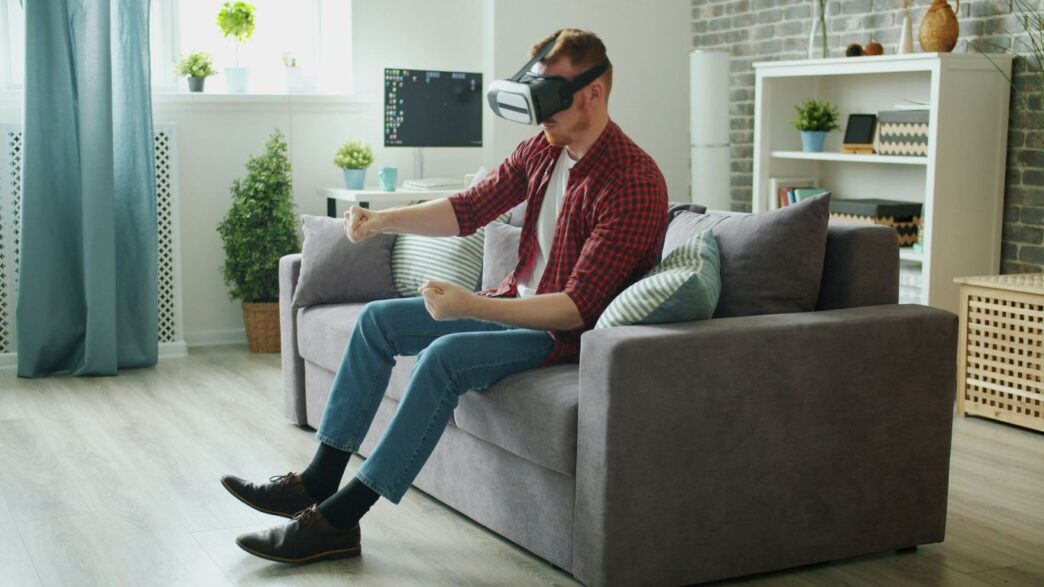
Ever wonder what it would be like to have digital stuff pop up in your real world? Like, imagine seeing a dragon fly over your house or playing a game where you have to find virtual creatures hiding in your neighborhood. That’s kind of what augmented reality, or AR, is all about. It’s not about escaping to a totally new digital place like virtual reality (VR) does. Instead, AR adds digital things to the world you already see. This guide is going to walk you through what AR is, how it got here, and what cool games with augmented reality you can play right now.
Key Takeaways
- Augmented Reality (AR) adds digital elements to your real-world view, unlike Virtual Reality (VR) which completely replaces it.
- AR technology has grown a lot, especially with smartphones and tools like ARKit and ARCore making it easier to create.
- Games like Pokémon GO are famous examples of games with augmented reality, letting you interact with digital characters in physical spaces.
- You can experience AR through everyday devices like smartphones and tablets, or with more advanced AR headsets.
- The future of AR suggests even more blended experiences where digital and physical worlds interact in new ways.
Understanding Augmented Reality Gaming
So, what exactly is augmented reality gaming? It’s basically about blending the digital world with the one you’re actually standing in. Think of it like this: instead of being completely shut off in a made-up world like with virtual reality, AR adds digital stuff – like characters, information, or game elements – right on top of what you can already see around you. This makes the game feel like it’s happening in your own living room, backyard, or even on the street.
Augmented Reality vs. Virtual Reality
It’s easy to get AR and VR mixed up, but they’re pretty different. VR completely replaces your reality with a digital one. You put on a headset, and bam, you’re somewhere else entirely. AR, on the other hand, just adds to your reality. It’s like putting digital stickers on the real world.
Here’s a quick breakdown:
- Virtual Reality (VR): Creates a totally new, digital environment. You’re fully immersed and cut off from the real world.
- Augmented Reality (AR): Overlays digital elements onto your real-world view. You still see and interact with your surroundings.
The Virtuality Continuum
Think of reality as a spectrum. On one end, you have pure reality – just your normal world. On the other end, you have pure virtual reality – a completely computer-generated world. AR sits somewhere in the middle, and there’s even something called Mixed Reality (MR) which is a bit more advanced, where digital objects can actually interact with your real environment. For example, a virtual ball might bounce off your actual coffee table.
Core Technologies Powering Immersion
Making AR games work takes a bunch of tech working together. You’ve got:
- Sensors: Things like cameras, GPS, and accelerometers in your phone or headset help the game understand where you are and what’s around you.
- Software: This is the brain that processes all that sensor data, figures out how to place digital objects, and makes them look like they belong in your world.
- Displays: Whether it’s your phone screen or special AR glasses, this is how you see the digital stuff layered onto reality.
It’s this combination that lets you see a digital dragon perched on your actual bookshelf or a virtual character running across your real floor.
The Evolution of AR Gaming
Augmented reality gaming hasn’t just appeared out of nowhere; it’s got a history, like most cool tech. It’s a journey from clunky, experimental setups to the slick apps we use today.
Early Innovations and Milestones
Way back in the 1960s, folks were already tinkering with ways to overlay digital stuff onto what you could see. Ivan Sutherland’s "Sword of Damocles" system, though super basic by today’s standards, was a big deal. It was one of the first times someone strapped a computer display to their head to see computer graphics mixed with the real world. Fast forward to the 1980s, and companies like Boeing started using AR for practical stuff, like helping workers assemble complicated machinery by showing them digital instructions right on the parts. This practical application showed AR wasn’t just a sci-fi dream, but something that could actually help people do jobs better. The term "augmented reality" itself was coined in 1990, marking a more formal start to the field. These early days were all about industrial and military uses, slowly building the foundation for what was to come.
The Impact of Mobile AR
The real game-changer for AR, especially for games, came with smartphones. Suddenly, everyone had a powerful little computer with a camera and sensors in their pocket. This opened the floodgates for AR applications that didn’t need expensive, specialized equipment. Think about the early 2000s; mobile tech started making AR accessible. Apps began using phone cameras to show digital info on top of the real world. This was a huge leap from the bulky headsets of the past. It meant AR could reach a much wider audience, not just researchers or big companies. This shift made AR feel more personal and accessible, paving the way for more playful uses.
The Rise of ARKit and ARCore
Things really kicked into high gear with the introduction of development platforms like Apple’s ARKit and Google’s ARCore. These tools made it way easier for developers to create sophisticated AR experiences. Before ARKit and ARCore, building AR apps was a complex process, often requiring deep technical knowledge. These platforms simplified things by providing ready-made tools for tracking the environment, understanding surfaces, and placing virtual objects realistically. This led to an explosion of new AR games and applications. Games like Pokémon GO became massive hits, showing the world just how engaging AR gaming could be when the technology was made more accessible to developers and players alike. The ability to accurately map and interact with the real world in real-time transformed what was possible for AR entertainment.
Popular Games with Augmented Reality
Catching Pokémon in the Real World
When you think about augmented reality games, one title probably jumps to mind almost immediately: Pokémon GO. It really took the world by storm back in 2016, and honestly, it hasn’t really gone away since. The game uses your phone’s GPS and camera to put virtual Pokémon right into your neighborhood, parks, and city streets. It was a game-changer, showing millions of people how AR could be fun and accessible. You’d literally walk around, phone in hand, trying to find and catch these digital creatures. It wasn’t just about the game itself; it got people outside, exploring their local areas, and interacting with others who were also on the hunt. It’s a prime example of location-based AR, blending the digital world with our physical surroundings in a way that felt totally new and engaging.
Exploring Other AR Gaming Experiences
While Pokémon GO might be the most famous, it’s far from the only AR game out there. There are tons of other experiences that use augmented reality to make gaming more interactive. Think about games like Zombies, Run!, which turns your daily jog into a mission to escape the undead, using your real-world location to guide you. Or Harry Potter: Wizards Unite, where you’d cast spells and find magical creatures in your own backyard. These games often use your phone’s camera and sensors to place digital elements into your environment, making you feel like you’re really part of the action. It’s pretty cool how these apps can transform mundane walks into exciting adventures. You can find a whole list of these titles if you want to see what else is out there for AR gaming.
The Future of AR Entertainment
What’s next for AR in gaming? Well, it’s only going to get more interesting. As the technology gets better, we’re seeing more sophisticated ways to blend digital content with reality. Imagine games that react more deeply to your environment, or experiences that involve more players interacting in shared physical spaces. We’re also seeing dedicated AR headsets and glasses start to become more common, which could lead to even more immersive gameplay that’s not tied to just holding a phone. The possibilities are pretty wide open, and it feels like we’re just scratching the surface of what AR entertainment can become. It’s exciting to think about how these games will continue to evolve and change how we play.
Hardware for Immersive Gaming
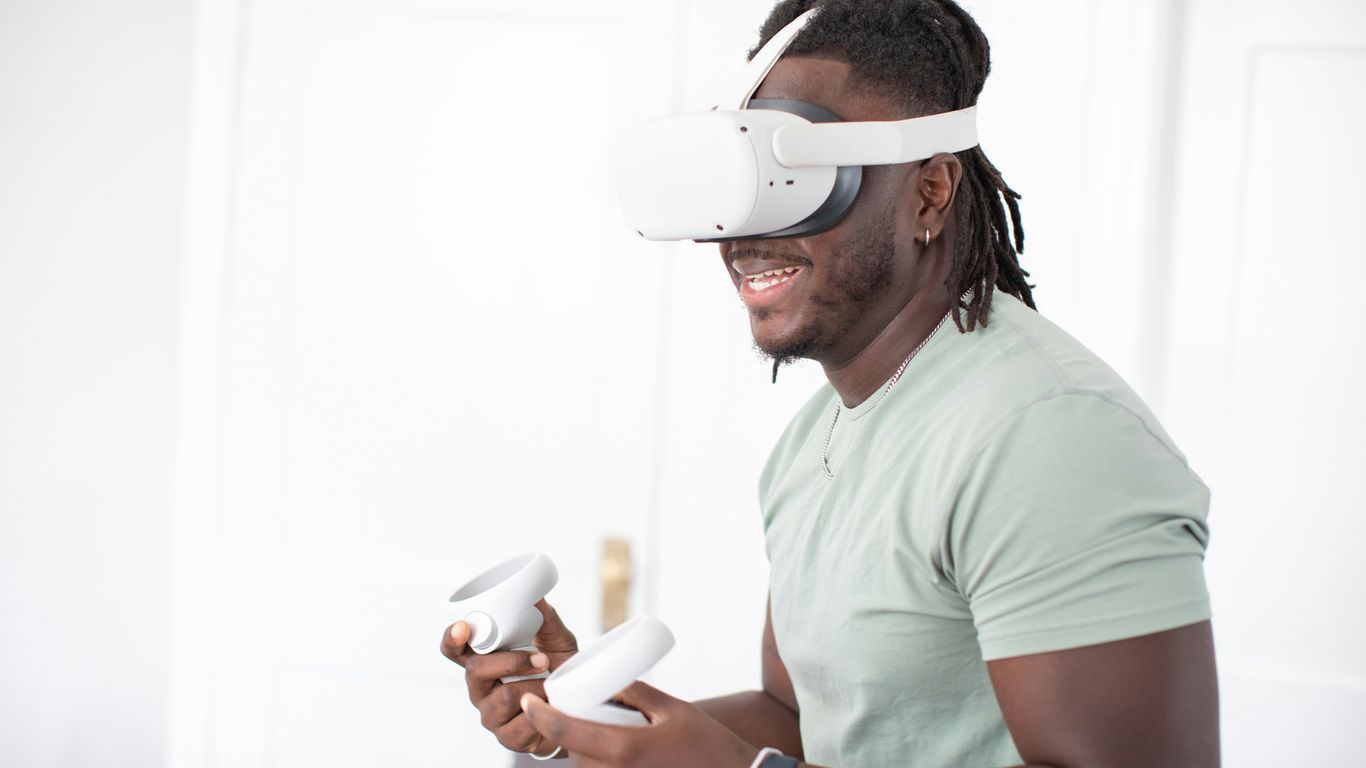
So, you want to jump into these amazing augmented reality games, right? Well, you’re going to need some gear. It’s not just about having a cool idea; the hardware is what actually makes the magic happen, blending the digital world with the one you’re standing in. The right hardware is key to making AR gaming feel truly immersive and not just like you’re looking at a screen.
Smartphones and Tablets as AR Portals
Let’s be real, most of us already have our entry ticket to AR gaming sitting in our pockets or on our desks. Smartphones and tablets are the most common way people experience AR right now. They’ve got cameras to see the world and sensors like accelerometers and gyroscopes to figure out where they are and how you’re moving them. Think about games like Pokémon GO – you’re literally walking around your neighborhood, phone in hand, seeing Pikachu pop up on your street. It’s pretty neat, and the fact that these devices are so common means AR gaming is already accessible to a huge number of people. Plus, with how powerful phones are getting these days, they can handle some pretty complex AR experiences without needing extra stuff.
Dedicated AR Headsets and Glasses
Now, if you want to go a step further, there are dedicated AR headsets and glasses. These are designed specifically for augmented reality, aiming to give you a much more integrated experience than just holding up a phone. Devices like Microsoft’s HoloLens, for example, let you see digital objects overlaid onto your view of the real world without having to hold anything. They often use advanced display tech, like waveguides, to project images directly into your line of sight. This means your hands are free, which opens up a whole new world of gameplay possibilities. While they’re not as common as phones yet, and can be a bit pricey, these devices are where the future of truly immersive AR gaming is heading. For a look at some top-tier immersive tech, you might check out the Valve Index if you’re curious about high-end VR, which shares some display and tracking tech principles.
The Role of Sensors and Displays
No matter what device you’re using, the display and the sensors are doing the heavy lifting. The display is what shows you the digital stuff, and it needs to be clear and responsive. For AR, this often means transparent displays or clever optics that let you see the real world while digital elements are superimposed. Then there are the sensors. Cameras are super important for AR; they let the device ‘see’ your environment, recognize surfaces like tables or walls, and understand where digital objects should be placed. GPS helps anchor things to specific locations, and motion sensors track your movement. All these pieces have to work together perfectly. It’s a complex dance between seeing the world, understanding it, and then adding digital layers onto it. The better these components are, the more believable and engaging your AR gaming experience will be.
Developing Your Own AR Game
So, you’ve played a bunch of augmented reality games and now you’re thinking, ‘Hey, I could make something like this!’ That’s awesome! It’s totally possible to jump into AR game development, even if you’re not a seasoned pro. The tools available today make it way more accessible than you might think.
Game Engines for AR Development
When you’re looking to build an AR game, you’ll want to start with a solid game engine. These are like the workshops for game creators, providing all the tools you need to bring your ideas to life. Two big players in this space are Unity and Unreal Engine. They’re super popular because they offer a ton of free resources, especially for 3D stuff, which is pretty important for AR. They also have frameworks that help you work with both Apple’s ARKit and Google’s ARCore, meaning your game can run on both iPhones and Android devices without a ton of extra work. It’s a big help when you’re just starting out and want to get your game onto various platforms.
Creating Interactive Digital Content
Building the actual game content involves a few key steps. You’ll need to think about how players will interact with your game in the real world. This means designing digital objects that look good and behave realistically when placed in a physical space. You’ll also need to consider how the game will react to the player’s movements and the environment around them. For instance, if a virtual character needs to hide behind a real-world couch, the game engine needs to understand where that couch is. This is where features like motion tracking and scene understanding come into play, allowing digital elements to interact with your surroundings.
Challenges in AR Game Design
While it’s exciting, AR game development isn’t without its hurdles. One of the main things to consider is how to make the game feel natural and not just like a digital overlay. You want players to feel like the game is truly part of their world. Another challenge is device compatibility; not everyone has the latest phone with all the fancy sensors. You also have to think about battery life – AR can be a real power hog! Plus, making sure your game works well in different lighting conditions and on various surfaces can be tricky. It takes a good amount of testing and tweaking to get it just right.
The Future of Games with Augmented Reality
So, where are AR games headed? It’s pretty exciting stuff, honestly. We’re not just talking about pointing your phone at a park to find a virtual creature anymore, though that’s still fun. The tech is getting way better, and that means games are going to feel more real and more integrated into our lives.
Advancements in AR Technology
Think about the hardware. Those bulky headsets? They’re getting smaller, lighter, and way more comfortable. We’re looking at glasses that are almost like regular eyewear, but they can overlay digital information onto what you’re seeing. Plus, the processing power is getting insane. Games will run smoother, look sharper, and react faster. We’re also seeing improvements in how these devices understand your surroundings. They’ll map rooms, recognize objects, and interact with the real world in much more sophisticated ways.
- Lighter, more stylish AR glasses: Moving beyond clunky headsets to everyday wear.
- Improved spatial mapping: Devices understanding your environment with greater detail.
- Faster processing: Allowing for more complex and responsive game worlds.
- Better battery life: So you can play for longer without needing a charge.
New Gameplay Possibilities
With better tech comes totally new ways to play. Imagine games that use your actual home as the game board, with characters interacting with your furniture. Or multiplayer games where you and your friends are in the same physical space but interacting with a shared digital world. We might see games that adapt to your mood or your surroundings, making each play session unique. It’s not just about adding digital things to the real world; it’s about making the digital and real worlds work together in interesting ways.
Here are a few ideas brewing:
- Persistent AR Worlds: Digital elements that stay in place in your environment even when you’re not playing.
- Context-Aware Games: Games that change based on your location, time of day, or even the weather.
- AI-Driven NPCs: Virtual characters that can have more natural conversations and interactions with you.
The Blurring Lines Between Play and Reality
This is where it gets really interesting, and maybe a little weird. As AR gets better, it’s going to be harder to tell where the game ends and reality begins. You might be walking down the street, and a digital character pops up to give you a quest, or you might be in a meeting, and a virtual whiteboard appears for collaboration. The goal is to make these digital overlays feel like a natural part of your experience, not something separate. This could change how we work, learn, and socialize, not just how we play games. It’s a big shift, and we’re only just starting to see what it means.
The Future is Now, and It’s All Around You
So, we’ve looked at what AR is and how it’s changing things. It’s pretty wild to think about how much this tech has grown, from those early days to what we have now. Whether you’re trying out a new game that puts monsters in your backyard or using an app to see how furniture looks in your living room, AR is already here. It’s not just for playing around, either. It’s helping people learn, do their jobs better, and even get medical help. The way we interact with the world is changing, and AR is a big part of that. It’s exciting to see what comes next as these digital layers become even more a part of our everyday lives.
Frequently Asked Questions
What’s the main difference between AR and VR?
Think of it like this: VR completely takes you to a new, digital world, like stepping into a video game. AR, on the other hand, adds digital stuff to the real world you’re already in. So, with AR, you might see a virtual dragon in your backyard, but you can still see your actual house.
Do I need special gear to play AR games?
Not always! Many popular AR games, like Pokémon GO, can be played using just a smartphone or tablet. The camera on your device lets the game see the real world and place virtual things in it. Some advanced AR experiences might use special glasses, but a phone is often all you need to start.
Is AR just for games?
Nope! While AR is super fun for games, it’s used for lots of other things too. Imagine seeing how furniture would look in your room before buying it, or a doctor seeing a patient’s X-ray right on them during surgery. It’s also used in education to make learning more exciting.
How does AR know where to put virtual objects?
AR uses your device’s camera and sensors, like the ones that know if you’ve tilted your phone. Special software then analyzes what the camera sees – like walls, tables, or floors – and uses that information to figure out the best place to put virtual objects so they look like they’re really there.
Will AR games get more realistic in the future?
Definitely! Technology is always improving. We’re seeing better graphics, more accurate tracking of your movements, and even ways to feel virtual things. As AR gets more advanced, the digital elements will blend even more smoothly with the real world, making experiences feel super real.
Can I create my own AR game?
Yes, you can! There are tools and programs called ‘game engines’ that help people build AR experiences. While it can be tricky to make something really complex, many resources are available to help beginners learn how to create their own interactive digital content for AR.