So, you’re probably wondering if that little Oura Ring on your finger can actually tell you your blood pressure. It’s a common question, especially with all the health tech out there these days. While the ring is pretty good at tracking a lot of things, like your sleep and heart rate, the answer to does Oura ring measure blood pressure isn’t a simple yes or no right now. Let’s break down what Oura is doing and what it can do for you.
Key Takeaways
- Currently, the Oura Ring does not measure blood pressure directly.
- Oura is actively researching and developing a blood pressure monitoring feature.
- A new study, the Blood Pressure Profile Study, is underway to gather data for this feature.
- The goal is to eventually detect risks of chronic high blood pressure and seek FDA approval.
- Oura Ring focuses on holistic health tracking, including sleep, activity, stress, and cardiovascular metrics like heart rate and HRV.
Does Oura Ring Measure Blood Pressure?
So, the big question on a lot of people’s minds is whether the Oura Ring can actually measure your blood pressure. Right now, as of early 2026, the answer is no, not directly. The Oura Ring doesn’t have a built-in blood pressure monitor like some other devices are starting to explore.
Oura’s Future Blood Pressure Monitoring Plans
Oura is definitely looking into this, though. They’ve announced plans to develop a blood pressure monitoring feature for their smart rings. It’s still in the early stages, but they’re planning to ask some Oura users to help out with research.
The Blood Pressure Profile Study
This research phase is called the "Blood Pressure Profile study." It’s expected to kick off in the coming months. They’ll be asking selected users for information about their heart health. This includes things like lifestyle habits, any medications they’re taking, and their family medical history. The goal is to gather enough data to build a feature that can potentially spot risks associated with high blood pressure.
FDA Approval and Hypertension Risk Detection
Oura’s long-term aim is to create a feature that can detect the risk of chronic high blood pressure. If they can develop this, they plan to submit it to the FDA for approval. It sounds like they’re aiming for something similar to how newer Apple Watch models can alert users to potential hypertension risks. Dr. Ricky Bloomfield, Oura’s chief medical officer, mentioned that by combining research with real-world data, they can spot early patterns that might be missed in regular doctor visits. This study is a big step towards turning scientific findings into practical advice for users, helping them understand how small daily changes can affect their health over time.
Understanding Oura Ring’s Current Health Tracking Capabilities
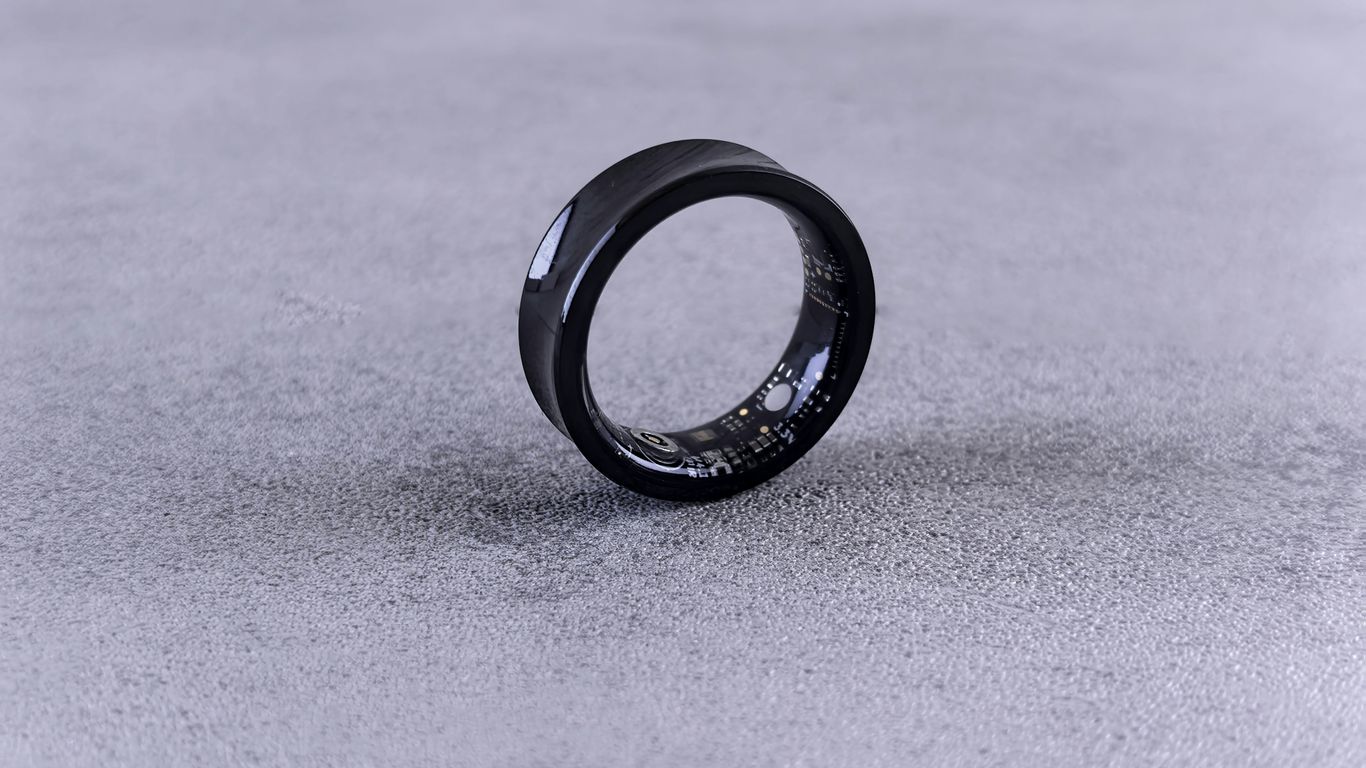
So, what exactly can the Oura Ring tell you about your health right now? It’s more than just a sleep tracker, that’s for sure. Oura aims to give you a complete picture of what’s going on with your body, not just in isolated bits. It looks at your sleep, how active you are, and how ready you feel for the day ahead, all rolled into three main scores.
Holistic Health View Beyond Sleep
Oura doesn’t just focus on one thing. It takes a 360-degree look at your wellbeing. Think of it like this: instead of just knowing how much you slept, you also see how that sleep might affect your energy levels for the day, or how your activity impacts your recovery. It connects different parts of your health story, like how late meals might affect your blood sugar or how stress plays a role in how well you recover overnight. It’s all about seeing how your daily habits connect to your longer-term health.
Key Metrics Tracked by Oura Ring
The ring tracks a bunch of different things, which then feed into those main scores. Here’s a quick rundown of what it monitors:
- Sleep: It breaks down your sleep into stages (light, deep, REM), tracks how long it takes you to fall asleep, how efficient your sleep was, and your movement during the night.
- Heart Metrics: You get your resting heart rate, heart rate variability (HRV), and live heart rate data throughout the day and night.
- Temperature Trends: It keeps an eye on your skin temperature, which can hint at illness, recovery, or even shifts in your menstrual cycle.
- Blood Oxygen (SpO2): Measures your nighttime blood oxygen levels and how regularly you’re breathing while asleep.
- Activity: Tracks your daily steps, calories burned, and workout heart rate, even automatically detecting when you start exercising.
- Cardio Capacity: Gives you an estimate of your aerobic fitness, often referred to as VO2 Max.
- Stress: Monitors daytime stress and how well you recover overnight, giving you a resilience score.
Accuracy and Scientific Validation
Oura puts a lot of effort into making sure its measurements are reliable. While it’s not a medical device you’d use for diagnosis, its accuracy has been checked against established scientific methods. They have a team of over 30 PhDs working on the science behind the ring, covering areas like sleep, physiology, and data science. This science-backed approach means the data you see is meant to be trustworthy, helping you make informed decisions about your health.
Oura Ring’s Approach to Cardiovascular Health
Cardiovascular Age Insights
Oura doesn’t just track your heart rate; it tries to give you a sense of your heart’s overall fitness. It calculates something called ‘Cardiovascular Age.’ Think of it like this: your chronological age is how many years you’ve been alive, but your cardiovascular age is a measure of how healthy your heart and blood vessels are based on your current fitness level. Oura figures this out by looking at your VO2 max, which is basically how efficiently your body uses oxygen during exercise. A lower cardiovascular age suggests your heart is in better shape than someone of the same chronological age who has a higher score. It’s a neat way to see if your lifestyle choices are helping or hurting your heart health over time.
Heart Rate and HRV Monitoring
Your heart rate is pretty straightforward – it’s the number of times your heart beats per minute. Oura tracks this constantly, both when you’re active and when you’re resting. But it also pays close attention to Heart Rate Variability (HRV). HRV isn’t about how fast your heart is beating, but rather the tiny variations in time between each beat. A higher HRV generally means your body is more adaptable and less stressed. Oura uses these two metrics together to give you a picture of your body’s stress and recovery levels. If your HRV drops significantly or your resting heart rate goes up, it might be a sign that you’re pushing too hard, not sleeping well, or maybe even coming down with something. It’s like your body’s subtle way of telling you to take it easy.
Integration with Other Health Data
What’s really interesting about Oura is how it pulls all this information together. It doesn’t just show you a bunch of isolated numbers. Instead, it connects the dots between your sleep quality, your daily activity, your stress levels (as indicated by HRV), and your cardiovascular health. For example, it might show you how a particularly stressful day, combined with poor sleep, impacted your resting heart rate and HRV the next morning. Or it could highlight how consistent exercise is gradually improving your cardiovascular age. This interconnected view helps you understand how different parts of your life influence your heart health, making it easier to make changes that actually stick.
The Science Behind Oura Ring’s Measurements
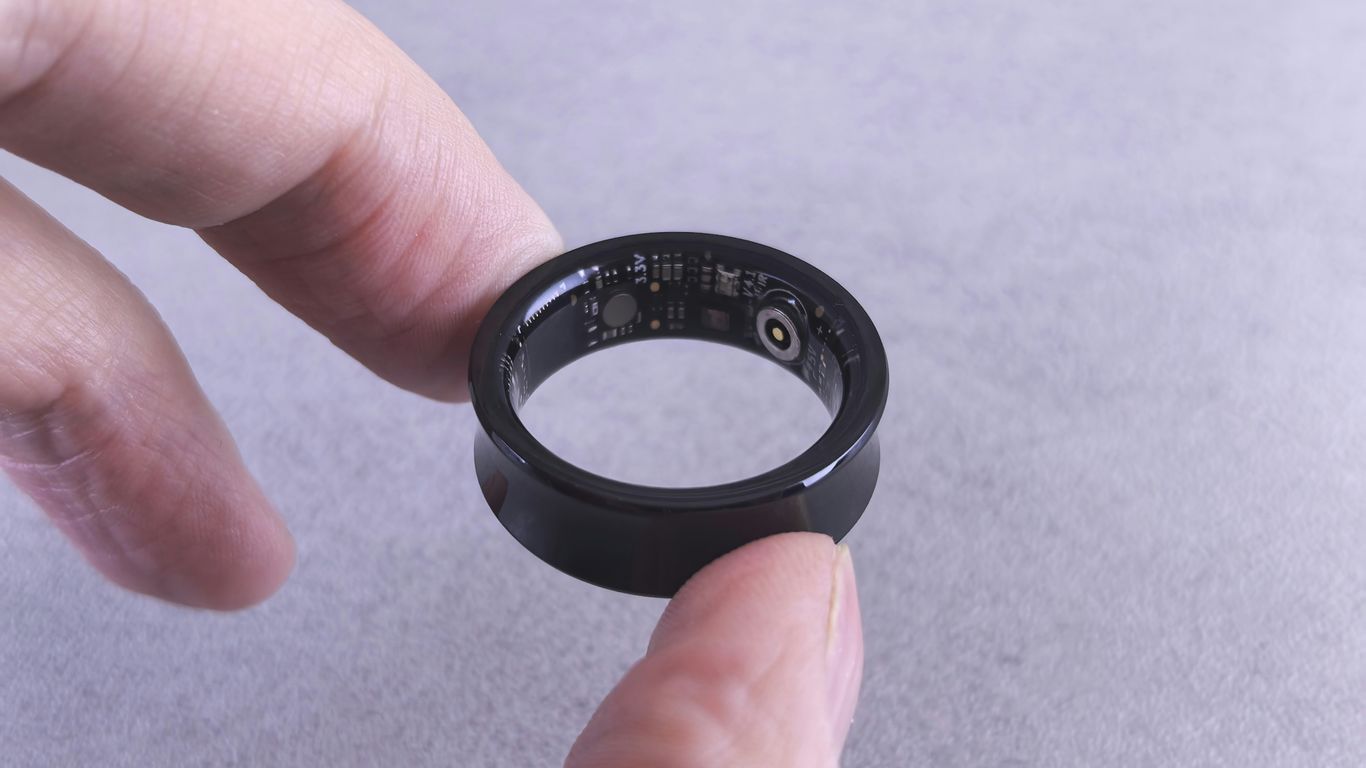
So, how does this little ring actually work? It’s not magic, it’s science, and Oura has been at it for a while. They’ve been around since 2013, which is a pretty long time in the wearable tech world. They’ve put in over a decade of work, refining their technology and gathering data. It’s not just a quick product launch; it’s built on years of research and development.
Finger-Based Sensing Advantages
One of the key things that sets Oura apart is where it’s worn: on your finger. You might think a wrist tracker is just as good, but the finger actually has some big advantages for picking up body signals. Think about it – your fingers have a lot of blood flow and tiny blood vessels packed close together. This makes it a really stable and strong place to get accurate readings of things like your pulse.
- Stronger Signals: The rich blood supply means the sensors can pick up clearer, more consistent signals compared to the wrist.
- Less Noise: The finger is less prone to the kind of movement "noise" that can sometimes mess with wrist-based trackers.
- Comfort: For many people, wearing a ring is more comfortable and less intrusive than a bulky watch, especially for sleep.
Research-Grade Accuracy
Oura doesn’t just claim to be accurate; they’ve put their tech to the test against what scientists consider the best methods. For sleep tracking, their algorithm lines up pretty well with polysomnography (PSG), which is the standard for sleep studies. While no wearable is perfect, Oura’s agreement rate is higher than many other wrist-based devices. They also say their temperature trend detection is highly accurate, catching even small changes. This focus on accuracy means the data you see is more reliable for understanding your body.
Here’s a quick look at how some of their measurements stack up:
| Metric | Oura Accuracy |
|---|---|
| Sleep Staging | 79% agreement with Polysomnography (PSG) |
| Temperature Trends | >99% accuracy vs. research-grade sensors |
| Resting Heart Rate/HRV | Strongest agreement in independent studies |
Decade of Development and Validation
As mentioned, Oura isn’t new to this. They launched their first ring back in 2015, and since then, they’ve been constantly updating and improving it. They have a big team, including over 30 PhDs who are experts in fields like sleep science and biomedical engineering. This isn’t just a hobby project; it’s a serious scientific endeavor. They’ve sold millions of rings, and all that real-world use adds to their ongoing validation. It means they’ve had years to figure out what works and how to make the technology reliable for everyday people.
Oura App Features and User Experience
Intuitive App Design
So, you’ve got the Oura Ring on your finger, and it’s quietly doing its thing, collecting all sorts of data. What happens next? Well, that’s where the Oura App comes in. Honestly, it’s pretty straightforward. They’ve really tried to make it so you don’t need a degree in data science to figure out what’s going on with your body. No complicated menus or confusing charts here, thankfully. It’s designed to just fit into your day without adding more stress. The ring itself is pretty low-key – no screen, no annoying buzzing. You just wear it, and the app shows you the important stuff. It’s water-resistant too, so you don’t have to worry about taking it off for a shower or a swim. Pretty convenient, right?
Personalized Health Insights
This is where Oura really shines, I think. It doesn’t just give you a bunch of numbers and leave you hanging. Instead, it learns your body. Forget those generic "10,000 steps a day" goals. Oura figures out what’s normal for you. For example, your daily activity goal actually changes based on how ready your body is to take on the day. If you had a rough night’s sleep, the app might suggest taking it easy, which is way better than pushing yourself when you’re already run down. It’s like having a little coach that knows when you need to rest and when you can go for it. It even adjusts things like period predictions based on your temperature trends. It’s all about your personal baseline, not some average person.
Vitals Tab Overview
When you open the app, you’ll see a few main scores right away: Readiness, Sleep, and Activity. These give you a quick snapshot of how you’re doing each day, usually on a scale from 0 to 100. But if you want to dig a bit deeper, the Vitals tab is where you’ll find more detailed information. Here’s a quick look at what you can expect:
- Sleep Metrics: You can see your sleep stages (light, deep, REM), how long it took you to fall asleep, and how efficient your sleep was overall.
- Heart Health: This includes your resting heart rate, heart rate variability (HRV), and even live heart rate data if you want to check it.
- Body Temperature: Oura tracks your skin temperature trends throughout the night, which can be useful for spotting signs of illness or understanding your cycle.
- Blood Oxygen (SpO2): You can check your nighttime blood oxygen levels.
- Cardio Capacity: This gives you an estimate of your aerobic fitness, often referred to as VO2 max.
- Stress and Resilience: Oura monitors your daytime stress levels and how well your body recovers overnight.
Oura Membership and Data Utilization
So, you’ve got your Oura Ring, and you’re seeing all these numbers and scores. That’s great, but what’s the deal with Oura Membership? Think of it like this: the ring is the tool, and the membership is what makes it truly useful for understanding your health.
Benefits of Oura Membership
Basically, the membership is what unlocks the full potential of your Oura Ring. Without it, you get the basic scores – Sleep, Readiness, and Activity – which are still pretty neat. But with a membership, you get a much deeper dive into what’s going on with your body. It’s not just about seeing a number; it’s about understanding what that number means for you.
Here’s a breakdown of what you get:
- Daily Reports: Get detailed breakdowns of your Sleep, Readiness, and Activity scores. This tells you how well you slept, how prepared your body is for the day, and what your activity goals should be.
- In-depth Analysis: This includes advanced sleep stage tracking, monitoring your blood oxygen levels (SpO₂), and looking at your nightly movement patterns.
- Continuous Trends: Spot changes in your body, like temperature shifts that might signal illness or recovery, and understand your baseline health.
- Helpful Tools: Features like Rest Mode, Tags to log habits, and Bedtime Guidance are included to help you manage your day and wind down effectively.
- Long-Term Insights: See how your health changes over weeks, months, and even quarters with calendar views and trend reports.
The membership costs $5.99 per month or $69.99 annually in the US, with a free first month to try it out. Prices can vary in other countries.
Data Privacy and Storage
One thing people often wonder about is what happens to all that health data. Oura says they store your data securely, and you keep ownership of it. If you decide to cancel your membership or even delete your account, your data remains stored unless you specifically ask for it to be removed. They also mention that non-paying members still keep their basic scores and access to educational content, so your data isn’t just lost if you pause your subscription.
Access to Advanced Features
This is where the membership really shines. It’s not just about seeing your sleep stages; it’s about how all the different pieces of data connect. For example, you can see how your meals might affect your glucose levels (if you’re using a connected device like Stelo by Dexcom), how stress impacts your recovery, or how your sleep patterns relate to your menstrual cycle. The membership gives you access to features like:
- Cardiovascular Age: An estimate of your vascular system’s biological age.
- Cardio Capacity (VO2 Max): An estimation of your aerobic fitness.
- Stress Monitoring: Tracking daytime stress and nighttime recovery.
- Symptom Radar: Alerts for potential illness based on your body’s baseline.
- Oura Advisor: AI-powered insights that give you actionable advice based on your data.
It’s this ability to connect the dots between different aspects of your health – sleep, activity, stress, and even things like diet – that makes the membership feel worthwhile for many users. It turns raw data into a story about your wellbeing.
So, Does Oura Ring Measure Blood Pressure?
Alright, let’s wrap this up. If you’re wondering whether your Oura Ring can tell you your blood pressure right now, the short answer is no, it can’t. Oura is a fantastic tool for tracking sleep, activity, stress, and other health markers, giving you a really good overall picture of your wellbeing. They’ve even got some cool new features coming out to help you understand stress better. But when it comes to blood pressure, Oura is still in the early stages of development. They’re planning to study it and eventually hope to offer a feature for monitoring blood pressure risks, but it’s not here yet. So, for now, if you need to check your blood pressure, you’ll still need to use a dedicated cuff or see your doctor. Keep an eye on Oura, though; they seem to be working on expanding their health tracking capabilities.