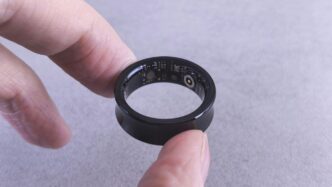
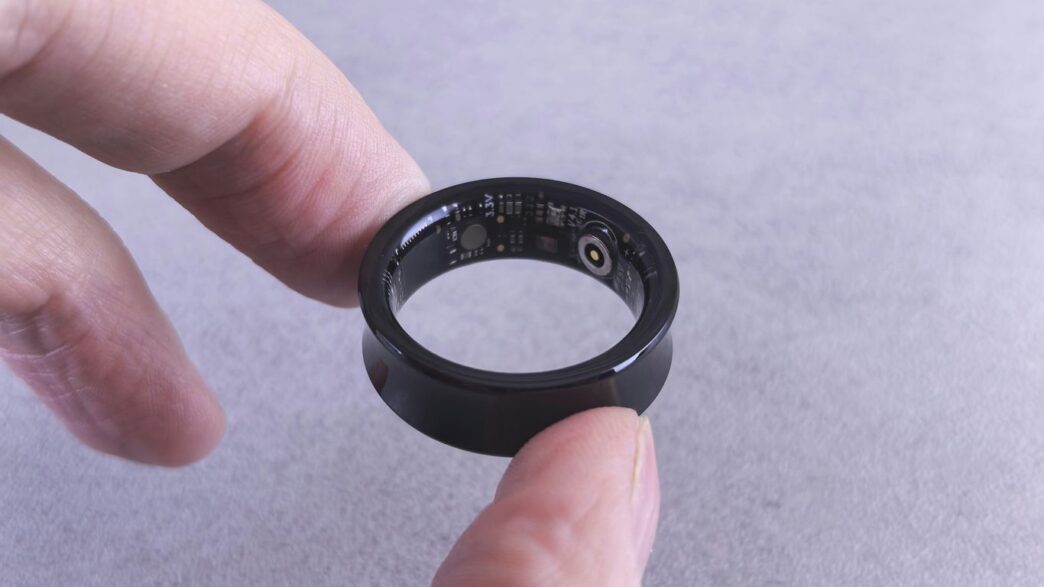
In the world of wearable tech, everyone’s asking: Does Oura Ring measure blood pressure? It’s a good question, especially with so many new health features popping up on devices these days. While the Oura Ring is known for its deep dives into sleep and recovery, it doesn’t directly track blood pressure. But that doesn’t mean it can’t give you hints about your overall health. Let’s break down what the Oura Ring actually does measure and how it might indirectly tell you something about your body’s signals.
Key Takeaways
- The Oura Ring does not directly measure blood pressure. This feature is not currently available on the device.
- Oura focuses on sleep quality, heart rate variability (HRV), resting heart rate, and body temperature to give insights into your body’s recovery and readiness.
- While it doesn’t track blood pressure, metrics like breathing regularity and significant changes in resting heart rate or HRV might indirectly hint at underlying health changes.
- For direct blood pressure monitoring, you’ll need to look at medical-grade devices or consult with a healthcare professional.
- The Oura Ring is designed as a wellness tracker to help you understand your body’s recovery and daily patterns, rather than a diagnostic medical tool.
Does Oura Ring Measure Blood Pressure?
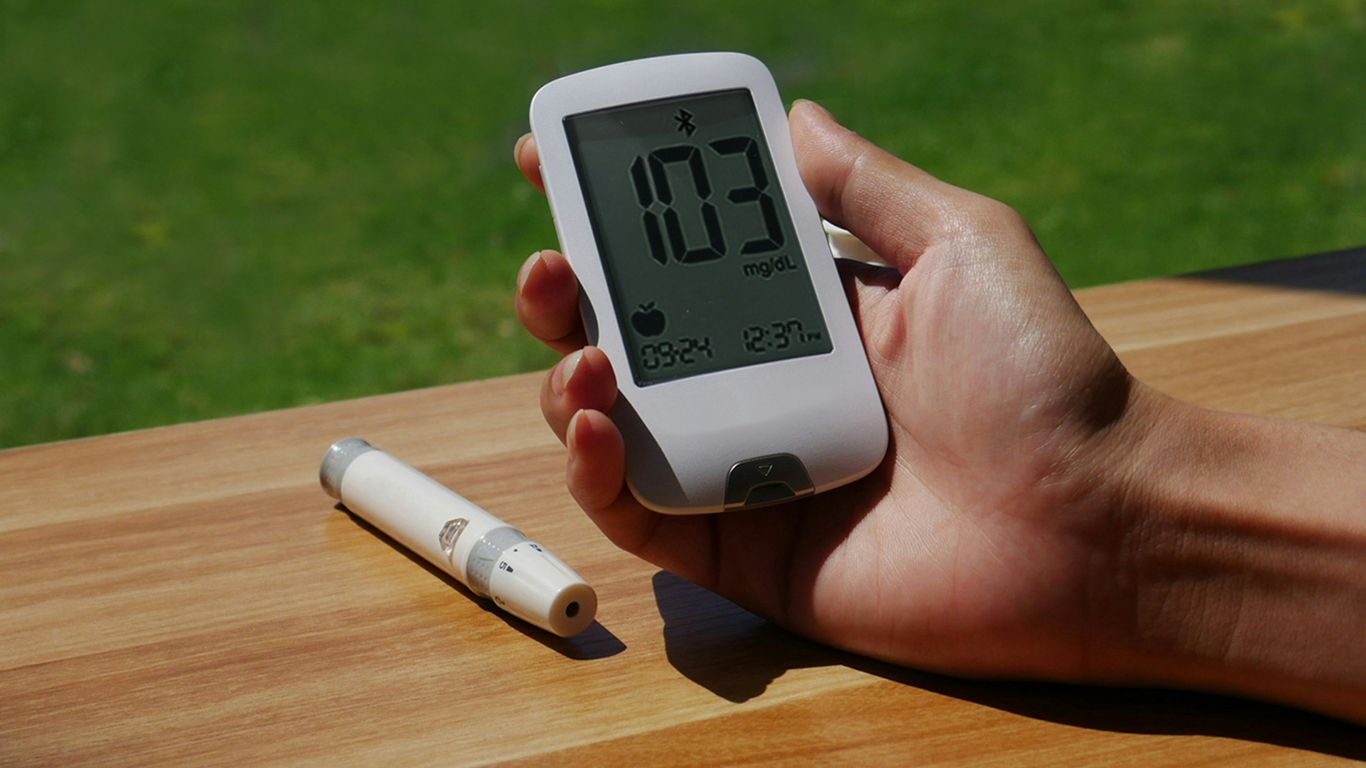
So, the big question on a lot of people’s minds is: can the Oura Ring actually measure your blood pressure? It’s a pretty common thing to want to track, especially with all the health tech out there these days. Let’s get straight to it: the Oura Ring does not directly measure blood pressure. This is a pretty important distinction to make right off the bat.
Understanding Blood Pressure Monitoring in Wearables
Measuring blood pressure accurately usually requires specific hardware, often involving inflatable cuffs that apply pressure to your arm. Think about the cuff your doctor uses – it needs to squeeze to get a reading. Most wrist-worn devices, including smartwatches and rings, just don’t have the physical mechanism to do this reliably. While some newer smartwatches are starting to experiment with cuffless technology, it’s still a developing area and often requires calibration with a traditional cuff. So, if you’re looking for a device that gives you on-demand blood pressure readings, the Oura Ring isn’t it.
Oura Ring’s Current Health Tracking Capabilities
The Oura Ring is really good at a few key things, and it’s designed with a specific focus. It tracks:
- Sleep: This is where Oura really shines. It breaks down your sleep into different stages (Light, Deep, REM) and gives you a detailed sleep score.
- Heart Rate Variability (HRV): This metric gives you insight into your nervous system’s balance and your body’s recovery status.
- Resting Heart Rate (RHR): Your RHR overnight is a good indicator of your overall cardiovascular health and how recovered you are.
- Body Temperature: It monitors subtle changes in your body temperature, which can hint at illness, your menstrual cycle, or even jet lag.
- Activity Levels: It tracks your movement throughout the day to give you an idea of your activity and energy expenditure.
These metrics are fantastic for understanding your sleep quality, recovery, and general well-being. They help build a picture of how your body is handling stress and rest.
Why Blood Pressure Isn’t a Primary Oura Metric
Oura’s design philosophy seems to be centered around sleep, recovery, and providing a holistic view of your body’s readiness. Blood pressure, while vital, requires a different type of sensor technology than what’s currently integrated into the ring. Instead of trying to measure everything, Oura focuses on the metrics it can track with high accuracy and provide actionable insights from. They’re prioritizing the data that best informs sleep and recovery, rather than adding features that might compromise accuracy or the device’s discreet form factor. If blood pressure monitoring is a must-have for you, you’ll likely need to look at other dedicated devices or consult with your doctor.
Oura Ring’s Focus on Sleep and Recovery
When you look at the Oura Ring, it’s pretty clear what it’s designed to do. It’s not trying to be a smartwatch that does everything. Instead, Oura really doubles down on helping you understand your sleep and how well your body is recovering. Think of it as your personal sleep coach and recovery advisor, all wrapped up in a sleek ring.
Advanced Sleep Staging Accuracy
Oura’s got some serious chops when it comes to tracking sleep. It breaks down your sleep into different stages – light, deep, and REM sleep – and also keeps tabs on how long you were actually asleep versus just lying in bed. It even tracks things like how long it takes you to fall asleep and how often you wake up during the night. This detailed breakdown gives you a much clearer picture than just knowing how many hours you slept. It helps you see patterns, like if you’re consistently getting less deep sleep than you need, which is important for physical recovery.
Heart Rate Variability and Resting Heart Rate Insights
Two big numbers Oura pays close attention to are your Heart Rate Variability (HRV) and your Resting Heart Rate (RHR). Your RHR is pretty straightforward – it’s your heart rate when you’re completely at rest, usually measured overnight. A lower RHR generally means your cardiovascular system is in good shape. HRV, on the other hand, is a bit more complex. It measures the tiny variations in time between each heartbeat. A higher HRV typically indicates that your body is well-rested and ready to handle stress. When Oura sees your RHR go up or your HRV drop significantly, it’s a signal that your body might be stressed, tired, or even fighting off something. These metrics are key to understanding your body’s readiness for the day.
Body Temperature Trends for Health Awareness
Your body temperature can tell you a lot, and Oura tracks it pretty closely while you sleep. It doesn’t just give you a single number; it looks at the trend over time. Small changes in your body temperature can be early indicators of things like illness, hormonal shifts, or even your menstrual cycle. For instance, if Oura notices your temperature is consistently a bit higher than your usual baseline, it might be an early heads-up that you’re coming down with something, even before you start feeling sick. This allows you to take proactive steps, like getting more rest or staying hydrated, to support your body’s natural defenses.
Indirect Health Indicators Provided by Oura
While the Oura Ring doesn’t directly measure blood oxygen levels, it offers a bunch of other data points that can give you clues about what’s going on with your body. Think of it like piecing together a puzzle – you might not see the whole picture directly, but the individual pieces can tell you a lot.
Breathing Regularity as an Indirect Metric
One of the neat things Oura tracks is ‘Breathing Regularity’ during sleep. It’s not a direct blood oxygen reading, mind you. Instead, it looks at subtle movements and how your heart rate changes along with your breathing. If your breathing is pretty steady and consistent throughout the night, that’s generally a good sign for your respiratory system while you’re catching Zs. It’s a way to get a sense of your breathing patterns without needing a specific SpO2 sensor.
Detecting Potential Illness Onset
Your body temperature can be a surprisingly good early warning system. Oura keeps tabs on tiny shifts in your temperature overnight. If you’re coming down with something, your temperature might tick up a bit before you even feel sick. By tracking your personal baseline, Oura can flag these small changes. It’s not a crystal ball, but it might give you a heads-up that something’s brewing, prompting you to take it easy or pay closer attention to other symptoms.
Holistic View of Well-being Beyond Direct Measurements
Oura really shines when you look at the whole picture it paints. It combines data from your sleep, heart rate, and temperature to give you a Readiness score. This score isn’t just about how much sleep you got; it’s about how recovered your body is. For instance:
- Elevated Resting Heart Rate (RHR): If your RHR is consistently higher than usual, it could mean your body is working harder, perhaps due to stress, illness, or intense workouts.
- Lower Heart Rate Variability (HRV): A dip in HRV often signals that your nervous system is under more stress, whether from physical exertion, mental strain, or lack of sleep.
- Sleep Disturbances: Frequent wake-ups or less time in deep and REM sleep can point to underlying issues that are impacting your recovery.
By looking at these metrics together, you get a more rounded understanding of your body’s state. It helps you see how your daily choices affect your overall well-being, even if it’s not giving you a direct number for blood oxygen.
Oura Ring vs. Other Wearables for Health Data
When you’re looking at health trackers, it’s easy to get lost in all the features. The Oura Ring and the Apple Watch, for example, both track a lot of stuff, but they go about it in pretty different ways. It’s not really about which one is “better” overall, but more about what you actually want to track.
Comparing Oura Ring to Apple Watch for SpO2
One big difference people ask about is blood oxygen, or SpO2. The Apple Watch, in its more recent models, can actually measure your blood oxygen levels. You can take a reading on demand, and it even does some background checks. The Oura Ring, however, doesn’t have this feature. It doesn’t measure SpO2 at all. This is a pretty significant point if tracking blood oxygen is high on your list. While Oura doesn’t give you direct SpO2 numbers, it does look at things like breathing regularity during sleep. This is an indirect way to get a sense of your respiratory patterns, but it’s not the same as a direct SpO2 reading.
The Role of Oura Ring vs. Medical-Grade Devices
It’s super important to remember that both Oura and Apple Watch are consumer gadgets. They give you trends and can flag things that seem a bit off, but they aren’t medical devices. If you have a health condition or are worried about something serious like sleep apnea, you really need to see a doctor and use equipment that’s certified for medical use. These wearables can be a good starting point for noticing changes, but they can’t replace a professional diagnosis. Think of them as helpful assistants, not the main doctor.
Oura’s Design Philosophy: Prioritizing Recovery
So, why doesn’t Oura have all the bells and whistles like SpO2? It comes down to what Oura is trying to do. Their main goal is to help you understand your sleep and how well your body is recovering. They focus on metrics that give you a picture of your overall well-being, like:
- Sleep Stages: Breaking down your Light, Deep, and REM sleep.
- Heart Rate Variability (HRV): A key indicator of your body’s stress and recovery levels.
- Resting Heart Rate (RHR): What your heart rate is when you’re completely at rest.
- Body Temperature: Tracking subtle shifts that can signal illness or other changes.
Oura is designed for people who want a deep dive into their recovery and readiness for the day. It’s less about tracking every single rep at the gym or every mile you run with pinpoint accuracy, and more about the bigger picture of how your body is doing day-to-day, especially after you’ve slept. For instance, while Oura tracks workouts, some users find its calorie burn estimates for exercise are lower compared to devices like the Apple Watch, which might be better for real-time, intense activity tracking. Oura’s strength lies in its detailed sleep analysis and how it translates that into a daily readiness score.
Leveraging Oura Data for Actionable Improvements
So, you’ve got all this data from your Oura Ring. What do you actually do with it? It’s easy to get lost in the numbers, but the real magic happens when you start using these insights to make actual changes. Think of your Oura Ring as a coach, constantly giving you feedback on how your body is doing.
Understanding Your Readiness Score
This is probably the most straightforward metric Oura gives you. Your Readiness score is a number out of 100 that tells you how recovered your body is and how much you can push yourself that day. It takes into account your recent sleep, your resting heart rate, and your heart rate variability (HRV). If your score is high, go ahead and tackle that tough workout or a busy day. If it’s low, maybe it’s time to take it easy.
Here’s a general idea of what the scores mean:
| Score Range | What it Means |
|---|---|
| 85-100 | Excellent readiness – go for it! |
| 70-84 | Good readiness – moderate activity is fine. |
| 60-69 | Fair readiness – listen to your body, maybe take it lighter. |
| 0-59 | Low readiness – prioritize rest and recovery. |
It’s really about learning what your personal baseline looks like and how different activities affect your score.
Making Lifestyle Adjustments Based on Oura Insights
Your Oura data can point out patterns you might not even notice. For example, if you consistently see lower Readiness scores and higher Resting Heart Rates after late nights or stressful days, that’s a clear signal. Maybe you need to cut back on caffeine after 2 PM, or perhaps you should try to wind down earlier.
Here are some common adjustments you might consider:
- Sleep: If your sleep efficiency is often low, focus on improving your sleep hygiene. This means sticking to a regular sleep schedule, making sure your bedroom is dark and cool, and avoiding screens right before bed.
- Stress: Notice your HRV dipping and your Readiness score dropping after busy work weeks? It might be time to build in some stress-reducing activities. Think short walks, meditation, or even just some quiet time.
- Activity: If your Readiness score is frequently low, pushing yourself too hard in workouts can actually set you back. Use the score to guide how intense your exercise sessions should be.
Optimizing Sleep Hygiene with Oura Data
Sleep is where Oura really shines, and using its data to improve your sleep is a game-changer. You can see how much Deep, REM, and Light sleep you’re getting, and how often you wake up. If you notice you’re not getting enough Deep sleep, for instance, you might look at what you’re doing in the hours leading up to bed. Are you eating too close to bedtime? Is your room too warm? Oura’s body temperature trend can also be helpful here, showing you if your temperature is dropping at the right time for sleep. Paying attention to these details can make a big difference in how rested you feel.
The Future of Oura Ring and Health Monitoring
Evolving Wearable Technology in 2025
It’s pretty wild how fast wearable tech is changing, right? Back in 2025, we’re seeing devices get smarter and more integrated into our daily lives. While the Oura Ring isn’t going to give you a direct blood pressure reading anytime soon, the technology is always moving forward. Think about it – just a few years ago, getting detailed sleep data on your wrist was a pipe dream. Now, it’s pretty standard. For 2025, expect wearables to get even better at picking up on subtle body signals. This means more refined tracking of things like heart rate variability, body temperature, and even how regularly you’re breathing during sleep. These aren’t direct medical measurements, but they paint a really useful picture of your overall health and how your body is handling stress and recovery.
Potential for Future Oura Ring Updates
So, what’s next for Oura? While they’ve stuck to their guns about not adding a direct blood oxygen sensor, which is a deliberate choice to keep the focus on sleep and recovery, it doesn’t mean they’re standing still. We might see improvements in how they interpret the data they do collect. Imagine Oura getting even better at spotting early signs of illness based on tiny shifts in your temperature or resting heart rate. Or perhaps they’ll refine the breathing regularity metric to give even clearer insights. It’s less about adding more sensors and more about making the existing ones work harder and smarter. The company seems committed to refining its core strengths: sleep analysis and recovery tracking.
The Importance of Holistic Health Tracking
Ultimately, the Oura Ring’s strength isn’t in replacing a doctor’s visit or a medical device. It’s about giving you a consistent, long-term view of your body’s baseline. Instead of focusing on a single number, like a blood pressure reading taken once a day, Oura helps you see trends over weeks and months. This is super important because:
- Understanding Your Normal: You learn what’s typical for you. A slight change might be nothing, but a consistent shift could be a sign to pay attention.
- Spotting Subtle Changes: Things like a slightly elevated resting heart rate or a dip in sleep quality might be your body’s way of telling you it’s stressed or fighting something off, even before you feel sick.
- Guiding Lifestyle Choices: Seeing how your sleep or activity impacts your recovery score can help you make better decisions about when to push yourself and when to rest.
It’s this big-picture view, this holistic approach, that makes Oura a unique tool in the wearable space. It encourages you to think about your health not just in terms of specific metrics, but as an interconnected system.
So, Does Oura Ring Measure Blood Pressure?
Alright, let’s wrap this up. If you’re wondering whether the Oura Ring can take your blood pressure, the short answer is still no. It’s not built for that specific job. While Oura does a pretty good job tracking things like your sleep, body temperature, and heart rate variability, it doesn’t have the sensors needed to check your blood pressure. For that, you’ll still need a dedicated cuff or a different kind of device. Oura is more about giving you a general picture of your health and recovery, not pinpoint medical readings. So, keep that in mind when you’re looking at your daily scores – they’re great for self-awareness, but not for diagnosing specific conditions like high blood pressure.