
So, you’re looking into the Internet of Things, huh? It’s everywhere these days, promising to make our lives easier and businesses run smoother. But like anything new, it’s not all sunshine and rainbows. We’ve put together a guide to help you get a handle on the good and the not-so-good aspects of IoT. Think of this as your cheat sheet to understanding what IoT is all about, why companies are jumping on board, and what you should watch out for. We’ll cover the benefits, the potential pitfalls, and what the future might hold. If you’re curious about the advantages and disadvantages of IoT, this is the place to start. You can grab our free advantages and disadvantages of IoT pdf to keep handy.
Key Takeaways
- IoT connects everyday objects to the internet, allowing them to share data and work together.
- The main draws of IoT include making life more convenient, boosting efficiency in businesses, and saving energy.
- However, there are real concerns about security, privacy, and how complex these systems can be to set up.
- While IoT creates new business chances and can personalize experiences, it also risks job losses for some and makes us more reliant on technology.
- To make IoT work well, we need smart ways to manage data, strong security, and plans to deal with the downsides.
Understanding the Advantages and Disadvantages of IoT
So, what exactly is this "Internet of Things" everyone’s talking about? Basically, it’s about connecting everyday objects – think your fridge, your car, even your thermostat – to the internet. This connection lets them talk to each other and send data. It sounds pretty neat, right? And it is, in many ways. But like anything new and powerful, it’s not all sunshine and roses. We’re going to break down the core ideas behind IoT, why companies are so keen to jump on board, and what makes all these devices work together. It’s a big shift, and understanding both the good and the not-so-good parts is key.
Core Concepts of the Internet of Things
At its heart, IoT is about making "dumb" objects smart by giving them a digital voice. This involves a few key pieces:
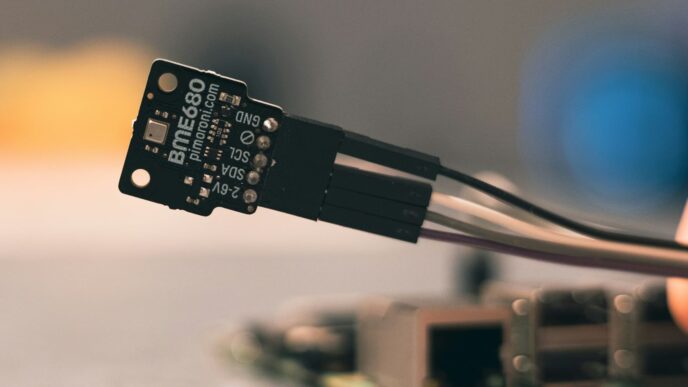
- Sensors: These are the eyes and ears of IoT devices, collecting information about the physical world – like temperature, motion, or light.
- Connectivity: This is how the devices send their collected data. It could be through Wi-Fi, Bluetooth, cellular networks, or other ways.
- Data Processing: Once the data is sent, it needs to be analyzed. This can happen on the device itself, in the cloud, or on a central server to find patterns or trigger actions.
- User Interface: This is how we interact with the IoT system, whether it’s a smartphone app, a website, or a voice command.
The whole point is to bridge the gap between the physical and digital worlds.
Key Motivations for IoT Adoption
Why are businesses and individuals so eager to connect everything? A few big reasons stand out:
- Efficiency Boost: Imagine machines talking to each other to optimize production lines or smart grids adjusting energy use automatically. It cuts down on waste and speeds things up.
- Better Information: Collecting data from all these connected devices gives us a much clearer picture of how things are working. This means we can make smarter decisions based on real-time facts, not just guesses.
- Convenience: Think about your lights turning on when you arrive home or your coffee maker starting automatically. IoT can make daily life a lot simpler.
The Interconnected Nature of IoT Devices
What really makes IoT tick is how devices work together. It’s not just about one smart gadget; it’s about a network of them communicating. This interconnectedness allows for:
- Automation: Devices can trigger actions in other devices without human input. For example, a smart thermostat could tell your smart blinds to close when the temperature rises.
- Remote Control: You can monitor and control devices from anywhere with an internet connection, giving you flexibility and peace of mind.
- Machine-to-Machine (M2M) Communication: Devices can exchange information directly, leading to faster responses and more streamlined operations, like a factory robot signaling a conveyor belt to stop.
This web of connected devices is what allows IoT to offer so many potential benefits, but it also introduces its own set of challenges we’ll get into later.
Exploring the Benefits of IoT Implementation
So, you’re thinking about jumping into the world of the Internet of Things (IoT)? That’s cool. It’s not just a bunch of blinking lights and fancy gadgets; there are some real upsides to getting your stuff connected. The biggest win is how much smoother things can run.
Enhanced Productivity and Efficiency
Think about it: when devices can talk to each other, a lot of the manual back-and-forth just disappears. This means less time spent on repetitive tasks and fewer chances for human error to mess things up. For businesses, this translates directly into getting more done with the same resources, or even fewer. It’s like having a super-organized team where everyone knows exactly what to do without needing constant supervision. This machine-to-machine communication can really speed things up, giving you quicker responses and better overall performance.
Improved Decision-Making Through Data
IoT devices are basically data-gathering machines. They’re constantly collecting information about how things are working, what people are doing, and what’s happening in the environment. When you have all this data, especially when it’s real-time, you can start to see patterns and trends you might have missed before. This makes it way easier to make smart choices. Instead of guessing, you’re basing your decisions on actual facts. It’s like having a crystal ball, but it’s powered by numbers.
Here’s a quick look at how data helps:
- Predictive Maintenance: Sensors can tell you if a machine is about to break down before it actually does. This means you can fix it during scheduled downtime, avoiding costly production halts.
- Customer Insights: By tracking how customers use your products or services, you can figure out what they really like and what they don’t, leading to better product development.
- Operational Adjustments: Real-time data on things like energy usage or traffic flow can help you make immediate changes to optimize how things are running.
Increased Convenience and Automation
Let’s be honest, who doesn’t like things to be easier? IoT makes life more convenient. You can control your home lights from your phone, or have your thermostat adjust itself based on whether you’re home or not. For businesses, automation means tasks that used to take hours can be done in minutes, or even automatically. This frees up people to focus on more important, creative work instead of getting bogged down in routine chores. It’s about making everyday life and work a bit less of a hassle.
Energy Efficiency and Cost Savings
This is a big one, especially with energy prices going up. IoT devices can be really smart about how they use power. For example, smart thermostats can learn your schedule and only heat or cool your home when needed. In factories, sensors can monitor energy consumption and identify areas where waste is happening. By reducing energy use and preventing issues before they become major problems (like equipment failure), IoT can lead to significant savings on bills and maintenance costs. It’s good for your wallet and good for the planet.
Navigating the Challenges and Risks of IoT

So, we’ve talked about all the cool stuff IoT can do, but let’s get real for a second. It’s not all sunshine and smart thermostats. There are some pretty big hurdles and potential dangers we need to think about before we go all-in on connecting everything.
Security and Privacy Concerns
This is probably the biggest worry for most people. When you have tons of devices talking to each other and sending data, it’s like leaving your front door wide open if you’re not careful. Hackers can get into these systems and access really sensitive information, or worse, control devices that affect our physical world. Think about your smart car – you don’t want someone else driving it! Plus, companies collect a lot of data about us through these devices, and it’s not always clear how they’re using it or if they’re protecting it properly. There aren’t really clear rules for companies on how to keep IoT data safe, and that makes people nervous. It’s not just about financial loss; sometimes, a breach could even put lives at risk.
Complexity and Integration Hurdles
Setting up an IoT system can be a real headache. It’s not like plugging in a single gadget. You’ve got different devices, different software, and they all need to play nice together. It’s like trying to get a bunch of people who speak different languages to have a conversation – it can get messy. Companies often end up creating their own systems, which makes it even harder to connect things from different makers. This can get expensive and time-consuming, and sometimes, you might feel stuck having to buy from just one company to make it all work.
Compatibility Issues and Lack of Standards
This ties into the complexity point. Because there aren’t universal rules for how IoT devices should work together, you run into problems. You might buy a smart light bulb from one brand and a smart speaker from another, and they just won’t connect. It’s frustrating for users and makes it tough for businesses to build reliable systems. This lack of common ground means companies have to do a lot of extra work to make sure their devices can talk to others, and sometimes, it just doesn’t happen. It’s like trying to build with LEGOs and K’nex at the same time – you need adapters!
Potential for Mass Unemployment
Okay, this one’s a bit more down the road, but it’s worth considering. As more tasks get automated by smart devices and AI, there’s a worry that a lot of jobs could disappear. Think about factory workers, drivers, or even customer service reps. If machines can do the job faster, cheaper, and without needing breaks, what happens to the people who used to do those jobs? It’s a big societal question we’ll have to figure out as IoT becomes more common.
The Impact of IoT on Business and Society
It’s pretty wild how much the Internet of Things is changing things, not just for companies but for all of us in our daily lives. Think about it – devices are talking to each other, collecting data, and making decisions faster than we ever could.
New Business Opportunities and Revenue Streams
Businesses are really starting to see the potential here. Instead of just selling a product, companies can now offer services based on that product. For example, a manufacturer might sell a smart appliance and then offer a subscription for maintenance or advanced features. This opens up entirely new ways to make money and keep customers engaged. It’s like turning a one-time sale into an ongoing relationship.
- Product-as-a-Service Models: Companies can shift from selling physical goods to selling access or performance, generating recurring revenue.
- Data Monetization: The vast amounts of data collected by IoT devices can be analyzed to identify trends, improve services, or even sold (with proper privacy considerations, of course).
- Predictive Maintenance: Businesses can use IoT data to predict when equipment might fail, offering proactive repair services before a breakdown occurs, which is a big win for their clients.
Personalization and Enhanced Customer Interaction
Remember when customer service was just a phone call? Now, with IoT, companies can understand their customers on a whole new level. Smart devices can learn user preferences, allowing for highly personalized experiences. Imagine a smart thermostat that learns your schedule and adjusts the temperature automatically, or a streaming service that suggests content based on your viewing habits across multiple devices. This level of tailored interaction is something customers are starting to expect.
Societal Shifts and Dependency on Technology
On the flip side, we’re becoming more reliant on these connected devices. Smart homes are convenient, but what happens when the internet goes down? Or if there’s a security breach? There’s also the concern about jobs. As more tasks become automated through IoT, some roles, especially those involving repetitive manual labor, might disappear. It’s a trade-off: increased efficiency and convenience versus potential job displacement and a growing dependence on technology that we might not fully control.
Mitigating IoT Disadvantages for Successful Adoption
So, we’ve talked about all the cool stuff IoT can do, but let’s be real, it’s not all sunshine and smart thermostats. There are definitely some bumps in the road we need to smooth out if we want this whole Internet of Things thing to really work for everyone. It’s like building a house – you can’t just slap walls up; you need a solid foundation and a plan for the plumbing, right?
Developing Robust Data Management Strategies
First off, all those connected devices? They’re spitting out data like crazy. We’re talking tons of information, and if we don’t have a good way to handle it, it’s just going to become a jumbled mess. Having a clear plan for collecting, storing, and analyzing this data is super important. Think of it like organizing your closet – you know where everything is, and you can actually find what you need. This means figuring out where the data will live (in the cloud? on-site?), how often it needs to be checked, and who gets to see it. It’s not just about collecting it; it’s about making sure it’s useful and doesn’t just sit there gathering digital dust.
Addressing Security and Privacy Measures
This is a big one, and honestly, it keeps a lot of people up at night. When everything is connected, it’s also more open to folks who shouldn’t be poking around. We need to build security in from the start, not as an afterthought. This involves things like:
- Strong Passwords and Access Controls: No more "password123"! We need to make sure devices are protected with unique, strong passwords and that only authorized people can access them. Think of it like having a good lock on your front door.
- Regular Updates and Patching: Just like your phone needs updates to fix bugs and security holes, IoT devices do too. Companies need to provide these updates, and users need to install them.
- Privacy by Design: This means thinking about privacy from the very beginning of a device’s creation. How is personal information being used? Is it being shared without permission? We need clear answers and protections.
Strategies for Minimizing Negative Impacts
Beyond security, there are other potential downsides. For instance, the idea of jobs being lost to automation is a real concern for many. While IoT can create new kinds of jobs, it’s also true that some repetitive tasks might disappear. To deal with this, we need:
- Retraining and Upskilling Programs: Helping people learn the new skills needed for the jobs that are being created in the IoT world.
- Focus on Human-AI Collaboration: Instead of replacing people entirely, many IoT systems can work with humans, making their jobs easier and more productive.
- Ethical Guidelines and Regulations: As IoT becomes more common, we need clear rules about how it should be used, especially concerning data privacy and its impact on society. This helps prevent a situation where technology controls us, rather than us controlling technology.
The Future Potential of the Internet of Things
So, what’s next for the Internet of Things? It’s pretty wild to think about, but things are only going to get more connected. We’re talking about a future where devices don’t just talk to each other, but they anticipate our needs and make our lives smoother without us even having to ask. It’s not just about smart homes anymore; it’s about entire cities becoming smarter, industries running more efficiently, and even how we manage our health.
Advancements in IoT Technology
Technology is moving fast, and IoT is right there with it. We’re seeing improvements in sensors that are smaller, cheaper, and more powerful. Think about tiny sensors that can monitor air quality in real-time across a whole city, or wearables that can track your vitals with incredible accuracy. Plus, the networks connecting these devices are getting faster and more reliable. This means more data can be sent and received, quicker than ever before. This constant evolution is what will drive the next wave of IoT innovation. We’re also looking at better ways to manage all the data these devices create, making it easier to get useful information out of it all. It’s all about making these connected systems work better and smarter.
Novel Use Cases Across Industries
Because the tech is getting better, we’re going to see IoT pop up in places we haven’t even thought of yet. In agriculture, for example, sensors could monitor soil conditions and weather patterns to optimize crop yields, reducing waste and using resources more wisely. Imagine farms that practically run themselves, guided by data. In manufacturing, predictive maintenance will become the norm, with machines alerting us to potential problems before they break down, saving huge amounts of time and money. Even in healthcare, remote patient monitoring will become more sophisticated, allowing doctors to keep a closer eye on patients at home, especially for the growing elderly population. This could mean fewer hospital visits and more personalized care.
Building a Secure and Effective IoT Ecosystem
Of course, all this potential comes with challenges, and security is a big one. As more devices get connected, the risk of cyberattacks grows. So, a major focus for the future is building really strong security into these systems from the ground up. This means better encryption, more secure ways to identify devices, and clear rules about how data is handled. We need to make sure that as we build this interconnected world, it’s a safe place to be. It’s not just about making things work; it’s about making them work safely and reliably. The goal is to create an IoT ecosystem that benefits everyone, without compromising our privacy or security. We need to think about how these systems can be designed for eco-sustainable and energy-efficient operation too, making sure our connected future is also a green one.
Wrapping It Up
So, we’ve looked at how the Internet of Things can really shake things up, making our lives easier and businesses run smoother. Think about your smart home gadgets or how factories can keep a closer eye on things. It’s pretty amazing stuff. But, like anything new, it’s not all perfect. We also talked about the worries – keeping our data safe, making sure all these different devices can actually talk to each other, and yeah, the cost can add up. It’s a balancing act, for sure. As IoT keeps growing, figuring out how to get the good stuff without too much of the bad is going to be the big challenge for all of us.
Frequently Asked Questions
What exactly is the Internet of Things (IoT)?
Think of IoT as a giant network where everyday objects, like your fridge or watch, can connect to the internet and talk to each other. This lets them share information and do smart things without you needing to do anything.
Why do people want to use IoT devices?
People use IoT to make life easier and more efficient. For example, smart homes can adjust the temperature automatically, and factories can use sensors to make sure machines run smoothly, saving time and energy.
What are the good things about using IoT?
IoT can make things work better and faster. It helps us make smarter choices because we get more information. Plus, it can automate tasks, making our lives more convenient and even saving energy and money.
What are the bad things or risks with IoT?
A big worry is security – hackers could access your private information. Also, getting different IoT devices to work together can be tricky, and sometimes we become too dependent on technology for even simple tasks.
Can IoT cause people to lose their jobs?
Yes, that’s a concern. As machines get smarter and can do tasks that people used to do, especially repetitive jobs, some workers might find their jobs are no longer needed. This is something we need to think about.
How can we make IoT safer and better to use?
To make IoT work well, we need strong security to protect our data. We also need clear rules so different devices can connect easily. Companies need to plan carefully to handle all the information and make sure the technology helps us without causing too many problems.