So, you want to get into Python programming, huh? It’s a pretty popular language, and for good reason. Lots of people are looking for good resources to learn it, especially free ones. We found a bunch of free python programming book pdf options that can help you get started, whether you’re a total beginner or looking to level up your skills. You can download them right now and start learning today. It’s a great way to pick up a new skill without spending a dime.
Key Takeaways
- You can grab a free python programming book pdf to start learning. Many are available to download.
- ‘Automate the Boring Stuff with Python’ is a popular choice for beginners, focusing on practical tasks.
- ‘Python for Everybody’ guides you through programming by exploring data.
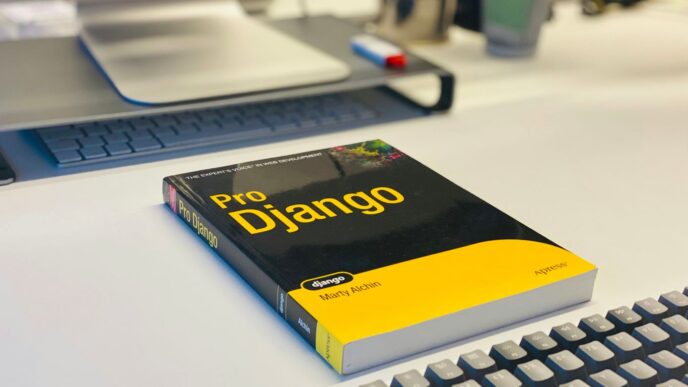
- There are resources for learning web development with Django and writing cleaner code in Python.
- You can find books covering machine learning projects and object-oriented programming in Python.
Discover Your Free Python Programming Book PDF
Getting started with programming can feel like a big step, but it doesn’t have to be. There are some really great books out there that can help you learn Python without costing you a dime. These aren’t just quick guides; they’re written by people who know their stuff and want to share that knowledge. Whether you’re looking to automate simple tasks or understand how computers think, there’s a free PDF waiting for you.
Automate the Boring Stuff with Python
This book is a fantastic starting point if you want to make your computer do repetitive tasks for you. Think about things like renaming files, sending emails, or working with spreadsheets. Al Sweigart, the author, breaks down how to use Python for these kinds of everyday jobs. It’s practical and aimed at people who have never coded before. You’ll learn how to:
- Search the web and download content.
- Find, extract, and work with text in files.
- Manage files on your computer, like copying or moving them.
- Handle PDFs and Word documents.
- Control your mouse and keyboard for automated actions.
- Manage your email inbox and send notifications.
Python for Everybody: Exploring Data in Python 3
If you’re interested in data, this book is for you. Dr. Charles Severance guides you through using Python to explore and understand data. It starts with the basics of Python and moves into how you can use it for data analysis. It’s a solid choice for anyone wanting to get into data science or just understand data better.
Think Python: How to Think Like a Computer Scientist
Allen B. Downey wrote this book with the goal of teaching you how to think like a programmer. It covers Python basics but also focuses on problem-solving and computational thinking. It’s a great resource for building a strong foundation in programming logic, which is useful no matter what language you end up using.
Unlock Essential Python Programming Skills
So, you’ve got the basics down, maybe you’ve even tinkered with a few simple scripts. Now what? It’s time to move beyond just writing code that works and start writing code that’s efficient, organized, and ready for real-world tasks. This section is all about getting you there, focusing on practical skills that make Python truly powerful.
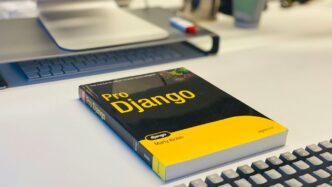
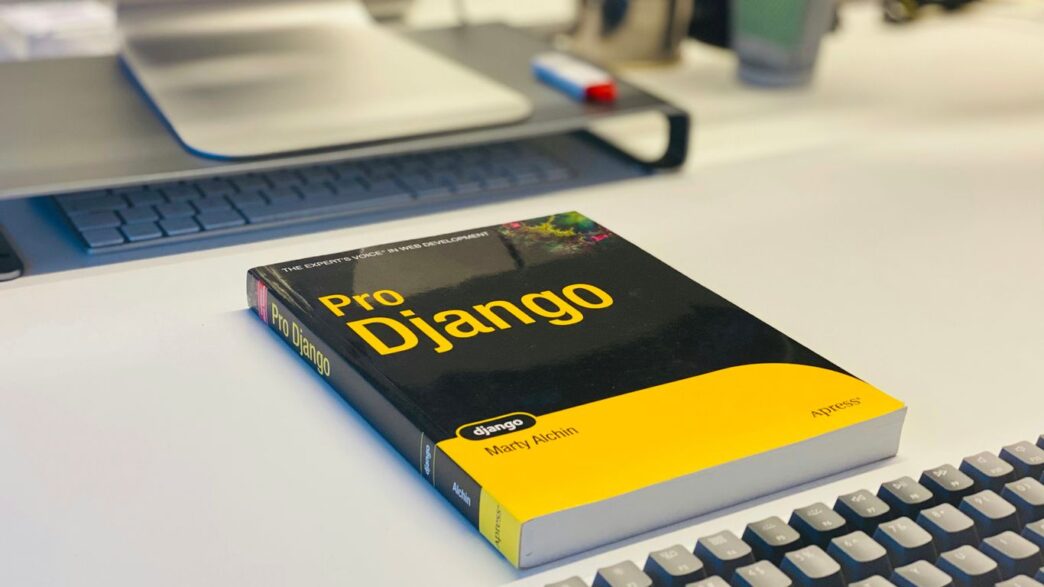
Think about the repetitive tasks you do every day on your computer. Whether it’s sorting through emails, organizing files, or pulling data from spreadsheets, Python can automate a lot of that. Books like "Mastering Django: The Complete Guide to Django 1.8 LTS" can show you how to build web applications, which is a huge area where Python shines. It’s not just about making websites, though; it’s about understanding how to structure complex projects and manage them effectively.
Then there’s the art of writing clean, maintainable code. "Beyond the Basic Stuff with Python: Best Practices for Writing Clean Code" gets into the nitty-gritty of this. It’s not always obvious when you’re starting out, but good code is easier to read, debug, and expand upon later. This means learning about:
- Effective variable naming: Making it clear what each piece of data represents.
- Function design: Breaking down problems into smaller, reusable chunks.
- Error handling: Planning for when things don’t go as expected.
- Code structure: Organizing your files and modules logically.
These aren’t just abstract ideas; they translate directly into saving time and reducing frustration down the line. Learning these practices now will make your programming journey much smoother as you tackle bigger projects.
Comprehensive Python Programming Book PDF Resources
Sometimes you just need a good reference, right? Like when you’re trying to figure out how to handle files or maybe get some data out of a spreadsheet. That’s where these kinds of books come in handy. They’re not always about learning from scratch, but more about having a solid guide when you hit a snag or want to do something specific.
Think about tasks like automating repetitive computer actions. You know, the stuff that eats up your day. Books focusing on this often break down how to use Python to interact with your operating system, manage files, or even send emails. It’s pretty neat how you can get Python to do the grunt work for you.
Here are a couple of areas these resources often cover:
- Working with Data: This can mean anything from pulling text out of PDFs to organizing information in spreadsheets or databases. You’ll find guides that show you how to read and write different file types, like CSVs and JSONs.
- System Automation: Ever wanted to control your mouse and keyboard with code? Or maybe have your computer read text aloud? These books explore those kinds of practical applications.
- Advanced Data Structures: While some books might just touch on dictionaries and lists, others go deeper into how to use them effectively, especially when dealing with larger amounts of information or complex data relationships.
These resources are great for when you’ve got the basics down and want to apply Python to real-world problems. They often provide clear examples that you can adapt for your own projects. It’s all about making Python work for you, one task at a time.
Beginner-Friendly Python Programming Book PDFs
Getting started with programming can feel like a big step, but there are some great resources out there to make it easier. If you’re looking to learn Python without getting overwhelmed, these books are a good place to start. They focus on making the basics clear and easy to follow, so you can build a solid foundation.
Introduction to Programming through Python and C
This resource is designed to ease you into the world of coding. It breaks down programming concepts using Python and also touches on C, which can give you a broader perspective. You’ll find explanations that don’t assume you already know a lot about computers. It’s about learning how to think like a programmer, step by step.
Python Programming Course Material
Sometimes, structured course notes are exactly what you need. This type of material often lays out topics in a logical order, perfect for someone just starting. You might find:
- Clear explanations of basic syntax.
- Examples that show how to write simple programs.
- Exercises to help you practice what you’ve learned.
These materials are usually put together to guide you through the initial learning curve, making sure you grasp the core ideas before moving on to more complex subjects. It’s like having a roadmap for your first coding journey.
Advanced Python Programming Book PDF Guides
Understanding Dictionaries and Modules
So you’ve gotten past the basics, huh? That’s great! Now it’s time to really start building things that feel like actual programs. Dictionaries are super handy for storing information in a way that makes sense, like a real-world dictionary where you look up a word (the key) to get its definition (the value). They’re way more flexible than just lists for certain jobs. And modules? Think of them as toolboxes. Python comes with a bunch of built-in ones, and you can also create your own or use ones other people have made. This lets you organize your code and reuse it without having to rewrite everything from scratch. It’s all about making your code cleaner and easier to manage.
Working with Classes and Inheritance
This is where things get really interesting, moving into object-oriented programming (OOP). Instead of just writing a sequence of commands, you start thinking about your program in terms of ‘objects’ that have properties and can do things. For example, you could create a ‘Car’ object that has properties like ‘color’ and ‘speed’, and actions like ‘start_engine’ or ‘accelerate’. Inheritance is like a family tree for these objects. You can create a ‘SportsCar’ object that inherits all the properties and actions of a regular ‘Car’ but adds its own special features, like a ‘turbo_boost’ action. It’s a powerful way to structure complex programs and avoid repeating yourself. Learning these concepts will make you a much more effective programmer.
Download Your Free Python Programming Book PDF Today
Accessing Your Free Python Programming Book PDF
Ready to grab your free Python programming book? It’s simpler than you might think. Many excellent resources are available online, often hosted directly by the authors or through academic institutions. You don’t need to hunt around too much; often, a quick search will lead you to the official download links. For instance, if you’re interested in how Python is used in economics and finance, there are lecture series specifically designed for beginners in these fields, providing a solid foundation. Just make sure you’re downloading from a trusted source to keep your computer safe.
Exploring the Contents of Your Python Programming Book PDF
Once you’ve downloaded your chosen PDF, it’s time to see what’s inside. These books cover a wide range of topics, from the absolute basics to more advanced concepts. You’ll find that many of them are structured to guide you step-by-step.
Here’s a general idea of what you can expect:
- Core Python Concepts: Expect chapters on variables, data types (like strings, numbers, lists, and dictionaries), control flow (if/else statements, loops), and functions. These are the building blocks for everything else.
- Practical Applications: Many books focus on using Python for real-world tasks. This could include automating repetitive jobs, working with files (like PDFs and spreadsheets), web scraping, or even basic data analysis.
- Project-Based Learning: Some resources include mini-projects or examples that let you apply what you’ve learned immediately. This hands-on approach really helps solidify your understanding.
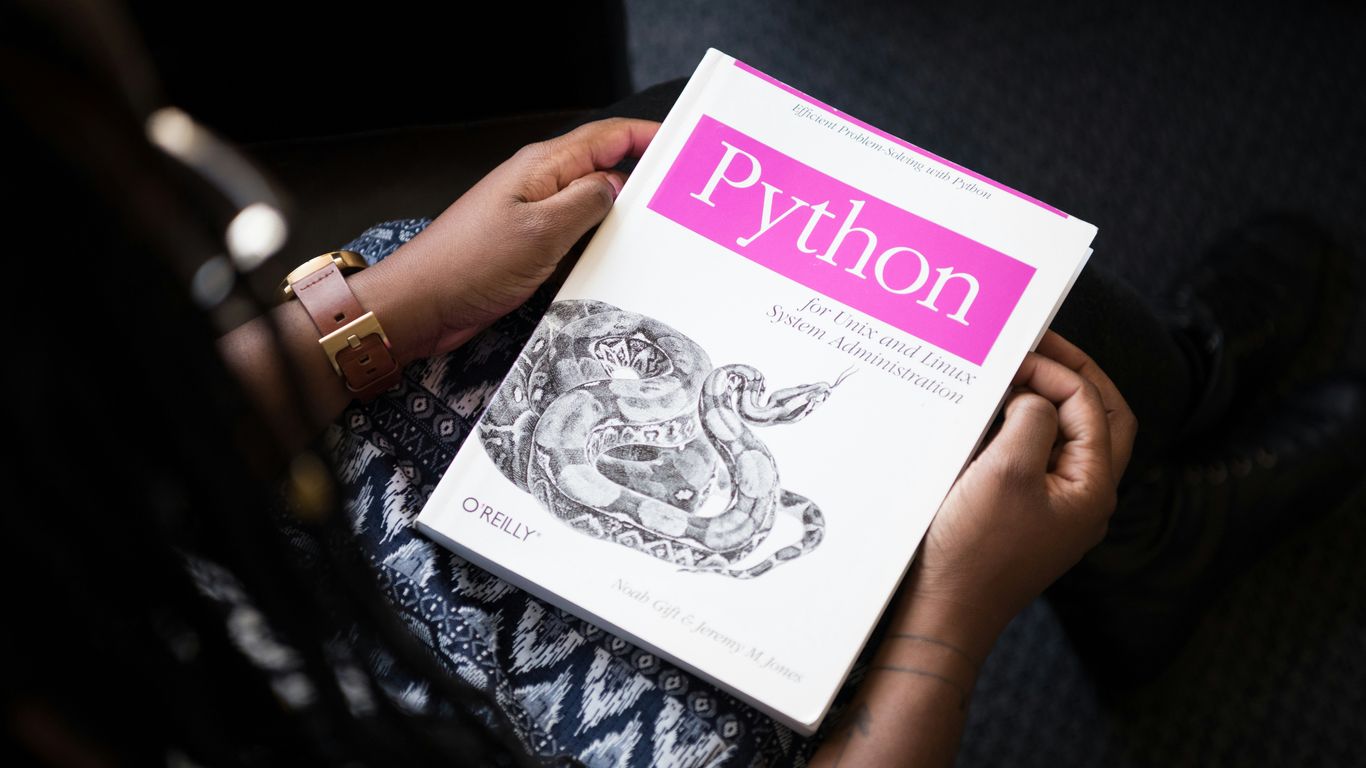
For example, a book like "Automate the Boring Stuff with Python" walks you through automating tasks that would normally take hours by hand. It covers everything from basic Python syntax to manipulating spreadsheets and PDFs. Another great option, "Python for Everybody," focuses on exploring data, which is super useful if you’re looking to get into data science. The key is to find a book that matches your current skill level and your learning goals. Don’t be afraid to download a couple and see which one clicks best for you.
Start Coding Today!
So there you have it. We’ve talked about some really great free Python books that can help you get started or even improve your skills. Whether you’re looking to automate boring tasks, build websites, or just understand how computers work, there’s a book out there for you. Don’t just think about it, go ahead and download one. It’s a small step, but it could lead to some big changes in what you can do. Happy coding!
Frequently Asked Questions
What is Python and why should I learn it?
Python is a popular computer language that’s easy to learn, even if you’ve never coded before. It’s used for many things, like making websites, analyzing data, and even creating games. Learning Python can open up lots of cool job opportunities!
Are these books really free?
Yes, all the books mentioned in this guide are available to download or read online for free. You don’t need to spend any money to start learning Python with these great resources.
I’m a complete beginner. Which book should I start with?
For absolute beginners, ‘Automate the Boring Stuff with Python’ is a fantastic choice. It teaches you the basics by showing you how to make your computer do simple, repetitive tasks, which is super fun and practical.
What if I want to learn about data or web development?
If you’re interested in data, ‘Python for Everybody: Exploring Data in Python 3’ is excellent. For web development, especially using the Django framework, ‘Mastering Django: The Complete Guide to Django 1.8 LTS’ is a comprehensive option.
Do I need a powerful computer to use Python?
Nope! Python is quite lightweight. You can run it on most regular computers, even older ones. You just need to install the Python software, which is also free.
How do I download these free Python books?
Each book listed usually has a link provided that takes you directly to where you can download the PDF or read it online. Just follow the links in the article to get started!