Duke Energy is really stepping up its game when it comes to renewable energy. It seems like they’re not just talking the talk, but actually walking the walk, investing a lot in cleaner power sources and the technology to back them up. From wind and solar farms to fancy new battery systems that keep the lights on when the sun isn’t shining, they’re making some big moves. Plus, they’ve got programs to help regular folks get in on the action with solar panels and batteries for their homes. It’s a pretty interesting shift to watch.
Key Takeaways
- Duke Energy is steadily increasing its use of wind and solar power, adding to its overall renewable energy capacity.
- The company is making significant investments in battery storage technology to help stabilize the grid and manage renewable energy flow.
- Duke Energy is exploring different types of batteries, including sodium-sulfur and other non-lithium options, for long-duration energy storage.
- Programs like PowerPair are being offered to encourage homeowners to adopt solar energy and battery storage systems.
- Future plans include modernizing power plants, supporting electric vehicles, and building more resilient, decentralized energy grids.
Duke Energy’s Growing Renewable Energy Portfolio
Duke Energy isn’t just talking about renewable energy; they’re actively building it. Over the years, the company has steadily increased its capacity in wind and solar power. This isn’t just about meeting current demand; it’s about positioning for a cleaner future. They’ve been adding new solar farms and wind projects across their service areas, which is a big deal for reducing reliance on fossil fuels.
Steady Growth in Wind and Solar Energy
It’s pretty cool to see how much wind and solar power Duke Energy has brought online. They’ve been making consistent progress, adding more megawatts of clean energy capacity each year. This growth is a key part of their strategy to transition away from older, less clean energy sources. Think of it like this: every new solar panel installed and every new wind turbine spinning is a step towards a more sustainable grid.
- Increased Megawatts: Duke Energy has been adding significant renewable energy capacity, with targets for future expansion.
- Geographic Spread: These projects are located across various states where Duke Energy operates, diversifying their renewable sources.
- Environmental Impact: The expansion directly contributes to reducing greenhouse gas emissions and improving air quality.
Expanding Commercial Power and International Assets
Beyond their regulated utility operations, Duke Energy also has a commercial power segment. This part of the business includes owning and operating power generation assets, and importantly, a growing collection of renewable energy projects. These aren’t just in the U.S. either; they have a presence internationally. This diversification helps them gain experience and scale in the renewable energy sector, which can then inform their domestic strategies. It’s a way for them to learn and grow in different markets, bringing back valuable insights.
Investing in Advanced Energy Storage Solutions
Duke Energy is really putting its money where its mouth is when it comes to battery storage. It’s not just a small experiment; they’re making big moves to make the grid more reliable and bring in more clean energy. Think of it as building a bigger, smarter battery for the whole neighborhood, and sometimes, even for individual homes.
Duke Energy’s Battery Bet for a Sustainable Future
This isn’t just about having backup power when the lights go out, though that’s a big part of it. Duke Energy sees batteries as a key piece of the puzzle for a cleaner energy future. They’re investing in these systems to help smooth out the ups and downs that come with renewable sources like solar and wind. When the sun isn’t shining or the wind isn’t blowing, batteries can step in. This commitment is a major step towards a more stable and sustainable energy grid. It’s about making sure we have power when we need it, from sources that are better for the planet.
Strategic Investments in Battery Storage Facilities
Duke Energy is putting its money into actual battery projects. They’ve got a big battery facility going up in Knightdale, North Carolina. This one is designed to be a 100-megawatt powerhouse, which will help with the growing electricity demand in that area. Then there’s the Micanopy facility in Florida. It’s a bit smaller, but it’s important because it uses non-lithium battery tech and can help about 800 homes during storms. They’re also looking at new solar farms that could include battery storage, aiming to get almost 300 megawatts online by mid-2026.
Here’s a quick look at some of their investments:
- Knightdale Battery Facility (North Carolina): A 100 MW project to boost grid capacity.
- Micanopy Battery Facility (Florida): Uses non-lithium batteries and provides backup for around 800 customers.
- New Solar Sites (Florida): Planned for 2026, these will add nearly 300 MW, with potential for battery integration.
Partnerships for Energy Storage Advancement
Duke Energy knows it can’t do it all alone. They’re teaming up with other companies to get the best technology and get things done faster. One interesting partnership is with NGK Insulators. They’re testing out sodium-sulfur batteries at Duke’s Suwannee site in Florida. These batteries can store power for a much longer time, up to eight hours, which is great for long-duration storage needs. They’re also working with Fortress Power to help homeowners in North Carolina get solar panels and batteries installed through the PowerPair program, offering significant rebates.
| Partner / Project | Time Frame | Details and Strategic Purpose |
|---|---|---|
| NGK Insulators | 2025 | Piloting sodium-sulfur (NAS) battery technology for long-duration storage (5 MW, 8-hour duration) at Suwannee site. |
| Fortress Power | 2025 | Partnering on the PowerPair program to offer rebates for residential solar and battery storage systems in North Carolina. |
| GE Vernova | 2025 | Securing gas turbines, which highlights the need for complementary energy storage solutions to manage electricity demand. |
These collaborations show Duke Energy is looking at different ways to store energy and working with others to make it happen.
Enhancing Grid Reliability with Modern Technologies
Keeping the lights on, especially when adding more renewable energy, is a big job. Duke Energy is looking at new ways to make sure the grid stays steady and dependable. This means using smart tech and, of course, batteries.
Integrating Battery Storage for Grid Stability
Batteries are becoming a really important part of the puzzle. They can store excess energy when the sun is shining bright or the wind is blowing hard, and then release it when demand is high or when those renewable sources aren’t producing. It’s like having a big energy reserve ready to go.
- Providing backup power during outages: When something goes wrong, batteries can kick in quickly to keep essential services running.
- Smoothing out renewable energy supply: They help manage the ups and downs of solar and wind power, making the grid more predictable.
- Handling peak demand: Batteries can release stored energy during times when everyone is using a lot of electricity, reducing strain on the system.
The Role of the Regulated Renewable Operations Center
Duke Energy has a special team called the Regulated Renewable Operations Center (RROC). Think of them as the air traffic controllers for renewable energy and storage. They watch over everything, making sure all the different pieces of the grid work together smoothly. This center is key to integrating new technologies like battery storage without causing problems.
Ensuring Grid Resilience During Storms
When bad weather hits, the grid needs to be tough. Duke Energy is using battery storage systems, like the one in Micanopy, Florida, to help keep power flowing even when storms knock out regular lines. These systems can provide backup power to homes and critical facilities, making communities more resilient when they need it most. It’s all about having a plan and the right tools in place for when things get tough.
Customer-Centric Renewable Energy Programs
Duke Energy isn’t just building big battery farms and solar arrays; they’re also thinking about how regular folks can get in on the clean energy action. It’s all about making renewable energy work for you, whether you’re a homeowner or just looking for ways to manage your electricity use better.
The PowerPair Program for Homeowners
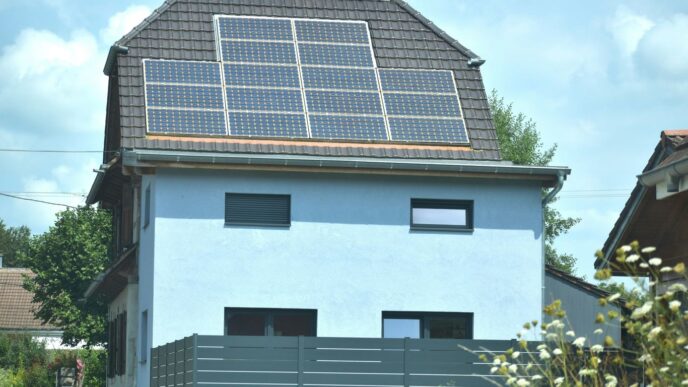
This program, mainly in North Carolina, is a pretty neat way to get homeowners involved. Basically, if you install eligible solar panels and a battery storage system, Duke Energy offers rebates to help with the cost. It’s a win-win: you get to generate your own power, have backup when the grid flickers, and potentially lower your energy bills. Plus, by storing solar energy in a battery, you can use it even when the sun isn’t shining, which is a big deal for making solar more reliable.
Incentives for Residential Solar and Battery Storage
Beyond PowerPair, Duke Energy is looking at other ways to encourage people to adopt solar and battery tech at home. Think about it: the more homes that have these systems, the more distributed energy we have, which can actually help stabilize the whole grid. They’re exploring different kinds of incentives, not just direct rebates, but maybe other financial benefits too. It’s a way to get more people on board with clean energy without it feeling like a huge financial burden right off the bat.
Empowering Customers with Energy Management Solutions
It’s not just about installing the equipment; it’s also about how you use the energy. Duke Energy is working on tools and programs that help customers understand their energy use and make smarter choices. This could mean apps that show you real-time energy consumption or programs that help you shift your energy use to times when electricity is cheaper or cleaner. The goal is to give customers more control over their energy bills and their environmental impact, making it easier to be part of the clean energy transition.
Exploring Diverse Battery Technologies
Duke Energy isn’t just sticking to one type of battery for its energy storage needs. They’re looking at a few different kinds to see what works best for different jobs. It’s like having a toolbox with various tools – you wouldn’t use a hammer for every single task, right?
Sodium-Sulfur Batteries for Long-Duration Storage
One interesting area Duke Energy is exploring is sodium-sulfur (NAS) batteries. These are pretty neat because they can store a lot of energy for longer periods. Think about it: while your typical lithium-ion battery is great for quick bursts of power, NAS batteries can keep going for up to eight hours. Duke Energy has been testing a 5-megawatt NAS system in Florida. This kind of long-duration storage is important for when the sun isn’t shining or the wind isn’t blowing, helping to keep the lights on reliably.
Piloting Non-Lithium Battery Technologies
Beyond NAS, Duke Energy is also looking at other battery types that don’t use lithium. They’ve got a facility in Micanopy, Florida, that uses a non-lithium battery. This shows they’re not putting all their eggs in one basket. Different battery chemistries have different strengths, and by trying them out, Duke Energy can figure out the best fit for various grid needs, whether it’s for quick response or sustained power.
Quest for Diverse Energy Storage Solutions
Ultimately, Duke Energy’s interest in different battery technologies points to a bigger picture. The energy landscape is changing, and relying on just one solution might not be enough. They’re looking for a mix of storage options to make the grid more flexible and dependable. This includes:
- Grid Stability: Using batteries to smooth out the power supply, especially when lots of renewable energy is coming online.
- Backup Power: Providing electricity when there are outages, like during bad weather.
- Renewable Integration: Helping to store excess solar or wind power so it can be used later.
By testing and investing in a variety of battery types, Duke Energy is working towards a more robust and adaptable energy system for the future.
Future Initiatives in Clean Energy
Duke Energy isn’t just resting on its current renewable energy achievements; the company is actively looking ahead, planning for a cleaner and more robust energy future. This involves a multi-pronged approach, touching everything from the power plants themselves to how we all use electricity.
Modernizing Power Plants for a Cleaner Grid
Think of the big power plants that have been around for a while. Duke Energy is working on updating these facilities. The goal isn’t just to keep the lights on, but to do it in a way that produces less pollution. This means looking at cleaner fuels and more efficient technologies to reduce the environmental impact of electricity generation. It’s a big job, but necessary for meeting future energy demands responsibly.
Promoting Electric Vehicle Adoption
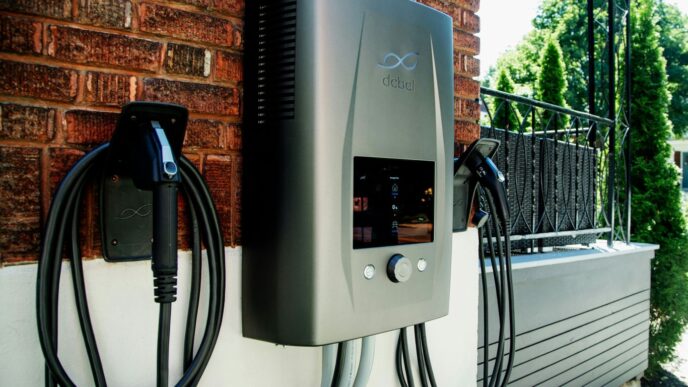
Electric vehicles (EVs) are becoming more common, and Duke Energy sees them as a key part of a cleaner energy system. They’re looking into ways to make charging EVs easier and more widespread. This could involve:
- Supporting the build-out of public charging infrastructure.
- Developing programs that encourage EV charging during off-peak hours to help balance the grid.
- Exploring how EVs can potentially send power back to the grid when needed, acting like mobile batteries.
The company believes that widespread EV adoption, supported by a clean grid, is a win-win for everyone.
Decentralization and Resilient Energy Grids
The way we get our power is changing. Instead of relying solely on a few large power plants, Duke Energy is exploring a more distributed model. This means more local energy sources, like rooftop solar and smaller community projects, working together. This decentralization, combined with advanced battery storage and smart grid technologies, makes the whole system more resilient. If one part of the grid has an issue, especially during bad weather, other parts can pick up the slack, keeping power flowing to homes and businesses. It’s all about building a grid that can handle challenges and adapt to changing needs.
Looking Ahead: Duke Energy’s Continued Push for Green Power
So, it’s pretty clear Duke Energy isn’t just talking about renewable energy; they’re actually putting money and effort into making it happen. From those big battery projects in Florida and North Carolina to helping homeowners get solar panels and storage with programs like PowerPair, they’re trying different things. It’s not just about meeting today’s needs but also building a power system that can handle whatever comes next, especially with more extreme weather. They’re exploring new battery tech too, which is interesting. It seems like they’re serious about modernizing and cleaning up how we get our electricity, and that’s a good sign for the future.