Navigating Canada’s Electric Mobility Landscape
So, what’s the general feeling about electric cars and all the rules around them in Canada right now? It’s a big question, and Electric Mobility Canada (EMC) actually did a survey back in September 2025 to get a handle on it. They talked to 1,500 Canadians, and the results are pretty interesting. Turns out, most people are on board with keeping things moving forward.
Understanding Canadian Consumer Sentiment on EV Regulation
When it comes to rules about electric vehicles, a solid 73% of Canadians want the country to stick with its own regulations aimed at making cars cleaner and more efficient. This isn’t just a small group; it shows a pretty clear public desire to keep pushing for better environmental standards. It seems like folks understand that these regulations play a part in improving air quality and making our communities healthier places to live.
Industry Leaders Convene on Parliament Hill
It wasn’t just consumers talking. On September 16, 2025, a bunch of big names from the electric vehicle world got together in Ottawa. They held a press conference to talk about the government’s recent decision to pause and rethink the Electric Vehicle Availability Standard, which sets sales targets for zero-emission vehicles. People like Daniel Breton from EMC, Travis Allan of the Canadian Charging Infrastructure Council, and Michelle Llambias-Meunier from Propulsion Québec were there. They made it clear that this standard is a big deal for making sure there’s a steady supply of electric cars available for Canadians, and it helps make them more affordable too. They also pointed out that messing with this standard could hurt jobs and give other countries an edge.
Electric Mobility Canada’s Role in Advocacy
EMC sees itself as the main voice for electric transportation across Canada. They’ve been around since 2006 and work on pushing for electric mobility through talking to the government, getting different groups to work together, and sharing information. They really want Canada to be a leader in this area. Based on what they’re hearing and seeing, EMC is pushing for a few key things:
- Keep the EV Availability Standard as it is.
- Bring back the EV rebate program, especially for people who need the financial help the most.
- Treat building EV charging stations like a national priority.
- Create a complete plan for Canada’s EV industry, from getting the materials to making batteries and building charging stations, so more of the work stays in Canada.
They’re pretty firm on this, especially after Canada tried voluntary targets with car companies in the past and they missed the mark by a mile. Experience, they say, shows that regulations actually work better than just hoping companies will do the right thing.
Advancing EV Charging Infrastructure and Deployment
Okay, so let’s talk about getting more charging stations out there. It’s a big deal for electric cars, right? Without enough places to plug in, people just won’t make the switch. In 2026, the focus is really shifting. It’s not just about putting up chargers anymore; it’s about making sure they work well and that people actually want to use them.
Key Trends in EV Charging Events for 2026
This year’s big industry get-togethers are showing us a few things. For starters, everyone’s talking about making the charging experience better for drivers. Think less waiting, easier payment, and just a smoother process overall. It’s like going from just having a gas pump to having a really nice, clean, and fast service station.
- Customer Experience is King: Events are highlighting how important it is to build driver confidence. This means reliable chargers and simple apps.
- Tech is Getting Smarter: AI and smart charging systems are everywhere. They’re talking about how chargers can talk to the grid and even your home’s power usage.
- Money Talks: With lots of government money going into this, there are tons of sessions on how to pay for it all, including partnerships between public and private groups.
Addressing Challenges in Network Reliability and Profitability
This is where things get a bit tricky. Building out a charging network is expensive, and making money from it isn’t always straightforward. We’re seeing a lot of discussion about how to keep these stations running smoothly. Nobody likes showing up to a broken charger, and businesses need to see a return on their investment.
Here’s a look at some of the issues being tackled:
- Keeping it Running: How do we make sure chargers are always working? This involves better maintenance and quicker repairs.
- Making Cents: What are the best ways to charge people so that the charging companies can stay in business and even grow?
- Grid Strain: As more EVs plug in, how do we make sure the electrical grid can handle it, especially during peak times?
The Intersection of Innovation, Policy, and Technology
It’s not just about the hardware. The real magic happens when new ideas, smart government rules, and cool tech all come together. For example, new battery tech could mean faster charging, while government incentives might encourage more people to install chargers at home or at work. It’s a complex puzzle, but getting it right is key to making electric driving the norm across Canada.
The goal is to create a charging ecosystem that’s not only advanced but also accessible and dependable for everyone.
Strategies for Fleet Electrification
Fleet Electrification as a Strategic Imperative
Switching company vehicles to electric isn’t just about looking good; it’s becoming a smart business move. For many companies, especially those with large vehicle fleets, going electric is a way to cut down on fuel and maintenance costs. Think about it: fewer moving parts in an EV means less can go wrong, and electricity is generally cheaper than gasoline. Plus, with more and more cities looking at stricter emissions rules, getting ahead of the curve now can save a lot of headaches later. Companies that electrify their fleets are positioning themselves for long-term savings and better environmental standing. It’s a shift that makes sense financially and operationally.
Operational Excellence in Electric Fleets
Running an electric fleet smoothly takes some planning, but it’s totally doable. The biggest thing is figuring out charging. Where will vehicles charge? Overnight at a depot? During the day at public stations? This needs to be mapped out. You also need to consider the range of the vehicles and how that fits with your daily routes. Some companies are finding success by:
- Optimizing charging schedules: Charging during off-peak hours can save money and reduce strain on the grid.
- Training drivers: Educating drivers on how to maximize range and use regenerative braking can make a big difference.
- Implementing telematics: Using technology to track vehicle performance, battery health, and charging status helps manage the fleet effectively.
It’s about making sure the vehicles are ready to go when needed, without unexpected downtime. This requires a bit of a learning curve, but the payoff in efficiency is worth it.
The Role of Corporate Fleets in Decarbonization
Corporate fleets have a pretty big impact when it comes to reducing overall carbon emissions. They often drive more miles than personal vehicles and represent a significant portion of a company’s environmental footprint. By transitioning these vehicles to electric power, businesses can make a substantial contribution to decarbonization goals. This isn’t just about meeting regulatory requirements; it’s about corporate responsibility and showing customers and stakeholders that the company is serious about sustainability. The ripple effect is also important – seeing major companies make the switch encourages others to follow suit, creating a broader shift across the industry.
The Future of EV Policy and Regulation in Canada
When we talk about electric vehicles taking over, it’s not just about cool new cars showing up. There’s a whole lot of government stuff happening behind the scenes, and that’s what we’re looking at here. Canada’s been trying to get more EVs on the road, and they’ve got some rules in place to make that happen. But, like anything, there’s always talk about changing things.
Maintaining the EV Availability Standard
So, there’s this thing called the EV Availability Standard, or EVAS. Basically, it’s a rule that tells car companies how many electric and plug-in hybrid vehicles they need to sell in Canada each year. It’s designed to make sure we actually get a good selection of EVs to choose from, and that they don’t cost an arm and a leg. Some folks in the industry, like Electric Mobility Canada (EMC), really think we should keep this standard exactly as it is. They say it’s the best way to make sure Canadians can actually buy the EVs they want.
Back in September 2025, EMC did a survey, and it turns out most Canadians agree. Like, 73% of people surveyed said they want Canada to keep its own rules to make cars cleaner. It seems like people are tired of just breathing in exhaust fumes.
The Importance of a Comprehensive Canadian EV Industry Strategy
Beyond just the availability standard, there’s a bigger picture. EMC and others are pushing for a real, solid plan for the whole Canadian EV industry. This isn’t just about selling cars; it’s about making them here, too. Think about mining the materials, building the batteries, putting together the cars, and setting up all the charging stations. The idea is to have more of this work happen right here in Canada, creating jobs and keeping money in the country. It’s about making sure Canada isn’t just a place where EVs are sold, but a place where they’re made and supported from start to finish.
Here’s what EMC thinks is important for this strategy:
- Keep the EV Availability Standard as it is.
- Bring back the EV rebate program, especially for people who really need the help to afford an EV.
- Make building charging stations a national priority.
- Create a full-on strategy for the Canadian EV industry, covering everything from mining to charging.
Lessons Learned from Past Voluntary Agreements
Now, not everyone agrees on how to get there. Some people have suggested that maybe voluntary targets for car companies would be better than strict rules. But Canada has tried that before. Back in the day, car companies agreed to voluntary targets for selling cleaner cars, and guess what? They missed their goals by a mile – like, 95% missed. That experience showed that when it comes to getting a lot of EVs on the road, voluntary promises just don’t cut it. It seems like actual regulations are what get the job done. It’s a tough lesson, but it shows why having clear rules, like the EV Availability Standard, is so important for making real progress.
Technological Innovations in Electric Mobility
Showcasing Cutting-Edge EV Technologies
This year’s conference is really shining a spotlight on what’s new and exciting in the world of electric vehicles. It’s not just about cars anymore; it’s about the whole system. We’re seeing a lot of focus on battery advancements, which is a big deal for range and charging times. Think about solid-state batteries – they’re still a bit in the future, but the progress being made is pretty impressive. Plus, there’s a lot of talk about lighter materials for vehicles, making them more efficient overall. It feels like every aspect of the EV is getting a tech upgrade.
The Integration of AI and Smart Charging Systems
Artificial intelligence is popping up everywhere, and EV charging is no exception. Smart charging systems are getting way more sophisticated. They can now predict when electricity is cheapest and use that knowledge to charge your car. This isn’t just convenient; it helps balance the load on the power grid, which is super important as more EVs come online. Imagine your car automatically charging overnight when rates are low and demand is down. It’s all about making the charging process smarter and more efficient for everyone. We’re also seeing AI used in managing charging networks, making sure they’re running smoothly and identifying potential issues before they become big problems.
Next-Generation Charging Solutions
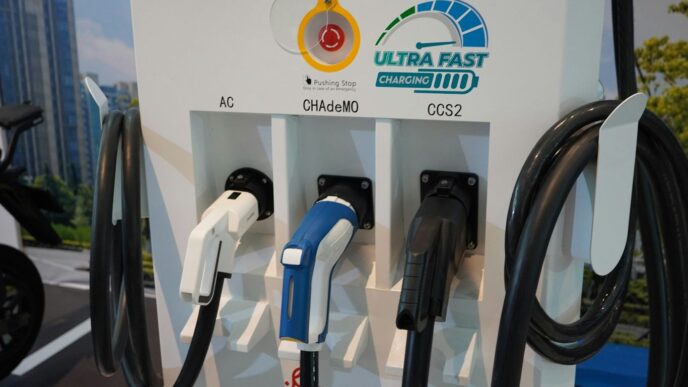
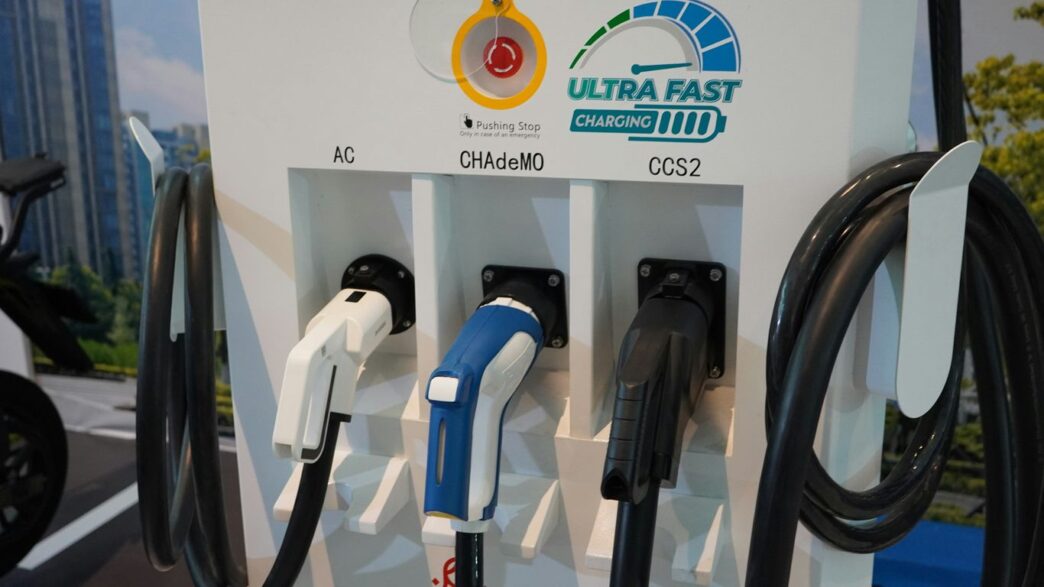
Forget just plugging in your car. The future of charging is looking pretty dynamic. We’re talking about ultra-fast charging that can add significant range in just a few minutes – think of it like a quick pit stop. Then there’s wireless charging, which could make charging as simple as parking your car over a pad. It sounds like science fiction, but it’s getting closer to reality. Another area getting a lot of attention is bidirectional charging, where your EV can actually send power back to your home or the grid. This could be a game-changer for energy management. Here’s a quick look at some of the charging tech making waves:
- Ultra-Fast Charging: Significantly reduces charging times, making EVs more practical for long trips.
- Wireless Charging: Offers convenience and eliminates the need for physical cables.
- Bidirectional Charging (V2G/V2H): Allows EVs to act as mobile power sources for homes or the grid.
- Megawatt Charging Systems (MCS): Designed for heavy-duty vehicles like trucks and buses, enabling rapid charging for commercial fleets.
Investment and Financing for Electric Mobility
So, let’s talk about the money side of things when it comes to electric vehicles in Canada. It’s not just about buying a car or putting up a charging station; there’s a whole financial ecosystem that needs to work. Getting the right funding in place is absolutely key to making sure electric mobility actually takes off across the country.
Financing Infrastructure Deployment
Building out charging networks isn’t cheap, that’s for sure. We’re talking about everything from fast chargers on highways to smaller ones in apartment buildings and workplaces. Utilities, private companies, and even governments are all looking at how to pay for this. It’s a mix of public money, private investment, and sometimes, creative financing models. Think about it: you need big upfront cash to get these stations built, and then you need a plan for how they’ll make money over time. This often involves looking at different pricing structures, maybe subscription models, or even partnerships with businesses that want charging available for their customers.
Public-Private Partnerships in Electrification
This is where things get interesting. Governments can’t do it all alone, and private companies need a stable environment to invest. So, public-private partnerships, or PPPs, are becoming a big deal. The government might provide land, streamline permits, or offer some initial funding, while private companies bring the capital and the know-how to build and operate the charging infrastructure. It’s a way to share the risk and speed things up. For example, a city might partner with a charging company to install chargers in public parking lots, with the city getting a cut of the revenue or a guaranteed service for its residents.
Attracting Investment for EV Growth
Beyond just charging stations, there’s a need for investment across the whole EV sector. This includes manufacturing, battery technology, software for managing charging networks, and even the vehicles themselves. Canada has a lot to offer, but it needs to make itself attractive to investors. This means having clear policies, a stable regulatory environment, and demonstrating a strong market demand. We’re seeing a lot of focus on innovation hubs and incentives to encourage companies to set up shop here. The more investment we attract, the more jobs we create and the faster we can move towards a fully electric future.
Looking Ahead
So, the Electric Mobility Canada Conference 2026 really hammered home that we’re past the ‘if’ and deep into the ‘how’ of electric vehicle adoption in Canada. It wasn’t just about shiny new tech, though there was plenty of that. What really stood out were the conversations about making EVs work for everyone – from big city fleets to folks living in apartment buildings. We heard a lot about needing solid plans for charging stations everywhere and making sure regular people can actually afford these cars. It feels like the momentum is building, and the next few years are going to be busy, but in a good way. Canada’s got a real shot at leading this change, and events like this conference are where those plans start to take shape.