As energy costs continue to rise and homeowners look for more reliable and sustainable power solutions, energy storage for home has become an increasingly popular option. Home energy storage systems allow households to store electricity for later use, offering greater control over energy consumption, improved reliability during outages, and better integration with renewable energy sources such as solar power.
What Is Home Energy Storage?
Home energy storage refers to systems that store electrical energy within a household for later use. These systems typically include rechargeable batteries, an inverter, a battery management system (BMS), and energy monitoring software. Energy can be stored from the utility grid or from on-site renewable sources like solar panels.
When electricity demand increases or grid power is unavailable, the stored energy is released to supply the home. This allows homeowners to use energy more efficiently and reduce dependence on the grid.
How Home Energy Storage Systems Work
Home energy storage systems charge batteries when electricity is abundant or affordable, such as during off-peak hours or when solar panels generate excess power during the day. The stored energy is then discharged during peak hours, at night, or during power outages.
Smart energy management software controls when the system charges and discharges, ensuring optimal performance and extending battery life. Many systems also provide mobile app access for real-time monitoring and control.
Types of Home Energy Storage Batteries
Several battery technologies are used for residential energy storage:
- Lithium-ion batteries:The most common choice due to high efficiency, compact size, and long lifespan.
- Lithium iron phosphate (LFP):Known for enhanced safety and thermal stability.
- Lead-acid batteries:Lower upfront cost but shorter lifespan and larger size.
- Emerging technologies:Sodium-ion and solid-state batteries are gaining attention for future residential use.
Lithium-based batteries dominate the home storage market due to their performance and reliability.
Benefits of Energy Storage for Homes
Home energy storage offers multiple advantages:
- Backup power during outages:Keeps essential appliances running during grid failures.
- Lower electricity bills:Reduces peak-time energy consumption and maximizes solar self-use.
- Energy independence:Decreases reliance on utility companies.
- Environmental benefits:Supports renewable energy use and reduces carbon footprint.
- Improved energy management:Provides insight into energy usage patterns.
These benefits make home energy storage an attractive investment for modern households.
Home Energy Storage with Solar Power
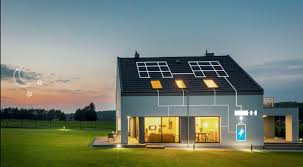
One of the most common applications of energy storage for home is in combination with solar panels. During the day, solar panels generate electricity that can be used immediately or stored in batteries. Excess energy that would otherwise be sent to the grid is stored for evening or nighttime use.
This setup increases self-consumption of solar energy and reduces dependence on net metering policies. It also ensures power availability during outages, even when the sun is not shining.
Key Considerations Before Installing Home Energy Storage
Before installing a home energy storage system, homeowners should consider several factors:
- Energy needs:Understanding daily energy usage helps determine system size.
- Battery capacity and power rating:Affects how long the system can supply electricity.
- Compatibility:The system should work seamlessly with existing solar panels and inverters.
- Installation space:Proper ventilation and safety clearances are required.
- Local regulations and incentives:Government incentives can significantly reduce costs.
Professional assessment ensures the system meets household requirements safely and efficiently.
Challenges of Home Energy Storage
Despite its benefits, home energy storage also has some challenges:
- High upfront costs:Initial investment can be significant, though prices are declining.
- Battery degradation:Storage capacity reduces over time with regular use.
- Maintenance and monitoring:Though minimal, periodic checks are required.
- Recycling and disposal:End-of-life battery management is an important consideration.
Advances in technology and recycling processes are addressing these challenges.
Smart Homes and Energy Storage Integration
Modern home energy storage systems are increasingly integrated with smart home technologies. Homeowners can automate energy usage based on time-of-use rates, weather forecasts, and household behavior. Smart systems can prioritize critical loads, manage electric vehicle charging, and optimize energy flow for maximum efficiency.
Artificial intelligence and cloud-based platforms are further enhancing system intelligence and user experience.
Future of Energy Storage for Homes
The future of home energy storage is promising. As battery costs continue to decline and renewable energy adoption grows, more homeowners are expected to install storage systems. Innovations in battery chemistry, energy density, and safety will make systems more affordable and efficient.
Government incentives and growing awareness of energy resilience will also accelerate adoption.
Conclusion
Energy storage for homes provides a smart, reliable, and sustainable solution for modern living. By enabling efficient energy use, supporting renewable integration, and providing backup power, home energy storage systems empower homeowners to take control of their energy future.