Understanding the Elderly Simulation Suit
So, what exactly is this elderly simulation suit we’re talking about? Think of it as a wearable tool designed to give younger folks a taste of what it’s like to navigate the world with the physical and sensory changes that often come with getting older. It’s not just one thing; it’s a collection of devices that work together. The main idea is to create a temporary, controlled experience of age-related challenges.
Simulating Age-Related Physical Challenges
These suits are pretty clever in how they mimic physical limitations. They often include things like:
- Joint Stiffness: Special bands or materials can restrict movement in joints like the knees, elbows, and wrists, making bending and stretching feel much harder. It’s like trying to move through thick mud.
- Reduced Strength and Dexterity: Gloves might be used to make hands feel clumsy and weak, impacting the ability to grip objects or perform fine motor tasks. Imagine trying to button a shirt with oven mitts on.
- Mobility Restrictions: Some suits might limit how far you can turn your head or bend your back, making everyday actions like looking over your shoulder or picking something up off the floor a real effort.
Sensory Limitations in Aging Simulation
Beyond the physical, these suits also tackle sensory changes:
- Vision Impairment: Special lenses can be inserted into goggles to simulate conditions like cataracts (cloudiness), reduced peripheral vision, or difficulty seeing in low light. Colors might seem dull, and the world can appear blurry.
- Hearing Loss: Ear inserts can muffle sounds or specifically reduce the ability to hear higher frequencies, a common issue as people age. Conversations can become a struggle to follow.
The GERonTological Simulator and Its Capabilities
One specific example is the GERonTological Simulator. This isn’t just a basic suit; it’s designed to layer multiple age-related issues all at once. It can simulate:
- Visual problems like cloudy vision and narrowed sight.
- Hearing loss, particularly for higher sounds.
- Stiff neck movement.
- Joint stiffness throughout the body.
- A general feeling of weakness.
- Difficulty with hand coordination and grip.
It’s a pretty comprehensive package, aiming to give users a more holistic sense of the daily hurdles older adults might face. The goal is to move beyond just reading about these challenges and actually feel them, even if just for a short while.
Impact of the Elderly Simulation Suit on Healthcare Professionals
Enhancing Empathy and Attitudes Towards Older Adults
Putting on an elderly simulation suit isn’t just about feeling a bit creaky; it’s a powerful way for healthcare workers to connect with their patients on a deeper level. When you can’t see clearly, hear well, or move as easily as you used to, it changes everything. This hands-on experience helps build genuine empathy, moving beyond just knowing about age-related issues to actually feeling them. It’s one thing to read about stiff joints, but it’s another to feel that stiffness yourself every time you try to bend over. This direct experience can really shift how professionals view and interact with older adults, making them more patient and understanding.
Improving Understanding of Age-Related Difficulties
Beyond just empathy, these suits offer a practical education in the daily struggles many older people face. Imagine trying to pick up a small pill with fingers that feel clumsy and weak, or trying to follow a conversation in a noisy room when your hearing isn’t what it used to be. The suits simulate these challenges, making it clear why simple tasks can become difficult. This leads to a better grasp of the physical and sensory limitations that impact an older person’s life.
Here’s a look at some common simulated challenges:
- Vision Impairments: Simulates conditions like cataracts or reduced peripheral vision.
- Hearing Loss: Mimics difficulty hearing high-frequency sounds.
- Mobility Restrictions: Includes joint stiffness, reduced strength, and slower movement.
- Dexterity Issues: Replicates loss of fine motor control and grip strength.
Promoting Person-Centered Care Through Simulation
When healthcare providers truly understand the lived experience of aging, they are better equipped to provide care that is tailored to the individual. This simulation experience encourages a shift towards person-centered care, where the patient’s unique needs and challenges are at the forefront. Instead of a one-size-fits-all approach, professionals can adapt their methods and communication to better support older adults. This can lead to more effective treatment, improved patient satisfaction, and a more respectful healthcare environment for everyone involved.
Assessing the Effectiveness of Aging Simulation
So, how do we know if these aging simulation suits actually work? It’s not just about putting on a suit and calling it a day. Researchers have been looking into this, trying to figure out what really changes for people after they use them. It’s a bit tricky because "effectiveness" can mean a lot of different things.
Evaluating Psychological and Physical Effects
When people try on these suits, they often report feeling physically slower and less steady. Studies have measured things like how fast someone can walk or how well they can balance, and sure enough, performance usually goes down. It makes sense, right? The suits are designed to mimic those age-related physical changes. But it’s not just about the physical stuff. Researchers also look at how people feel emotionally and mentally. Some studies suggest that using the suit can make people feel more empathetic towards older adults. It’s like a switch flips, and they start to get it on a deeper level. However, some research has also shown that the experience can bring up negative feelings, like anxiety about getting older or fear of losing abilities. This highlights that the experience isn’t always straightforwardly positive.
Measuring Changes in Attitudes and Empathy
This is where a lot of the research focuses. Did wearing the suit change how people think or feel about older people? Many studies use questionnaires before and after the simulation to see if attitudes have shifted. For example, they might ask participants to rate their agreement with statements about aging or older adults. Similarly, empathy is often measured using specific scales. The results here are pretty mixed. Some studies show a clear increase in positive attitudes and empathy, which is great. Others find less of a change, or even a temporary dip in positive feelings, possibly due to the discomfort or fear the simulation can evoke. It really depends on how the experience is set up and, importantly, what happens after the suit comes off. Debriefing and discussion seem to play a big role in making any positive changes stick.
Limitations in Current Simulation Research
Okay, so while the idea is good, the research isn’t perfect. A lot of studies have some issues that make it hard to draw firm conclusions. For starters, many studies are small and don’t have a control group – meaning there’s no comparison group that didn’t use the suit. This makes it tough to say for sure that the suit itself caused the changes. Also, sometimes the people evaluating the results know who used the suit and who didn’t, which can unintentionally influence their findings. And let’s be honest, people might say they feel more empathetic just because they think that’s what the researchers want to hear. It’s a real challenge to get unbiased results when you’re dealing with feelings and attitudes. More rigorous study designs are definitely needed to really nail down what these suits are doing.
Beyond Empathy: Broader Effects of Simulation
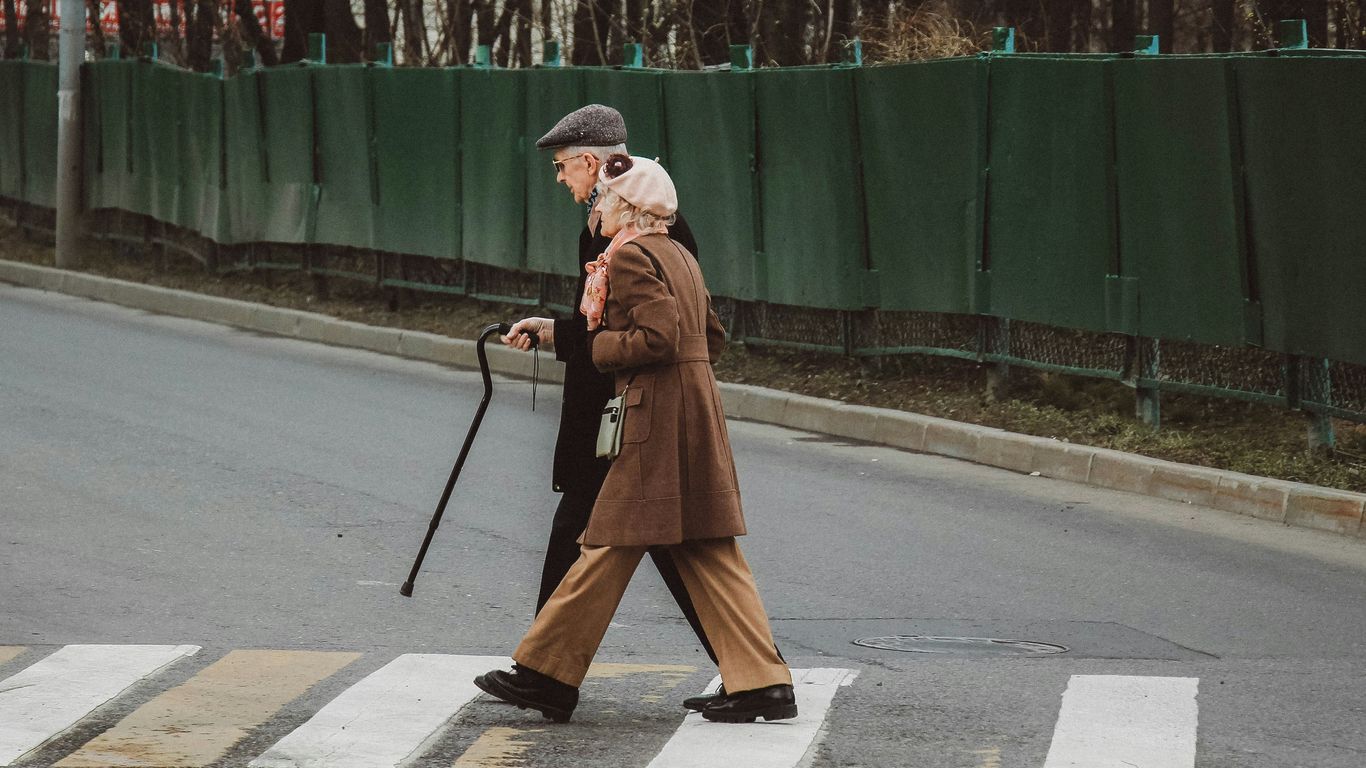
So, we’ve talked a lot about how these simulation suits can make healthcare folks feel more empathetic. That’s a big deal, no doubt. But what else happens when you strap on a suit that makes you feel like you’re 80? It turns out, it’s not just about feeling what it’s like to have stiff joints or blurry vision. The experience can actually mess with your head a bit, and not always in the ways you’d expect.
Influence on Neuropsychological Performance
This is where things get interesting, and honestly, a little less studied. While we know the suits make physical tasks harder – like picking up a dropped pill or even just walking across a room – there’s less solid data on how they affect our brains. The simulation can slow down reaction times and make it harder to focus, mimicking some cognitive changes seen in aging. Think about trying to follow a conversation in a noisy room when your hearing isn’t great, or trying to remember where you put your keys when your memory feels a bit fuzzy. It’s not just about the physical stuff; it’s about how the brain processes information when the body is working differently.
Exploring Cognitive Challenges of Aging
When you’re in the suit, you start to get a feel for those cognitive hurdles. It’s not just about forgetting things, though that can happen. It’s also about:
- Processing speed: Things just seem to take longer to click. You might find yourself needing more time to understand what someone is saying or to figure out a simple problem.
- Attention: It can be tough to filter out distractions. That background hum of the refrigerator or a distant siren can suddenly become really noticeable, making it hard to concentrate on the task at hand.
- Executive functions: Things like planning and organizing can become more difficult. Imagine trying to plan your grocery list and then remember to pick up everything at the store when your focus keeps drifting.
Addressing Age Stereotypes and Risk Perception
Wearing these suits can also shake up how we think about aging in general. For a long time, we’ve had these ingrained ideas about what it means to be old – maybe that everyone is frail, forgetful, or just… well, old. The simulation can challenge those stereotypes. When you struggle with a simple task, you might realize that aging isn’t just one thing; it’s a whole spectrum of experiences. It can also make us think about our own future. Seeing and feeling some of these challenges firsthand might make us more aware of potential health risks down the line, not in a scary way, but in a way that encourages us to think about staying healthy now.
The Role of the Elderly Simulation Suit in Education
Experiential Learning for Health Professionals
So, imagine you’re training to be a nurse or a doctor, and you’re learning about older patients. You read books, you watch videos, but it’s not quite the same, right? That’s where these elderly simulation suits come in. They’re like a shortcut to understanding what it’s really like to get older. Putting on the suit is a direct way to feel the physical and sensory changes that happen with age. It’s not just about knowing that joints get stiff; it’s about feeling that stiffness when you try to bend over or reach for something. This kind of hands-on experience sticks with you way more than just reading about it.
Utilizing Simulation in Geriatric Training
Many schools and hospitals are starting to use these suits as part of their training programs, especially for those focusing on elder care. It’s a practical way to teach future healthcare workers about the daily struggles older adults might face. Think about it:
- Visual changes: Lenses can make vision blurry or narrow the field of sight, like looking through a tunnel.
- Mobility issues: Stiff joints and reduced strength make simple movements difficult.
- Sensory decline: Hearing loss can make conversations a challenge.
These suits help trainees grasp these challenges in a controlled environment, preparing them for real-world interactions.
The Value of First-Hand Insight into Aging
When you experience these limitations yourself, even for a short time, it changes your perspective. You start to appreciate the effort it takes for older individuals to do everyday tasks. This personal insight can lead to more patient, understanding, and compassionate care. It moves beyond just textbook knowledge to a deeper, felt understanding of the aging process. It’s a powerful tool for building empathy and improving how we approach care for our older population.
Future Directions for Elderly Simulation Research
So, where do we go from here with these aging simulation suits? It’s clear they’ve been pretty useful for getting healthcare folks to think a bit more about what older people go through. But honestly, the research still feels a bit… limited. We need to push this further.
Need for Diverse Study Populations
Right now, most of the studies have been done on students, usually in health-related fields. That makes sense, I guess, but it doesn’t tell us the whole story. What about people who aren’t students? What about different age groups trying out the suits? We need to see how these simulations affect a wider range of people, not just young adults training to be nurses or doctors. Imagine trying the suit on older adults themselves, or even middle-aged people. That could give us totally different insights.
Improving Study Designs and Validation
Some of the studies out there are a bit… well, let’s just say they could be more rigorous. We’re talking about studies that lack randomization, or where it’s hard to tell if the results are just people saying what they think the researchers want to hear. We need more controlled trials, like the ones that compare a group using the suit to a control group that doesn’t, or even a group of actual older adults. We also really need to figure out if these suits are actually mimicking real aging accurately. Are the physical and sensory changes they create close to what older people actually experience? We need better ways to measure this, maybe by comparing suit wearers’ performance on tests like the Timed Up & Go or balance scales to actual older adults’ scores.
Exploring Long-Term Effects of Simulation
Most studies look at what happens right after someone uses the suit. But does that feeling, that understanding, stick around? Does wearing the suit for a short time really change how a healthcare professional treats older patients months or years down the line? That’s the million-dollar question, isn’t it? We need studies that follow people over time to see if the empathy and understanding gained from simulation actually translate into lasting changes in behavior and care. It’s one thing to feel it for an hour, it’s another to carry that insight with you.
Wrapping Up the Experience
So, after stepping into the shoes of an older adult with the simulation suit, it’s clear this isn’t just a gimmick. It really does give you a firsthand feel for the physical hurdles that come with aging. While it might not perfectly replicate every single aspect of getting older, it definitely makes you think differently about the challenges. This kind of experience can really help people, especially those in healthcare, build more empathy and understanding. It’s a powerful reminder that aging affects people in many ways, and seeing it from that perspective can lead to better care and more thoughtful interactions.