Advancements in Simulation Methodologies
Simulation is getting a serious upgrade, and it’s not just about faster computers anymore. We’re seeing some really interesting shifts in how we approach building and running simulations, especially when things get complicated.
New Challenges in Stochastic Simulation
Stochastic simulation, the kind that deals with randomness and uncertainty, is facing new hurdles. Think about trying to figure out if a new air taxi service will actually make money. You can’t just look at past data because, well, it doesn’t exist yet. That’s where simulation steps in, creating ‘what-if’ scenarios. But making these simulations accurate and useful when you’re dealing with so many moving parts and unknowns is tough. We need better ways to handle the inherent randomness so the results we get are actually reliable for making big decisions.
Exploiting Modern Computing for Large-Scale Systems
Computers are getting cheaper and more powerful, especially when you can use lots of them at once (parallel computing). This opens doors for simulating much bigger and more complex systems than ever before. We’re talking about systems with millions of interacting parts. The trick is figuring out how to best use all that computing power. It’s not just about throwing more processors at the problem; it’s about smart ways to break down the simulation and manage the data so it runs efficiently. This push towards massive scale is changing what we can model.
Adapting Simulation for Real-Time Decision Making
Another big change is using simulations not just for planning, but for making decisions right now. Imagine a simulation acting like a ‘digital twin’ of a real-world system, like a factory floor or a power grid. As the real system operates, the simulation gets updated with live data. This allows us to test potential actions or predict problems in real-time before they happen. This requires simulations to be incredibly fast and responsive, constantly updating and providing insights on the fly. It’s a whole new ballgame compared to running a simulation overnight and looking at the results the next day.
Integrating AI and Machine Learning in Simulation
It’s pretty wild how AI and machine learning are shaking things up in the simulation world. We’re not just talking about making simulations run faster, though that’s part of it. Think about it: simulations are great for figuring out what might happen, especially when you don’t have real-world data yet. But what if we could make those simulations smarter, more adaptable? That’s where AI and ML come in.
AI/ML for Adaptive and Intelligent Simulation Environments
This is about making simulations that can actually learn and change as they run. Instead of a static model, you get an environment that reacts to new information, almost like it’s alive. This means simulations can become way more realistic, especially when you’re dealing with complex systems where things are always shifting.
- Dynamic Agent Behavior Training: AI can train the virtual ‘people’ or ‘things’ inside a simulation to act more realistically. Imagine training autonomous vehicles in a simulated city – AI can help those virtual cars behave like real drivers, making mistakes and learning from them.
- Real-time Adaptation: Simulations can adjust their parameters on the fly based on incoming data. This is huge for things like disaster response planning, where conditions can change by the minute.
- Predictive Capabilities: AI can analyze simulation outputs to predict future outcomes with greater accuracy, helping us make better decisions before a real-world event even happens.
Optimizing Simulation Parameters with AI
Figuring out the right settings for a complex simulation can be a real headache. AI can take a lot of that guesswork out. It’s like having a super-smart assistant that can test thousands of different combinations to find the best setup.
| Parameter Set | Performance Metric | AI Optimization Result |
|---|---|---|
| A | 85% | 92% |
| B | 78% | 90% |
| C | 91% | 94% |
As you can see, AI can really push those performance numbers up. It’s not just about tweaking numbers; it’s about finding configurations that lead to more accurate or efficient simulation results.
Dynamic Agent Behavior Training
This is a really interesting area. We’re using AI, particularly reinforcement learning, to teach agents within a simulation how to behave. Instead of programming every single action, the agents learn through trial and error, much like humans do. This is especially useful for creating believable crowds in urban planning simulations or training virtual pilots who need to react to unexpected situations. The goal is to move beyond scripted behaviors to truly emergent and intelligent agent actions. This makes simulations much more powerful for testing complex human interactions and system responses.
The Rise of Digital Twins and Immersive Technologies
It’s pretty wild how fast things are changing, right? This year’s Simulation Conference is really highlighting how digital twins and immersive tech are becoming a bigger deal. Think about it: we’re not just talking about static models anymore. Digital twins are basically live, digital copies of physical things – like a jet engine or even a whole factory. They sync up in real-time, giving us a clear picture of what’s happening, what might happen, and what we should do about it.
Digital Twins for Predictive Maintenance
This is a huge one. Instead of waiting for something to break, digital twins let us see potential problems before they even show up. It’s like having a crystal ball for your equipment. By constantly feeding data from the physical asset into its digital counterpart, we can spot tiny anomalies that might signal an upcoming failure. This means less downtime, fewer costly emergency repairs, and a much smoother operation overall. We saw some great examples of this being used in manufacturing, where a digital twin of a production line can predict when a specific machine might need servicing.
Immersive XR Platforms for Training and Education
And then there’s the whole XR (Extended Reality) thing – that’s VR and AR mixed together. It’s not just for games anymore. These platforms are becoming incredibly useful for training people in complex or dangerous jobs. Imagine training surgeons in a virtual operating room or teaching firefighters how to handle a blaze without any real risk. The level of detail and interaction possible in these simulations is pretty impressive. It allows for hands-on practice in a safe environment, which is a big step up from just reading a manual or watching videos.
Integrating XR with Real-Time Simulation
What’s really exciting is when you combine digital twins with XR. You can put on a VR headset and actually walk around a digital twin of a building, seeing exactly how it’s performing in real-time. Or, you could use AR glasses on a factory floor to see live data overlays on actual machinery. This blend of the digital and physical worlds is opening up new ways to interact with complex systems and make better decisions, faster. It’s a game-changer for design, operations, and even how we learn about the world around us.
Simulation Applications Across Industries
Shaping Next-Generation Theme Park Experiences
Simulation is really changing how we think about entertainment, especially at places like theme parks. Forget just riding a roller coaster; imagine stepping into a fully simulated world. Developers are using advanced simulation to create incredibly realistic environments for new attractions. This means more than just visual effects; it’s about how the ride feels, how it interacts with you, and how it tells a story. Think about creating a virtual safari where you can almost feel the rumble of an elephant or a space adventure where the G-forces are simulated to feel real. The goal is to blur the lines between the digital and physical, making experiences truly unforgettable.
Simulation in Healthcare and Human Performance
This is a big one. In medicine, simulation isn’t new, but it’s getting way more sophisticated. Doctors and nurses are using highly realistic simulators to practice complex surgeries or emergency procedures without any risk to patients. These aren’t just basic models anymore; they can mimic human physiology down to the cellular level. Beyond training, simulation helps in planning treatments and understanding how the human body performs under different conditions. Researchers are building models to predict how a patient might respond to a new drug or therapy, or how athletes can optimize their performance. It’s all about using these digital models to improve health outcomes and push the boundaries of human capability.
Enhancing Surface Mobility for Exploration Platforms
When we talk about exploring new frontiers, whether it’s Mars or the deep sea, simulation plays a key role. Designing rovers or submersibles involves a lot of trial and error, and doing that in the real world is incredibly expensive and time-consuming. So, engineers use simulation to test different designs and operational strategies in virtual environments that mimic these challenging terrains. They can simulate how a vehicle will handle rough ground, extreme temperatures, or unexpected obstacles. This helps in developing more robust and capable exploration platforms. It’s like giving these machines a practice run on another planet before they even launch.
Data Analysis and Simulation Synergy

It’s pretty wild how simulation and data analysis are starting to work together these days. Think about it: we can use simulation to create data for situations where we just don’t have any real-world examples yet. Like, if you wanted to figure out if a new kind of drone delivery service would actually make money in your town, there’s no existing data for that, right? That’s where simulation steps in. It takes what we do know and builds a model to generate the "what if" data we need. It’s basically data analysis for stuff that hasn’t happened.
Deep Integration of Simulation and Data Analysis
This isn’t just about running a simulation and then looking at the results. We’re talking about a much tighter connection. Simulation models are getting smarter, using real-time data to adjust their behavior. And on the flip side, the insights we get from analyzing simulation outputs are feeding back into the models themselves, making them more accurate. It’s a feedback loop that keeps getting better.
Big Data Processing and Machine Learning Applications
With all the data we’re generating, both from the real world and from simulations, we need powerful tools. Machine learning is a big part of this. It helps us sift through massive datasets to find patterns that we might miss otherwise. For example, ML can help identify which simulation parameters are most important for a particular outcome, or even predict when a simulated system might fail based on historical data.
Simulation as Data Analytics for Future Systems
This is where it gets really interesting. We can use simulation not just to test existing ideas, but to actively design future systems. By running countless simulated scenarios, we can explore a huge design space and find optimal solutions before we ever build anything physical. It’s like having a crystal ball, but it’s based on solid modeling and computation. This approach is particularly useful for complex systems where real-world experimentation would be too expensive or time-consuming. We can test out different configurations, operational strategies, and even user interactions in a virtual environment. The results from these simulations then become the data we use to make informed decisions about the actual system’s development and deployment.
Key Themes at the Simulation Conference 2026
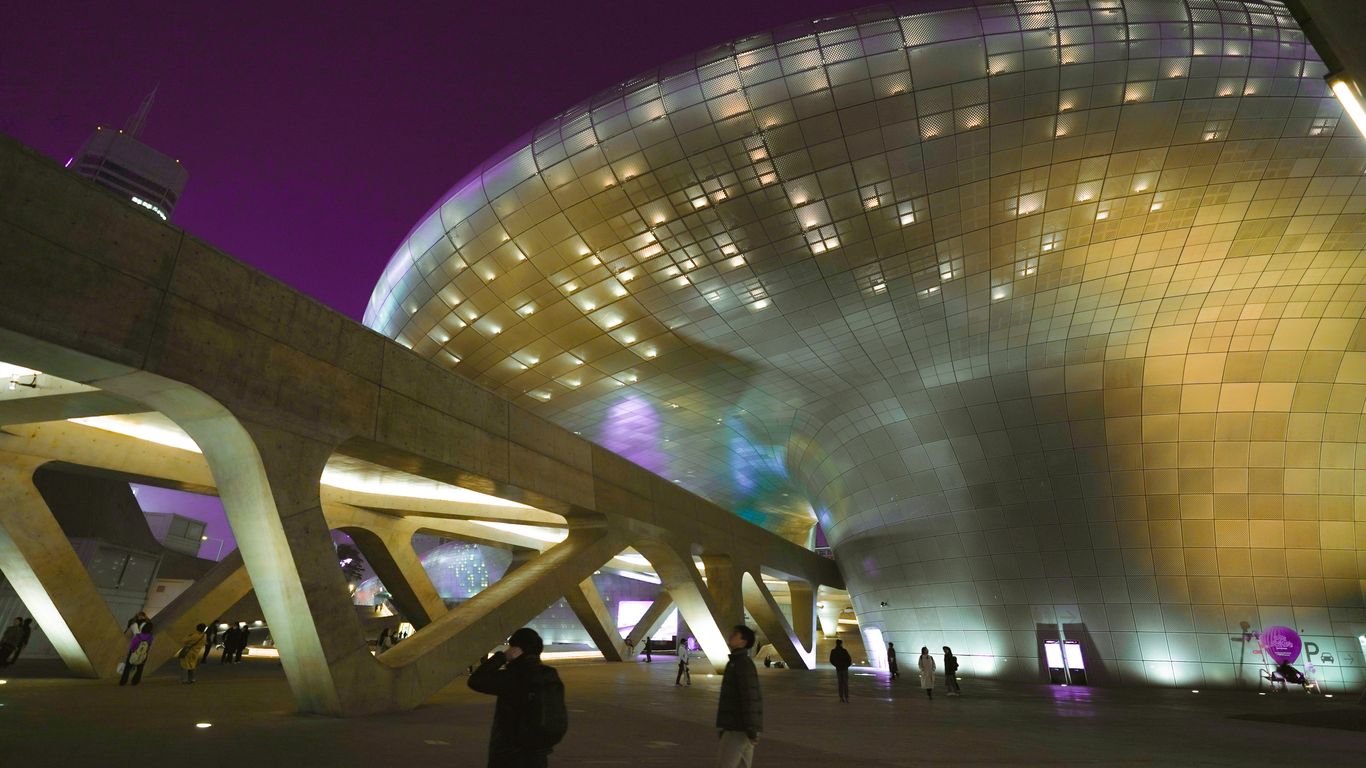
This year’s Simulation Conference 2026 is really zeroing in on a few big ideas that are shaping how we use simulation. It’s not just about running models anymore; it’s about making them smarter, more connected, and more practical for everyday use.
Multiphysics Modelling and Advanced Applications
We’re seeing a huge push in multiphysics modeling. This means simulating systems where different physical phenomena interact – think heat transfer affecting structural integrity, or fluid dynamics influencing electrical fields. It’s complex stuff, but it’s what we need to accurately represent real-world engineering challenges. The conference is showcasing how researchers are tackling these intricate problems, moving beyond single-physics simulations to capture the full picture. This is especially important for fields like aerospace, automotive design, and even advanced materials science where these interactions are critical.
Simulation Software and Algorithmic Developments
Of course, none of this advanced simulation would be possible without better tools. There’s a lot of talk about new algorithms that make simulations run faster and more efficiently. Think about how much processing power is needed for those multiphysics models – we need clever math and code to make it happen within a reasonable time. Software developers are presenting updates that simplify workflows, improve user interfaces, and allow for more complex model building. The goal is to make powerful simulation accessible to more engineers, not just the specialists.
Product Development, Validation, and Optimization
Ultimately, a lot of this comes down to making better products. The conference highlights how simulation is being used from the very beginning of the design process right through to final validation. Instead of building dozens of physical prototypes, companies are using simulations to test countless design variations virtually. This speeds up development cycles significantly and helps identify potential issues early on. We’re talking about optimizing everything from fuel efficiency in cars to the performance of medical devices. It’s about using simulation to get it right, the first time, and making sure it works perfectly under all sorts of conditions.
Looking Ahead
So, that’s a wrap on the Simulation Conference 2026. It was pretty clear that simulation isn’t just for engineers anymore. We saw how it’s being used everywhere, from making theme park rides smoother to figuring out how to build better, greener cities. The mix of AI, digital twins, and even virtual reality is really changing the game. It feels like we’re just scratching the surface of what’s possible, and it’s exciting to think about how these tools will shape our world in the coming years. Definitely something to keep an eye on.