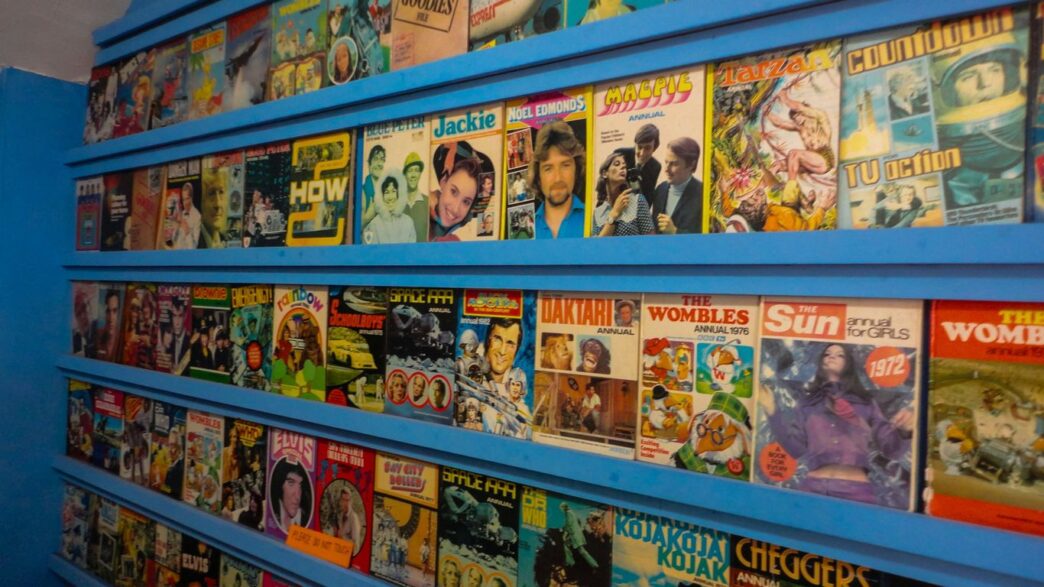
Remember flipping through the pages of Game Informer magazine, checking out the latest game previews and reviews? It’s a bit sad that physical magazines aren’t as common anymore. But what happens to all that history? Well, thankfully, groups like the Video Game History Foundation are stepping in. They’re working hard to save all sorts of gaming stuff, and a big part of that is the massive collection from the Game Informer magazine archive. It’s like a time capsule for anyone interested in how video games grew up.
Key Takeaways
- The Game Informer magazine archive is a huge collection of gaming history, including decades of magazines, promotional items, and development materials.
- Organizations like the Video Game History Foundation are crucial for preserving gaming history, which is often lost due to the industry’s scattered nature.
- The VGHF Digital Library provides a new way for people to access and search through historical game information, including content from magazines like Game Informer.
- Preserving gaming history involves more than just games themselves; it includes things like design notes, promotional art, and even unreleased game assets.
- The effort to archive Game Informer’s collection highlights the importance of dedicated individuals and community efforts in safeguarding the legacy of video games.
Unearthing Gaming’s Past Through the Game Informer Magazine Archive
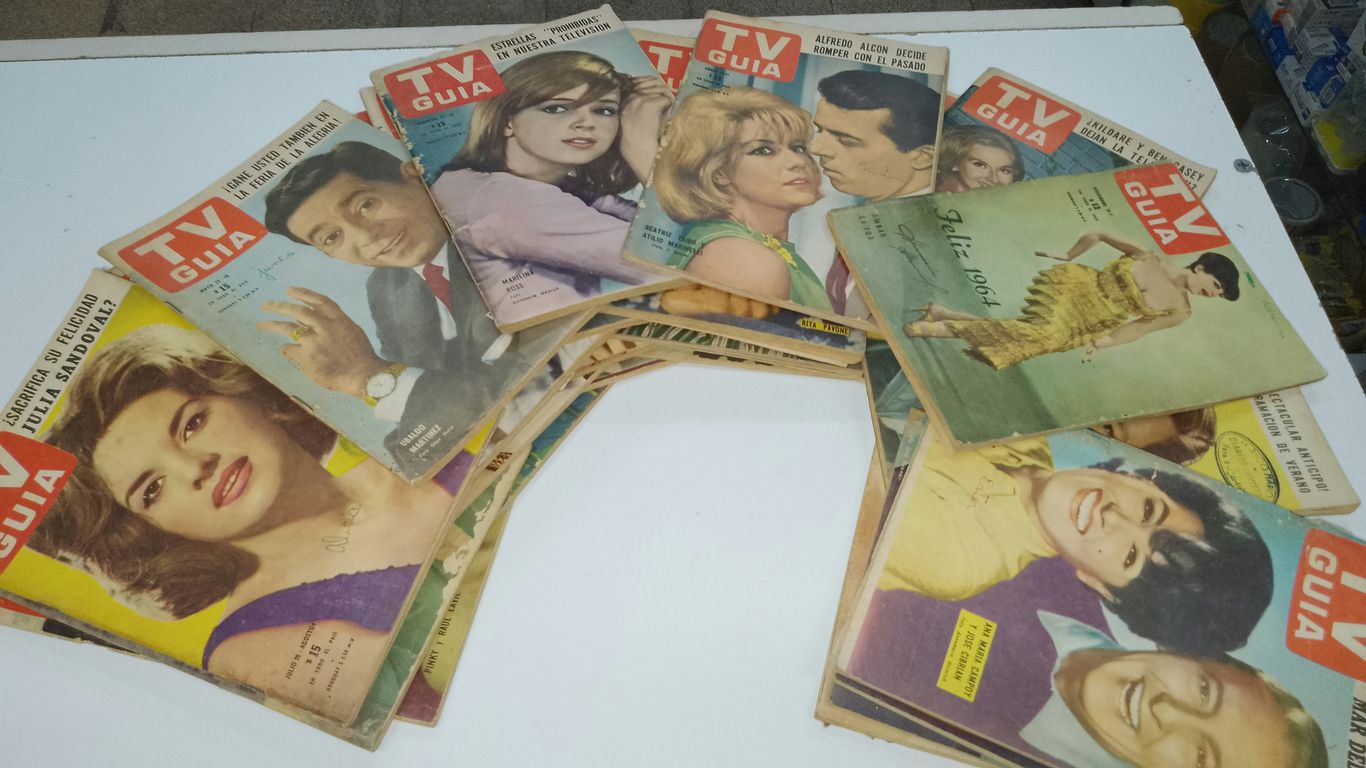
It’s kind of wild to think about how much gaming history is just… gone. Like, poof. We see it with music sometimes, right? A whole bunch of master tapes get destroyed in a fire, and suddenly, a chunk of music history is just lost forever. The gaming world has its own version of that, but it’s less of a big, dramatic event and more like a slow drip of forgotten files, old hard drives tossed out, or storage units cleared out. It’s a bit anxiety-inducing, honestly, especially when you think about how unstable the whole idea of preserving game media can be. Game Informer, with its 33-year run, was a massive part of that history, and its archive is a goldmine.
Think about it. Every time a company decides to shut down a server, or a physical magazine like Game Informer stops printing, a piece of that cultural record just vanishes. It’s not just about the games themselves, but the conversations around them, the previews that got people hyped, the reviews that shaped opinions. It’s the whole context. For a long time, there wasn’t really a central place to keep all this stuff. It was scattered everywhere, in the hands of developers, publishers, and fans. The Video Game History Foundation is trying to change that, gathering all sorts of artifacts, not just magazines, but code, design notes, and more. They’re working to make sure these pieces of gaming’s past aren’t just forgotten.
Here’s a look at what makes this archive so important:
- A Record of Evolution: Magazines like Game Informer tracked the industry’s growth from arcades to consoles to the internet. You can see how games changed, how technology advanced, and how player tastes shifted over time.
- Insights into Development: Beyond just reviews, these archives contain interviews, developer diaries, and early looks at games that never even made it to market. It’s a peek behind the curtain.
- Cultural Touchstones: Gaming isn’t just a hobby; it’s a cultural force. These magazines capture the zeitgeist of different eras, showing how games influenced fashion, music, and even everyday language. You can even search through classic magazines like Game Informer and others.
It’s a huge undertaking, and frankly, it’s amazing that people like Frank Cifaldi and the VGHF are dedicating themselves to this. They’re sifting through boxes, scanning pages, and digitizing everything they can get their hands on. It’s a race against time, really, to save this stuff before it’s too late.
The Video Game History Foundation’s Comprehensive Archive
It’s pretty wild to think about how much gaming history is just… out there, floating around, or worse, lost forever. That’s where organizations like the Video Game History Foundation (VGHF) come in. They’re basically trying to grab all that stuff before it disappears. Think of them as the folks who are really serious about saving old game magazines, design documents, and all sorts of other bits and pieces that tell the story of how games got made.
Accessing Historical Game Information
So, the VGHF has been busy building this massive digital library. It’s not just a bunch of scanned pages; they’re trying to make it searchable and useful. Their goal is to make game history accessible to anyone who wants to learn about it. This means researchers, students, writers, or even just curious gamers can look up specific things. You can search for mentions of a game across different magazines, see what inspired designers back in the day, or just browse through old issues of publications like Game Informer. It’s a huge step from just having boxes of old magazines in someone’s attic.
Beyond Magazines: A Wider Scope of Artifacts
While magazines are a big part of it, the VGHF isn’t stopping there. They’re collecting all sorts of things. We’re talking about development materials, artwork that never made it into the final game, promotional stuff that companies sent out, and even video footage from old industry events like E3. They’ve got things like directories and maps from early E3 shows, a big collection of art and press releases from GamePro magazine, and even hours of footage from the making of the Myst series. It’s a really broad collection, trying to capture as much of the industry’s past as possible.
The VGHF Digital Library: A New Resource
Launched in early 2025, the VGHF Digital Library is their big project to get all this stuff online. They’ve put up tens of thousands of files, and they’re adding more all the time. It’s a free resource, which is pretty awesome. They’ve got over 1,500 magazines that you can actually search through by text, which is a game-changer. Plus, there are development assets and marketing materials that you might not find anywhere else. It’s designed to be a research tool, so you can look up specific games, people, or publishers. They’re really trying to build something that can help people tell the stories of video games in new ways.
Inside the Game Informer Magazine Archive Collection
So, what exactly is tucked away in the Game Informer magazine archives? It’s more than just stacks of old paper; it’s a deep dive into the evolution of video games. Think of it as a time capsule, filled with everything from early industry buzz to the nitty-gritty details of game development. The sheer volume of content cataloged here is staggering, representing decades of gaming history.
Cataloging Decades of Gaming Content
This isn’t just a casual collection. The team has been busy sorting through years and years of issues. They’re not just filing them away; they’re organizing them so you can actually find what you’re looking for. This means you can track how games were talked about over time, see how reviews changed, and even spot trends in game design and marketing.
Discovering Unreleased Games and Prototypes
One of the most exciting parts of digging through these archives is finding the stuff that never made it to the public. We’re talking about early versions of games, concepts that were scrapped, and even entire games that were planned but never released. Imagine finding details about a game that was only ever shown at a trade show or mentioned in a brief interview. It’s like finding hidden levels in real life.
Promotional Materials and Development Assets
Beyond the main articles and reviews, the archive holds a treasure trove of promotional materials. This includes things like flyers for games that never came out, press kits sent to magazines, and even weird merchandise that was planned. You might also find development assets, like concept art or early screenshots, that give you a peek behind the curtain at how games were actually made. It’s a fascinating look at the business side of gaming, too.
Key Figures in Gaming Preservation
It’s easy to think of game preservation as just a big, faceless effort, but really, it’s driven by people. Dedicated individuals are the ones making sure our gaming history doesn’t just fade away. Think about it – without them, all those old magazines, design documents, and even source code could just vanish.
Frank Cifaldi’s Vision for Game History
Frank Cifaldi is a name you’ll hear a lot when talking about saving game history. He’s the founder of the Video Game History Foundation, and he’s really passionate about this stuff. He sees how easily things can get lost, like master recordings in a music archive fire. Cifaldi’s goal is to make sure historians and researchers have the materials they need to tell the real stories behind games. He’s not just collecting; he’s trying to build a resource so people can actually study how games were made, look at early versions, and understand the whole process. He believes that preserving these artifacts is vital for understanding the cultural impact of video games. It’s a huge task, and he’s been working hard to get important documents and data into a safe, digital format before it’s too late. He often talks about the "graveyard pile" of data his team has already lost to age, which really drives home the urgency of his work.
Collaborations and Community Efforts
Saving game history isn’t a solo mission. It takes a lot of people working together. Organizations like the Video Game History Foundation collaborate with places like Game Informer to go through their archives. This kind of teamwork is how we get access to things like decades of magazine content. It’s not just about big institutions, though. Many people in the retro gaming community are also collectors themselves. For example, Michael Thomasson holds the Guinness World Record for the largest video game collection, showing just how much some individuals care about keeping these items safe. These community efforts, big and small, are what build up the resources available for preservation.
The Importance of Dedicated Archivists
Behind every saved piece of gaming history is an archivist. These are the folks who meticulously sort through stacks of old magazines, CDs, and hard drives. They’re the ones cataloging everything, making sure it’s organized and accessible. It’s a lot of detailed work, often unseen, but incredibly important. They are the guardians of our digital past, fighting against data rot and the simple passage of time. Their efforts mean that future generations can look back and see not just the games we played, but the context around them – the ads, the interviews, the early concepts. It’s this careful curation that turns a pile of old paper into a historical record.
Exploring Specific Content Within the Archive
So, you’ve got this massive archive of Game Informer magazines, right? It’s not just a stack of old paper; it’s a time capsule. You can actually dig into specific things if you know what you’re looking for. Want to see how a game was talked about from its announcement all the way to its release? The archive lets you do that. It’s like having a direct line to how players and critics felt about games as they were happening.
Chronological Game Mentions
Imagine you’re obsessed with, say, the Final Fantasy series. Instead of just reading reviews, you can trace mentions of Final Fantasy VII from its very first tease in a magazine article, through all the previews, interviews with the developers, and finally, the full reviews. It shows you the build-up of hype and how the perception of the game changed, if it did, over time. It’s a really neat way to see the lifecycle of a game from an editorial perspective. You can track how a game’s features were discussed, what developers were saying about it, and how the gaming press reacted to new information. It’s a level of detail you just don’t get from playing the game itself.
Designer References and Inspiration
This is where things get really interesting for anyone curious about game development. The archive can hold materials that developers themselves used for inspiration. Think about it: a designer working on a Batman game might have been looking at old comic book art, movie posters, or even other games for ideas. The archive might contain some of those very same reference materials that were sent to magazines back in the day. It’s like peeking into the creative process. You can see what influenced the games we love, and sometimes, it’s not what you’d expect. For example, you might find early concept art or notes that show how a character or a level evolved from a rough idea into the final product.
Vintage Magazine Searches
Sometimes, you just want to browse. The archive allows for searching through specific issues or by keywords. Maybe you remember a particular advertisement or a controversial opinion piece from the 90s. You can actually search for it. It’s not just about finding specific games; it’s about rediscovering the feel of gaming from different eras. You can look up specific consoles, developers, or even just browse through issues from a particular year to get a sense of what was big at the time. It’s a fantastic way to stumble upon forgotten gems or to revisit the gaming landscape as it was presented to the public decades ago. It’s a bit like flipping through an old photo album, but for video games.
The Enduring Legacy of Game Informer
It’s kind of wild to think about, but Game Informer has been around for a seriously long time. We’re talking 33 years, which, in the fast-paced world of video games, is practically ancient history. This magazine wasn’t just a publication; it was a time capsule, a consistent voice in a medium that often feels like it’s constantly reinventing itself. When you look back at its run, you see more than just game reviews and previews. You see the evolution of the industry itself, captured issue by issue.
A Long-Standing Publication’s Impact
For decades, Game Informer was the go-to source for many gamers. It wasn’t always about the slickest presentation, but it was reliable. Think about it: before the internet was the behemoth it is today, this magazine was how most people found out about upcoming games, read interviews with developers, and got the inside scoop. It built a community, a shared experience for millions of players who eagerly awaited each new issue. It’s a testament to its staying power that it lasted so long, especially when so many other publications folded.
The Value of Physical Media Archives
Now, with the shift towards digital, the idea of a physical magazine archive might seem a bit old-fashioned. But that’s precisely where its value lies. Unlike digital files that can vanish with a server crash or a change in company policy, physical copies have a tangible presence. They represent a specific moment in time, a physical artifact of gaming culture. The recent efforts to archive Game Informer’s collection are so important because they’re saving not just paper and ink, but a piece of our collective gaming memory. It’s a reminder that not everything can or should live solely in the cloud.
Game Informer’s Contribution to Gaming Culture
Game Informer did more than just report on games; it shaped the conversation. It gave a platform to developers, both big and small, and provided a space for gamers to connect with the hobby. Its longevity meant it witnessed and documented massive shifts in the industry, from the rise of 3D graphics to the explosion of online gaming and the current indie boom. The archive, therefore, isn’t just a collection of old magazines; it’s a historical record of how we play, how we talk about games, and how the medium itself has grown and changed over the years. It’s a resource that will undoubtedly be studied and appreciated for a long time to come.
A Lasting Legacy
So, while Game Informer might be gone as a physical magazine, its impact isn’t just disappearing. Thanks to efforts like the Video Game History Foundation’s digital library, all those years of reviews, previews, and interviews are being saved. It’s pretty cool to think that all that gaming history, from the early days right up to more recent stuff, is being preserved. It means future gamers and historians can actually look back and see how things used to be, what games were like, and what people thought about them. It’s a good reminder that even though things change, the stories and memories from gaming’s past are worth keeping around.
Frequently Asked Questions
What is the Game Informer Magazine Archive?
Think of the Game Informer Magazine Archive as a giant digital library filled with old issues of Game Informer magazine. It’s like a time capsule that holds tons of information about video games from way back when. This archive helps us remember and learn about the history of gaming.
Why is preserving game history important?
Games are a big part of our culture, just like movies or music. Preserving game history means saving old games, magazines, and other stuff so future generations can see how games have changed and evolved. It’s like keeping old photos so you know where you came from.
Who is saving all this old game stuff?
A group called the Video Game History Foundation (VGHF) is working hard to save these memories. People like Frank Cifaldi, who really cares about game history, lead this effort. They collect and organize old games, magazines, and even design notes to make sure they aren’t lost forever.
Can I look through the Game Informer Archive myself?
Yes! The Video Game History Foundation has created a digital library where you can search for information. You can look for mentions of specific games, check out old magazines, and even find details about games that were never actually released.
What kind of cool stuff can I find in the archive?
You can discover all sorts of neat things! Imagine finding old articles about games that were still being made, seeing early artwork, or even looking at promotional materials for games that never made it to stores. It’s like finding hidden treasures from the past.
What happened to Game Informer magazine?
Game Informer was a very popular gaming magazine for many years, but its physical publication eventually stopped. Thankfully, a lot of its past content has been saved and is being looked after by organizations like the Video Game History Foundation, so its history isn’t completely gone.