Israel’s farming scene is pretty amazing, especially when you think about the tough conditions they work with. It’s a place where innovation isn’t just a buzzword, it’s how they get things done. They’ve figured out how to grow a lot of food with very little water, which is something a lot of the world is struggling with right now. This article looks into how agri Israel is leading the way with smart tech and new ideas to make farming better for everyone.
Key Takeaways
- Israel has become a global leader in water management for agriculture, using methods like drip irrigation and wastewater recycling to farm effectively in arid conditions.
- Advancements in crop science and biotechnology are helping Israeli farmers develop hardier, more resilient crops that need fewer resources.
- Precision agriculture, driven by AI and remote sensing, allows for real-time monitoring and efficient resource use on farms across agri Israel.
- The country is transforming both traditional farmland and urban spaces through initiatives like desert agriculture and vertical farming.
- Agri Israel’s innovations not only boost its own economy through high-value exports but also provide technological services that help farmers worldwide.
Pioneering Water Management Solutions
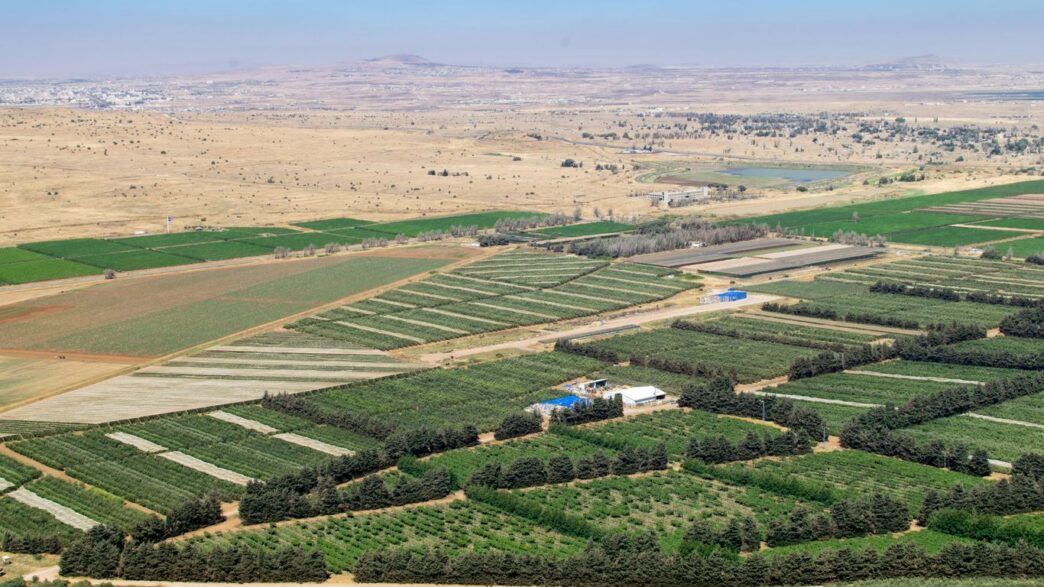
When you think about farming, you probably don’t picture deserts or places with hardly any rain. But Israel, a country known for its dry climate, has become a world leader in figuring out how to grow food with very little water. It’s pretty amazing, honestly. They’ve had to get really creative because, well, water isn’t exactly abundant there.
Drip Irrigation’s Enduring Impact
This is one of those things that sounds simple but has changed everything. Instead of flooding fields, which wastes a ton of water, drip irrigation delivers water right to the base of each plant. Think of it like a slow, steady sip for every single plant, exactly when it needs it. This method, which Israel really helped perfect, means way less water is lost to evaporation or just running off. It’s been around for a while, but it’s still a cornerstone of how they farm efficiently. It’s estimated that drip irrigation can save up to 60% of the water typically used in farming, while also boosting crop yields by a good 30% to 50%. That’s a huge difference when you’re trying to grow food in tough conditions.
Wastewater Recycling for Sustainable Agriculture
Okay, this one might sound a little weird at first, but it’s a game-changer for sustainability. Israel takes water that’s already been used – think sewage and industrial runoff – and treats it. Then, they use this treated water for irrigation. It’s a closed-loop system that conserves fresh water sources. They’re recycling about 90% of their wastewater, which is the highest rate anywhere. This means they’re not just using less fresh water, but they’re also preventing polluted water from ending up in rivers or the sea. It’s a smart way to make the most of every drop.
Here’s a quick look at how some of these water solutions stack up:
| Technology/Innovation | Estimated Water Savings (%) | Estimated Yield Increase (%) | Sustainability Impact |
|---|---|---|---|
| Drip Irrigation | Up to 60% | 30%–50% | High |
| Wastewater Recycling | Significant (conserves fresh) | N/A | High |
| Desalination Plants | 15%–20% (supplements) | Up to 10% (indirect) | Medium |
Desalination’s Role in Arid Farming
When even recycled water isn’t quite enough, Israel turns to the sea. They have massive desalination plants along the coast that turn salty seawater into fresh water. This is a big deal for areas that don’t have many natural rivers or lakes. While it takes energy to do this, it provides a reliable source of water, especially for cities and farms, making sure they have what they need even during dry spells. It’s another piece of the puzzle that helps keep agriculture going strong in a place where it would otherwise be incredibly difficult.
Advancements in Crop Science and Biotechnology
Israel’s approach to farming isn’t just about water; it’s also deeply rooted in understanding and improving the very plants we grow. They’ve really leaned into science to make crops tougher and more productive, especially in tough conditions. This focus on crop science and biotech is key to making sure we can feed everyone, even as the climate changes.
Developing Climate-Resilient Crop Varieties
Think about it – farming in a place that’s mostly desert means you need plants that can handle heat and don’t need much water. Israeli researchers have been working on this for ages. They use a mix of traditional breeding and newer genetic tools to create varieties that can withstand drought, high temperatures, and even salty soil. This isn’t just about survival; it’s about making sure yields stay good even when the weather gets rough. They’re developing crops that mature faster, too, which helps lock in harvests before extreme weather hits.
Enhancing Soil Health and Reducing Inputs
Healthy soil is like a good foundation for a house, and Israeli farmers are paying a lot of attention to it. Instead of just relying on chemical fertilizers, they’re using things like cover crops and no-till farming to keep the soil in good shape. They’re also looking at bio-fertilizers and helpful microbes that can give plants the nutrients they need without all the chemicals. This not only makes the soil better over time but also cuts down on costs and reduces the environmental impact. It’s a smarter way to farm, really.
Biotechnology for Food Security
Biotechnology plays a big role in making sure there’s enough food. By tweaking crops at a genetic level, scientists can make them resistant to pests and diseases, meaning less need for pesticides. This is a huge win for both food safety and the environment. It also means that even on land that isn’t ideal, like sandy or slightly salty ground, they can grow crops successfully. This expansion of usable land, combined with crops that need fewer resources, is a major step towards global food security, especially in regions facing similar challenges to Israel.
The Rise of Precision Agriculture
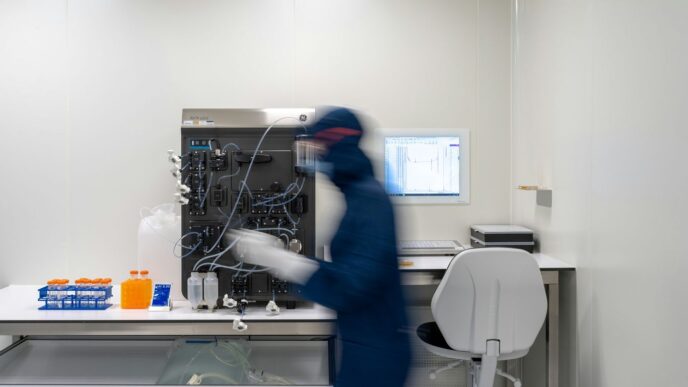
Farming in Israel has really leaned into using technology to make things work better, especially when resources are tight. Precision agriculture is a big part of that story. It’s all about using data and smart tools to manage farms more effectively. Think of it like giving farmers super-powered eyes and brains for their fields.
Leveraging AI and Remote Sensing
This is where things get really interesting. Farmers are using things like drones and satellites to get a bird’s-eye view of their land. These tools can see things we can’t, like how healthy the plants are or how much water is in the soil. Artificial intelligence then takes all this information and helps make decisions. It’s about applying exactly what’s needed, where it’s needed, and when it’s needed. This means less waste of water, fertilizer, and pesticides, which is good for the environment and the farmer’s wallet.
Real-Time Crop Monitoring and Analytics
Instead of just guessing, farmers can now see what’s happening in their fields minute by minute. Sensors in the ground and on equipment send data back to computers. This lets farmers spot problems early, like a patch of crops that isn’t getting enough water or is showing signs of disease. They can then react quickly, often before a small issue becomes a big one. This constant stream of information helps them fine-tune their approach throughout the growing season.
Here’s a look at how some of these tools are making a difference:
- Drones: Used for aerial imaging, spraying, and even planting.
- Sensors: Measure soil moisture, nutrient levels, and temperature.
- AI Software: Analyzes data to provide recommendations on irrigation and fertilization.
- GPS: Guides machinery for precise application of inputs.
Blockchain for Supply Chain Transparency
Precision agriculture doesn’t stop at the farm gate. Blockchain technology is starting to play a role in tracking produce from the field all the way to the consumer. This means everyone in the supply chain, including shoppers, can know exactly where their food came from and how it was grown. It builds trust and can help ensure food safety. For farmers, it can also mean better prices if they can prove the quality and origin of their products.
Transforming Arable Land and Urban Spaces
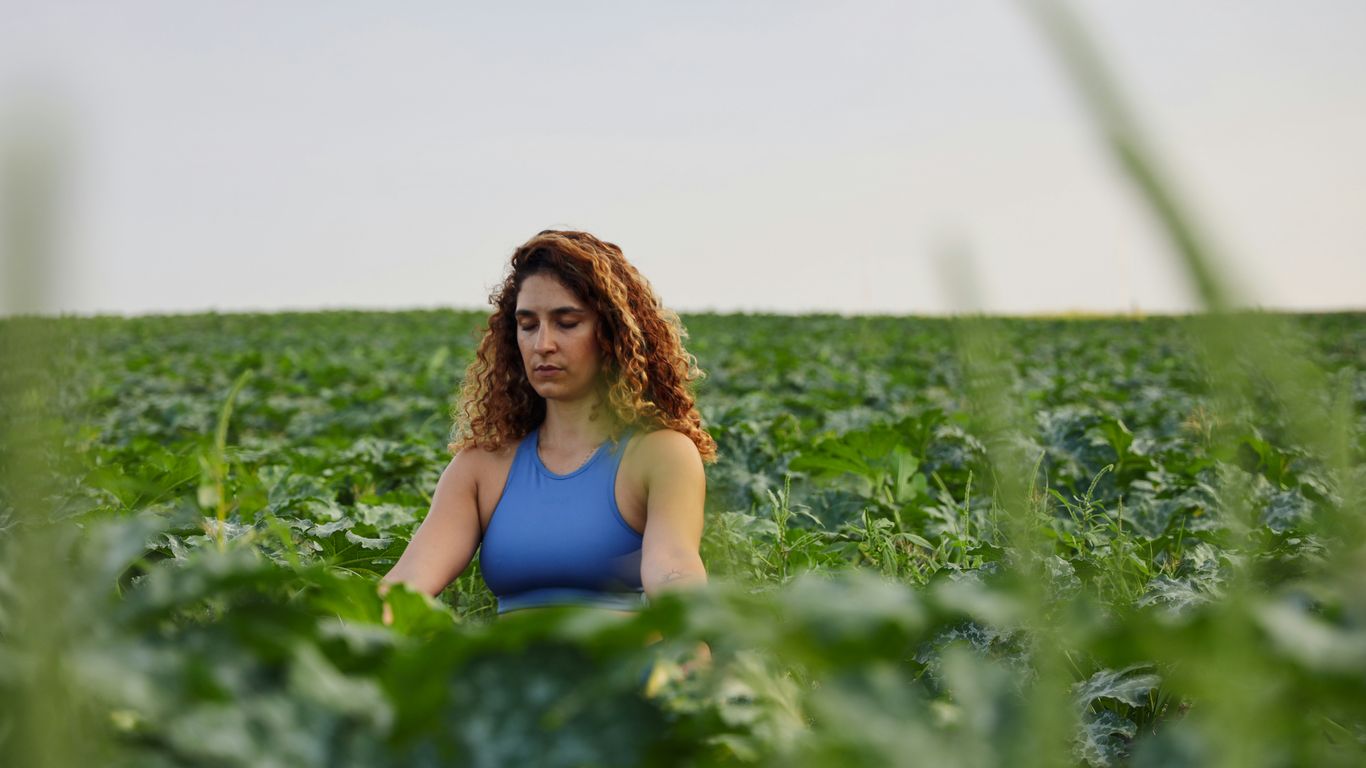
Israel’s agricultural scene isn’t just about making the most of what it has; it’s also about creating new possibilities where you wouldn’t expect them. Think about turning deserts into farms or bringing food production right into the heart of cities. It’s pretty wild.
Desert Agriculture Initiatives
You might think deserts are just sand and heat, but Israel has been working hard to change that. They’re planting trees in places like the Negev desert. These trees aren’t just for looks; they help stop the wind from blowing away good soil and make the local weather a bit nicer for growing things. It’s a slow process, but it’s about reclaiming land that was just sitting there.
- Creating windbreaks to protect crops.
- Improving soil quality over time.
- Making microclimates that support plant life.
They’re also figuring out how to grow food crops in these tough spots, using special irrigation and soil tricks. It’s all about making barren land useful and productive.
The Growth of Vertical Farming
Then there’s the whole vertical farming thing. Instead of spreading out, they’re building farms upwards, often inside buildings in cities. This means you can grow a lot of food in a small footprint, which is a big deal when land is expensive or scarce. This approach significantly cuts down on the land needed for farming. It also means fresher food for city dwellers because it doesn’t have to travel as far.
| Type of Farm | Land Use (per area) | Water Use (per crop) |
|---|---|---|
| Vertical Farm | Significantly Reduced | Often Reduced |
| Traditional Farm | High | Standard |
It’s a smart way to use space and keep food production close to where people live.
Combating Land Degradation Through Afforestation
This ties back to the desert initiatives but is broader. It’s about actively fighting against land that’s getting worse, whether it’s from desertification or bad farming practices. Planting trees is a major part of this, but it also involves smart land management to keep the soil healthy. The goal is to stop the land from becoming useless and, where possible, bring it back to life for farming or other uses. It’s a long-term game, but important for making sure there’s enough land to grow food for years to come.
Agri Israel’s Global Economic Footprint
It’s pretty amazing how much Israel’s farming tech and produce are making waves around the world. They’ve really turned their challenging environment into a strength, and now other countries are looking to them for solutions. It’s not just about growing food anymore; it’s about exporting know-how and high-quality products.
High-Value Agricultural Exports
Israel has become known for some seriously good produce. Think avocados, dates, and those sweet cherry tomatoes – they’re in demand everywhere. A big part of this is how they handle things, like using smart packaging that keeps everything fresh and nutritious for the long trip. This means less food gets wasted, which is a win for everyone, and it helps Israel stand out in the global food market.
Here’s a quick look at what makes their exports stand out:
- Quality Produce: Crops are often developed to be superior in taste and shelf-life.
- Smart Packaging: Innovations reduce spoilage and maintain product integrity.
- Sustainable Practices: Growing methods appeal to environmentally conscious consumers.
Exporting Agri-Tech Services Worldwide
Beyond the actual food, Israel is a powerhouse when it comes to exporting the technology itself. Companies are selling everything from advanced analytics platforms that help farmers make better decisions, to the smart irrigation systems that conserve water. It’s like they’re sharing the secrets to their success, helping farms in arid regions or places with limited resources become more productive and sustainable. This tech transfer is a huge part of their economic impact.
Innovative Financing and Insurance Tools
Getting a loan for a farm or insuring crops can be tricky, especially in unpredictable climates. Israel has developed some clever financial tools to help with this. They use things like satellite imagery to verify farm conditions, which makes it easier and fairer for farmers to get loans or insurance. This stability helps the whole agricultural sector, not just in Israel, but for countries that adopt these methods too. It’s about making farming a more secure business.
| Service Type | Technology Used | Benefit |
|---|---|---|
| Agricultural Loans | Satellite Verification | Streamlined processing, reduced fraud |
| Crop Insurance | Remote Sensing Data | Accurate risk assessment, fair premiums |
| Farm Management | AI & Analytics | Optimized resource allocation, yield prediction |
Addressing Future Challenges in Agri Israel
Even with all the amazing progress, farming in Israel still has some big hurdles to jump. It’s not all smooth sailing, you know? Things like the weather getting weird and not having enough water are constant worries. Plus, the world keeps changing, and we need to keep up.
Navigating Climate Change Impacts
The weather isn’t as predictable as it used to be. We’re seeing more extreme heat, less reliable rain, and longer dry spells. This really puts a strain on crops and the whole farming system. To deal with this, Israel is focusing on a few key areas:
- Developing tougher crops: Scientists are working on plant varieties that can handle heat and drought better. Think of it like breeding plants that are naturally more resilient.
- Smart water use: Even when it’s dry, making sure every drop counts is super important. This means using advanced irrigation and recycling water whenever possible.
- Using data to plan: With better weather forecasts and real-time field monitoring, farmers can make smarter decisions about when to plant, water, and harvest.
Overcoming Water Scarcity
Water has always been a big deal here, and it’s only getting more important. Balancing the needs of cities, industries, and farms is a constant challenge. Israel is already a world leader in water tech, but the pressure is on to do even more.
- More recycling: Getting more out of every drop of wastewater is a priority. This treated water can be used for irrigation, taking the pressure off freshwater sources.
- Better desalination: Making more fresh water from the sea is an option, but it needs to be done efficiently and affordably.
- Precision irrigation: Technologies that deliver water exactly where and when plants need it are key to cutting down on waste.
The Role of Automation and Robotics
Farming is hard work, and finding people to do it can be tough. That’s where robots and automation come in. They can help with tasks that are repetitive, dangerous, or just plain difficult.
- Automated planting and harvesting: Machines can plant seeds with perfect spacing and harvest crops gently and efficiently, reducing damage and labor costs.
- Robotic weed and pest control: Small robots can patrol fields, identifying and dealing with weeds or pests without the need for broad chemical spraying.
- Farm management systems: AI-powered systems can monitor fields 24/7, alerting farmers to problems and suggesting solutions, almost like having an extra set of eyes on the farm.
Wrapping Up: What We Learned from Israeli Farming
So, looking back at all the cool stuff happening in Israeli agriculture, it’s pretty clear they’ve figured out how to grow a lot, even when nature isn’t exactly cooperating. They’ve taken challenges like dry land and not much water and turned them into reasons to get super smart about farming. Things like watering plants just right with drip systems, using tech to watch crops closely, and even growing new kinds of plants that can handle tough conditions – it all adds up. It’s not just about making more food; it’s about doing it smarter and with less impact on the planet. This whole approach, focusing on innovation and making the most of what you have, really shows how other places, especially those with similar dry climates, can learn a lot and maybe even copy some of these ideas to grow their own food better.
Frequently Asked Questions
What makes Israel so good at farming even though it’s a dry place?
Israel is a leader in farming by using smart ideas, especially for water. They invented drip irrigation, which gives plants just the right amount of water right at their roots. They also recycle almost all their used water and even make fresh water from the sea. This helps them grow a lot of food without wasting precious water.
How does technology help Israeli farmers grow more food?
Israeli farmers use super cool technology like AI and special cameras on drones or satellites. These tools help them see exactly what their plants need, like if they need more water or food, or if they are getting sick. This way, they only use what’s needed, which saves resources and helps the plants grow better.
Can Israeli farming ideas be used in other countries?
Yes, definitely! Many countries around the world have dry weather or don’t have much water. The clever ways Israel saves water and uses technology are perfect for these places. Israeli farming tricks are being used everywhere to help grow food more easily and with less water.
What is ‘vertical farming’ and why is it important?
Vertical farming is like growing plants indoors in stacked layers, often in cities. It uses much less land and water than regular farms. Israel is doing this a lot because it helps grow food closer to people, reducing the need to transport it and making sure everyone has fresh food.
How does Israel use science to make better crops?
Scientists in Israel are creating new types of plants that can grow well even when it’s very hot and dry, or when there isn’t much water. They use science like biotechnology to make plants stronger against bugs and diseases, and to help them grow with fewer fertilizers. This makes sure there’s enough food, even in tough conditions.
What are the biggest challenges for farming in Israel in the future?
The biggest challenges are dealing with climate change, like more droughts and weird weather. They also need to keep finding ways to use water super wisely because there’s never enough. Plus, as cities grow, there’s less land for farms, so they need to keep inventing new ways to grow food, like in cities.