
Navigating the world of crypto can feel like trying to read a map in the dark sometimes. So many numbers, so many charts, and prices that change faster than you can blink. If you’ve ever wished for a simpler way to get a handle on blockchain data, crypto prices, and who’s holding what, you might have stumbled upon bitinfocharts. This site aims to cut through the noise, offering clear insights into the crypto market. But does it really deliver on that promise, or is it just another website adding to the confusion? Let’s take a closer look.
Key Takeaways
- Bitinfocharts is a website focused on providing clear and straightforward cryptocurrency analytics, including price tracking, blockchain metrics, and wallet information.
- Its core purpose is to simplify complex crypto data, making it accessible to a wide range of users, from beginners to experienced traders and researchers.
- Key features include tools for cryptocurrency price analysis, detailed blockchain statistics, and tracking of large wallet balances (rich lists).
- The platform gathers data from public blockchain nodes and reputable third-party sources, updating information frequently to ensure near real-time accuracy.
- Bitinfocharts is particularly useful for quick comparisons between cryptocurrencies and for users who value simplicity and direct access to essential data without overwhelming interfaces.
Understanding Bitinfocharts: A Crypto Data Hub
What Exactly Is Bitinfocharts?
Ever feel like you’re drowning in crypto data? It’s a common problem. The crypto world moves fast, and keeping up with prices, transaction volumes, and network activity can feel like a full-time job. That’s where tools like Bitinfocharts come in. Think of it as a central spot for crypto information, designed to make complex data easier to grasp. It started because people needed a simpler way to see what was happening with cryptocurrencies, whether they were just starting out or already deep into trading.
Core Purpose of Bitinfocharts
The main goal of Bitinfocharts is pretty straightforward: to give you clear, accurate insights into blockchain data and cryptocurrency markets. It’s not about flashy graphics or overwhelming you with every single number imaginable. Instead, it focuses on presenting the key information most people are looking for. This includes:
- Real-time and historical price tracking: See how coins are performing now and how they’ve done in the past.
- Blockchain statistics: Get details on things like network difficulty, transaction fees, and hash rates.
- Wallet analysis: Check out the largest crypto holdings and track significant wallets.
- Coin comparisons: Easily see how different cryptocurrencies stack up against each other.
The aim is to cut through the noise and give you the data you need without the headache.
Key Features Overview
When you first look at Bitinfocharts, a few things stand out. It’s built for clarity. You can quickly check current prices for various coins, which is handy for active traders. Beyond just prices, it offers a look into the underlying blockchain mechanics. For instance, you can see metrics like Bitcoin’s mining difficulty, which can tell you a lot about the network’s security and profitability for miners. It also provides lists of the largest wallet holders, often called "rich lists." Watching these large wallets can sometimes give clues about potential market movements, as big players making moves can influence prices.
Navigating Bitinfocharts: Key Features and Tools
Alright, so you’ve heard about Bitinfocharts, but what can you actually do with it? Let’s break down the main tools they’ve got.
Cryptocurrency Price Analysis Tools
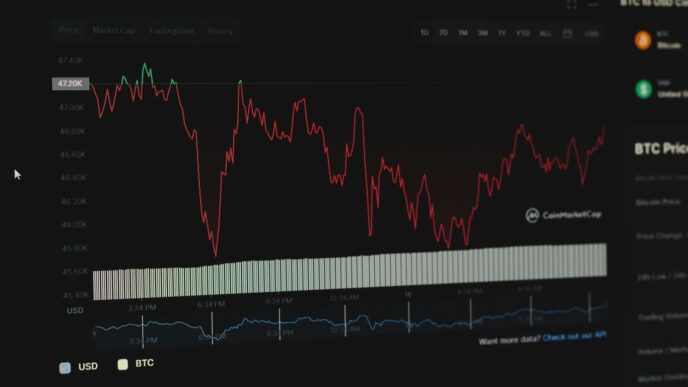
This is probably the most straightforward part. You can quickly check out the current prices for a whole bunch of cryptocurrencies. It’s not just about the live price, though. You can also look back at historical data to see how prices have moved over time. This helps you spot trends without getting lost in a sea of complicated charts. It’s pretty handy if you’re just trying to get a quick feel for the market or track a specific coin’s performance.
Blockchain Metrics and Statistics
This is where Bitinfocharts gets a bit more technical, but they try to keep it simple. You can find stats like:
- Hash Rate: Basically, how much computing power is being used to mine a cryptocurrency.
- Transaction Fees: How much it costs to send a transaction on the network.
- Network Difficulty: How hard it is to mine new blocks.
- Mining Profitability: How much money miners are making.
These numbers might sound dry, but they can tell you a lot about the health and activity of a blockchain. For example, if transaction fees suddenly spike, it might mean the network is getting really busy, or something else is going on.
Rich Lists and Largest Wallets Tracking
Ever wondered who the big players are in the crypto world? Bitinfocharts has a feature called "Rich Lists." This shows you the wallets that hold the largest amounts of a particular cryptocurrency. It’s like looking at the biggest fish in the crypto pond. Seeing how these large wallets move their funds can sometimes give you a hint about potential market shifts, though it’s not a crystal ball, obviously. It’s more about getting a sense of where the big money is sitting.
Leveraging Bitinfocharts for Informed Decisions
So, you’ve got the lay of the land with Bitinfocharts and its cool features. Now, let’s talk about how you can actually use this stuff to make smarter moves in the crypto world.
Who Is the Ideal User for Bitinfocharts?
Honestly, Bitinfocharts is pretty versatile. It’s not just for the super-techy types. If you need clear, straightforward data without all the noise, this site is a good fit. It’s great for anyone who wants to get a quick handle on what’s happening without getting lost in complicated charts or endless menus. The site really shines when you need quick, digestible information.
Day Traders and Active Investors
If you’re someone who’s constantly watching the market, making trades, and needs to react fast, Bitinfocharts can be a real time-saver. You can pull up price charts, check transaction volumes, or see how network activity is changing – all pretty quickly. For example, seeing a sudden spike in transaction fees for a particular coin might signal something interesting is happening, and you can spot that easily here. It helps you keep a finger on the pulse without needing to dig too deep. You can quickly compare how Bitcoin is doing against Ethereum, for instance, using their side-by-side charts. This kind of immediate comparison is super handy when you’re trying to decide where to put your money next.
Crypto Researchers and Analysts
For those of you doing more in-depth work, like writing articles, preparing reports, or even planning institutional investments, Bitinfocharts offers a solid foundation. You can look at things like the distribution of coins across different wallets, which gives you a sense of who holds the most. This is important because large holders, sometimes called whales, can really move the market. Checking out the rich lists can give you clues about potential market shifts. It’s also useful for tracking specific blockchain metrics over time, like hash rates or mining difficulty, which are key indicators of a network’s health and security. This kind of data helps build a more complete picture for serious analysis.
Data Reliability and Accuracy on Bitinfocharts
So, we’ve talked about all the cool stuff Bitinfocharts can do, but the big question remains: can you actually trust the numbers it shows you? When you’re looking at crypto, accuracy isn’t just a nice-to-have; it’s pretty much everything. Making decisions based on bad data is a fast track to losing money, and nobody wants that.
Where Does Bitinfocharts Gather Its Data?
This is probably the first thing anyone serious about crypto data wants to know. Thankfully, Bitinfocharts is pretty upfront about this. They pull their information from a few main places. Think of it like this: they’re not just making numbers up. They tap into publicly available blockchain nodes, verified blockchain explorers, and reputable third-party APIs. This approach helps make sure the data is solid. It’s good to know they’re not just guessing. Cross-validating data from different independent sources is key, and Bitinfocharts seems to take this seriously. They check their numbers against multiple providers, which helps keep things consistent, especially when other sites might be showing something different.
Frequency of Data Updates
Let’s be real, crypto prices can change faster than you can say "to the moon." You definitely don’t want to be looking at yesterday’s stats when you’re trying to make a trade today. Bitinfocharts does a pretty good job keeping things fresh. Price and market stats usually update every 5 to 10 minutes. That’s pretty close to real-time for most people. For things like mining difficulty or transaction counts, they’re pulling that straight from live blockchain nodes, so it’s constantly being refreshed. This means when you check the site, you’re generally looking at current information, not something from last week. It’s helpful for keeping tabs on things like transaction fees or checking out those massive Bitcoin wallet balances.
Consistency and User Trust
All the fancy charts and data mean squat if people don’t actually trust the site. So, does Bitinfocharts earn that trust? From what I’ve seen and read in crypto communities, the general vibe is positive. Users often mention that the data is reliable and consistent, which is a big help, especially when the market is going wild. While no site is perfect and occasional glitches can happen, especially with less popular coins, Bitinfocharts seems to have built a solid reputation for dependability. Most users find their data lines up well with other well-known crypto analytics sites, which is a good sign.
Comparing Cryptocurrencies with Bitinfocharts
Ever found yourself juggling multiple browser tabs, trying to see how Bitcoin stacks up against Ethereum, or maybe comparing Litecoin’s transaction volume to Dogecoin’s? It’s a common headache for anyone trying to get a handle on the crypto market. Bitinfocharts really tries to cut through that noise. It lets you put different cryptocurrencies side-by-side, making it way easier to spot trends and differences quickly.
Side-by-Side Coin Comparisons
This feature is a real game-changer when you’re trying to get a quick snapshot of the market. Instead of clicking into each coin’s individual page, you can pull up a comparison chart. This shows key metrics for several coins all on one screen. Think of it like looking at a cheat sheet for your favorite cryptos.
Practical Comparative Views
So, what kind of data can you actually compare? Well, it’s pretty useful stuff. You can easily check things like:
- Transaction Counts: See which networks are busier.
- Average Transaction Fees: Get an idea of how expensive it is to move coins on different blockchains.
- Active Wallets: Gauge network usage and adoption.
- Hash Rates: Understand the security and mining power behind a network.
It’s not just about prices; it’s about the underlying activity that makes a cryptocurrency tick. Seeing these numbers side-by-side gives you a much clearer picture than just looking at price charts alone.
Time-Saving Comparison Features
Honestly, the biggest win here is the time saved. No more manual data entry or switching back and forth between sites. You get a consolidated view that helps you make faster decisions. If you’re an active trader or just someone who likes to stay informed without spending hours digging, this feature alone makes Bitinfocharts worth checking out. It streamlines the process of gathering comparative data, which is pretty neat.
Pros and Cons of Using Bitinfocharts
So, is Bitinfocharts the perfect tool for everyone diving into crypto data? Like most things, it’s got its good points and its not-so-good points. After spending some time with it, here’s what stands out.
Advantages of Bitinfocharts
- Simple and Clear Data Presentation: This is probably the biggest win. You get essential stats like prices, network difficulty, and transaction counts without a bunch of clutter. It’s easy to see what’s going on without feeling overwhelmed. It genuinely saves time while staying precise.
- Rich List and Wallet Tracking: Curious about who holds the most coins? Bitinfocharts shows you the biggest wallets for popular cryptocurrencies. This can be pretty interesting if you’re trying to get a feel for where the big money is moving.
- Side-by-Side Coin Comparisons: Want to see how Bitcoin is doing against Ethereum, or compare transaction fees? The site lets you put them next to each other, making quick comparisons simple. It’s handy for spotting trends at a glance.
- Real-Time Data Updates: The information seems to sync up pretty quickly with what’s happening on the blockchain. Having up-to-date stats is a big help when you’re trying to make smart decisions.
Limitations to Consider
- User Interface Feels a Bit Dated: Honestly, the look and feel of the site aren’t exactly cutting-edge. If you’re used to super slick, modern websites, this might seem a little basic or old-fashioned. Functionality is there, but it’s not the prettiest.
- Lack of Educational Content: If you’re new to crypto and need explanations for what all these numbers mean, you won’t find much here. Bitinfocharts sticks to the raw data; it doesn’t offer articles or tutorials to help you understand the fundamentals.
- No Mobile App: While you can access the site on your phone’s browser, there’s no dedicated app. For people who are always on the move and checking things frequently, this can be a bit less convenient.
- Limited Crypto Coverage: The site mainly focuses on the more popular cryptocurrencies. If you’re interested in smaller, newer coins, you might find that data isn’t available.
User Interface Aesthetics
The user interface on Bitinfocharts is functional, but it’s definitely not its strongest suit. It prioritizes getting the data to you quickly and clearly over fancy design elements. You won’t find flashy animations or complex dashboards here. Instead, it’s a straightforward layout with tables and simple charts. For some users, this minimalist approach is a plus because it means less distraction and faster loading times. However, for others who prefer a more modern and visually engaging experience, it might feel a bit plain or even slightly behind the times compared to some newer crypto analytics platforms. It gets the job done, but don’t expect a visual feast.
Wrapping It Up: Is Bitinfocharts Your Go-To Crypto Tool?
So, after looking at all the ins and outs of Bitinfocharts, what’s the final word? Honestly, this site really does a solid job of making complex crypto data feel a lot less intimidating. It’s not trying to be everything to everyone, but for what it does – like showing quick price trends, wallet balances, and how coins stack up against each other – it’s pretty darn good. If you’re tired of getting lost in complicated charts or just need a fast, clear snapshot of what’s happening in the crypto world, Bitinfocharts is definitely worth bookmarking. It might not have all the bells and whistles of some other platforms, but its straightforward approach means you can get the info you need and get back to your day, or your trades, without a headache. Give it a spin; you might find it becomes a regular part of your crypto toolkit.
Frequently Asked Questions
What is Bitinfocharts all about?
Bitinfocharts is a website that helps you look at important information about cryptocurrencies. Think of it like a special magnifying glass for crypto data, making it easier to see prices, how many coins are being moved, and who holds the most.
Who uses Bitinfocharts?
Lots of people! If you trade crypto a lot, like to research new coins, or are just curious about how the crypto world works, Bitinfocharts can be super helpful. It’s good for beginners and experts alike.
Is the information on Bitinfocharts accurate?
Yes, Bitinfocharts gets its data from reliable places, like directly from the blockchain and other trusted sources. They update the information often, so you’re usually looking at pretty current stats.
Can I compare different cryptocurrencies on Bitinfocharts?
Definitely! You can easily put coins like Bitcoin and Ethereum side-by-side to see how their prices or other details compare. It saves you time from checking them one by one.
What are ‘Rich Lists’ on Bitinfocharts?
Rich Lists show you which crypto wallets hold the biggest amounts of a certain coin. It’s like seeing who the ‘whales’ are in the crypto ocean, which can sometimes give clues about market changes.
What are the main good and bad points of using Bitinfocharts?
The best parts are how simple and clear the data is, plus the cool features like Rich Lists and coin comparisons. A downside is that the website’s look might feel a bit old-fashioned to some people.