It’s pretty wild how much technology is around us these days, right? From the phones in our pockets to the stuff we might see in movies someday, it’s all about technology examples. This article is going to take a look at some of the cool tech we use every day and then peek at what’s coming next. It’s a big topic, but we’ll try to make it easy to understand.
Key Takeaways
- Everyday tech, like smartphones and smart homes, is already a big part of our lives.
- New innovations like AI and better energy solutions are changing things fast.
- There’s a growing focus on making gadgets that are good for the planet.
- Future tech could include things like robots made from spiders or ways to feel touch over the internet.
- Turning big ideas into real things often needs different kinds of smart people working together and always getting better.
Everyday Technology Examples
It’s pretty wild when you stop and think about all the tech we use without even really noticing it. These aren’t the flashy, futuristic things you see in movies, but the gadgets that are already part of our daily grind. They make life easier, more connected, and sometimes, just more fun.
Smartphones And Wearable Devices
Our phones are basically extensions of ourselves now, aren’t they? We use them for everything – talking to people, finding directions, taking pictures, managing our schedules, and even paying for stuff. And then there are the wearables, like smartwatches and fitness trackers. They sit right on our wrists, keeping tabs on our steps, heart rate, and sleep. It’s like having a personal assistant and a health coach all rolled into one, right there on your arm.
- Communication: Staying in touch with friends and family, no matter the distance.
- Information Access: Getting news, weather, and answers to questions instantly.
- Productivity: Managing calendars, setting reminders, and even doing work on the go.
- Health Monitoring: Tracking activity levels, sleep patterns, and vital signs.
Smart Home Appliances
Remember when a thermostat was just a dial you turned? Now, our homes are getting smarter. We’ve got refrigerators that can tell us when we’re low on milk, thermostats that learn our routines to save energy, and lights we can control with our voices or phones. It’s all about making our living spaces more convenient and efficient. You can even start your coffee maker from bed – pretty neat, right?
- Convenience: Controlling devices remotely or with voice commands.
- Energy Savings: Appliances adjusting usage based on schedules or occupancy.
- Security: Smart locks and cameras offering peace of mind.
Virtual Reality Headsets
Okay, VR headsets might still feel a bit futuristic to some, but they’re definitely becoming more common. They completely change how we experience games, movies, and even training. Putting one on can transport you to another world, whether it’s a fantasy land, a historical site, or a virtual classroom. It’s a powerful way to immerse ourselves in digital experiences like never before. While they might seem like just for gaming, VR is also being used for training surgeons, architects, and even helping people overcome phobias.
Innovations Shaping Our World
It feels like every day there’s some new tech breakthrough that makes you stop and think, ‘Wow, how did we get here?’ We’re living through a period where ideas are turning into real things faster than ever. Think about it – things that used to be science fiction are now just… normal.
Artificial Intelligence Advancements
Artificial intelligence, or AI, is probably the biggest game-changer right now. It’s not just about smart assistants anymore. AI is getting really good at understanding patterns, making predictions, and even creating things. We’re seeing it in everything from how streaming services suggest what to watch next to how doctors can spot diseases earlier on scans. It’s like we’re building digital brains that can learn and help us solve problems we couldn’t tackle before.
Renewable Energy Solutions
With all the talk about climate change, it’s good to see some serious progress in how we power our world. Renewable energy sources like solar and wind power are becoming way more efficient and cheaper. This means we can rely less on fossil fuels and more on clean energy. It’s not just about big power plants either; think about smaller, localized energy grids and better battery storage. This shift is key to a more sustainable future for everyone.
Advanced Healthcare Systems
Healthcare is another area that’s being totally transformed. We’re talking about personalized medicine, where treatments are tailored to your specific genetic makeup. Then there’s robotic surgery, which allows for much more precise operations with quicker recovery times. Plus, AI is helping researchers develop new drugs and therapies at a pace we’ve never seen before. It’s pretty amazing how technology is making healthcare more effective and accessible.
Eco-Conscious Gadget Evolution

It feels like everywhere you look these days, people are talking about the environment. And honestly, it’s about time. Thankfully, the tech world is starting to catch on too. We’re seeing a real shift towards gadgets that aren’t just cool and useful, but also kinder to our planet. This move towards greener tech is changing how we think about our everyday devices.
Think about it. We’re not just stuck with power-hungry gadgets anymore. There are some pretty neat alternatives popping up.
Solar-Powered Chargers
These are becoming more common, and for good reason. Instead of plugging into the wall, you just leave your charger out in the sun. It’s a simple idea, but it works. You can find them for phones, power banks, even small laptops. It’s a great way to keep your devices juiced up when you’re outdoors, camping, or just want to save a bit on your electricity bill. Plus, you’re using clean energy, which is a big win.
Energy-Efficient Smart Home Devices
Smart homes are supposed to make life easier, right? Well, they can also be designed to use less energy. We’re talking about thermostats that learn your schedule and adjust the temperature automatically, smart plugs that cut power to devices when they’re not in use, and LED lighting that uses way less electricity than old bulbs. It all adds up to a home that’s more comfortable and less of a drain on resources.
Biodegradable Phone Cases
Our phones are pretty much glued to our hands, and that means phone cases get replaced pretty often. Traditionally, these cases end up in landfills for ages. But now, companies are making cases out of materials that can break down naturally. Think plant-based plastics or bamboo. It’s a small change, but when you consider how many phone cases are out there, it makes a difference. It’s a good example of how even small accessories can be part of a bigger environmental effort.
Future Technology Examples
It feels like every day there’s some new gadget or gizmo announced that’s supposed to change everything. But some of the stuff on the horizon is genuinely mind-bending. We’re talking about tech that sounds like it’s straight out of science fiction, but it’s actually being worked on right now. It’s pretty wild to think about how different our lives might be in just a few years.
Necrobotics And Animal-Based Robotics
Okay, this one’s a bit creepy, I’ll admit. Necrobotics is the idea of using dead things to make robots. Researchers have actually managed to turn a dead spider into a kind of gripper. They inject air into it, and because spiders use hydraulics to move their legs, it works! It’s in the very early stages, but imagine using animal parts for scientific tools. It’s a bit like Frankenstein, but hopefully for good. This kind of innovation could lead to new ways of interacting with delicate environments.
Sand Batteries For Energy Storage
Not all future tech has to be super complicated or a little unsettling. Sand batteries are a great example of a simple, yet really effective idea. Basically, they use a lot of sand to store heat. This heat can then be used to warm homes or even generate electricity. It’s a way to store energy from renewable sources, like solar or wind, for when they’re not producing power. This could be a game-changer for making renewable energy more reliable. It’s a clever way to deal with the intermittency problem that plagues many green energy solutions.
E-Skin For Haptic Communication
Imagine being able to feel what someone else is feeling, or to get tactile feedback from a virtual world. That’s where e-skin comes in. It’s a flexible electronic material that can mimic the properties of human skin. It can sense pressure, temperature, and even stretch. This could lead to amazing advancements in prosthetics, allowing users to feel with their artificial limbs. It also opens doors for more immersive virtual reality experiences, where you can actually feel the virtual objects you interact with. The potential applications are vast, from remote surgery to more intuitive human-computer interfaces. It’s a fascinating step towards bridging the gap between science and society.
Here are some potential applications:
- Prosthetics: Providing sensory feedback to amputees.
- Virtual Reality: Enhancing immersion with touch sensations.
- Robotics: Allowing robots to better sense their environment.
- Wearable Technology: Creating more intuitive and responsive devices.
Emerging Innovations In Science
Science is always pushing boundaries, and right now, a few really interesting things are bubbling up. It’s not just about bigger computers or faster phones anymore; we’re talking about stuff that could genuinely change how we live and interact with the world. These are the kinds of breakthroughs that make you stop and think, ‘Wow, what’s next?’
AI Image Generation Tools
Remember when computers could barely draw a stick figure? Now, we have AI that can create entire images from just a few words. You type in a description, like "a cat wearing a tiny hat riding a bicycle on the moon," and poof, you get a picture. It’s wild. This isn’t just for fun, though. Artists are using it to brainstorm ideas, designers are creating mockups, and even scientists are visualizing complex data in new ways. It’s like having an infinitely patient, incredibly creative assistant.
Brain-Reading Robot Applications
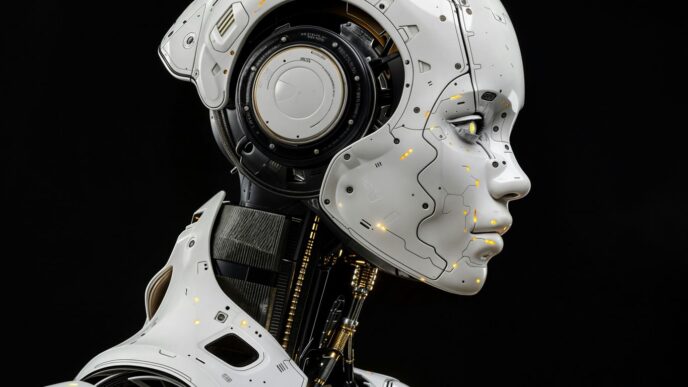
This one sounds like science fiction, but it’s becoming real. Researchers are developing ways for robots to understand human thoughts, or at least brain signals. Imagine a robot arm that moves exactly how you think it should, or a computer that responds to your mental commands. It’s still early days, and there are a lot of ethical questions to sort out, but the potential for helping people with disabilities or even just making our interactions with machines more natural is huge. Think about controlling devices without lifting a finger – literally.
Internet Connectivity Via Microsatellites
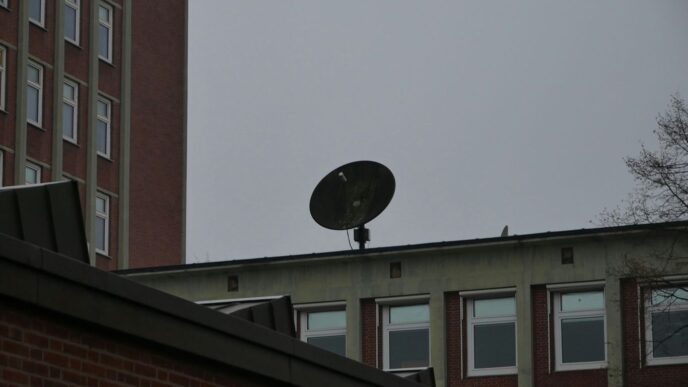
Getting internet to everyone, everywhere, has always been a challenge. Traditional infrastructure is expensive and difficult to build in remote areas. That’s where microsatellites come in. These tiny satellites, launched in swarms, can blanket the Earth with internet access. This could mean reliable connections for rural communities, better communication during disasters, and even opening up new possibilities for things like remote sensing and global environmental monitoring. It’s about shrinking the digital divide and connecting the unconnected.
Transforming Ideas Into Tangible Solutions
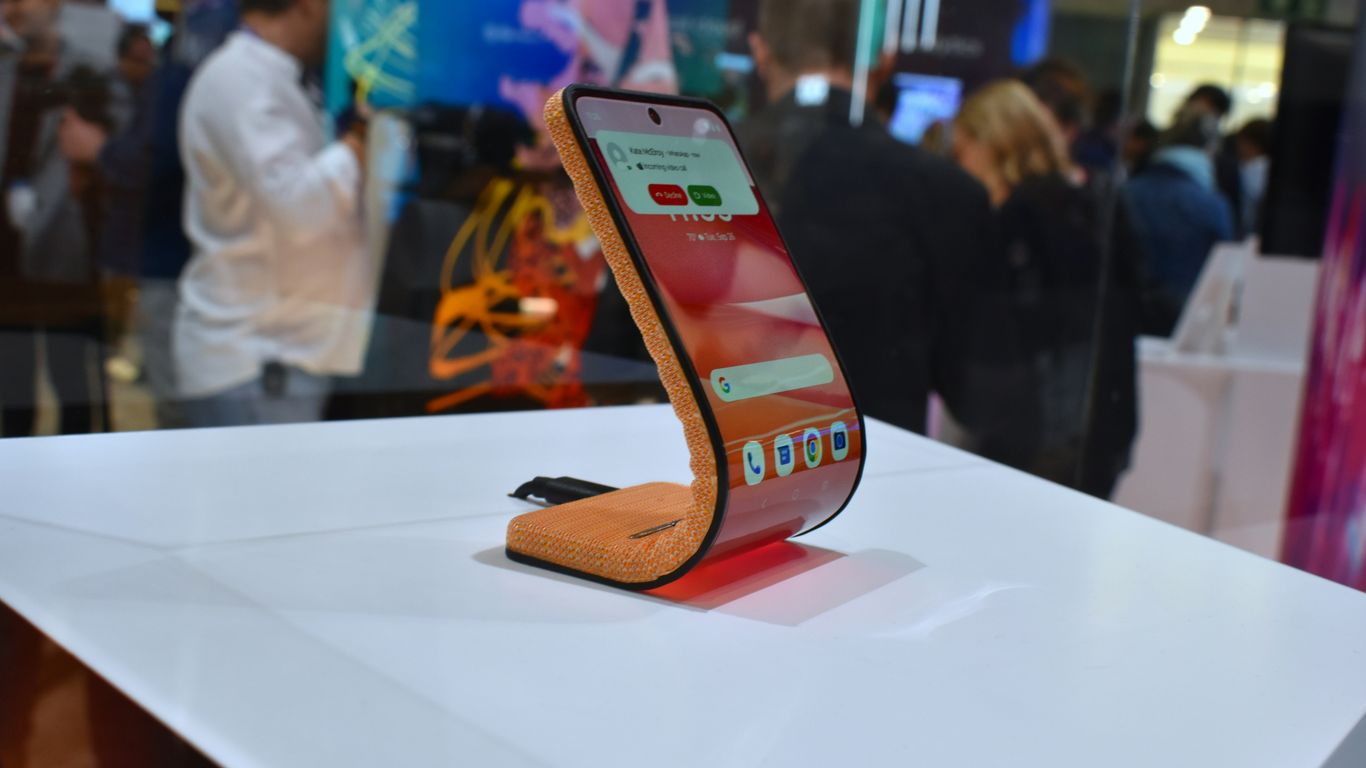
It’s pretty amazing how we go from a little spark of an idea to something you can actually hold or use, right? That’s really what this section is all about. It’s not just about dreaming up cool new tech, but about the whole process of making it real.
Creative Problem-Solving Through Technology
Think about it. Most new technology starts because someone saw a problem and thought, "There has to be a better way." Maybe it was something small, like a phone battery that died too fast, or something big, like needing cleaner energy. Technology is the tool we use to fix these things. It’s like having a super-powered toolbox for life’s challenges. We look at what’s not working and then figure out how to build something that does.
Interdisciplinary Approaches To Innovation
And nobody does this alone. You know how sometimes you get stuck on something, and then a friend who does something totally different has a brilliant idea? That’s kind of what happens with big tech projects. You need people who know about coding, people who know about design, people who understand how businesses work, and maybe even artists. Bringing all these different brains together is how you get something truly new and useful. It’s like making a really good stew – you need a bunch of different ingredients to make it taste great.
Here’s a look at how different fields can come together:
- Engineering: Builds the actual thing, makes sure it works.
- Design: Makes it look good and easy to use.
- Science: Provides the foundational knowledge.
- Business: Figures out how to get it to people who need it.
The Importance Of Continuous Improvement
Once something is out there, the work isn’t really done. Think about your phone – it gets updates all the time, right? That’s because people are always looking for ways to make it better, faster, or more secure. This idea of always tweaking and improving is super important. It means we don’t just stop at "good enough." We keep pushing to make things even better for everyone. It’s a cycle: build, test, learn, improve, repeat.
Looking Ahead
So, we’ve seen how technology is already a big part of our lives, from the phones in our pockets to the smart stuff in our homes. But it’s not just about convenience. These same ideas are pushing us to think bigger, like exploring space or finding better ways to care for our planet. It’s pretty wild to think about what’s next, with new inventions popping up all the time. It really feels like we’re just getting started, and the future is going to be shaped by these ongoing changes, big and small.