Farming is changing, and companies like CH Biotech are right in the middle of it. They’re working on new ways to grow food that are better for the planet. Think about crops that can handle weird weather or ways to make plants healthier without using harsh chemicals. This article looks at some of the cool stuff CH Biotech is doing, from using tiny particles to making farming more sustainable. It’s all about finding smarter ways to feed everyone while taking care of the earth.
Key Takeaways
- CH Biotech is developing special peptides to help crops deal with tough weather conditions.
- Their work with biostimulants aims to make plants healthier naturally.
- CH Biotech is looking into nanotechnology to create new kinds of farming products.
- These new products could help reduce greenhouse gases from farming.
- The company is focused on making farming more eco-friendly and sustainable overall.
CH Biotech’s Advancements in Sustainable Agriculture
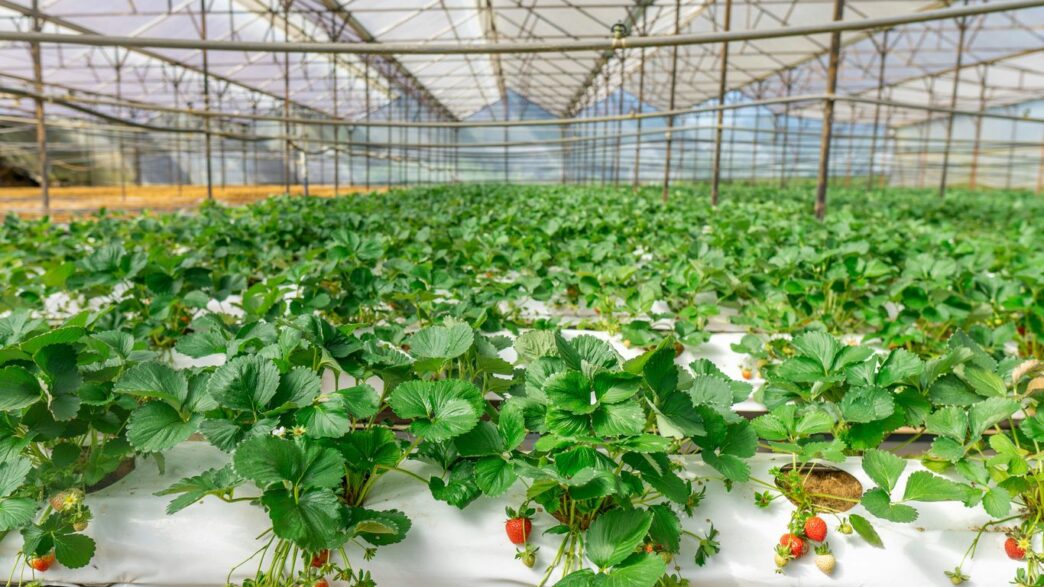
Farming these days is tough, right? The weather’s all over the place, making it hard for crops to just, you know, grow. CH Biotech is looking at this and trying to find ways to help. They’re working on stuff that makes plants tougher against things like droughts or too much rain.
Precision Oriented Peptides for Climate Resilience
So, CH Biotech has been developing these things called Precision Oriented Peptides, or POPs for short. Think of them like tiny helpers for plants. They’re designed to give plants a boost when the weather gets rough. These POPs help plants deal with stress from climate change, like not having enough water or dealing with extreme heat. It’s not about making plants grow faster all the time, but more about helping them survive and still produce when conditions are bad. They’ve done a bunch of tests, and it seems like these POPs can really make a difference in keeping farms productive even when the climate is acting up.
Enhancing Crop Health with Biostimulants
Beyond just surviving tough weather, CH Biotech is also focused on making crops healthier overall. They use biostimulants, and POPs are a big part of that. These aren’t your typical fertilizers that just feed the plant. Biostimulants work differently. They encourage the plant to do its own thing better – like absorbing nutrients more efficiently or building up its natural defenses. It’s like giving the plant a nudge in the right direction so it can thrive on its own. This means healthier plants, which usually leads to better harvests.
CH Biotech’s Commitment to Environmental Impact Reduction
What’s really good is that CH Biotech seems serious about not messing up the environment. A lot of farming practices can be hard on the land and water. They’re trying to create products that work well but don’t leave a big negative footprint. This includes looking at how their products are made and what happens to them after they’re used. They want to help farmers grow more food while also taking care of the planet. It’s a tricky balance, but they seem to be putting effort into finding solutions that are better for everyone in the long run.
Innovations in Agrochemicals by CH Biotech
The Role of Nanotechnology in Agriculture
So, agriculture has this big job, right? It needs to feed more people but also be kinder to the planet. That’s where nanotechnology comes in. It’s like a tiny tool that can do a lot of good things in farming. We’re talking about nano-agrochemicals, which are basically regular farm chemicals made super small. These tiny versions can work better than the old kind.
Mitigating Greenhouse Gas Emissions with Nano-Agrochemicals
One of the really interesting things about these nano-agrochemicals is how they might help with greenhouse gases. Agriculture is a big source of these gases, and finding ways to cut down is important. Nano-agrochemicals can be more efficient, meaning you might need less of them, and they can also help plants grow better. This can lead to less waste and, hopefully, fewer emissions. It’s not a magic fix, but it’s a step in the right direction.
CH Biotech’s Approach to Eco-Friendly Solutions
CH Biotech is looking at how to use these tiny technologies in a way that’s good for the environment. They’re figuring out the best ways to make and use these nano-agrochemicals. It’s all about making sure they work well for the crops without messing up the soil or the bugs that live in it. They’re also thinking about how to make sure the particles themselves are safe and don’t cause problems down the line. It’s a careful balancing act, trying to get the benefits without the downsides.
The Science Behind CH Biotech’s Products
Mechanisms of Precision Oriented Peptides
So, what exactly makes these Precision Oriented Peptides, or POPs, tick? It’s pretty neat, actually. Think of them as tiny messengers that tell plants exactly what they need. They’re not just general plant food; they’re designed to get specific jobs done. For instance, some POPs can help plants deal with tough weather, like when it gets too hot or too dry. They do this by activating certain pathways inside the plant that help it conserve water or tolerate heat stress. It’s like giving the plant a special instruction manual for survival. Other POPs focus on making plants stronger against diseases, nudging their natural defenses into high gear. It’s all about working with the plant’s own systems, not against them.
Manufacturing Processes for Advanced Agrochemicals
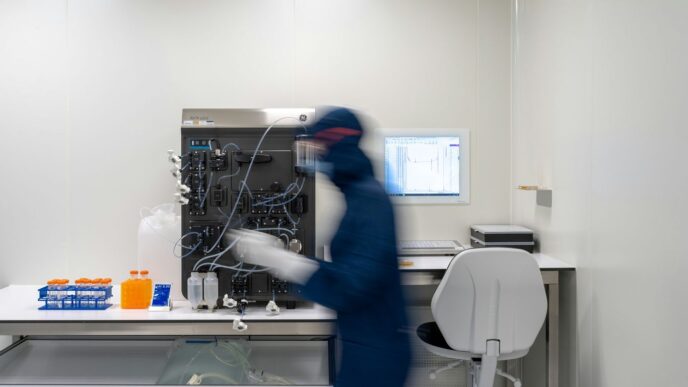
Making these advanced agrochemicals isn’t like baking a cake, that’s for sure. CH Biotech uses some pretty sophisticated methods. For the POPs, it involves carefully building these peptide chains, making sure each amino acid is in the right spot. This often happens in controlled environments, like bioreactors, where temperature, pH, and other factors are kept just right. It’s a bit like a high-tech lab process. For their nano-agrochemicals, the manufacturing is even more involved. They have to create tiny particles, often using techniques like precipitation or emulsion. The goal is to get particles that are just the right size and have the properties needed to deliver their payload effectively. It takes a lot of precision and quality control to make sure what goes into the bottle is consistent and works as intended.
Optimizing Nanoparticle Properties for Agricultural Use
When we talk about nanoparticles in farming, it’s not just about making things small. It’s about making them smart. CH Biotech spends a lot of time figuring out the best way to make these tiny particles work for crops. This means tweaking things like:
- Size: The size of the nanoparticle can affect how well it gets into the plant or how it interacts with soil.
- Surface Charge: This influences how the particle behaves in water and how it might stick to soil particles.
- Coating: Sometimes, the nanoparticles are coated with other materials to make them more stable or to control how they release their active ingredients.
They also look at how these nanoparticles behave in different environments – like in various soil types or under different weather conditions. The idea is to make sure the nanoparticle does its job without causing unintended problems, like sticking around too long or affecting helpful soil microbes. It’s a balancing act to get the most benefit with the least disruption.
Addressing Agricultural Challenges with CH Biotech
Farming these days is tough, right? We’ve got more mouths to feed than ever, and the weather’s getting wilder. It feels like a constant battle to get good crops and keep the soil healthy. CH Biotech is stepping into this with some new ideas.
Improving Yield and Plant Protection
Getting more food from the same amount of land is a big deal. CH Biotech is looking at ways to make plants tougher and more productive. They’re working on things that help plants fight off diseases and handle stress better, like when it gets too hot or too dry. This means farmers can potentially get more crops from their fields, even when conditions aren’t perfect. It’s not just about making plants grow bigger, but also about making them healthier overall, so they’re less likely to fail.
Restoring Soil Microbial Health
Healthy soil is the foundation of good farming, but a lot of modern practices can mess with the tiny organisms that live there. These microbes are super important for giving plants the nutrients they need. CH Biotech is exploring solutions that help bring the soil back to life. They’re developing products that can support beneficial bacteria and fungi, which in turn helps the soil become more fertile and better at holding water. It’s like giving the soil a much-needed probiotic boost.
Balancing Benefits and Risks of New Agrochemicals
Any new farming product comes with questions. We want to know if it really works, if it’s safe for us and the environment, and what happens long-term. CH Biotech seems to be thinking about this too. They’re trying to create products that do a lot of good – like boosting crops and protecting them – without causing new problems. This involves careful testing and looking at how their products interact with the soil, water, and the wider ecosystem. It’s a tricky balance, but important for making sure these innovations are a net positive for farming.
Future Directions for CH Biotech
Guiding Future Research in Agrochemicals
So, what’s next for CH Biotech? It looks like they’re really focused on pushing the boundaries of what’s possible in farming. They’re not just looking at today’s problems; they’re thinking about the next decade and beyond. A big part of this is figuring out how to make their current products even better. Think about those Precision Oriented Peptides (POPs) – they’re already helping crops deal with tough weather. The next step is probably making them work even more reliably across different climates and for a wider range of plants. It’s like fine-tuning a recipe to make it perfect for every occasion.
Developing Sustainable Agricultural Practices
Beyond just the products themselves, CH Biotech seems keen on how these innovations fit into the bigger picture of farming. They’re looking at how their work can help farmers grow more food without messing up the environment. This includes things like reducing the need for harsh chemicals and finding ways to improve the soil itself. They’re probably exploring how their nano-agrochemicals can be used to cut down on greenhouse gases, which is a pretty big deal for the planet. It’s not just about making a product; it’s about making farming itself more sustainable for the long haul.
The Evolving Landscape of CH Biotech Innovations
Looking ahead, CH Biotech is probably going to keep an eye on new scientific discoveries. Things like nanotechnology are still pretty new in agriculture, and there’s a lot more to learn. They’ll likely be investigating how to make nanoparticles work even smarter, maybe targeting specific plant needs or even soil microbes more precisely. The goal is to create tools that are not only effective but also safe and good for the earth. It’s a complex puzzle, balancing crop needs with environmental health, but it seems like CH Biotech is ready to tackle it. They’re probably going to be involved in a lot of testing and research to make sure their next big ideas are solid before they hit the fields.
Wrapping Up
So, looking at what CH Biotech is doing, it’s pretty clear they’re not just messing around. They’re really trying to figure out how to make farming better, especially with all the weird weather we’ve been having. Things like those POPs peptides and even using tiny stuff like nanoparticles seem like they could actually help crops grow stronger and maybe even cut down on some of the bad stuff agriculture can do to the planet. It’s not a magic fix, for sure, and there are still questions about how it all works long-term and if it’s totally safe. But it feels like a step in the right direction, trying to find smarter ways to grow our food without wrecking everything else. It’ll be interesting to see how these ideas play out in real fields.
Frequently Asked Questions
What are Precision Oriented Peptides (POPs) and how do they help plants deal with tough weather?
Precision Oriented Peptides, or POPs for short, are like special helpers for plants. They are tiny pieces of protein that scientists have made to help crops grow stronger, especially when the weather gets difficult, like during droughts or extreme heat. Think of them as a plant’s personal shield against climate change.
How do CH Biotech’s products make crops healthier without using harsh chemicals?
CH Biotech uses things called biostimulants. These aren’t like traditional pesticides or fertilizers. Instead, they encourage the plant’s natural abilities to grow better and fight off problems. It’s like giving the plant a healthy boost so it can take care of itself more effectively, leading to healthier plants and better harvests.
What is nanotechnology, and how is CH Biotech using it in farming?
Nanotechnology involves working with super tiny materials, much smaller than we can see. CH Biotech is using these tiny materials, called nano-agrochemicals, to make farming better. These tiny particles can help deliver nutrients or protection to plants more efficiently, meaning less product is needed and it works better.
Can new farming products like those from CH Biotech help reduce pollution?
Yes, absolutely! Some of CH Biotech’s new products, especially those using nanotechnology, are designed to help reduce greenhouse gases, which are a big cause of climate change. By using these advanced materials, farms can become cleaner and kinder to the environment.
Are CH Biotech’s new farming solutions safe for the soil and the environment?
CH Biotech is really focused on making sure their products are good for the Earth. They are working hard to create solutions that help crops grow well while also protecting the soil and making sure there aren’t any bad side effects. It’s all about finding a good balance between helping farms and keeping nature healthy.
What is CH Biotech planning for the future of farming?
CH Biotech is always looking ahead! They are researching new ways to make farming even more sustainable and effective. This includes finding better ways to help crops grow in challenging climates and developing even more eco-friendly products to ensure we can feed everyone while taking care of our planet.