Advancements in Material Design and Synthesis
It feels like every week there’s some new material that’s supposed to change everything, right? And honestly, a lot of it is pretty exciting. We’re not just talking about making things stronger or lighter anymore; we’re designing materials from the ground up to do specific jobs, often in ways we couldn’t even imagine a decade ago. This whole area of material design and synthesis is really where the magic happens, pushing the boundaries of what’s possible.
Sustainable and Circular Economy Materials
This is a big one, and for good reason. We’re all hearing more about needing to be kinder to the planet, and that definitely includes the stuff we make things out of. The focus here is on creating materials that can be used, reused, and then either recycled back into new materials or break down naturally without causing harm. Think about plastics that don’t stick around for hundreds of years, or manufacturing processes that use less energy and create less waste. It’s about closing the loop, so we’re not just constantly taking from the earth and throwing things away.
- Renewable Resources: Using plant-based feedstocks or other naturally replenishing sources.
- Recyclability: Designing materials that can be easily collected and reprocessed into high-quality new products.
- Biodegradability: Creating materials that can decompose safely in specific environments.
Advanced Manufacturing and 3D Printing of Functional Materials
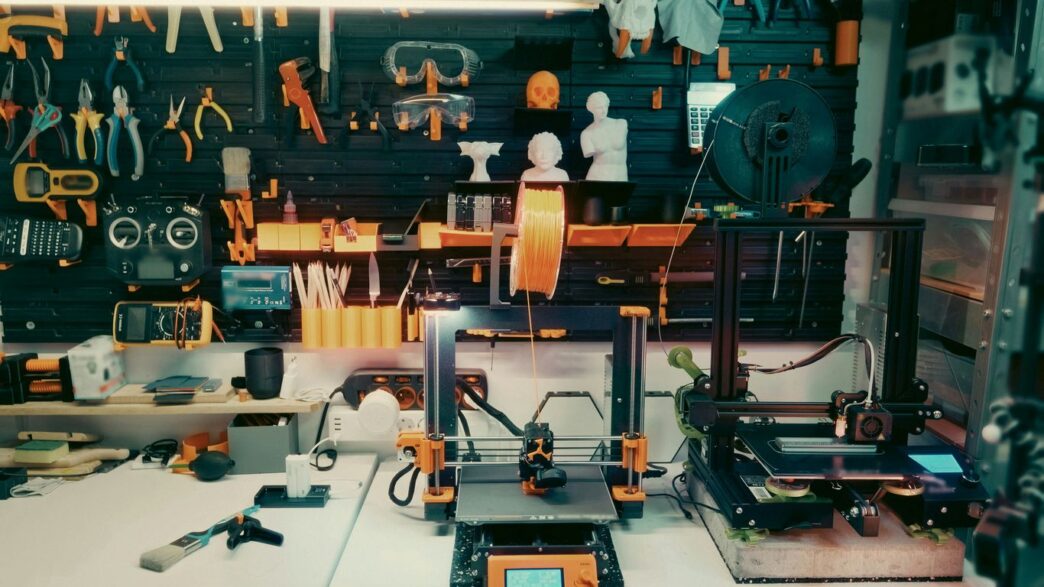
Remember when 3D printing was mostly for making plastic trinkets? Well, that’s changed. Now, we’re using additive manufacturing to build complex parts with very specific, built-in functions. This isn’t just about shape; it’s about creating materials with tailored electrical, thermal, or even biological properties right within the printed object. It allows for incredible customization and can speed up how quickly we can get new designs from the computer into actual, working components. Plus, it means we can make things closer to where they’re needed, reducing shipping.
Bio-inspired and Self-Healing Materials
Nature is pretty amazing at designing things that work. Scientists are looking at how plants and animals do certain things and trying to copy that in materials. For example, imagine a phone screen that can fix its own scratches, or a bridge that can repair minor cracks before they become a problem. That’s the idea behind self-healing materials. We’re also looking at how biological systems are structured to create materials that are tough, flexible, and efficient, all at the same time. This biomimicry approach is leading to materials that are not only smarter but also more durable and longer-lasting.
The Materials Innovation Lifecycle
Creating new materials isn’t just a flash of inspiration; it’s a structured journey. Think of it like building something complex, where each step matters to get to the final, working product. This whole process, from the first idea to having a material ready for use, is what we call the materials innovation lifecycle. It’s a bit of a loop, often requiring researchers to go back and tweak things as they learn more.
Discovery and Design
This is where it all begins. Scientists use computers to model and simulate how different atoms and molecules might fit together. They’re looking for combinations that could have the properties they need – maybe something super strong, or really flexible, or able to conduct electricity well. It’s like trying to solve a giant puzzle, exploring countless possibilities to find the best candidates. Sometimes, they use smart computer programs, like machine learning, to help predict which combinations are most likely to work, saving a lot of time and guesswork.
Synthesis and Processing
Once a promising material is designed on paper (or screen!), the next step is to actually make it. This happens in the lab. Researchers use a variety of techniques, like chemical reactions or specialized printing methods, to build the material atom by atom or molecule by molecule. It’s not just about making a small sample; they also have to figure out how to make it consistently and in larger amounts. This stage is all about translating the theoretical design into a physical substance.
Characterization and Testing
Now that we have a material, we need to see if it actually does what we designed it to do. This involves a lot of testing. Scientists use sophisticated equipment to measure its properties – how strong it is, how it reacts to heat or chemicals, how it conducts electricity, and so on. They compare these results against the initial design goals. This rigorous testing phase is absolutely critical for understanding a material’s capabilities and limitations. If the results aren’t quite right, it’s back to the drawing board for design or synthesis adjustments.
Application and Commercialization
The final stage is getting the material out into the world. This means figuring out how it can be used in real products, like in a new type of phone screen or a more efficient solar panel. It involves scaling up production so it can be made in large quantities affordably. There are often regulatory hurdles to clear, especially if the material is intended for use in things like food packaging or medical devices. Successfully bringing a new material to market is the ultimate goal, turning scientific discovery into practical innovation.
Key Performance and Quality Parameters in Materials
When we’re talking about materials, it’s not just about what they look like or what they’re made of. What really matters is how they behave and how well they hold up under different conditions. These are the "key performance and quality parameters" that tell us if a material is actually any good for what we need it to do.
Mechanical Properties
This is all about how a material reacts when you push, pull, or stress it. Think about how strong it is – can it take a lot of force before it bends or breaks? That’s its strength. Then there’s hardness, which is basically how well it resists being scratched or dented. Toughness is another big one; it’s about how much energy a material can soak up before it cracks. And finally, elasticity and ductility tell us if a material can stretch and go back to its original shape, or if it can deform a lot without snapping.
- Strength: How much stress it can handle.
- Hardness: Resistance to surface damage.
- Toughness: Ability to absorb impact energy.
- Elasticity/Ductility: How much it can deform before breaking.
Thermal Properties
Materials don’t act the same when temperatures change, and thermal properties tell us how they handle heat. Thermal conductivity is about how fast heat moves through something – is it a good insulator or a good conductor? Thermal expansion is how much a material changes size when it gets hotter or colder, which is super important for things that get used in different weather. Heat capacity is just how much heat a material can store up.
| Property | Description |
|---|---|
| Thermal Conductivity | Rate of heat transfer through the material. |
| Thermal Expansion | Change in size with temperature variations. |
| Heat Capacity | Amount of heat needed to raise its temperature. |
Chemical Stability and Resistance
This category looks at how well a material stands up to being around other chemicals or in tough environments. Corrosion resistance is a big deal, especially for metals, as it’s about how well they avoid rusting or degrading when exposed to things like salt or acids. Oxidation resistance is similar, focusing on how materials handle reactions with oxygen, often at high temperatures. If a material is chemically inert, it means it doesn’t react easily with much, which is great for things like medical implants or food packaging.
Electrical and Optical Properties
These properties deal with how materials interact with electricity and light. Electrical conductivity is pretty straightforward – how easily does electricity flow through it? This is key for wires and electronics. Dielectric strength is about how well a material can block electricity. On the light side, we look at things like transparency (can you see through it?), refractive index (how much does it bend light?), and how it absorbs or gives off light. These are vital for lenses, screens, and sensors.
Emerging Trends in Material Technology
The world of materials is always changing, and some pretty wild stuff is happening right now. It feels like we’re on the edge of some big leaps, thanks to a few key areas getting a lot of attention.
Artificial Intelligence and Machine Learning for Accelerated Discovery
Think about trying to find a needle in a haystack, but the haystack is basically the entire universe of possible materials. That’s kind of what scientists used to do. Now, though, we’ve got AI and machine learning. These tools can sift through massive amounts of data way faster than any human ever could. They can predict what properties a new material might have, figure out the best way to make it, and even suggest entirely new combinations we might not have thought of. This is seriously speeding up how quickly we can go from an idea to a working material. It’s like having a super-smart assistant who never sleeps.
Quantum Materials and Metamaterials
This is where things get a bit mind-bending. Quantum materials are special because they behave in really odd ways due to quantum mechanics. Think superconductors that conduct electricity with zero resistance, or topological insulators that only conduct on their edges. Then there are metamaterials. These aren’t found in nature; they’re engineered structures, often at a tiny scale, designed to interact with things like light or sound in unusual ways. We’re talking about materials that could bend light around them (like an invisibility cloak, though that’s still a ways off) or dramatically boost communication signals. It’s a whole new playground for designing materials with properties we’ve only dreamed of.
Biocompatibility and Environmental Impact
We’re also getting much smarter about how materials affect us and the planet. There’s a big push to create materials that are safe to use inside the human body – think better implants or drug delivery systems that don’t cause problems. At the same time, everyone’s talking about sustainability. This means developing materials that can be easily recycled, break down naturally, or are made from renewable resources. The goal is to reduce waste and pollution, making sure the materials we use today don’t cause a mess for future generations. It’s about making materials work with nature, not against it.
Real-World Material Technology Examples
It’s pretty wild how materials science is showing up everywhere, not just in fancy labs. Think about the stuff you use every day, or the big projects happening around the world. They’re all getting a boost from new materials.
Thermoplastic Polyurethane (TPU) for Flexible Applications
This stuff, TPU, is like the go-to for anything that needs to bend, stretch, or just be generally tough without snapping. You see it in phone cases that can take a drop, flexible shoe soles that keep your feet comfy, and even in medical tubing where it needs to be both flexible and safe for the body. TPU’s ability to be molded easily and its resistance to oil and abrasion make it super useful. It’s not just about being flexible; it’s about holding up under pressure and wear.
Titan Chem Epoxy for Chemical Resistance
When you’ve got harsh chemicals around, you need materials that won’t break down. That’s where things like Titan Chem Epoxy come in. This isn’t your average glue; it’s designed to create a barrier that stands up to acids, solvents, and other nasty stuff. You’ll find it protecting tanks, pipes, and floors in industrial settings where spills and corrosive environments are a constant threat. It’s all about creating a durable shield that keeps equipment and structures safe from chemical attack.
Advanced Alloys for Aerospace
Flying high requires materials that are incredibly strong but also as light as possible. That’s the job of advanced alloys in the aerospace industry. We’re talking about special mixes of metals, like aluminum-lithium or titanium-based alloys, that offer a better strength-to-weight ratio than traditional materials. These alloys are key to building planes and spacecraft that are more fuel-efficient and can withstand the extreme conditions of flight and space. They’re engineered to handle immense stress and temperature changes, which is pretty important when you’re miles above the ground.
Navigating Challenges in Materials Science

Even with all the cool new materials popping up, getting them from a lab idea to something you can actually buy and use isn’t always a walk in the park. There are some pretty big hurdles.
Data Management and Integration
Think about all the tests and experiments that go into creating a new material. You get tons of data – numbers, charts, images – from all sorts of different machines. The problem is, this data is often scattered all over the place, in different formats, and doesn’t always play nice with each other. It’s like trying to put together a puzzle where half the pieces are from a different box. This makes it really tough to use smart computer programs, like AI, to help speed things up because the information isn’t organized in a way they can easily understand. Getting all this information into one, usable system is a major headache.
Complex Synthesis and Scalability
Making a tiny bit of a new material in a lab is one thing, but making tons of it consistently for factories is another beast entirely. Sometimes, the processes are so intricate, or the starting materials are so rare, that it’s just not practical or affordable to make large amounts. Getting the exact same structure and properties every single time you scale up production? That’s a really tricky balancing act.
Predictive Modeling Limitations
We’ve got some pretty neat computer tools now that can guess how a material will behave. But, they’re not perfect. When you’re dealing with really complex situations, like materials under extreme stress or brand-new combinations of elements, these models can sometimes miss the mark. There’s still a gap between what the computer predicts and what actually happens when you test it in the real world. Refining these models takes a lot of work.
Cost and Resource Intensiveness
Let’s be honest, materials science can be expensive. You need fancy, specialized equipment – think super-powerful microscopes or complex chemical reactors. Plus, the raw ingredients often need to be super pure, and running these processes can use a lot of energy. This high cost can be a big barrier, especially for smaller companies trying to get new ideas off the ground. It makes some promising materials just too pricey to develop further.
Wrapping It Up
So, we’ve looked at some pretty cool stuff happening with materials. It’s clear that what we make things out of is changing, and fast. From making electronics smaller and better to finding ways to be kinder to the planet with biodegradable options, it’s all connected. The labs and companies really pushing the envelope are the ones thinking about how to make things work better, last longer, and not mess up the environment. It’s not just about inventing something new; it’s about making smart choices that help us all out in the long run. Keep an eye on this space, because the next big thing might just be a new kind of plastic or a stronger, lighter metal.