So, you want to make parts that are almost the final shape right out of the gate? That’s basically what near net shape manufacturing is all about. Instead of making a rough block and then hacking away a ton of material, these methods get you pretty close to the finished product from the start. It saves time, cuts down on waste, and is a big deal for expensive materials. We’ll look at some cool ways companies are doing this across different industries, from building things layer by layer to shaping metal with pressure and heat.
Key Takeaways
- Near net shape manufacturing aims to produce parts that are very close to their final dimensions, reducing the need for extensive post-processing like machining.
- Additive manufacturing, including techniques like powder laser bed melting and electron beam melting, builds complex geometries layer by layer, offering significant design freedom.
- Forming processes such as superplastic forming and hydroforming can create intricate shapes with less tooling and material waste compared to traditional methods.
- Welding innovations, like linear friction welding for aerospace, enable the joining of components into near net shapes efficiently.
- Traditional methods like casting and molding, alongside newer incremental processes, continue to be adapted for near net shape applications, balancing cost and precision.
Additive Manufacturing: Building Complex Components Layer by Layer
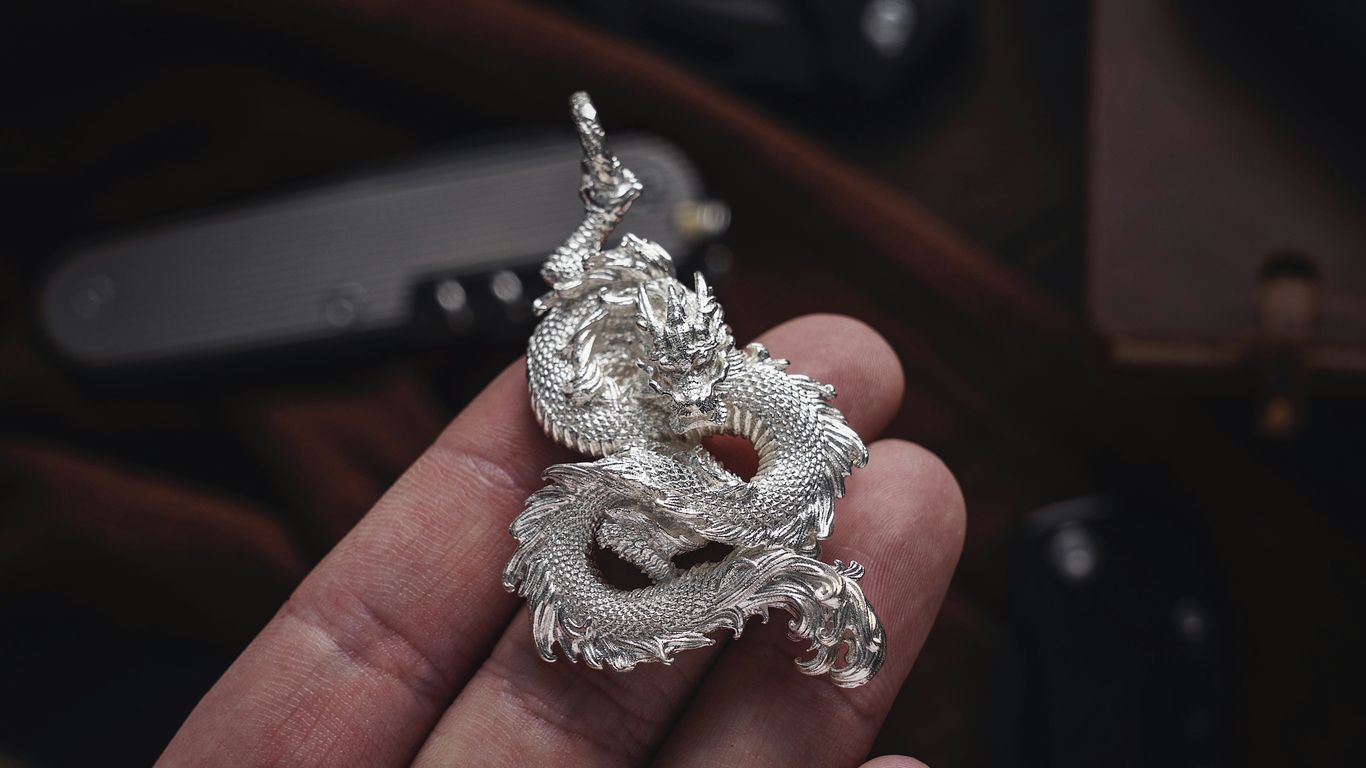
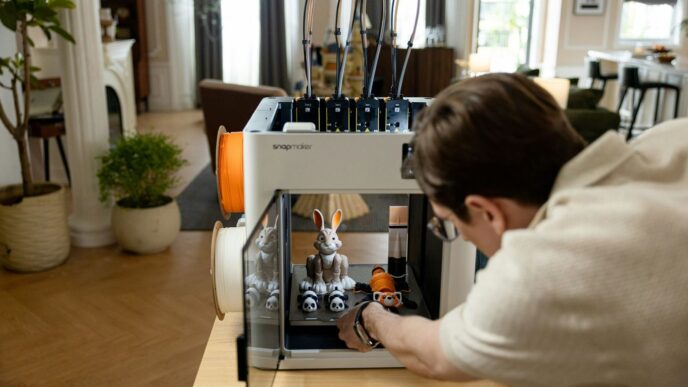
Additive Manufacturing, often called 3D printing, is a game-changer for making parts. Instead of carving away material from a block, you build things up, layer by tiny layer, directly from a digital design. This approach is fantastic for creating intricate shapes that would be impossible or way too expensive with traditional methods. It means less material waste and the ability to make parts that are lighter and stronger.
Powder Laser Bed Melting Suite
This is one of the most common ways to 3D print metal parts. Imagine a bed of fine metal powder. A powerful laser scans across the powder, melting and fusing it precisely where it needs to be, following the design of your part. Once a layer is done, the bed moves down a tiny bit, a new layer of powder is spread, and the laser goes again. It’s a meticulous process that can create very detailed components. Some systems are designed for research and development, allowing lots of control over the printing process, while others are built for higher production volumes. The build size can vary quite a bit, from smaller lab-scale machines to larger ones capable of printing parts for things like aircraft.
Electron Beam Melting
Similar to laser melting, Electron Beam Melting (EBM) uses an electron beam instead of a laser to melt metal powder. This happens in a vacuum chamber, which is great for certain materials that react poorly with oxygen. EBM can often melt the material faster and at higher temperatures than laser systems, which can lead to denser parts with fewer internal stresses. It’s particularly useful for larger components, like those found in the aerospace industry, where building big, complex parts efficiently is key. Some machines are designed for easy handling of the metal powder and quick setup, making the whole process more productive.
Directed Energy Deposition System
Directed Energy Deposition (DED) is a bit different. Instead of a powder bed, it uses a nozzle that blows metal powder directly into a focused energy source, usually a laser or electron beam. This melt pool is then deposited onto a surface, building up the part. A big advantage here is that DED systems can often move in five axes, meaning they can build or repair parts without needing support structures, which saves time and material. They can even be mounted on a CNC machine. This method is really good for repairing high-value components, like turbine blades, or for adding features to existing parts. Some DED systems can even mix different metal powders on the fly to create new alloys with specific properties right in the machine.
Bound Metal Deposition System
This method is sometimes called material extrusion for metals. Think of it like a sophisticated 3D printer for plastic, but instead of plastic filament, it uses a rod made of metal powder mixed with a binder. The machine extrudes this rod, layer by layer, to form a "green" part. This green part is then processed further. It’s immersed in a fluid that dissolves the binder, leaving behind a porous metal structure. Finally, this structure is sintered in a furnace, where the metal particles fuse together to create a solid, dense metal part. It’s a more office-friendly approach to metal 3D printing and can be scaled up for higher production.
Forming Techniques for Precision and Efficiency
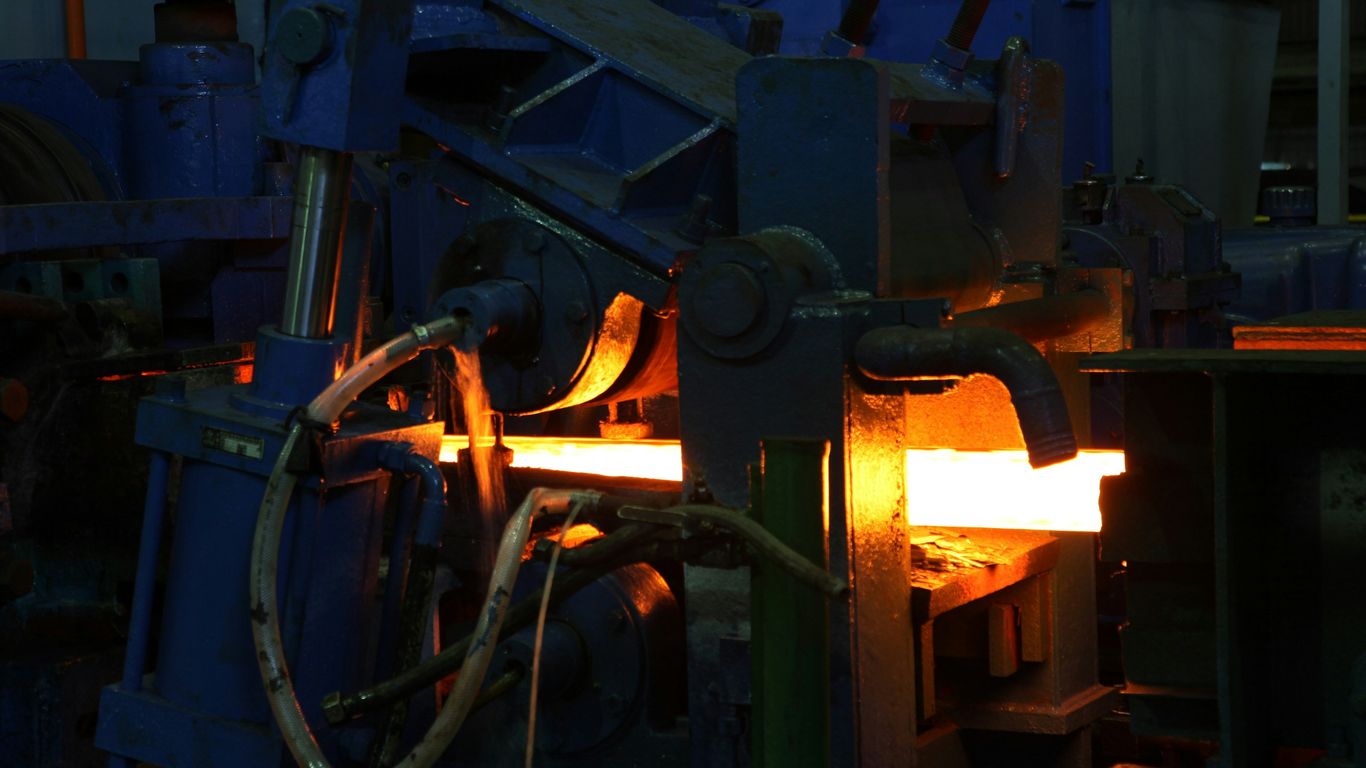
Sometimes, you just need to shape metal without melting it down or adding material. That’s where forming techniques come in, and they’re pretty neat for getting parts close to their final shape right from the start. This means less work later on, saving time and money.
Superplastic Forming for Lightweight Structures
This is a cool way to make really complex shapes, especially from materials that are usually tough to work with. Think of it like stretching a balloon, but with metal. You heat up a special metal sheet until it’s super stretchy (that’s the ‘superplastic’ part) and then use pressure, often gas, to push it into a mold. Because the metal is so pliable, it can take on intricate forms that would be impossible with other methods. This is a big deal for making lightweight parts, like those needed in aerospace, where every ounce counts. It also means fewer welds and simpler assemblies, which is always a win.
Hydroforming for Reduced Tooling Costs
Hydroforming is a bit like superplastic forming but often uses a liquid (like water or oil) to push the metal into shape. You place a piece of metal over a die, seal it up, and then use high-pressure fluid to force the metal into the die’s cavity. The big draw here is how much it cuts down on tooling costs. Compared to traditional stamping, where you need a specific, often expensive, metal-on-metal die set, hydroforming can use simpler tooling, sometimes reducing costs by as much as 70%. This makes it great for complex shapes that would otherwise need a lot of welding or multiple stamping steps. Plus, it can handle some pretty strong materials.
Cold Forming for Advanced Materials
Cold forming is all about shaping metal at room temperature, or close to it. This process is fantastic for materials that get weaker or harder to work with when heated, like certain high-strength steels. We’re seeing this used a lot for things like car parts, especially for electric vehicles where you need panels that are both light and super strong. Because you’re not using a lot of heat, it’s more energy-efficient and can reduce material waste. It’s a smart way to get precise components without a lot of fuss or energy consumption.
Welding Innovations in Near Net Shape Manufacturing
Welding might not be the first thing that comes to mind when you think about near net shape (NNS) manufacturing, but it plays a pretty big role, especially when you’re dealing with complex parts or high-value materials. The main idea behind NNS is to get the part as close to its final shape as possible right from the start, cutting down on waste and extra work later. Welding techniques are stepping up to help make this happen.
Linear Friction Welding for Aerospace
This is a big one for the aerospace industry. Think about making parts for airplanes – they need to be strong, light, and precise. Linear Friction Welding (LFW) is a solid-state joining process, meaning the metal doesn’t melt. Instead, it uses friction and pressure to bond two pieces together. It’s particularly good for creating near net shape titanium alloy components, which are common in airframes. Because it’s a solid-state process, you get a really strong bond with minimal distortion, which is exactly what you want when you’re trying to avoid a lot of post-weld machining. Projects have shown how LFW can really boost the production of these high-quality parts, saving on material costs and reducing the need for extensive finishing.
Laser Welding for Titanium Alloys
Laser welding is another technique that’s making waves in NNS manufacturing, especially for tricky materials like titanium alloys. It uses a focused laser beam to melt and join materials. The precision of a laser means you can make very controlled welds, which is great for complex assemblies. In the aerospace supply chain, for example, laser welding has been explored to create new, lightweight assemblies from titanium alloys and even titanium metal matrix composites. This method can reduce the amount of welding needed overall and help create parts that are already very close to their final dimensions, cutting down on both time and material waste.
Casting and Molding: Traditional Roots, Modern Applications
Even though we’re talking about cutting-edge manufacturing, it’s worth remembering some of the older methods that are still super relevant. Casting and molding have been around forever, but they’re not just stuck in the past. These techniques are still a big deal for making parts that are almost the final shape, saving a lot of work later on.
Die, Sand, and Investment Casting
These casting methods are workhorses in many industries. Die casting is great for high-volume production of metal parts with good detail. You pour molten metal into a mold under high pressure. Sand casting is more flexible, good for larger parts or when you don’t need super fine details, and it’s often used for prototypes or custom pieces. Investment casting, sometimes called lost-wax casting, is fantastic for intricate shapes and tight tolerances, often used for things like jewelry or complex engine components. The key advantage across these casting types is their ability to create complex geometries in a single piece, reducing assembly needs.
Metal and Plastic Injection Molding
Injection molding is similar in concept but uses molds to shape materials. For plastics, it’s how you get everything from bottle caps to car dashboards. In metal injection molding (MIM), fine metal powders are mixed with a binder, injected into a mold, and then the binder is removed and the part is sintered to become solid metal. MIM is really good for small, complex metal parts that would be hard to machine. It’s a bit of a multi-step process, involving:
- Mixing: Metal powder and binder are combined.
- Injection: The mixture is forced into a mold.
- Debinding: The binder is removed.
- Sintering: The part is heated to fuse the metal particles.
These processes, while traditional, are constantly being refined to produce parts closer to their final dimensions, fitting right into the near net shape manufacturing picture.
Incremental Processes: Energy and Material Savings
Sometimes, the most efficient way to make something isn’t about adding material or taking it away, but about carefully shaping it. That’s where incremental processes come in. These methods are all about using less energy and less raw material, which is a big deal for sustainability and keeping costs down. Think of it like sculpting, but with metal and advanced machinery.
Incremental Sheet Forming for Prototypes
This technique is pretty neat for making prototypes or small batches of parts. Instead of expensive, custom-made dies that you’d need for mass production, incremental sheet forming uses a simple tool that moves along the surface of a sheet of metal. It gradually pushes and shapes the metal into the desired form. This means tooling costs can be way lower – sometimes up to 70% less than traditional stamping. Plus, it’s a great way to get complex shapes without a lot of welding or extra steps. It really speeds up getting a new design out the door and cuts down on development costs and energy use.
Rotary Forging for Complex Shapes
Rotary forging, also known as orbital forging, is another clever way to get complex shapes with less waste. It’s a bit like rolling or pressing, but the tool moves in a circular or orbital path. This allows for the creation of intricate geometries and features that would be tough or impossible with other methods. It’s particularly good for parts that need to be strong and precise, like those found in the automotive or aerospace industries. Because it shapes the material rather than cutting or melting it, it uses less energy and leaves you with a stronger part due to the grain structure of the metal.
Here’s a quick look at some benefits:
- Reduced Tooling Costs: Significantly cheaper than traditional methods for prototypes and small runs.
- Material Efficiency: Less scrap material is generated compared to subtractive processes.
- Energy Savings: Generally requires less energy than processes involving melting or extensive machining.
- Complex Geometries: Enables the creation of shapes that are difficult or impossible with other techniques.
- Improved Part Properties: Can result in stronger parts due to controlled material deformation.
Machining and Finishing: Complementing Near Net Shape
Even with near net shape manufacturing, there’s often a need for a bit of fine-tuning. Think of it like getting a custom suit – it’s already pretty close to perfect, but a tailor might make a few small adjustments to make it fit just right. That’s where machining and finishing come in. These steps take those almost-there parts and turn them into exactly what’s needed.
Wire Electrical Discharge Machining
Wire Electrical Discharge Machining, or WEDM, is pretty neat. It uses a thin wire, like a super-fine cutting tool, to precisely shape conductive materials. It’s especially good for really intricate designs or hard metals that are tough to cut with regular tools. It’s a go-to for making complex parts with tight tolerances.
Here’s what makes WEDM stand out:
- Precision: It can cut incredibly fine details and sharp corners.
- Material Versatility: Works well on hardened steels, exotic alloys, and other tough stuff.
- No Direct Contact: Since it uses electrical sparks, there’s no physical force on the workpiece, which is great for delicate parts.
CNC Machining for Precision Parts
Computer Numerical Control (CNC) machining is probably what most people think of when they hear "machining." It uses automated tools like mills and lathes to remove material and get a part to its final dimensions. While near net shape processes try to get things close, CNC machining is often used to achieve that final, perfect fit and finish. It’s all about accuracy and repeatability.
| Machine Type | Key Capability |
|---|---|
| CNC Mill | Shaping parts by removing material with rotating cutters |
| CNC Lathe | Creating cylindrical parts by rotating the workpiece |
| CNC Grinder | Achieving very smooth surfaces and tight tolerances |
These machines are programmed with specific instructions, so once you set them up, they can produce identical parts over and over. This is super important for industries where consistency is key, like aerospace or medical devices. It’s the final touch that makes a near net shape component truly ready for its job.
Wrapping It Up
So, we’ve looked at a bunch of ways companies are making parts that are already pretty close to their final shape right from the start. It’s not just about saving a bit of time or money on machining, though that’s a big plus. It’s also about using less material, cutting down on waste, and even making parts that were just too complicated to make before. From 3D printing to fancy forming techniques, it seems like near net shape manufacturing is popping up everywhere, helping industries get things done more efficiently and with less environmental impact. It’s pretty cool to see how these methods are changing how we make stuff.