

Right, so we’re looking at how different integration platforms can help connect things up nicely in 2026. It’s not just about plugging stuff together; it’s about making sure data flows where it needs to, when it needs to. Think of it like upgrading your house’s wiring – you want everything to work smoothly without tripping fuses. We’ll cover a few different types of integration platform examples to see what’s out there and how they can make life easier for businesses. It’s all about making systems talk to each other without a fuss.
Key Takeaways
- Enterprise integration platform examples help link up your main business software, making sure information moves smoothly between different teams and departments. They’re good for keeping data up-to-date across the board.
- Cloud-native integration platform examples are built for modern cloud setups. They use things like microservices and APIs to make connections that can grow as your needs change, and they can work without you managing servers directly.
- Hybrid integration platform examples are useful when you have systems both in your own data centres and in the cloud. They help connect these different environments securely and manage all sorts of integration tasks.
- Data integration platform examples focus on getting data ready for analysis. They pull data from different places into central stores, helping business intelligence tools work better and setting up ways to get insights from data as it comes in.
- B2B and IoT integration platform examples deal with connecting with external partners and devices. B2B platforms help automate things like sending orders or invoices, while IoT platforms connect devices and sensors to gather data for smart applications.
Enterprise Application Integration Platform Examples
Right then, let’s talk about getting all those different business systems to actually talk to each other. It’s not always straightforward, is it? You’ve got your finance software, your customer relationship management (CRM) tools, your inventory systems – all doing their own thing. An Enterprise Application Integration (EAI) platform is basically the glue that holds them together, making sure information flows where it needs to go without a fuss. The main goal is to stop data silos and make sure everyone’s working with the same, up-to-date information.
Connecting Core Business Systems
Think about your main operational software. You’ve got your accounting package, your sales system, and maybe something for managing your staff. Without integration, you’re probably doing a lot of manual data entry, copying figures from one place to another. This is a recipe for mistakes, and it wastes a load of time. An EAI platform can link these up. For instance, when a sale is made in your CRM, the EAI can automatically update your accounting software with the transaction details and flag the inventory system to reduce stock levels. It’s about making sure these big, important systems work in harmony.
Streamlining Data Flow Across Departments
Imagine marketing needs to know which products are selling best to plan their next campaign, but that data is stuck in the sales system. Or HR needs to know employee numbers for payroll, but that’s in a separate HR system. An EAI platform can create pathways for this information. It means marketing can get sales figures without bothering the sales team directly, and HR can pull payroll data without manual intervention. This makes departments more efficient and allows for better decision-making because the right people have access to the right data, when they need it.
Here’s a quick look at what happens:
- Data Source: Information originates in one system (e.g., a new customer record in CRM).
- Integration Trigger: The EAI platform detects the change.
- Data Transformation: The data might be reformatted to fit the receiving system’s needs.
- Data Destination: The information is sent to the target system (e.g., the accounting software).
- Confirmation: The platform confirms the data transfer was successful.
When systems can’t communicate, it’s like having a team where everyone speaks a different language. Information gets lost, misunderstandings happen, and tasks take way longer than they should. Integration platforms are the translators and the couriers, making sure everyone’s on the same page.
Real-Time Data Synchronisation Strategies
In today’s world, waiting for daily reports just doesn’t cut it. Businesses need information as it happens. This is where real-time synchronisation comes in. If a customer updates their address in your online portal, you want that change to appear in your CRM and your billing system immediately. EAI platforms can achieve this using various methods, like event-driven architecture where changes in one system trigger immediate updates in others, or through continuous polling. This keeps your data fresh and accurate across all your applications, which is pretty important for customer service and operational efficiency.
Cloud-Native Integration Platform Examples
Cloud-native integration platforms are built from the ground up for modern, distributed systems. They’re designed to work well with cloud environments, offering flexibility and speed. These platforms are key for businesses looking to build agile and scalable applications.
Leveraging Microservices Architectures
Microservices break down large applications into smaller, independent services. Integration platforms help these services talk to each other. Think of it like a team where each person has a specific job, and they need a good communication system to get things done efficiently. This approach means you can update or replace one service without affecting the whole system. It’s a big change from older, monolithic applications where everything was bundled together.
API-Led Connectivity for Scalability
APIs (Application Programming Interfaces) are the building blocks for connecting different software. An API-led approach means designing integrations around reusable APIs. This makes it much easier to connect new systems or change existing ones later on. It’s like having a set of well-defined connectors that you can plug and play.
Here’s a simple way to think about it:
- System APIs: These connect directly to core systems, like your customer database. They expose data in a controlled way.
- Process APIs: These combine System APIs to handle specific business processes, like processing an order.
- Experience APIs: These are tailored for specific user interfaces or applications, like a mobile app or a website.
This layered structure helps keep things organised and makes it easier to scale up as your business grows.
Serverless Integration Patterns
Serverless computing means you don’t have to worry about managing servers. The cloud provider handles all that. For integration, this means you can run integration logic without provisioning or managing infrastructure. It’s often event-driven, meaning your integration code runs only when triggered by an event, like a new file arriving or a message being sent. This can be very cost-effective because you only pay for what you use.
Some common serverless integration patterns include:
- Event-driven processing: Triggering integration flows based on events.
- Scheduled tasks: Running integration jobs at specific times.
- Data transformation: Converting data formats on the fly.
Serverless integration platforms allow organisations to focus more on the business logic of their integrations rather than the underlying infrastructure. This can speed up development cycles and reduce operational overhead significantly, especially for variable workloads.
This shift towards cloud-native integration is changing how businesses connect their systems, making them more adaptable to future needs.
Hybrid Integration Platform Examples
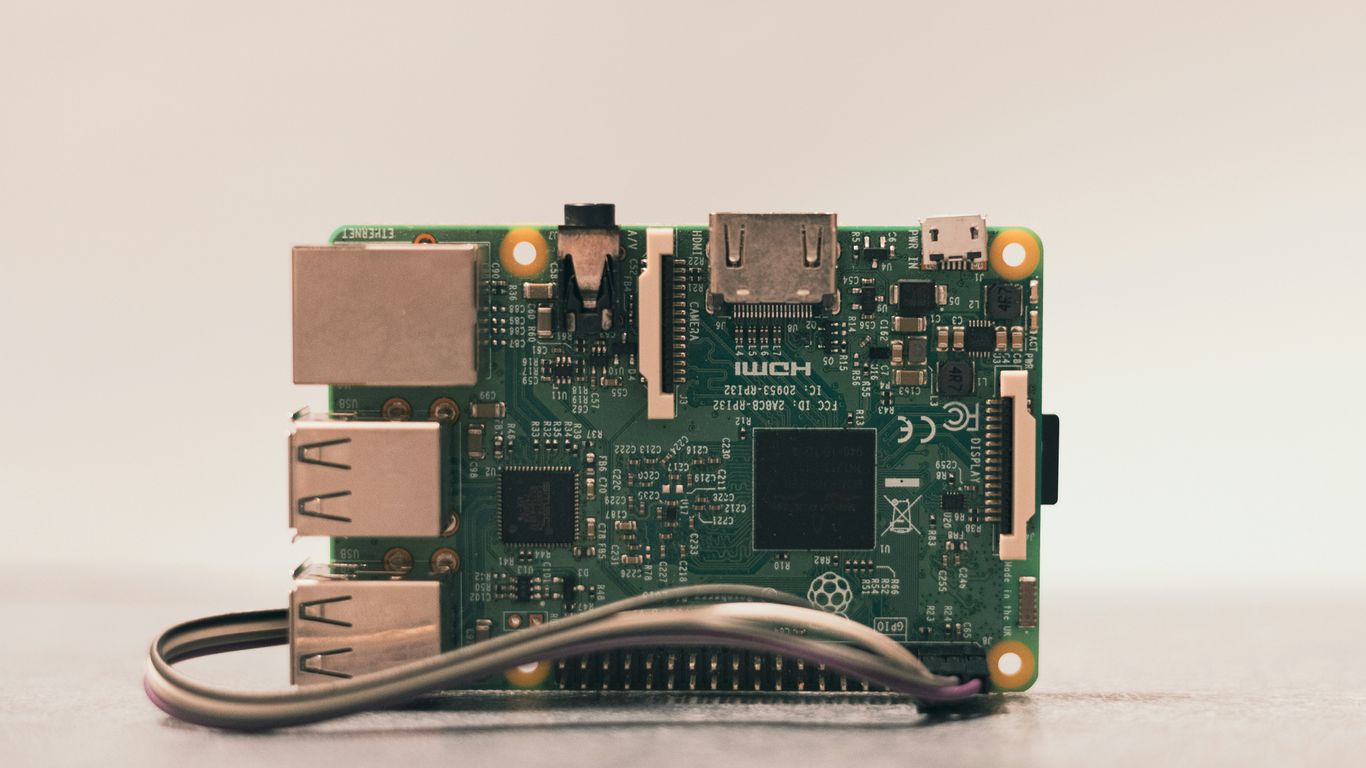
So, you’ve got a mix of systems, right? Some are humming away nicely in your own data centre, and others are living it up in the cloud. That’s where a hybrid integration platform really comes into its own. It’s not just about connecting things; it’s about making sure your old-school applications can chat happily with your shiny new cloud services. This approach is becoming the norm for many businesses wanting flexibility without ditching their existing investments.
Bridging On-Premises and Cloud Environments
Think of it like building a really good bridge. On one side, you have your legacy systems – maybe your main accounting software or your customer database that’s been around for ages. On the other side, you have your cloud-based CRM, your modern analytics tools, or your SaaS applications. A hybrid platform provides the sturdy structure and the traffic management to let data flow back and forth safely. It means you don’t have to rip out everything to move to the cloud; you can do it gradually, connecting as you go.
Here’s a quick look at what that might involve:
- Data Gateways: These act as secure entry points, letting cloud applications access on-premises data without exposing your whole network.
- API Management: Creating APIs for your on-premises systems makes them accessible to cloud services, and vice-versa.
- Message Queues: These help decouple systems, so if one part is busy or temporarily offline, messages don’t get lost.
Securing Data Exchange in Mixed Architectures
When you’re mixing cloud and on-premises, security is obviously a big deal. You can’t just let data wander around unprotected. Hybrid platforms have built-in security features designed for this exact scenario. This includes things like encryption, both when data is moving and when it’s sitting still, and robust authentication to make sure only the right systems and people can access sensitive information.
Keeping data secure across different environments requires a layered approach. It’s not a one-size-fits-all solution, and a good hybrid platform helps manage these complexities by providing consistent security policies wherever your data resides.
Managing Diverse Integration Workloads
Managing all these connections can get complicated fast. A hybrid integration platform aims to simplify this by giving you a central place to monitor, manage, and troubleshoot your integrations. Whether it’s a simple file transfer between two servers or a complex workflow involving multiple cloud services and your internal databases, the platform provides the tools to keep an eye on everything. This means quicker problem-solving and a clearer picture of how your data is moving throughout your entire organisation.
Here are some common integration tasks handled by hybrid platforms:
- Application-to-Application (A2A): Connecting different software systems within your organisation.
- Business-to-Business (B2B): Exchanging data with external partners, suppliers, or customers.
- Data Synchronization: Keeping data consistent across multiple systems, whether they’re on-premises or in the cloud.
Data Integration Platform Examples for Analytics

Right then, let’s talk about getting your data sorted for proper analysis. In 2026, businesses are drowning in data, and if you can’t get it all in one place and make sense of it, you’re going to miss out. Data integration platforms are the unsung heroes here, quietly working away to pull information from all sorts of places so you can actually see what’s going on.
Consolidating Data Warehouses
Think of your data warehouse as the central library for all your business information. Before, you might have had bits and pieces scattered everywhere – sales figures in one system, customer details in another, marketing campaign results in a third. It was a real headache trying to get a clear picture. Data integration platforms make it much simpler to pull all that data together into a single, organised location. This means you’re not spending ages trying to find information; it’s all there, ready to be used. This consolidation is key to getting reliable insights.
Enabling Business Intelligence Tools
Once your data is all tidied up in your data warehouse, you need tools to actually look at it, right? That’s where Business Intelligence (BI) tools come in. These platforms, like Tableau or Power BI, are brilliant for creating charts, graphs, and dashboards that show trends and performance. But they can only work with good data. Data integration platforms feed these BI tools with clean, consistent information, meaning the reports you get are accurate and trustworthy. Without good integration, your BI tools are just showing you a jumbled mess.
Real-Time Data Pipelines for Insights
For some businesses, waiting for daily or weekly reports just isn’t fast enough anymore. They need to see what’s happening now. This is where real-time data pipelines shine. Imagine a retail business tracking sales as they happen, or a logistics company monitoring delivery trucks minute by minute. Data integration platforms can build these pipelines, moving data from its source to your analytics tools almost instantly. This allows for quick decision-making, like adjusting stock levels during a busy sales period or rerouting a delivery if there’s a traffic jam.
The challenge isn’t just collecting data; it’s making it usable. A platform that can handle different data formats, clean up errors, and move information efficiently is what separates businesses that can act on data from those that are just overwhelmed by it. It’s about turning raw numbers into actionable knowledge without too much fuss.
Here’s a quick look at what these platforms typically handle:
- Data Source Connectivity: Connecting to databases, cloud storage, applications, and even spreadsheets.
- Data Transformation: Cleaning, reformatting, and standardising data so it’s consistent.
- Data Loading: Moving the processed data into your data warehouse or analytics tools.
- Scheduling and Monitoring: Automating the process and keeping an eye on everything to make sure it’s running smoothly.
B2B Integration Platform Examples
When we talk about connecting with other businesses, things can get complicated pretty fast. That’s where B2B integration platforms come in. They’re basically the digital glue that holds together your company’s interactions with suppliers, customers, and partners. Think about it: sending invoices, tracking shipments, or sharing product information – all these things need to happen smoothly between different companies’ systems.
Automating Partner Onboarding
Getting a new partner set up can be a real headache. You’ve got to exchange information, set up communication channels, and make sure everyone’s on the same page. A B2B integration platform can really speed this up. Instead of manual data entry and endless emails, you can automate a lot of the process. This means:
- Reduced setup time: New partners can start trading with you much faster.
- Fewer errors: Automation cuts down on mistakes that happen with manual input.
- Better partner relationships: A smooth onboarding experience makes a good first impression.
The goal is to make bringing on new business connections as simple as possible.
EDI and Supply Chain Connectivity
Electronic Data Interchange (EDI) is a big part of B2B. It’s a standard way for businesses to exchange documents electronically. If you’re in manufacturing or retail, you’re probably dealing with purchase orders, shipping notices, and invoices via EDI. A B2B platform makes managing these EDI transactions much easier. It can translate data between your internal systems and the formats your partners use, and it keeps a record of everything that’s sent and received.
| Document Type | Typical Use Case |
|---|---|
| Purchase Order (850) | Placing an order |
| Invoice (810) | Billing for goods/services |
| Advance Ship Notice (856) | Informing about shipment |
Secure Business-to-Business Data Exchange
Security is obviously a massive concern when you’re sharing data with other companies. You need to make sure that only the right people can see sensitive information and that the data hasn’t been tampered with. B2B integration platforms use various security measures to protect this exchange. This includes things like:
- Encryption: Scrambling data so it can’t be read if intercepted.
- Authentication: Verifying the identity of both your system and your partner’s system.
- Access Controls: Limiting who can access what data.
Keeping business data safe between organisations requires careful planning and the right tools. It’s not just about sending information; it’s about sending it reliably and securely, so everyone involved can trust the process and the data itself.
By handling these aspects, B2B integration platforms help businesses operate more efficiently and build stronger, more reliable connections with their trading partners.
IoT Integration Platform Examples
Right then, let’s talk about the Internet of Things, or IoT as everyone calls it. It’s not just about smart thermostats anymore, is it? We’re seeing a massive surge in devices, from factory sensors to wearable tech, all chattering away. Making sense of all that data and getting it to where it needs to go is where IoT integration platforms really shine. These platforms are the glue holding together the increasingly complex web of connected devices and the systems they interact with. Without them, you’d just have a load of disconnected gadgets making noise.
Connecting Devices and Sensors
So, the first big job is just getting all these different bits and pieces talking. Think about a smart factory floor. You’ve got temperature sensors, pressure gauges, robotic arms, and maybe even cameras, all from different manufacturers. An IoT integration platform needs to speak their languages, which can be a real headache. It’s about setting up the initial connections, often using protocols like MQTT or CoAP, which are designed for these kinds of low-bandwidth, high-volume scenarios. It’s not just about plugging things in; it’s about establishing reliable communication channels so you don’t miss a single reading.
Real-Time Data Ingestion from Edge
Now, a lot of the processing for IoT data is happening closer to where the data is generated – that’s the ‘edge’. Instead of sending everything back to a central cloud server, which can be slow and expensive, platforms are designed to pull data from these edge devices quickly. This means you can react to events almost instantly. For example, if a sensor on a machine detects an anomaly, the platform can trigger an alert or shut down the equipment before any real damage is done. This speed is absolutely vital for things like industrial automation or even autonomous vehicles.
Enabling Smart Applications and Services
Once the data is flowing and being processed, what do you do with it? That’s where the ‘smart’ part comes in. IoT integration platforms make it easier to build applications that use this data. Imagine a logistics company using GPS trackers on their fleet. The integration platform can feed that location data into a route optimisation service, which then tells drivers the fastest way to get to their destination. Or think about smart city initiatives, where data from traffic sensors and public transport can be used to manage city flow more effectively. It’s all about turning raw data into actionable insights and useful services.
The sheer volume of data generated by IoT devices presents a significant challenge. Integration platforms must be robust enough to handle this influx without compromising performance. This often involves sophisticated data filtering and aggregation techniques at the source to reduce unnecessary traffic and processing load downstream.
Here’s a quick look at some common protocols these platforms handle:
- MQTT: Lightweight messaging protocol, great for sending small amounts of data over unreliable networks.
- CoAP: Constrained Application Protocol, designed for constrained devices and networks, similar to HTTP but more efficient.
- HTTP/REST: Standard web protocols, often used for higher-level interactions or when devices have more resources.
- AMQP: Advanced Message Queuing Protocol, more robust for enterprise messaging, offering features like message queuing and guaranteed delivery.
Wrapping Up: What’s Next for Connecting Things
So, we’ve looked at a few ways businesses are getting their different systems to talk to each other. It’s not always straightforward, is it? Sometimes it feels like trying to get two people who speak different languages to have a proper chat. But the examples show that with the right tools and a bit of planning, it’s definitely possible. By 2026, expect even more clever ways for software and hardware to link up, making things run smoother. It’s about making sure your sales figures can easily show up in your stock management, or that your customer feedback goes straight to the right team. It’s less about the fancy tech itself and more about making your day-to-day work a bit less of a headache. Keep an eye on these developments; they’re changing how we get things done.
Frequently Asked Questions
What exactly is an integration platform, and why is it important for businesses?
Think of an integration platform as a special tool that helps different computer programs and systems talk to each other. It’s like a translator that makes sure your sales system can share information with your stock system, for example. This is super important because it stops people from having to type the same info over and over, makes sure everyone has the latest details, and helps the business run much more smoothly.
How do these platforms help connect older computer systems with newer cloud ones?
Many businesses have older systems that are still important, but they also want to use new cloud services. Integration platforms act as a bridge. They create secure pathways so that information can travel safely between the old stuff on your own computers and the new stuff you use over the internet. It’s like building a special road between two different towns.
Can integration platforms help when we need to share information with other companies?
Absolutely! When you need to send important documents or data to your business partners, like suppliers or customers, integration platforms can handle it. They can automate sending things like orders or invoices, making sure they arrive correctly and securely. This speeds things up and reduces mistakes, which is great for keeping business relationships strong.
What’s the deal with ‘cloud-native’ integration, and is it better?
Cloud-native integration means the platform is built specifically for the cloud, using modern techniques like microservices (small, independent parts of a program) and APIs (ways for programs to ask each other for information). This makes it really flexible and easy to grow as your business needs change. It’s often faster and more adaptable than older ways of doing things.
How do these platforms help us understand our business data better?
Integration platforms can gather data from all sorts of places – your sales records, your website, your customer service chats – and bring it all together in one spot, like a big digital library. This makes it much easier for people to look at the information and find useful patterns, helping them make smarter decisions for the business. It’s like putting all the puzzle pieces together to see the whole picture.
What about connecting lots of devices, like sensors in a factory or smart home gadgets?
Yes, integration platforms are also used for the ‘Internet of Things’ (IoT). They can connect to all sorts of devices, collect the information they send (like temperature readings or movement alerts), and make that data available for other applications. This allows businesses to build smart systems that can react automatically to what’s happening in the real world.